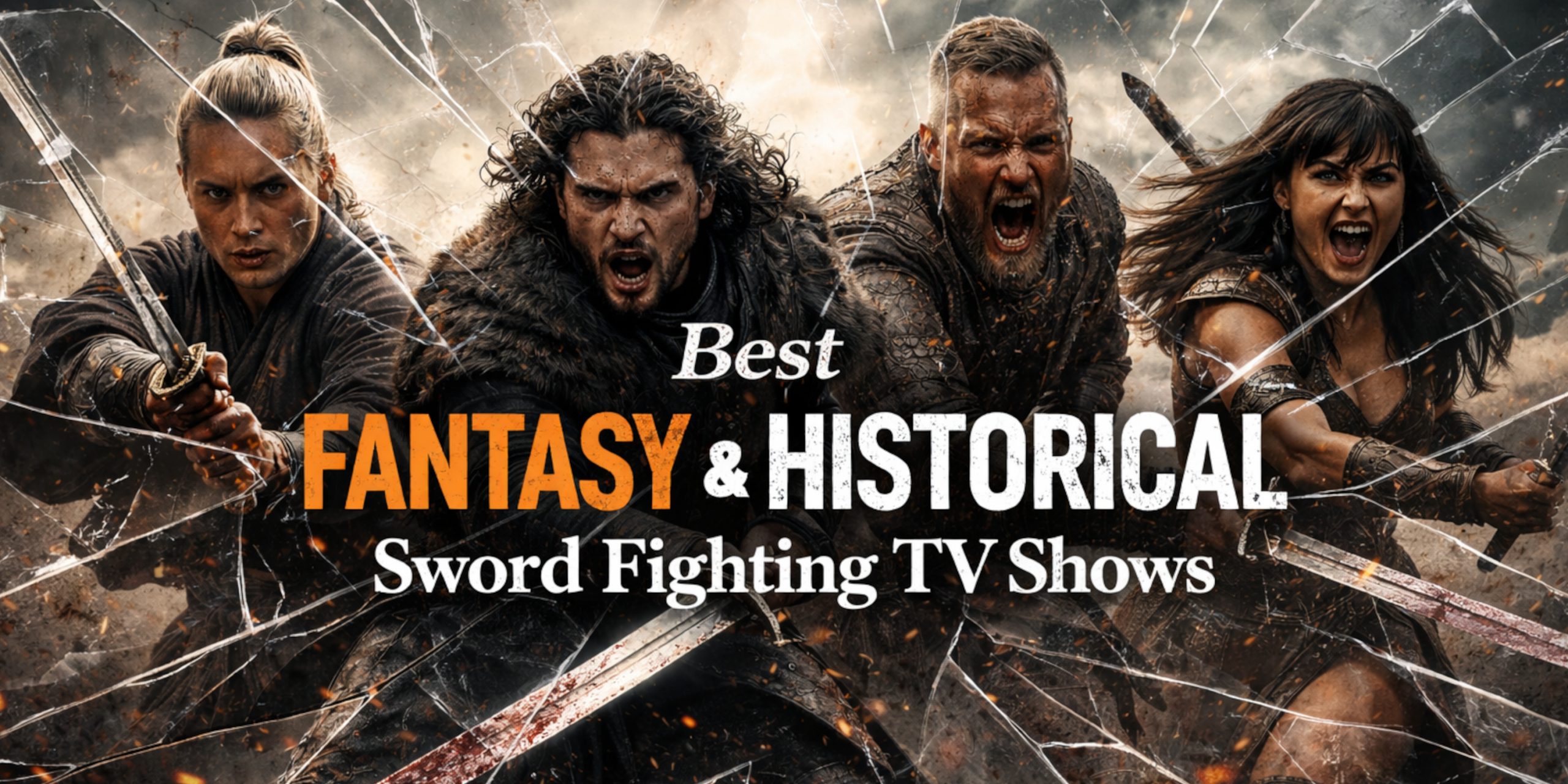
Sword fighting on television has changed. What once passed as theatrical swiping now demands historical consultants, stunt precision, and performances that make every cut feel personal.
This ranking follows the original structure and is ordered primarily by Emmy recognition, with BAFTA awards and nominations factored into placement. Awards matter here, not as vanity metrics, but as markers of craft, direction, choreography, and cultural weight.
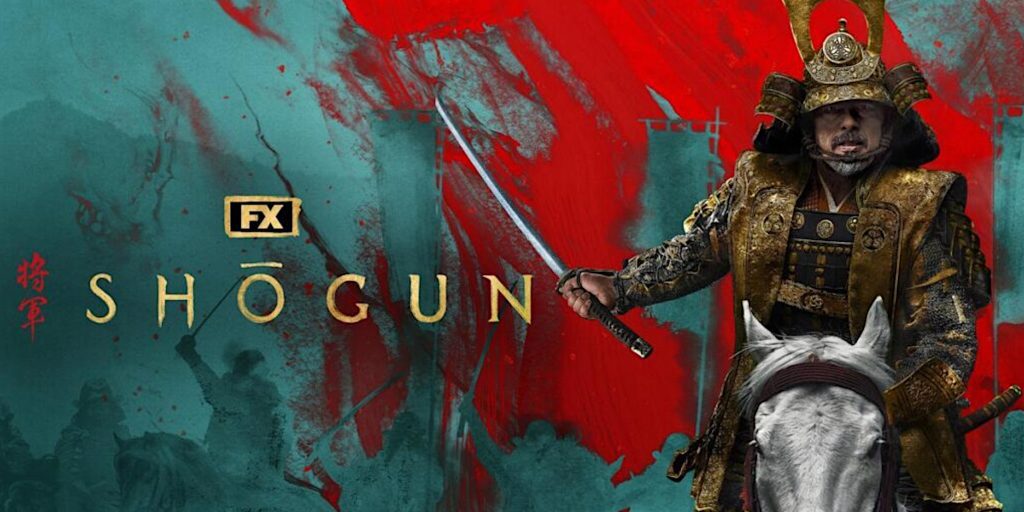
Shōgun (2024)
Emmy Performance
- 18 Emmy wins in 2024
- Outstanding Drama Series
- Major acting and technical category victories
This is currently the most decorated sword-centred historical drama in modern television.
BAFTA Recognition
- Strong critical presence in UK award circuits
- Production design and performance recognition
Sword Fighting and Historical Weight
The swordplay is disciplined, deliberate, and grounded in samurai combat tradition. Duels are brief. Precise. Final. A single draw can decide a fate.
What stands out is restraint. No unnecessary spinning. No exaggerated flourishes. Steel moves with intention.
For viewers who care about how a blade is handled, this series respects the weapon.
Why It Ranks First
Awards dominance combined with authentic choreography places it at the top in 2026. It feels controlled, intelligent, and historically rooted.
Watch the Trailer:
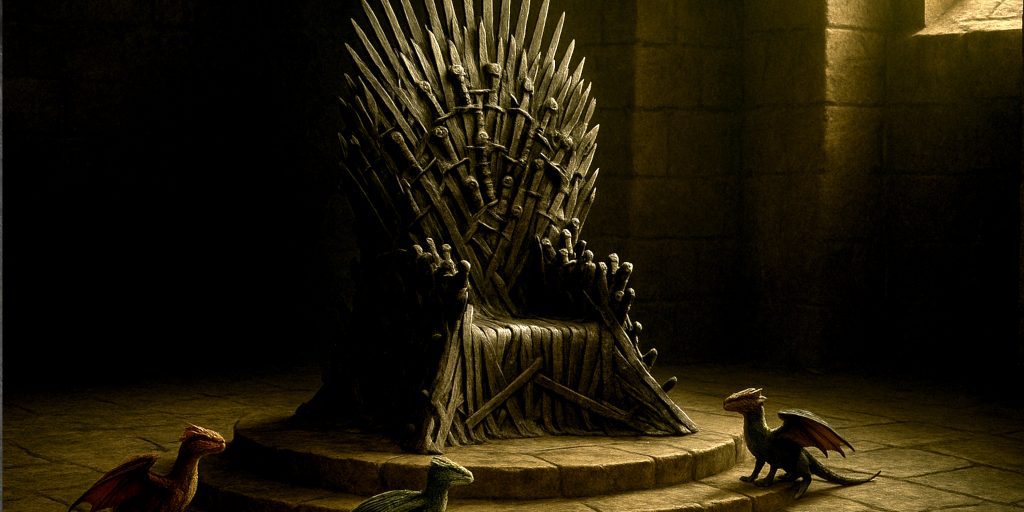
Game of Thrones (2011–2019)
Emmy Performance
- 59 Emmy wins across its run
- Multiple Outstanding Drama Series awards
- Recognition for stunt coordination and production design
No fantasy series has surpassed its Emmy total.
BAFTA Recognition
- Consistent nominations
- Strong UK cultural footprint
Sword Fighting and Scale
From Arya’s precision to the chaos of the Battle of the Bastards, this series redefined televised medieval combat.
Blades have weight. Armour dents. Fighters tire. Duels are not dance routines, they are desperate struggles.
Valyrian steel swords became cultural artefacts in their own right. When a blade appeared, it meant something.
Why It Ranks Second
Although it holds the highest lifetime Emmy total, the ranking reflects recent impact and concentrated awards dominance. Its influence remains enormous, but it no longer stands alone at the summit.
Watch the trailer:
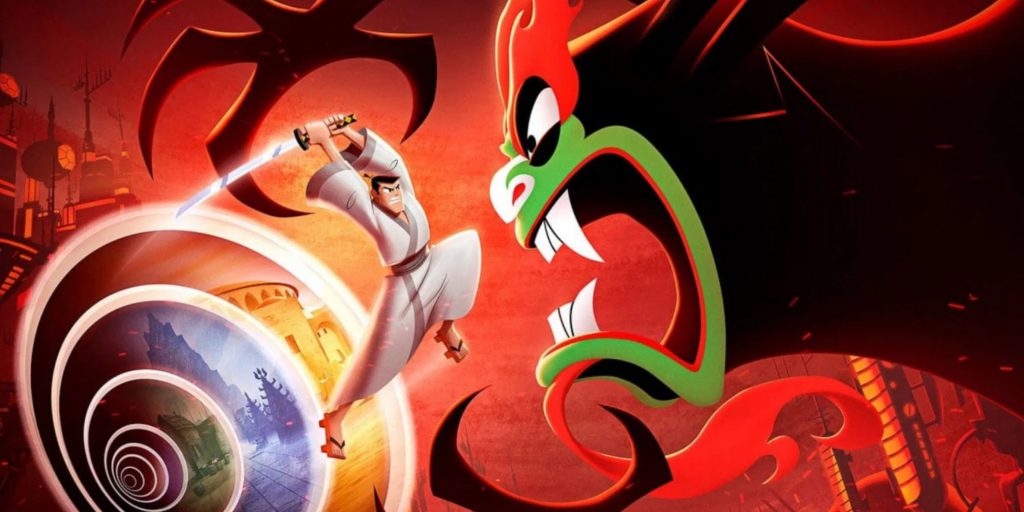
Samurai Jack (2001–2017)
Emmy Performance
- 8 Emmy wins
- Recognition for animation and artistic direction
BAFTA Recognition
- Limited major BAFTA success
- Cult prestige within animation circles
Sword Fighting Through Animation
This is proof that choreography does not require live action.
Silhouettes. Shadows. Sudden motion. The katana becomes an extension of silence itself.
There is elegance here, but also violence. Cuts are clean. Impact is clear.
It treats sword fighting with reverence rather than parody, which is rare in animation.
Why It Ranks Third
Its Emmy success secures its place, though its awards footprint is smaller than the live-action leaders.
Xena: Warrior Princess (1995–2001)

Emmy Performance
- Emmy win for music composition
- Technical category recognition
BAFTA Recognition
- Minimal presence in major BAFTA categories
Sword Fighting and Cultural Impact
The choreography leans into theatrical energy. Fast exchanges. Clear hero framing. A sense of fun.
It is not gritty realism. It is mythic adventure.
Yet the show helped establish female-led sword combat in mainstream television, which cannot be understated.
Why It Ranks Fourth
Awards recognition was more limited, but its cultural contribution to televised swordplay remains significant.
BAFTA-Recognised Historical Sword Dramas
While the ranking prioritises Emmy totals, several series deserve recognition for BAFTA impact and prestige craftsmanship.
The Hollow Crown (2012–2016)

- BAFTA award wins and nominations
- Shakespearean historical warfare
- Grounded medieval sword encounters
Combat is measured and theatrical, shaped by character and politics rather than spectacle.
Wolf Hall (2015– )

- Multiple BAFTA wins
- Tudor political tension
- Sword conflict used sparingly but effectively
This is cerebral sword drama. When blades appear, they carry ideological weight.
What Defines Award-Winning Sword Fighting Television in 2026
Three elements consistently separate the award winners from the rest:
Authenticity
Weapons are treated as historical tools, not props.
Weight and Consequence
Strikes feel dangerous. Characters suffer for mistakes.
Narrative Purpose
Duels resolve character arcs, not just action beats.
Audiences now expect realism or at least internal consistency. Loose, consequence-free choreography simply does not earn critical recognition anymore.
Takeaway
The evolution of sword fighting on television reflects broader production ambition. Budgets have grown. Consultants are hired. Training periods are longer.
At the top in 2026 stands Shōgun, combining awards success with disciplined historical combat. Game of Thrones remains the most decorated fantasy juggernaut in Emmy history. Animation has its champion in Samurai Jack, and cultural legacy is secured by Xena: Warrior Princess.
Awards are not everything, but they highlight craft. And when sword fighting is done properly, it becomes more than action. It becomes storytelling through steel.