Sekiro: Shadows Die Twice has a funny way of making you feel unstoppable for about thirty seconds before a samurai, ape, monk, or extremely angry old man reminds you that confidence was a mistake.
Unlike many action RPGs, Sekiro is not about grinding levels until a boss becomes harmless. Your real progression comes from learning combat rhythm, improving your healing, increasing attack power, and unlocking tools that make impossible fights slightly less impossible.
The game has branching paths, meaning bosses can be tackled in different sequences. However, some routes create a much smoother difficulty curve. This order balances story progression, player skill growth, Prayer Bead upgrades, Prosthetic Tools, and avoiding the classic mistake of walking into a nightmare fight way too early.
Early Game: Learning How Sekiro Wants You To Fight
The opening hours are secretly a very aggressive tutorial. Every boss is teaching a lesson, although Sekiro’s teaching style is closer to throwing you into a river and saying “learn swimming quickly”.
1. Leader Shigenori Yamauchi
Location: Ashina Reservoir
The first mini-boss introduces the basics:
- Deflect timing
- Posture damage
- Deathblows
- Reading enemy attacks
He is simple compared with what comes later, but he introduces Sekiro’s most important lesson. Blocking is survival. Deflecting is victory.
2. General Naomori Kawarada
Location: Ashina Outskirts
This is your first proper test after gaining the Shinobi Prosthetic.
Important rewards:
- Prayer Bead
- Early Vitality progress
He teaches you not to panic when enemies pressure you. Standing your ground is often safer than running away.
3. Chained Ogre
Location: Ashina Outskirts
The Chained Ogre is where many players realise Sekiro is not Dark Souls wearing a samurai costume.
Recommended preparation:
- Flame Vent Prosthetic
- Oil items
- More aggressive movement
His grabs are brutal, but learning enemy weaknesses becomes a major theme throughout the game.
4. General Tenzen Yamauchi
Location: Ashina Outskirts
Fight him before pushing deeper.
Why?
Because Prayer Beads matter.
Increasing Vitality early makes later bosses much less punishing. Tenzen also reinforces dealing with groups, stealth openings, and controlling the battlefield.
5. Gyoubu Masataka Oniwa
Location: Ashina Castle Gate
“My name is Gyoubu Masataka Oniwa!”
You will probably remember that line forever.
Gyoubu is the first major boss and a perfect early challenge.
Recommended tools:
- Shinobi Firecracker
- Grappling Hook Attack skill
Rewards:
- Memory for Attack Power increase
- Mechanical Barrel upgrade
This fight teaches confidence. Stay close, deflect, and stop treating giant bosses like something you need to hide from.
Hirata Estate: Essential Training Before Ashina Castle
Hirata Estate is technically optional, but skipping it makes you miss valuable upgrades and one of the best early skill checks.
6. Shinobi Hunter Enshin Of Misen
Location: Hirata Estate
This fight exists for one reason.
Learn Mikiri Counter.
Seriously.
If you do not master Mikiri Counter, later bosses will turn your life into a historical tragedy.
7. Juzou The Drunkard
Location: Hirata Estate
A messy fight against a huge enemy surrounded by allies.
Best strategy:
- Remove smaller enemies first
- Use stealth
- Use fire attacks
- Accept NPC assistance
Juzou teaches patience and preparation.
8. Lady Butterfly
Location: Hirata Estate
Lady Butterfly is where Sekiro finally asks:
“Do you actually understand the combat?”
She tests:
- Aggression
- Deflect timing
- Dodging at the right moment
- Maintaining pressure
Recommended before fighting:
- 3 or more Healing Gourds
- At least one Vitality upgrade
She feels impossible at first. Then suddenly everything clicks. That moment is why Sekiro is special.
Ashina Castle: Where The Real Game Begins
Ashina Castle opens multiple routes. It is tempting to explore everywhere, but some areas are far harder than others.
9. Ashina Elite Jinsuke Saze
Location: Ashina Castle Dojo
A lightning-fast mini-boss.
His purpose is simple:
Can you deflect?
If yes, he dies quickly.
If no, he deletes you.
Fair enough really.
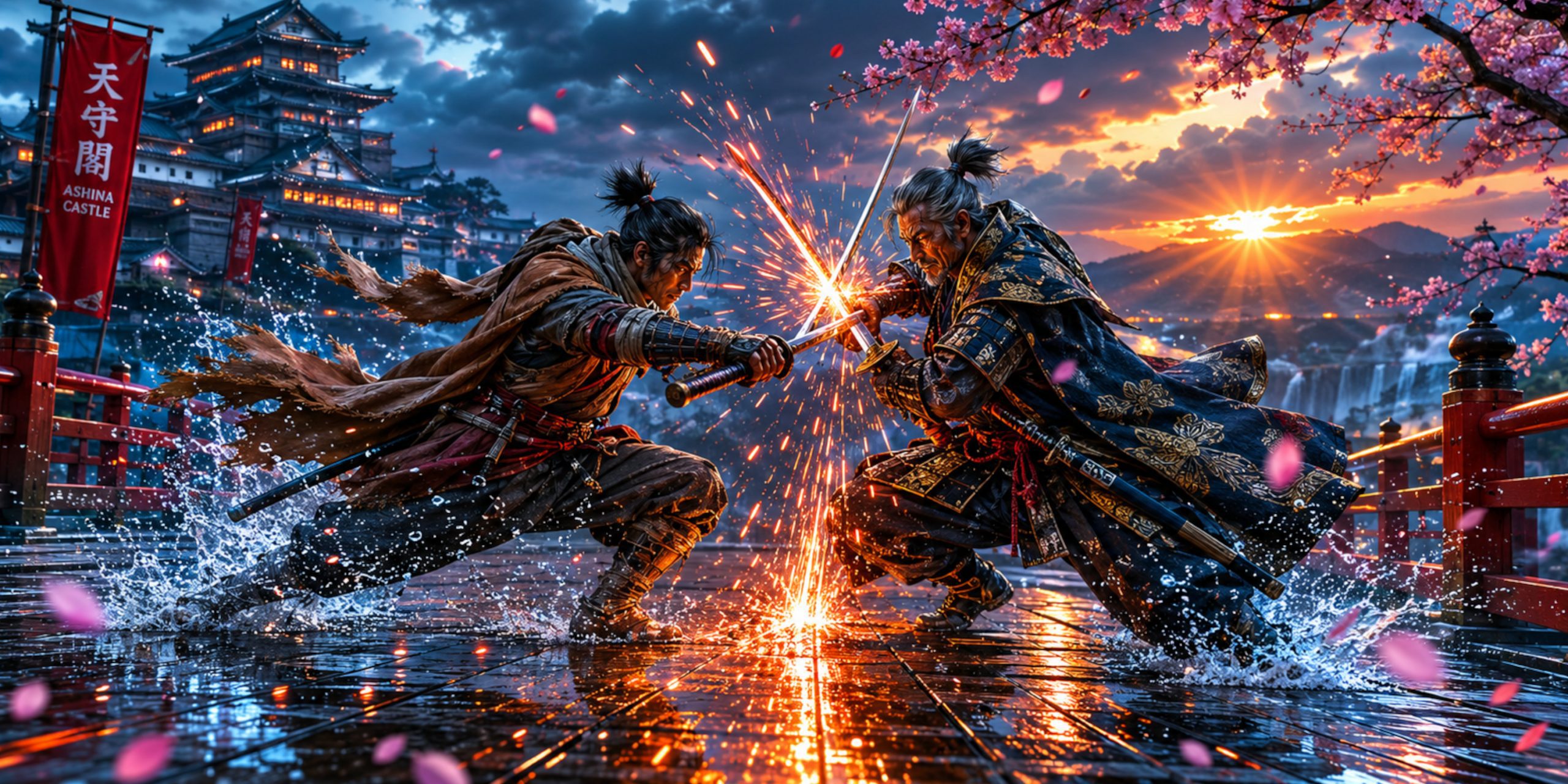
10. Genichiro Ashina
Location: Ashina Castle Rooftop
Genichiro is the first true wall.
Everything before him has been preparation:
- Deflection
- Mikiri Counter
- Jump counters
- Healing discipline
- Staying aggressive
Recommended before fighting:
- 5 or more Healing Gourds
- Multiple Prayer Necklace upgrades
- Loaded Axe and Firecracker
After beating him, you are not just progressing through Sekiro. You understand Sekiro.
Mid Game Boss Route
After Genichiro, the world expands dramatically.
11. Folding Screen Monkeys
Location: Senpou Temple
Compared with most bosses, this is more of a puzzle encounter.
Rewards:
- Memory
- Mortal Blade access
Complete this before tackling the darker areas ahead.
12. Snake Eyes Shirahagi
Location: Ashina Depths
A frustrating mini-boss with gun attacks and dangerous grabs.
Useful preparation:
- Improved Vitality
- Better Prosthetic upgrades
The difficulty spike here catches many players.
13. Guardian Ape
Location: Sunken Valley
The Guardian Ape is basically Sekiro asking:
“What if a boss ignored everything you learned?”
Then phase two arrives and says:
“Actually, remember everything you learned.”
Recommended:
- Firecrackers
- Loaded Spear
- Pacifying Agent
One of the most memorable fights in the game.
14. Headless Ape
Location: Ashina Depths
Fight this after Guardian Ape.
You already understand the moves, but the second enemy makes positioning more important.
Focus on:
- Separating enemies
- Using Firecrackers
- Staying calm
Easier said than done when two giant apes are trying to ruin your afternoon.
15. Corrupted Monk
Location: Ashina Depths
A fantastic posture battle.
She tests:
- Deflection consistency
- Patience
- Counterattacks
Snap Seeds can help, but strong fundamentals matter more.
Late Game Boss Order
At this stage, Sekiro stops training you and starts testing everything.
16. Great Shinobi Owl
Location: Ashina Castle Rooftop
Owl is a brutal duel because he fights like you.
Expect:
- Anti-healing tricks
- Shinobi tools
- Punishing counters
This is not a monster fight. It is a tactical battle between assassins.
17. True Corrupted Monk
Location: Fountainhead Palace
A longer and more cinematic version of the earlier battle.
Recommended:
- Strong posture management
- Divine Confetti
- Maximum aggression
18. Divine Dragon
Location: Fountainhead Palace
One of the easiest major bosses mechanically, but one of the most visually impressive.
A rare Sekiro moment where you can relax slightly.
Only slightly.
Optional Endgame Bosses
These fights are optional, but they represent some of Sekiro’s greatest challenges.
Demon Of Hatred
Location: Ashina Outskirts
Recommended near the very end.
This boss feels closer to a traditional FromSoftware monster.
Bring:
- Malcontent upgrade
- Suzaku’s Lotus Umbrella
- Maximum healing
A brutal fight, but completely worth experiencing.
Owl Father
Location: Hirata Estate (Second Memory)
Fight before the final boss.
Many players consider him one of Sekiro’s best duels.
He demands:
- Fast reactions
- Perfect spacing
- Controlled aggression
There is nowhere to hide. Which is terrifying, but also brilliant.
Final Boss: Isshin, The Sword Saint
Location: Ashina Reservoir
Save him for last.
Obviously.
Isshin is the final exam.
He tests:
- Sword combat
- Mikiri Counter
- Lightning reversal
- Prosthetic discipline
- Every mistake you still make
The amazing thing about Isshin is that he rarely feels unfair. If you lose, you usually know exactly why.
Annoying? Absolutely.
Brilliant? Also absolutely.
Recommended Complete Boss Order Summary
| Order | Boss |
|---|---|
| 1 | Leader Shigenori Yamauchi |
| 2 | General Naomori Kawarada |
| 3 | Chained Ogre |
| 4 | General Tenzen Yamauchi |
| 5 | Gyoubu Masataka Oniwa |
| 6 | Shinobi Hunter Enshin |
| 7 | Juzou The Drunkard |
| 8 | Lady Butterfly |
| 9 | Ashina Elite Jinsuke Saze |
| 10 | Genichiro Ashina |
| 11 | Folding Screen Monkeys |
| 12 | Snake Eyes Shirahagi |
| 13 | Guardian Ape |
| 14 | Headless Ape |
| 15 | Corrupted Monk |
| 16 | Great Shinobi Owl |
| 17 | True Corrupted Monk |
| 18 | Divine Dragon |
| 19 | Owl Father |
| 20 | Demon Of Hatred |
| 21 | Isshin, The Sword Saint |
Takeaway
Sekiro bosses are less about stats and more about transformation. The first time through, enemies feel impossibly fast. By the end, you are calmly trading blows with legendary warriors like you have been doing it forever.
The best boss order is not just about making the game easier. It creates a natural path where every fight teaches the skill needed for the next one.
Except the Guardian Ape throwing things at you.
There is no lesson there. He is just rude.