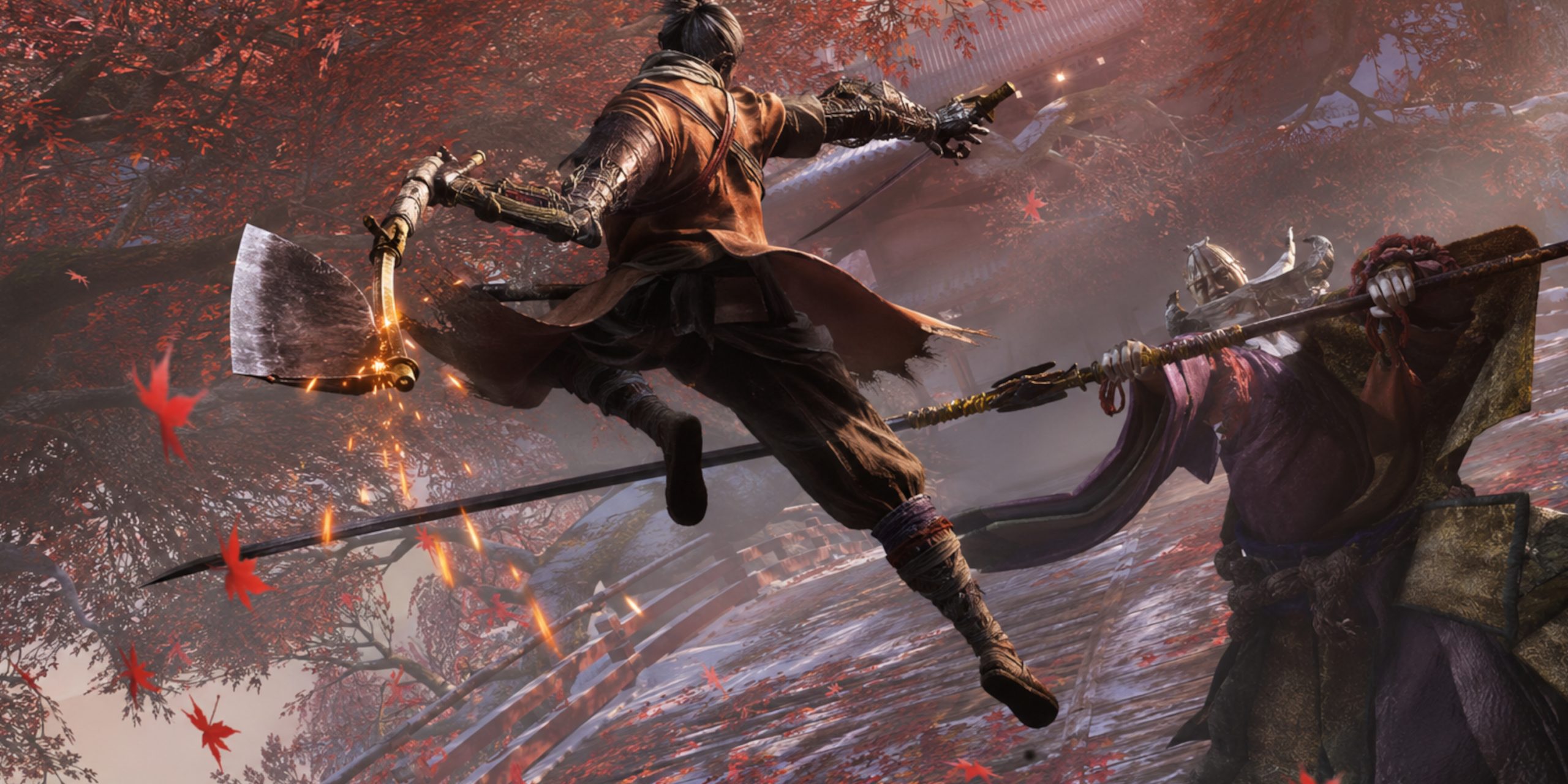
There is a very specific moment every Sekiro player experiences. You unlock a flashy new Combat Art, immediately equip it, try it against a boss, then get launched into the nearest wall because you forgot that looking cool and surviving are not always the same thing.
Sekiro’s Combat Arts are weirdly deceptive. Some look absurdly overpowered but chew through Spirit Emblems faster than a tax collector. Others seem boring until you realise they quietly trivialise half the game. Then there are the ones that exist purely to make you feel like an anime protagonist for about four glorious seconds before Genichiro shoots you in the face.
What makes Sekiro brilliant is that most Combat Arts have a genuine purpose. Even the niche ones can shine in the right fight. Still, a handful rise above the rest because they fit the rhythm of Sekiro’s combat so perfectly. These are the Combat Arts that consistently save runs, crack posture bars, and make late-game bosses feel slightly less terrifying.
What Makes a Combat Art Actually Good?
A great Combat Art in Sekiro usually does at least one of these things:
- Builds posture damage quickly
- Punishes openings efficiently
- Controls groups of enemies
- Gives safe recovery opportunities
- Interrupts aggressive bosses
- Synergises with prosthetics or buffs
The problem is that many players judge Combat Arts purely on damage. Sekiro does not really work like that. Posture pressure matters more than raw health damage in most major fights. A simple overhead strike that resets your posture can be worth far more than a spinning whirlwind attack that looks incredible but leaves you open like a Tesco meal deal at lunchtime.
Ichimonji and Ichimonji Double
If Sekiro had a “boring but secretly elite” category, Ichimonji would win by a mile.
Why It’s So Good
Ichimonji delivers heavy posture damage while reducing your own posture build-up. That second part is absolutely massive. Sekiro bosses love turning fights into relentless pressure contests, and this Combat Art quietly gives you breathing room without completely resetting momentum.
Ichimonji Double is even nastier once mastered. The second strike lands huge posture damage and can bully many mid-game enemies into submission.
Against bosses like Genichiro or Owl, it feels almost unfair once you understand the timing.
Best Uses
- Duel-focused boss fights
- Defensive posture recovery
- Punishing Mikiri Counter openings
- Maintaining aggression safely
It also has something many flashy arts lack: reliability. It rarely betrays you.
Which, frankly, is more than can be said for half the NPCs in Ashina.
Mortal Draw
This is the moment Sekiro fully embraces chaos.
You pull out the Mortal Blade and suddenly every swing feels illegal.
Why It’s So Powerful
Mortal Draw deals absurd vitality and posture damage, even through blocks. It also scales incredibly well with buffs like Ako’s Sugar or Divine Confetti.
The range is excellent, the damage is ridiculous, and it works against enemies that normally shrug off conventional attacks.
Empowered Mortal Draw somehow makes this even more excessive.
There is a genuine feeling the developers looked at balance halfway through designing this skill and simply gave up.
Weaknesses
- Heavy Spirit Emblem cost
- Slower startup
- Can leave you vulnerable if spammed
Still, against late-game bosses and minibosses, Mortal Draw can absolutely melt health bars.
Especially the Headless fights. Suddenly those miserable underwater nightmares become slightly less miserable.
Slightly.
High Monk
High Monk is one of the most satisfying Combat Arts in the game when used correctly.
It turns sweeps into opportunities for humiliation.
Why Players Love It
This art is essentially an advanced counter tool. The opening leap avoids sweep attacks naturally, while the follow-up strikes hammer enemy posture.
It rewards confidence and timing, which is basically Sekiro’s entire design philosophy condensed into one move.
Against enemies with frequent sweep attacks, High Monk becomes devastating.
Best Matchups
- Isshin Sword Saint
- Corrupted Monk
- Lone Shadows
- Interior Ministry enemies
Landing it properly feels incredible. Missing it feels like falling down a staircase in front of your entire family.
Shadowrush and Shadowfall
These arts transform Sekiro into a missile.
Why They Stand Out
Shadowrush closes distance instantly while dealing strong thrust damage. Shadowfall improves the move with even nastier follow-up pressure.
These are excellent for:
- Gap closing
- Punishing healing enemies
- Starting fights aggressively
- Catching evasive targets
The movement alone makes them valuable. Some bosses constantly create distance, and Shadowfall basically tells them “absolutely not.”
The Catch
Thrust attacks carry risk. Mistime them against enemies with Mikiri Counter capabilities and you will regret your life choices very quickly.
Still, when used carefully, Shadowfall can dominate certain encounters.
Sakura Dance
This one arrived with the Inner Boss update and immediately became a fan favourite.
Because of course players love launching into the air while deflecting lightning like a supernatural acrobat.
Why It’s Amazing
Sakura Dance:
- Deals solid posture damage
- Avoids sweeps naturally
- Reflects lightning beautifully
- Looks ridiculously stylish
Most importantly, it flows perfectly with Sekiro’s combat rhythm. It feels less like a special move and more like an advanced extension of the core system.
Using Sakura Dance against Inner Genichiro almost feels poetic.
Until he reminds you that he has approximately seventeen phases and zero mercy.
Spiral Cloud Passage
This is where style starts overtaking practicality slightly.
But honestly? Sometimes style matters.
Strengths
Spiral Cloud Passage unleashes rapid slashes that synergise brilliantly with elemental buffs and Divine Confetti.
When enhanced properly, it shreds vitality at shocking speed.
Against human enemies especially, it can become a blender.
Weaknesses
- Heavy commitment
- Vulnerable during animations
- Requires setup to truly shine
This is not the safest Combat Art, but few things in Sekiro feel cooler than carving through enemies with a glowing enchanted blade while sparks fly everywhere.
It is deeply impractical cinema. Which is part of the appeal.
Nightjar Slash Reversal
This Combat Art deserves more attention than it gets.
Why It’s Underrated
Nightjar Slash Reversal combines attack and repositioning in one fluid move. You strike, disengage, and reset spacing almost instantly.
For aggressive enemies, that mobility becomes extremely useful.
It also feels wonderfully nimble compared to heavier Combat Arts.
Best Situations
- Hit-and-run tactics
- Repositioning during chaotic fights
- Recovering from dangerous proximity
- Fighting multiple enemies
Not every Combat Art needs to explode a health bar. Sometimes survival is enough.
Sekiro players eventually learn this after dying roughly 400 times.
Dragon Flash
Dragon Flash is absurd in the funniest possible way.
You basically become a long-range sword artillery platform.
Why It Works
Dragon Flash sends ranged shockwaves across the battlefield while still dealing respectable close-range damage.
It is particularly effective against:
- Slower bosses
- Enemies vulnerable to chip damage
- Targets that constantly retreat
It also gives Sekiro something he rarely has: ranged pressure without relying entirely on prosthetics.
Watching bosses slowly realise they are being sliced from across the arena never stops being entertaining.
Whirlwind Slash
The humble classic.
Many players abandon Whirlwind Slash early, but honestly, it remains surprisingly effective throughout the game.
Why Beginners Love It
- Low commitment
- Wide hitbox
- Great crowd control
- Minimal risk
It teaches spacing naturally and works well against shield enemies and groups.
No, it is not flashy. No, it will not obliterate Isshin in ten seconds.
But it remains dependable from beginning to end, which is more than can be said for most starting abilities in modern games.
Which Combat Art Is Truly the Best?
If we are talking pure efficiency, Ichimonji Double probably wins overall. It fits Sekiro’s mechanics perfectly and stays useful through the entire game.
If we are talking raw destructive power, Mortal Draw takes it comfortably.
If we are talking style mixed with effectiveness, Sakura Dance might be the most satisfying Combat Art FromSoftware has ever designed.
The truth is that Sekiro works best when you stop searching for one perfect answer. Different Combat Arts completely change how fights feel. Some turn you into a posture-breaking samurai tank. Others make you a hyper-aggressive duellist constantly pressuring enemies into mistakes.
That flexibility is part of why Sekiro still feels so sharp years later. Underneath the brutality, the game quietly encourages experimentation.
Then it kills you for experimenting badly.
Which feels fair, honestly.
The Seven Swords Takeaway
Sekiro’s Combat Arts are not just flashy extras. They fundamentally shape how you approach fights, especially on repeat playthroughs where mastery matters more than survival.
The best players are not necessarily the ones using the highest damage abilities. They are the ones choosing the right Combat Art for the right situation, adapting constantly, and understanding the rhythm beneath the chaos.
Although admittedly, sometimes you just equip Mortal Draw because you want to hit a boss with a cursed katana the size of a canoe paddle.
And that is completely valid too.