There are TV episodes that feel important while you are watching them. Then there are episodes that quietly grab the entire show by the throat and drag it somewhere darker, stranger, and far more human.
For HBO’s Rome, that episode was not the pilot. It was not the grand battles, the Senate speeches, or even the first appearance of Julius Caesar looking smug enough to invoice the Republic for his own ego.
It was “Kalends of February”.
The moment where Rome stopped being a historical spectacle and became a tragedy.
If you watched the series back when it aired, chances are this episode sat in your brain for days afterward. If you are discovering the show now, usually after somebody online says “trust me, it’s basically Game of Thrones with sandals and emotional damage”, this is the point where the series suddenly reveals how ambitious it really was.
Why “Kalends of February” Changed the Series
Up until this point, Rome had balanced political intrigue with swagger and momentum. The show felt alive with possibility. Caesar was ascending. Mark Antony was still dangerous in a charmingly reckless way. Pullo and Vorenus were stumbling through history like two blokes who accidentally wandered into the collapse of civilisation.
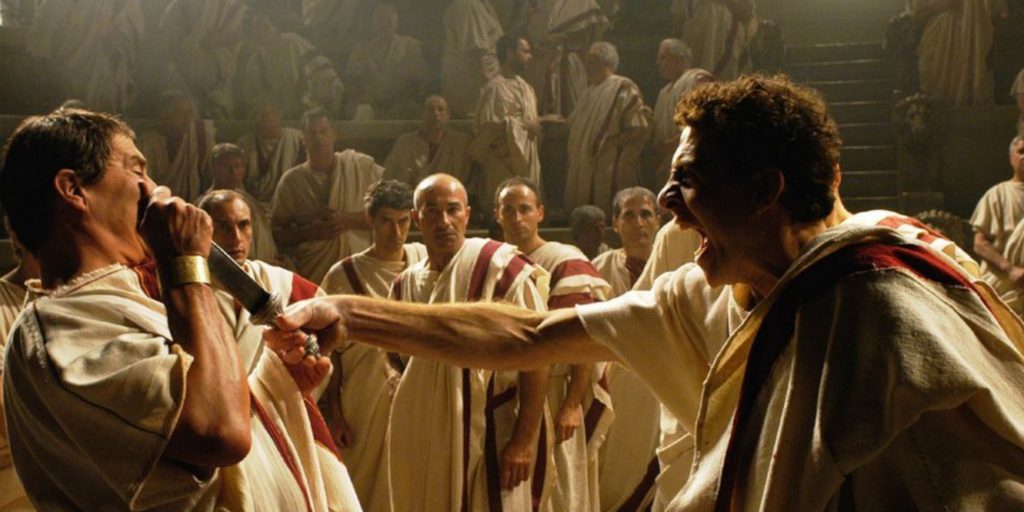
Then came the assassination of Caesar.
Not just the event itself, which everyone already knows from history class or memes involving “Et tu, Brute?”, but the way the episode handled it.
The murder is not treated as heroic republican justice. Nor is it melodramatic villainy. It is messy, frightened, desperate, and weirdly intimate.
That is what makes it work.
You can practically feel the panic in the Senate chamber. The conspirators are not triumphant warriors. They are nervous aristocrats sweating through a murder they convinced themselves was necessary five minutes before doing it.
Rome suddenly becomes a story about consequences instead of conquest.
Caesar’s Death Feels Horribly Human
One of the smartest choices the show makes is refusing to turn Caesar into a distant historical statue.
Julius Caesar is charismatic, manipulative, brilliant, arrogant, and occasionally exhausting. The series spends enough time with him that when he dies, the audience feels the vacuum instantly.
The assassination scene is brutal because it is awkward.
There is no soaring speech. No elegant final pose. Just confusion, betrayal, blood, and a room full of men realising they may have completely ruined everything.
Honestly, it is one of the most believable depictions of political violence ever put on television.
History books can flatten moments like this into neat timelines. Rome reminds you that history was lived by people who were improvising half the time.
Usually badly.
The Real Turning Point Was Emotional
Most people remember the episode because Caesar dies.
But the real shift happens afterward.
This is where the series changes emotionally.
Before this point, the show still carries traces of adventure. Afterward, everybody starts losing pieces of themselves. The optimism vanishes. Even the victories feel rotten.
Lucius Vorenus becomes increasingly haunted and isolated. Titus Pullo starts revealing unexpected vulnerability beneath all the drinking and stabbing. The political world becomes colder and more paranoid.
You can see the future hardening around every character.
That tonal shift is what elevated Rome above being “just another expensive historical drama”.
HBO Rome Suddenly Felt Dangerous
One thing modern prestige television owes to Rome is its willingness to let major figures fail horribly.
Nobody feels safe after this episode.
That tension became a defining feature of later shows like Game of Thrones. You can practically trace the DNA.
Rome understood that audiences connect more deeply when history feels unstable instead of inevitable.
Even when viewers know what happened historically, the show creates suspense through character psychology. You are not asking “does Caesar survive?” because obviously he does not.
You are asking:
“How badly is everyone about to cope with this?”
The answer, by the way, is extremely badly.
James Purefoy and the Collapse of Antony
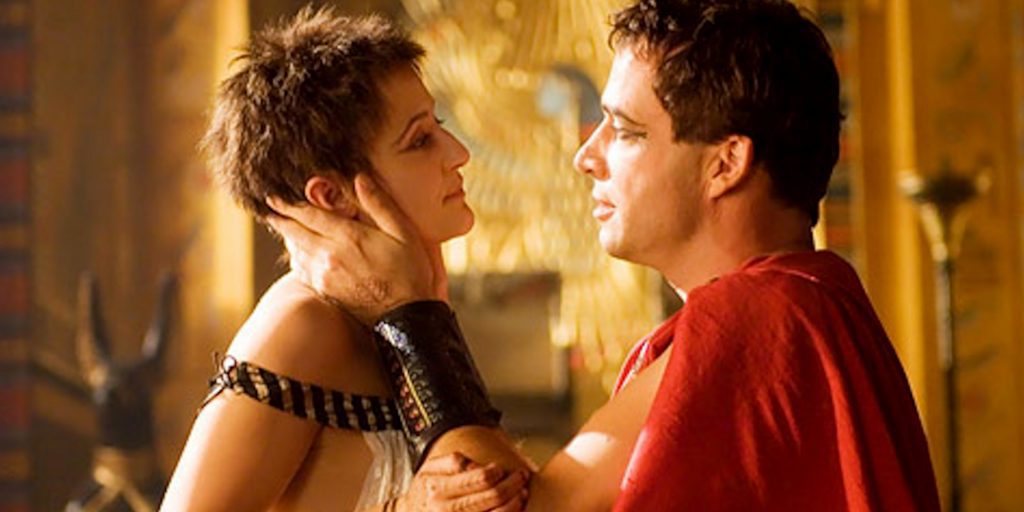
After Caesar’s death, Mark Antony becomes one of the show’s most fascinating disasters.
Played with dangerous charisma by James Purefoy, Antony shifts from swaggering war hero into a man slowly crushed by power, grief, ego, and terrible decision-making.
Rome never simplifies him into either hero or villain.
One minute he is magnetic. The next he seems like the human embodiment of “this sounded smarter after wine”.
That complexity becomes central to the show after “Kalends of February”. The series becomes less interested in who wins and more interested in what power does to people over time.
The Episode Also Changed Television
It sounds dramatic to say one episode changed television, but Rome genuinely feels like a missing evolutionary link between older historical epics and the prestige dramas that followed.
The scale was cinematic. The writing trusted the audience. The violence felt grounded rather than cartoonish. The politics were dense without becoming unbearable homework.
Most importantly, Rome treated historical figures like recognisable human beings instead of marble statues shouting declarations into the middle distance.
That approach became hugely influential.
Without Rome, modern television probably looks very different.
It walked so other expensive traumatising HBO dramas could sprint.
Why the Episode Still Holds Up
A lot of mid-2000s television now feels trapped in its era. Strange editing. Washed-out colour grading. Fight choreography that resembles dads arguing in a pub car park.
Rome mostly escaped that fate.
“Kalends of February” still works because it focuses on character tension over spectacle. The emotional reactions matter more than the historical checklist.
There is also something oddly modern about its cynicism toward political idealism.
The conspirators genuinely believe they are saving the Republic. Instead, they accelerate its destruction.
That irony lands even harder now than it did twenty years ago.
The Legacy of Rome’s Greatest Episode
People often talk about Rome as the brilliant HBO series cancelled too early. That is true. The show absolutely deserved more time.
But there is also something fitting about its abruptness.
Rome itself is about collapse. About systems breaking faster than the people inside them can understand. About individuals trying to survive history while history casually crushes them anyway.
“Kalends of February” captures all of that in one devastating hour.
It is the episode where Rome stopped being entertaining history and became something heavier.
Something uncomfortably real.
And honestly, after all these years, Caesar falling beneath those Senate knives still hits like a hammer.