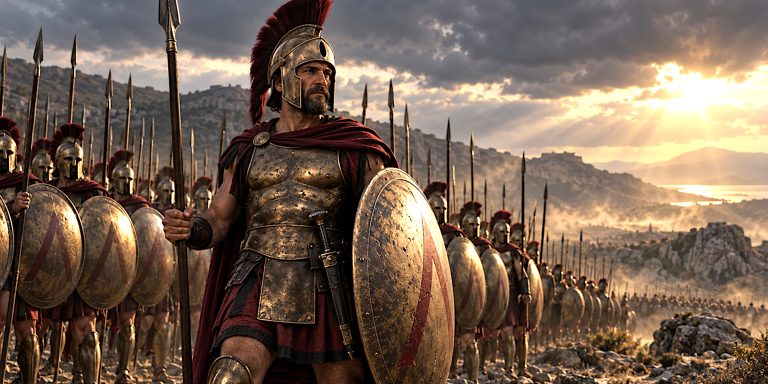
There is something weirdly magnetic about groups of elite warriors. Knights of the Round Table. The Seven Samurai. The Nazgûl. Put seven dangerous people in a room, hand them terrifying weapons, and suddenly history and fiction both start feeling very dramatic.
The term “Seven Swordsmen” appears in several different traditions and franchises, but the version most people recognise today comes from Japanese-inspired fantasy and anime culture, especially the infamous Seven Ninja Swordsmen of the Mist from the Naruto universe. Still, the idea itself taps into something much older, the obsession with legendary bladesmen who stand somewhere between military reality and folklore.
And honestly, humans have always loved sword celebrities. Medieval Europe had knightly champions. Japan had wandering swordsmen with names that sounded like boss fights. Persia had immortalised champions in epic poetry. Somewhere along the way, the sword stopped being just a weapon and became theatre.
This article breaks down the best-known Seven Swordsmen tradition, where the idea came from, the legendary weapons involved, and why people still obsess over them today.
What Are the Seven Swordsmen?
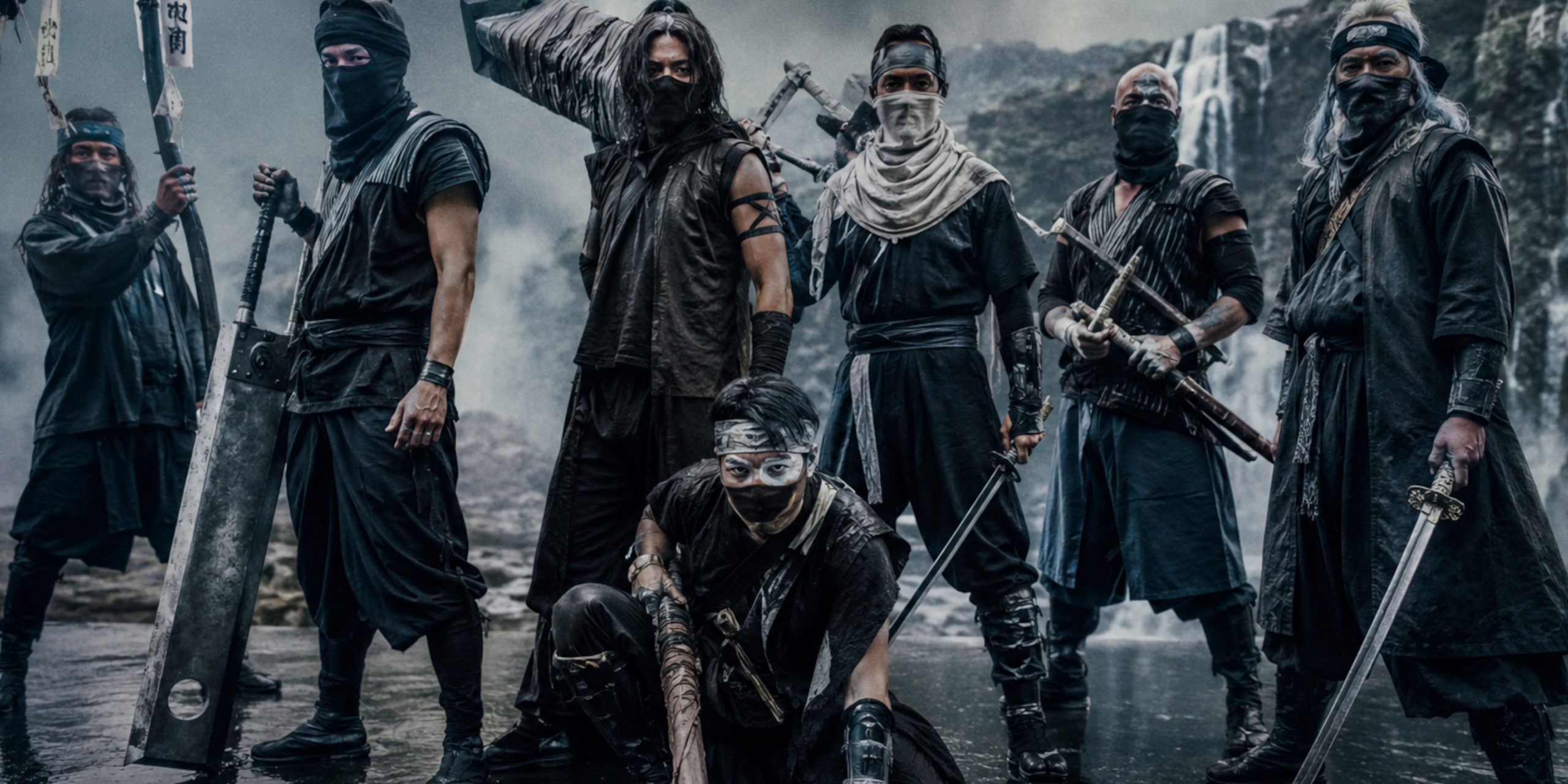
The most famous “Seven Swordsmen” are the Seven Ninja Swordsmen of the Mist, a feared warrior group from the Hidden Mist Village in the Naruto franchise.
They were elite assassins and battlefield killers, each carrying a unique and often horrifying sword with specialised abilities. Together, they became one of the most feared military units in the fictional shinobi world.
Unlike ordinary soldiers, these warriors were defined by their weapons almost as much as their skills. Every sword had its own identity, combat style, and reputation.
The group became iconic because it blended several things people instinctively enjoy:
- Distinctive weapons
- Elite warrior status
- Rivalries and betrayals
- Grim military aesthetics
- Legendary combat reputations
- Individual personalities tied to fighting styles
It is basically the fantasy equivalent of assembling seven medieval special forces commanders and giving each of them a cursed museum piece.
The Seven Swords and Their Wielders
Samehada
The most recognisable blade of the group.
Samehada looked less like a sword and more like a nightmare wrapped in bandages. Covered in scales and capable of absorbing chakra, it functioned almost like a living creature.
Most famously wielded by Kisame Hoshigaki, Samehada became iconic because it rejected unworthy users and actively chose its master.
Kubikiribōchō
The massive executioner blade associated with Zabuza Momochi.
This sword could regenerate itself using iron extracted from the blood of victims. Which is an impressively unpleasant sentence to write.
The weapon became one of the most visually iconic oversized swords in anime culture.
Hiramekarei
A twin-handled blade wielded cooperatively by elite swordsmen.
Unlike brute-force weapons, Hiramekarei focused on shaping chakra into devastating attacks. It represented precision and power rather than sheer brutality.
Kiba
Twin lightning-infused swords.
Kiba specialised in speed and electrical attacks, making it one of the deadliest weapons for fast-moving assassins and agile fighters.
Nuibari
A long needle-like sword used for piercing and stitching enemies together.
Yes, really.
Nuibari was designed for precision kills and silent execution work. It reflected the darker assassin roots of the Hidden Mist.
Kabutowari
A combination hammer and axe designed to break armour and defensive fortifications.
This weapon was essentially the answer to heavily armoured opponents. Less fencing elegance, more “open the castle door immediately.”
Shibuki
An explosive blade that incorporated paper bombs into attacks.
Subtlety was not really Shibuki’s speciality.
Why the Seven Swordsmen Became So Popular
Part of the appeal came from the weapon design itself.
Fantasy often struggles because everybody eventually carries the same glowing sword. The Seven Swordsmen avoided that problem by giving every warrior a completely different combat philosophy.
Some swords focused on speed. Others relied on brutality, assassination, explosives, or supernatural absorption abilities.
The result felt memorable because each fighter had a visual identity that audiences could instantly recognise.
There was also a darker tone surrounding them compared to many heroic warrior groups. The Hidden Mist carried a grim reputation for ruthless training and political violence. That gave the Swordsmen an aura closer to mercenaries or executioners than noble heroes.
They felt dangerous.
And dangerous characters tend to become fan favourites very quickly.
Historical Inspirations Behind the Concept
Although fictional, the Seven Swordsmen clearly draw inspiration from real warrior traditions.
Samurai Sword Schools
Japan’s Sengoku and Edo periods produced legendary swordsmen tied to distinct schools of combat.
Figures such as Miyamoto Musashi became mythologised through stories that blurred reality and folklore.
Different schools specialised in unique techniques, stances, and philosophies, much like the specialised swords of the Seven Swordsmen.
Executioner and Assassin Traditions
Several swords echo historical execution weapons and covert warfare traditions.
Large decapitation swords existed in various cultures, while specialised piercing weapons resemble historical armour-penetration tools used across medieval and early modern warfare.
The brutal aesthetic of the Hidden Mist also resembles historical depictions of ruthless military regimes where survival mattered more than honour.
Legendary Warrior Bands
The idea of an elite group of named fighters appears constantly throughout history and mythology:
- The Seven Samurai of Japanese cinema
- Charlemagne’s Paladins
- The Companions of Alexander the Great
- Arthurian knights
- Viking berserker warbands
People remember warrior groups more easily when each member has a distinct role or personality. It turns combat into storytelling.
The Legacy of the Seven Swordsmen
The influence of the Seven Swordsmen spread far beyond anime fandom.
Their design philosophy helped popularise:
- Signature weapons for elite characters
- Themed warrior organisations
- Weapon-centred storytelling
- Distinct combat archetypes within one group
You can see traces of the formula everywhere now:
- Fantasy RPG parties
- Hero shooters
- Action games
- Collectible card games
- Streaming fantasy series
The oversized swords alone became hugely influential in gaming and anime aesthetics. Without groups like this, modern fantasy weapon design probably looks very different.
Also, let us be honest, giant impractical swords simply refuse to leave popular culture. Humanity collectively decided realism was optional sometime around the first person who attached spikes to a blade and called it a good idea.
Were the Seven Swordsmen Based on Real People?
Not directly.
The group is fictional, though heavily inspired by historical Japanese warrior culture, ninja folklore, samurai legends, and exaggerated fantasy weapon traditions.
Certain characters borrow thematic elements from real historical archetypes:
- Duelist swordsmen
- Battlefield executioners
- Assassins
- Mercenary elites
- Samurai retainers
The weapons themselves are mostly fantasy creations rather than replicas of historical swords.
That said, some designs loosely resemble:
- Odachi and nodachi greatswords
- Executioner blades
- Spear-sword hybrids
- Armour-breaking pole weapons
Which Sword Was the Strongest?
Fans still debate this constantly.
Samehada is usually considered the most dangerous overall because of its living nature and chakra absorption abilities. Kubikiribōchō became the most iconic visually, while Kiba arguably offered the greatest speed advantage.
Honestly, though, the answer usually depends on which character somebody grew up thinking looked coolest at age thirteen.
That debate may never end.
Seven Swords Takeaway
The Seven Swordsmen endure because they combine mythology, weapon obsession, and character-driven storytelling in a way that feels instantly memorable.
Each warrior reflects a different fear:
- Silent assassination
- Raw strength
- Unstoppable speed
- Supernatural power
- Explosive destruction
Together, they became more than a fictional military unit. They turned into a modern myth built around swords, identity, and reputation.
And humanity has always had a soft spot for legendary people carrying terrifying blades. Some things really do survive every century.