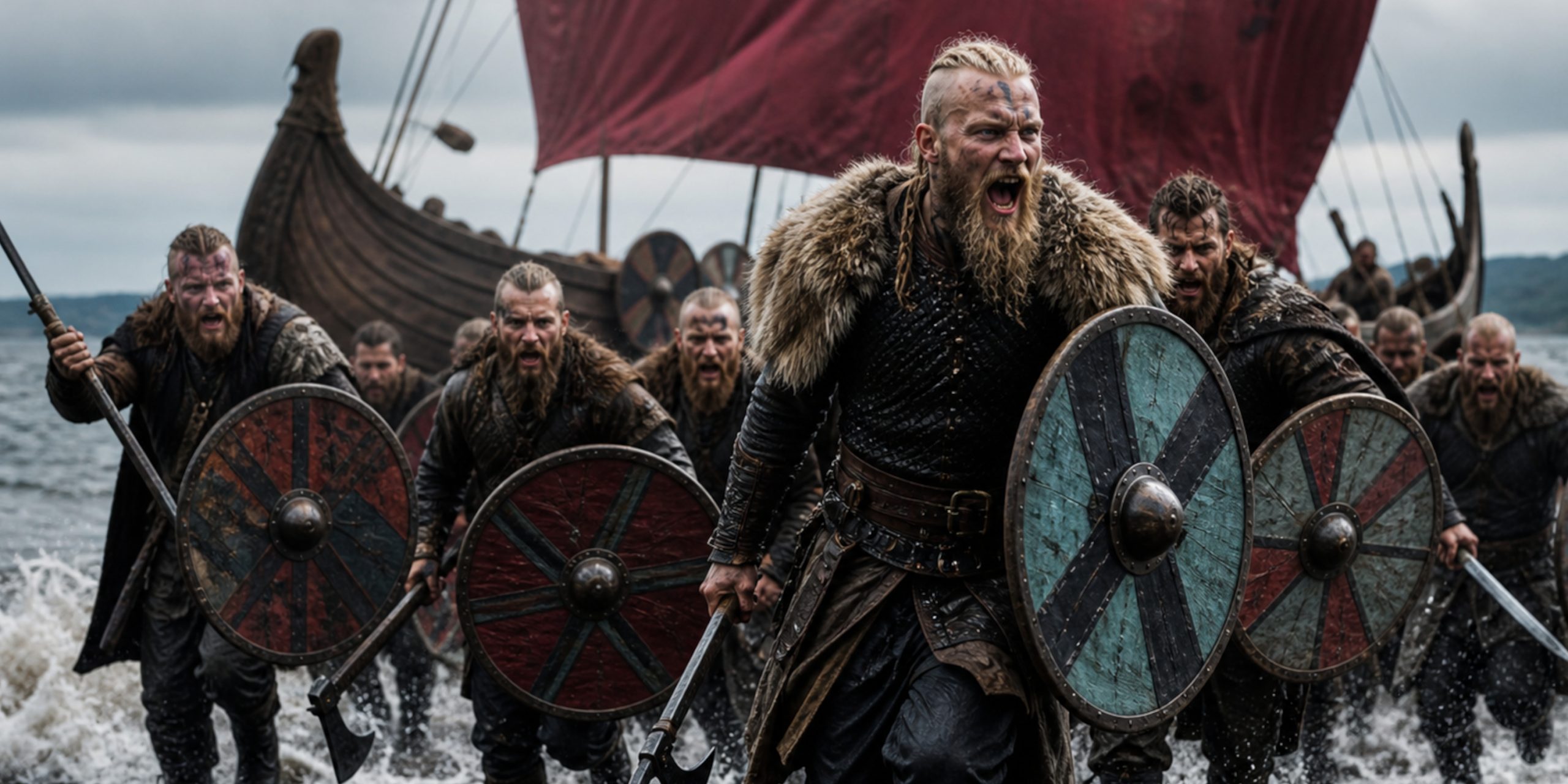
There is something oddly persistent about the Viking image. Horned helmets, wild screaming charges, a sort of cheerful disregard for hygiene. It is all very dramatic, and very wrong. The real story is quieter in places, more complex in others, and occasionally far more interesting than the myths we have grown comfortable with.
Let me walk you through a few of the usual misunderstandings, the kind that refuse to go away no matter how often historians try to tidy them up.
They Wore Horned Helmets
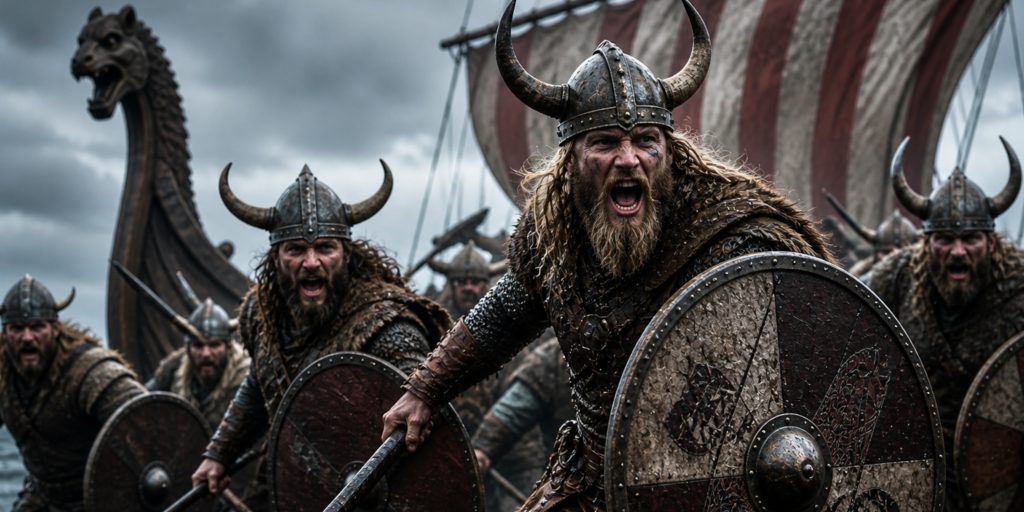
This one simply refuses to die.
There is no credible archaeological evidence that Viking warriors wore horned helmets in battle. Actual surviving helmets, such as those from Gjermundbu, are practical, rounded, and designed to keep the skull intact rather than snag on the nearest opponent.
The horned version comes much later, largely from 19th century artistic imagination and opera costumes. It looks striking on stage. It would be an absolute liability in a shield wall.
Vikings Were Just Brutal Raiders
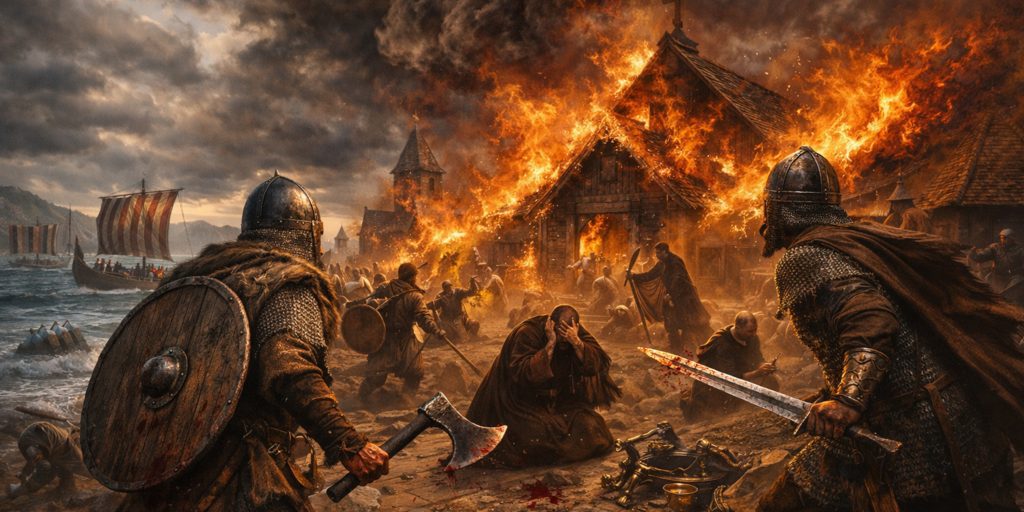
They did raid, quite effectively in fact, but that is only part of the picture.
Vikings were also traders, settlers, and explorers. They established long lasting communities across the British Isles, in Normandy, and as far east as the rivers of modern Russia. Some even reached North America centuries before Columbus.
A man could be a raider one season and a merchant the next. It was less an identity and more a set of opportunities.
Vikings Were Filthy and Uncivilised
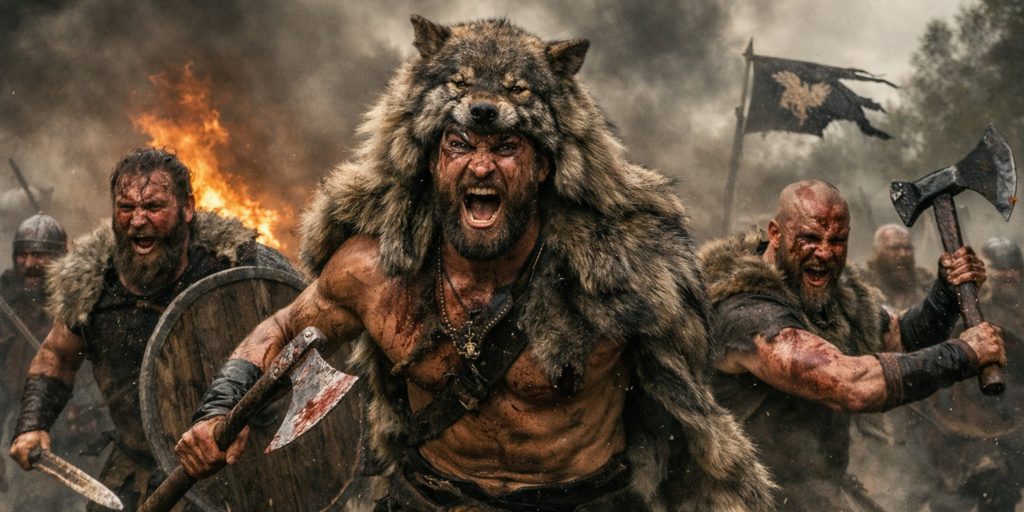
Quite the opposite, which I admit is mildly disappointing if you enjoy the mud covered barbarian aesthetic.
Archaeological finds show grooming tools such as combs, tweezers, and ear cleaners. Contemporary accounts from England even complain that Viking men bathed too often and paid too much attention to their appearance, which made them rather popular with local women.
It seems personal hygiene was not their weak point.
All Vikings Were Scandinavian Warriors
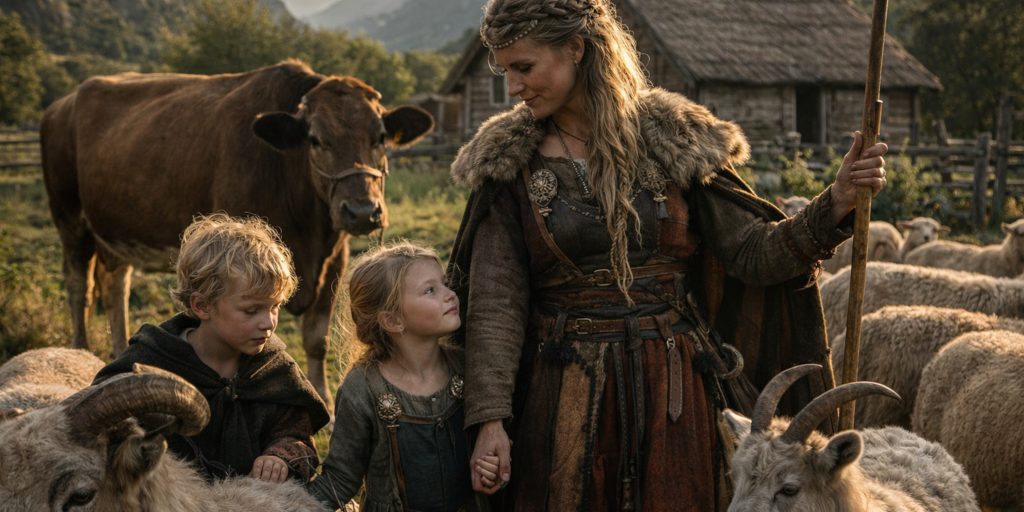
The term “Viking” is better understood as an activity than a fixed identity.
Not every Scandinavian went raiding, and not everyone involved in Viking expeditions was Scandinavian. Crews could be mixed, drawn from different regions, especially as settlements expanded.
Most people in Scandinavia were farmers. They were concerned with crops, livestock, and surviving winter, not sailing off in search of glory.
Vikings Only Fought with Axes
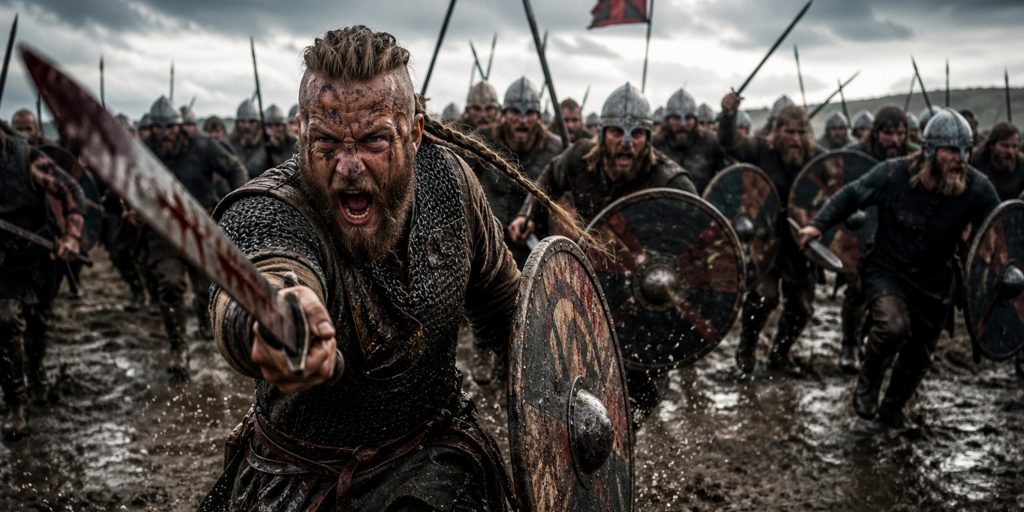
Axes were common, yes, but the idea that they were the only weapon is misleading.
Viking warriors used a range of arms, including:
- Swords, often pattern welded and highly valued
- Spears, which were probably the most common battlefield weapon
- Seaxes, long knives used as sidearms
- Bows, particularly for ranged fighting
The sword in particular carried status. Owning one was not just practical, it was a statement.
Viking Society Was Lawless
It may look chaotic from the outside, but Viking societies had structured legal systems.
Assemblies known as “things” acted as courts where disputes were settled and laws were recited. These gatherings were central to maintaining order. Justice could be harsh, but it was not arbitrary.
Exile, fines, and compensation were common outcomes. Endless blood feuds were not ideal for anyone trying to keep a farm running.
Vikings Were All Pagan Fanatics
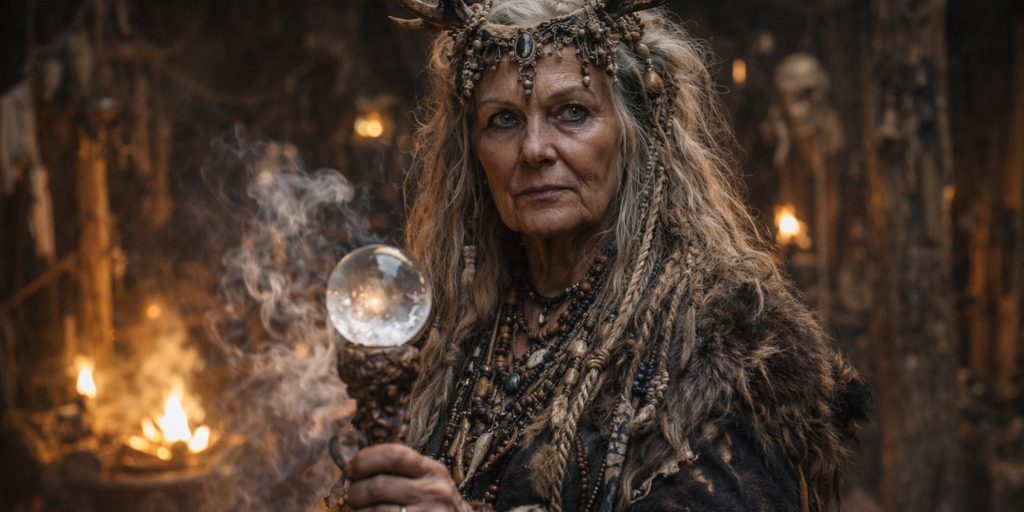
Early Viking society was indeed pagan, with a rich belief system centred on gods like Odin and Thor. Yet this did not remain static.
Over time, many Vikings converted to Christianity, particularly as they settled in Christian lands. By the late Viking Age, large parts of Scandinavia were officially Christian.
Religion, much like everything else in this period, was adaptable.
Viking Women Had No Power
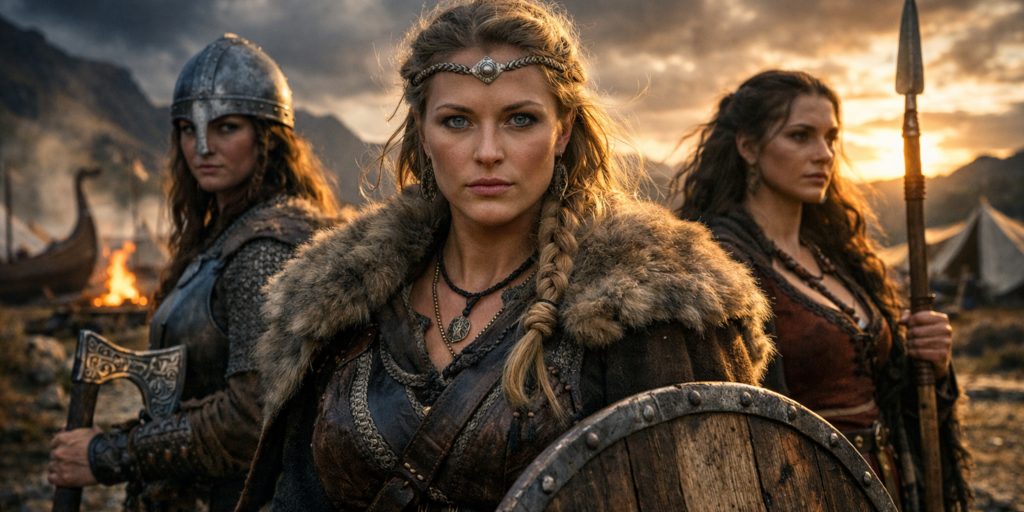
This one always makes me pause, because it says more about modern assumptions than it does about the past.
Women in Viking society could own property, initiate divorce, and manage households in the absence of men. Some were clearly influential figures.
There is ongoing debate about female warriors, with intriguing evidence such as high status graves that may belong to women who held martial roles. The picture is still forming, but it is far from passive.
Vikings Were Exceptionally Tall and Strong
They were not giants. Skeletal evidence suggests they were, on average, shorter than many modern populations.
They were certainly hardy, used to physical labour and harsh climates, but not superhuman. Their success came more from organisation, mobility, and adaptability than sheer size.
It is slightly less cinematic, but much more convincing.
The Viking Age Ended Suddenly
History rarely offers neat endings.
The Viking Age did not collapse overnight. It faded as political structures strengthened in Europe, trade routes shifted, and Scandinavian kingdoms centralised power. Raiding became less profitable and more risky.
By the 11th century, the world that had produced Viking expeditions had changed. The people remained, of course, but their role in Europe evolved.
Takeaway
If there is one thing to take away, it is that Vikings were not a single, simple idea. They were farmers, traders, raiders, lawmakers, explorers, and occasionally rather well groomed opportunists.
The popular image is loud and dramatic. The reality is more layered, and in my view, far more human. I suspect that is why it continues to draw us in, even when we get half of it wrong.