Bertrand du Guesclin’s Winter Blow Against the English
The Battle of Pontvallain, fought in December 1370 during the later phase of the Hundred Years’ War, marked a decisive turning point in the struggle between England and France. By this stage the once dazzling English dominance established by Edward III and the Black Prince had begun to falter. Garrisons were overstretched, the treasury groaned, and the French had rediscovered something they had briefly mislaid at Crécy and Poitiers: patience.
Pontvallain was not a grand set piece battle with carefully drawn lines and heraldic banners fluttering in the breeze. It was something far more unsettling for the English. Bertrand du Guesclin, the newly appointed Constable of France, unleashed a brutal winter campaign against an English raiding army that had spread itself too thin across Maine and Anjou.
The result was a series of sharp attacks culminating in the destruction of the English forces near Pontvallain. The engagement demonstrated the effectiveness of the French Fabian strategy adopted under Charles V. Rather than seeking glory in pitched battles, the French preferred harassment, attrition and sudden violence when opportunity appeared.
Pontvallain was one such opportunity, and du Guesclin did not miss it.
Background to the Campaign
By 1370 the strategic picture of the Hundred Years’ War had shifted dramatically. King Charles V of France had adopted a cautious and methodical approach that contrasted sharply with the chivalric showdowns favoured earlier in the war.
The English relied heavily on mounted raids known as chevauchées. These expeditions devastated the countryside and forced the French to defend wide territories. Yet they also carried risks. If the raiding force became isolated, the consequences could be severe.
In late 1370 an English army under Sir Robert Knolles marched through northern France with several thousand troops. The army split into smaller columns in order to cover more ground and gather plunder. It was a profitable tactic in the short term. Strategically, it was reckless.
Du Guesclin saw the opening immediately.
Forces
Precise numbers are difficult to establish, which is hardly surprising given the medieval fondness for exaggeration. Most historians agree the English forces in the region numbered between 4,000 and 6,000 men, though these were divided into separate contingents.
The French gathered several thousand troops drawn from royal forces and regional levies.
| Side | Estimated Strength | Composition |
|---|---|---|
| Kingdom of France | 4,000 to 5,000 | Knights, men at arms, crossbowmen, infantry |
| Kingdom of England | 4,000 to 6,000 (divided forces) | Longbowmen, men at arms, mounted troops |
The fragmentation of the English army proved fatal.
Arms and Armour
Leaders and Troop Composition
| Side | Commander | Key Troops |
|---|---|---|
| France | Bertrand du Guesclin | Breton knights, French men at arms, Genoese crossbowmen |
| England | Sir Robert Knolles | English longbowmen, mounted men at arms |
Typical Weapons Used
French Forces
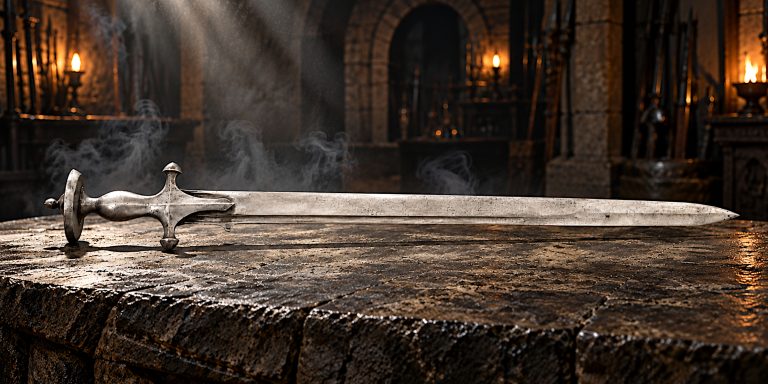
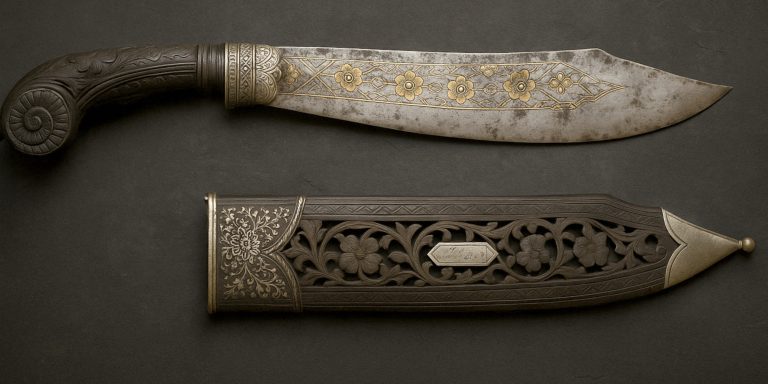
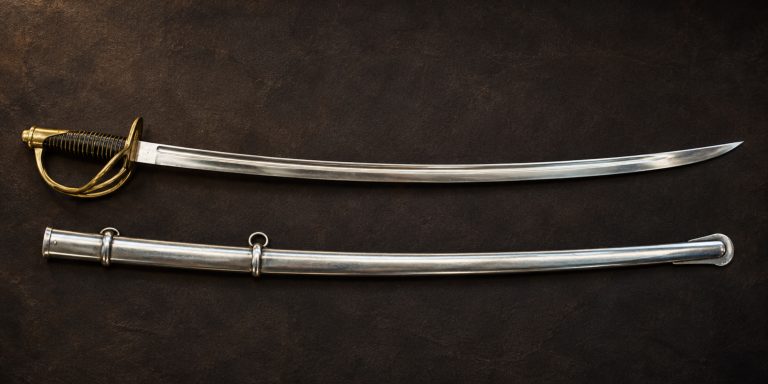
- Arming swords similar to Oakeshott Type XV and XVIII blades
- Lances used by mounted knights
- Maces and war hammers for armoured combat
- Crossbows, often Genoese in origin
- Polearms including glaives and bills
English Forces
- Longbows with bodkin arrows capable of piercing mail and lighter plate
- Knightly arming swords comparable to Oakeshott Type XIV and XV
- Daggers such as rondel daggers for close fighting
- Spears and polearms carried by infantry
Armour
Typical equipment of the period included:
- Plate reinforced mail hauberks
- Bascinet helmets with visors
- Brigandines worn by infantry and lesser men at arms
- Kite or heater shields gradually falling out of favour among heavy cavalry
The late fourteenth century was a transitional era in armour development. Plate protection increased steadily, while swords evolved into stiffer thrusting weapons capable of exploiting gaps in armour.
A historian cannot help but note the irony. The technology of survival was improving, yet the chances of surviving a battlefield ambush were still depressingly slim.
The Battle
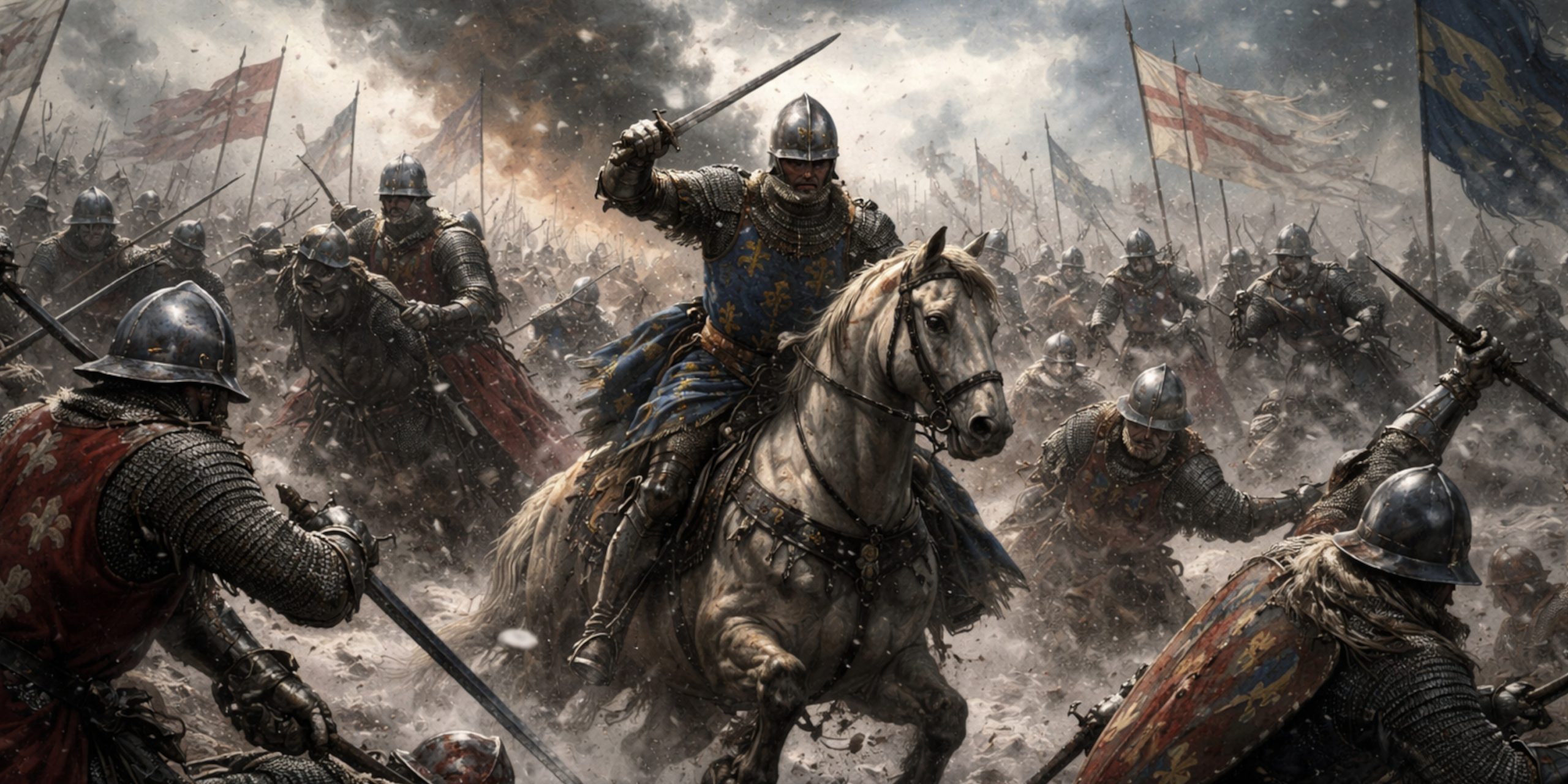
The campaign that culminated at Pontvallain unfolded as a sequence of aggressive French strikes rather than a single clash.
Du Guesclin gathered his forces quietly and moved rapidly against isolated English detachments. One contingent commanded by Sir Thomas Grandison was caught near Pontvallain.
French cavalry struck swiftly. The English attempted to regroup but lacked the cohesion that had made earlier English armies so formidable.
Instead of the disciplined defensive formations seen at Crécy or Poitiers, the English found themselves attacked from multiple directions.
French knights pressed the attack relentlessly. Crossbowmen supported the advance while mounted troops cut down stragglers attempting to escape.
The English position collapsed with alarming speed.
Knolles himself managed to escape with part of his force, though the wider campaign was effectively ruined.
Battle Timeline
| Date | Event |
|---|---|
| Late 1370 | English chevauchée enters Maine and Anjou |
| December 1370 | English army divides into separate raiding groups |
| Early December | Bertrand du Guesclin concentrates French forces |
| 4 December 1370 | French forces attack isolated English troops near Pontvallain |
| Following days | Several English contingents destroyed or scattered |
| Aftermath | English campaign collapses, French regain initiative in western France |
Archaeology
Pontvallain has not produced the dramatic archaeological discoveries seen at sites like Towton or Visby. Medieval battlefields rarely preserve neat evidence. Farmers plough the ground, metal corrodes, and centuries pass.
However several finds in the wider region suggest the presence of fourteenth century military activity.
Archaeological surveys and stray discoveries have uncovered:
- Iron arrowheads consistent with longbow and crossbow use
- Fragments of mail rings and armour fittings
- Horseshoe types associated with medieval cavalry
- Small coin hoards dating to the reign of Charles V
None of these artefacts alone proves the exact site of the clash, yet together they support the historical record of intense military activity across the region during the winter campaign.
As is often the case with medieval battlefields, the written chronicles provide clearer evidence than the soil.
Contemporary Accounts
Medieval chroniclers recorded the French success with some enthusiasm.
The chronicler Jean Froissart wrote of the campaign:
“The French assembled secretly and fell upon the English suddenly, slaying many and scattering the rest.”
Another account notes the speed of the French attack:
“They came upon them so fiercely that the English could not gather themselves.”
Such passages should be read with caution. Medieval writers enjoyed drama almost as much as modern historians. Still, the core message appears reliable. The English were surprised and overwhelmed.
Legacy
The Battle of Pontvallain did not have the scale of Crécy or Agincourt, yet its importance was considerable.
The battle illustrated several broader developments in the Hundred Years’ War:
- The effectiveness of Charles V’s cautious strategy
- The growing reputation of Bertrand du Guesclin as France’s finest commander
- The vulnerability of English raiding armies when divided
Following Pontvallain, French forces steadily recovered territory lost earlier in the war. Fortresses were retaken and English influence in western France weakened.
Du Guesclin himself emerged as one of the most capable commanders of the medieval world. His methods lacked the theatrical brilliance of the Black Prince, yet they worked.
History is not always written by the boldest generals. Sometimes it favours the patient ones who choose their moment carefully and strike with unpleasant efficiency.
Pontvallain was exactly that sort of moment.