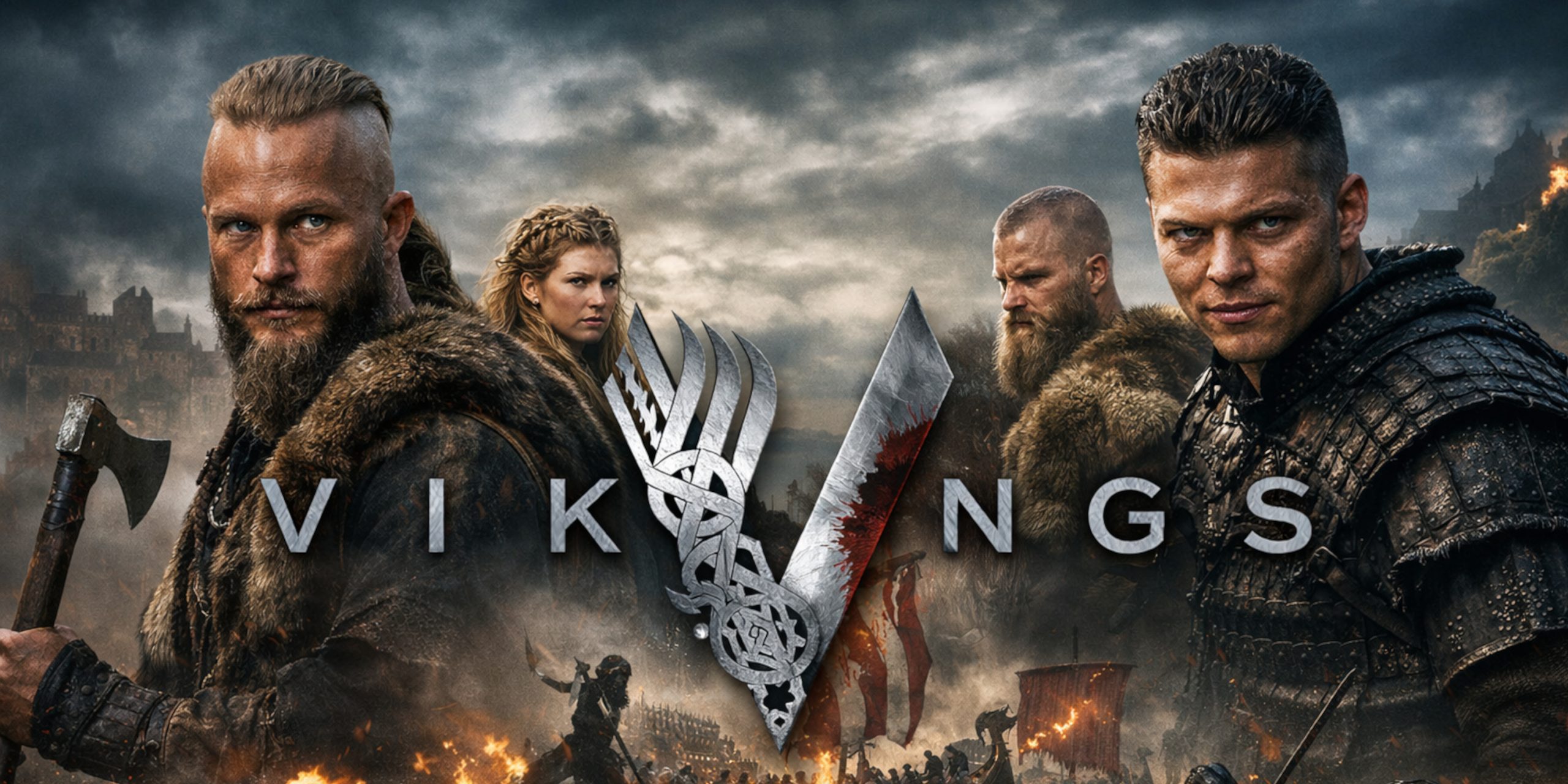
There is something oddly comforting about watching Vikings completely ignore logic when it feels dramatic enough.
This is a show where monks become warriors, kingdoms collapse over breakfast conversations, and people survive wounds that would absolutely end most human beings. Yet somehow it still works. Mostly. Michael Hirst built a series that thrived on atmosphere, charisma, and emotional momentum. Historical accuracy occasionally wandered off into the woods and never came back, but viewers often forgave it because the show looked incredible and Ragnar Lothbrok could probably convince audiences the moon was made of shields.
Still, some plot holes continue to haunt discussions years later. These are the moments fans still pause, rewind, argue over online, and occasionally yell at the television about.
Ragnar’s Timeline Makes Absolutely No Sense
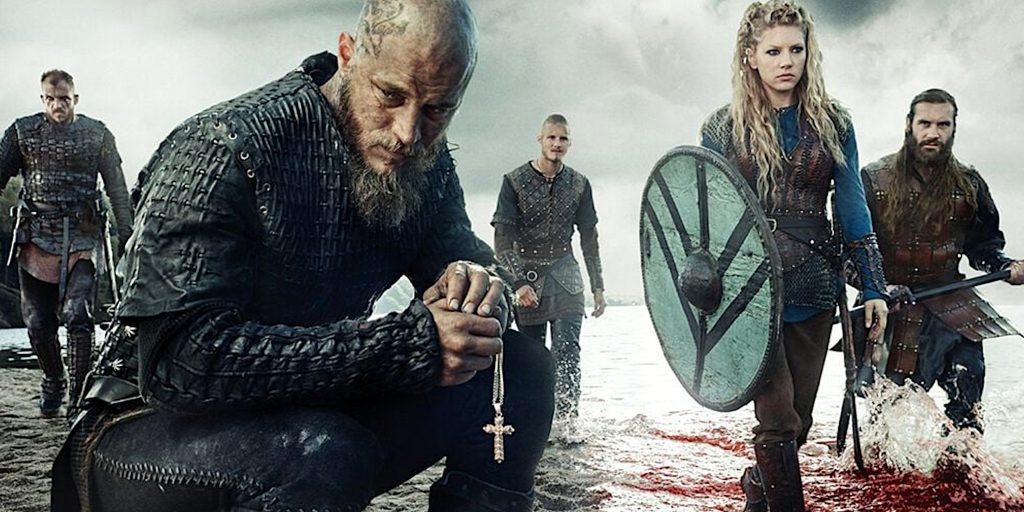
The biggest issue in Vikings is time itself.
At first, the show feels relatively grounded. Ragnar begins as a young farmer with small children. Then suddenly entire decades seem to pass between episodes without warning. Bjorn goes from awkward teenager to fully grown warlord at the speed of a long weekend.
Meanwhile, Ragnar somehow appears to age about seven years across what should realistically be several decades.
The timeline becomes even stranger once characters who should be elderly continue charging into battle like men in their late thirties. Lagertha is perhaps the greatest example. By the final seasons she should theoretically be well into old age, yet she still fights like someone fuelled entirely by revenge and upper-body strength.
Fans have tried mapping the chronology online for years. It usually ends with headaches and existential despair.
Paris Somehow Forgets the Vikings Exist
The siege of Paris is one of the series’ visual high points. Massive battles, Ragnar’s fake death, flaming chaos everywhere. It feels enormous.
Which makes it slightly bizarre that the Franks later seem caught off guard by Viking attacks again.
After surviving repeated invasions and witnessing Ragnar essentially turn the city into a medieval nightmare, you would expect permanent coastal defences, constant military readiness, and perhaps a giant sign reading “DO NOT TRUST SCANDINAVIANS.”
Instead, Viking forces continue appearing with suspicious ease.
Historically, Viking raids absolutely continued across Europe, but the show often treats each invasion as though everyone collectively forgot the last one happened.
Floki Survives Situations That Should Kill Him Repeatedly

Floki operates on entirely different laws of physics.
The man survives shipwrecks, brutal punishment, exposure, cave collapses, and emotional instability levels that would concern a professional therapist. At one point he is trapped inside a volcanic cave in Iceland that literally collapses around him.
Then he just returns later.
No explanation. No real detail. He simply wanders back into the narrative looking slightly dusty.
Even for a series that leans heavily into mysticism, this moment pushed some viewers into “right then” territory.
Rollo’s Loyalty Changes Every Twelve Minutes
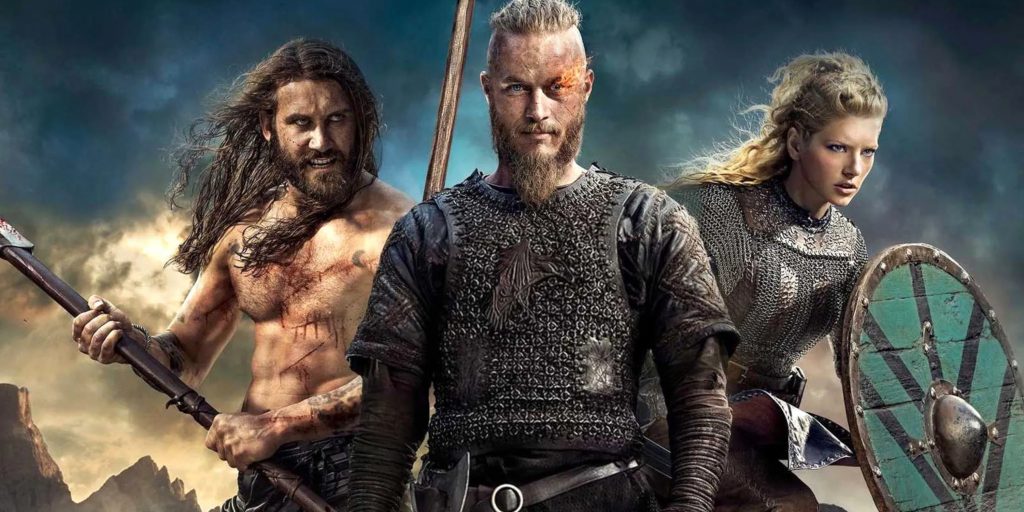
Rollo betraying Ragnar is not a plot hole by itself. In fact, it becomes one of the show’s defining themes.
The problem is how often his motivations completely reset.
One season he desperately wants Ragnar’s approval. Then he hates him. Then he loves him again. Then he joins the Franks. Then he feels guilty. Then ambitious. Then emotional. Then threatening. Then oddly supportive.
There are moments where Rollo feels less like a character and more like a spinning wheel writers used whenever they needed tension.
Clive Standen somehow makes it work through sheer intensity, but fans still debate whether Rollo’s arc was brilliantly tragic or just wildly inconsistent.
Probably both.
Kattegat’s Geography Becomes Magical
Kattegat gradually transforms from a modest Scandinavian settlement into the centre of the known universe.
Everybody can apparently reach it quickly. Armies arrive without logistical difficulty. Political news spreads at supernatural speed. Entire fleets materialise exactly when required.
Its location also seems to drift depending on the plot.
Historically, Kattegat is actually a sea area between Denmark and Sweden, not a single town. The series turns it into a mythical political capital that somehow functions as all of Scandinavia at once.
By the later seasons, invading Kattegat feels about as easy as ordering takeaway.
The Athelstan Problem
Athelstan is one of the best characters in the entire show. His friendship with Ragnar gives Vikings much of its emotional depth.
But his influence becomes strange after his death.
Ragnar’s obsession with Athelstan shapes nearly every major decision he makes afterward, which makes emotional sense. Yet the series occasionally treats Athelstan almost like a supernatural force quietly controlling events from beyond the grave.
Characters who barely interacted with him speak about him with near-mystical reverence. His memory hangs over entire wars. Even Ecbert appears weirdly enchanted by him.
At times it feels less like grief and more like the writers realised Travis Fimmel and George Blagden together created television gold and never emotionally recovered from ending it.
Honestly, fair enough.
Ivar’s Battle Strategies Become Ridiculous
Ivar the Boneless is portrayed as a tactical genius. That part works well early on because his strategies feel clever rather than magical.
Later, though, some battles become difficult to take seriously.
He predicts enemy movements with impossible precision. Massive armies walk directly into obvious traps repeatedly. Opponents who were previously competent suddenly forget basic military logic whenever Ivar needs a dramatic victory.
The Battle of York especially raised eyebrows among viewers because everyone involved behaves like they collectively misplaced common sense before arriving.
Historically inspired drama always bends reality a little, but Vikings occasionally bends it into a pretzel.
Bjorn’s Travel Speed Is Completely Absurd
Bjorn Ironside spends later seasons travelling across enormous distances at almost supernatural speed.
One episode places him deep in the Mediterranean. Shortly after, he is back in Scandinavia managing political crises like he caught a particularly efficient ferry.
Travel in Vikings becomes increasingly compressed as the series grows larger in scope. Characters cross continents between episodes with barely any sense of time passing.
This is admittedly common in historical television. Game of Thrones developed the same issue during later seasons, where characters seemed to unlock fast travel like a video game mechanic.
Still, Bjorn’s journeys remain legendary among fans for how aggressively the show ignored geography.
Lagertha’s Survival Record Borders on Comedy

Lagertha is fantastic. Katheryn Winnick carries entire seasons through charisma alone.
But eventually the show starts treating her as practically immortal.
She survives countless battles, political betrayals, ambushes, personal losses, and severe injuries while many younger warriors drop instantly around her. Even when outnumbered, exhausted, or cornered, Lagertha somehow finds a way through.
Fans joke that Odin himself must have looked at her combat record and decided not to interfere.
To be fair, the series clearly understood she was beloved by audiences. Killing her too early would probably have caused riots across several countries.
The Gods Only Intervene When Convenient
One of the most fascinating parts of Vikings is its ambiguity around religion.
Are the Norse gods real? Are visions symbolic? Is Christianity equally valid? The show usually handles this uncertainty quite well.
Until it suddenly does not.
Sometimes visions predict events with eerie precision. Other times prophecies become vague enough to mean basically anything. Seers appear all-knowing one week and oddly useless the next.
The supernatural rules shift depending on dramatic needs.
Fans still debate whether this inconsistency was intentional ambiguity or simply the writers changing direction midstream.
Possibly a bit of both again.
Ragnar’s Return to Kattegat Should Have Been Impossible
When Ragnar returns after years away, he arrives as a broken, isolated figure. It is one of Travis Fimmel’s best performances.
But logistically, his comeback raises questions.
He somehow reappears with enough resources to launch another voyage to England despite being politically disgraced, physically weakened, and widely distrusted. He gathers followers surprisingly quickly considering most people previously seemed furious with him.
Emotionally, the storyline works brilliantly.
Practically, it feels held together by Ragnar’s ability to stare intensely into the distance while everyone forgets sensible objections.
Which, to be fair, was sort of his superpower from the start.
Takeaway
Despite all its plot holes, Vikings remains incredibly watchable television.
The show succeeds because it understands mood better than most historical dramas. The atmosphere, music, performances, and sheer mythic energy carry viewers through moments that make absolutely no logical sense once you think about them for more than thirty seconds.
And honestly, fans still debating these inconsistencies years later probably says something positive about the series. Nobody passionately argues over plot holes in forgettable television.
Besides, if Vikings were perfectly realistic, half the cast would die from infected wounds after episode three and the rest would spend winter arguing over fish supplies.
Not quite as cinematic, admittedly.