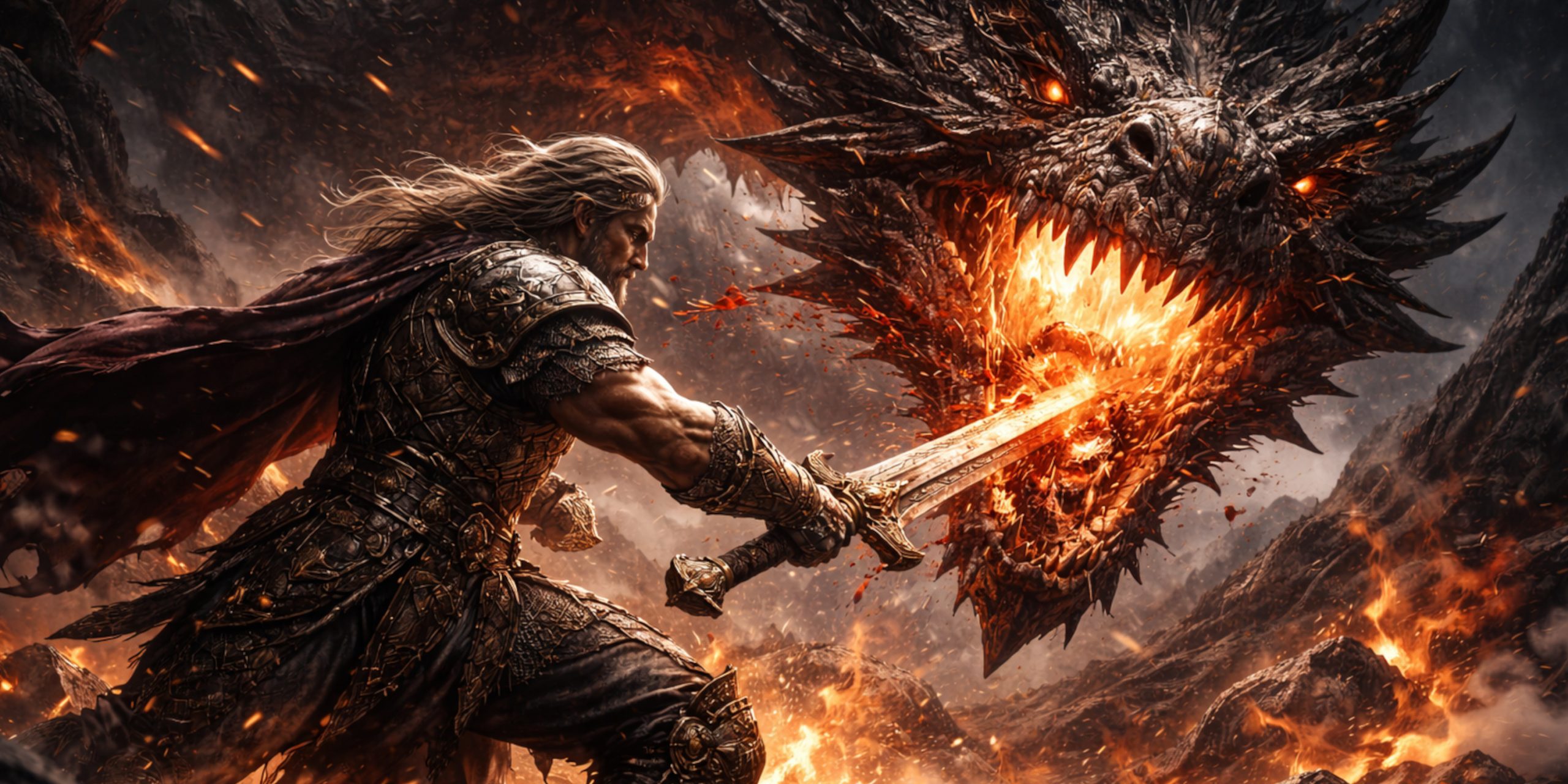
In Norse mythology, a sword was rarely just sharpened metal. A blade could carry a curse, decide a family’s fate, kill a monster, or cause several generations of trouble before anyone thought putting it down might be wise.
These weapons appear throughout the Poetic Edda, Prose Edda, and Icelandic legendary sagas. They reflect a world where swords represented ancestry, honour and reputation. In the Viking Age, owning a finely made sword was already a sign of status, so it is no surprise that storytellers transformed exceptional blades into objects of supernatural importance.
Many Norse legendary swords share a familiar pattern. They offer incredible power, but almost always demand something in return.
Why Swords Were So Important In Norse Culture
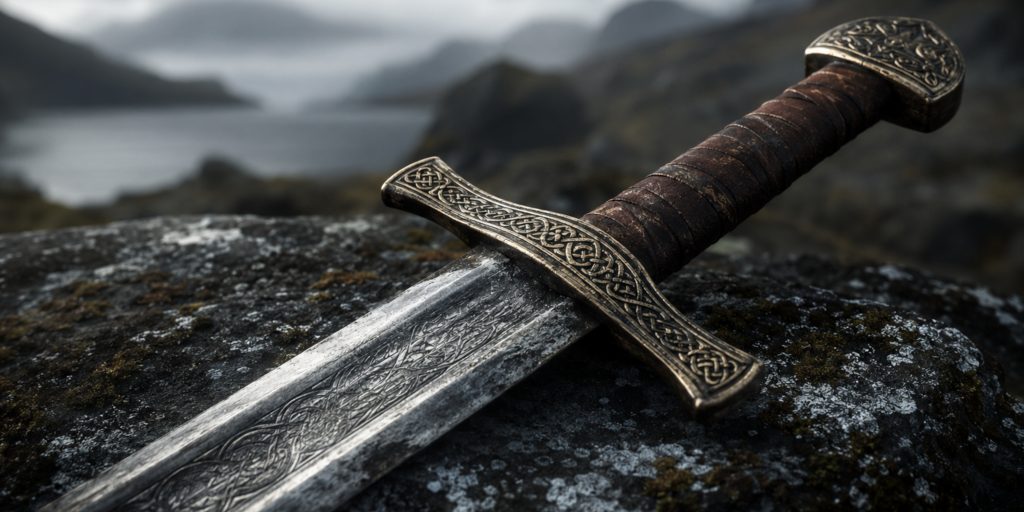
Although modern imagination often gives every Viking warrior a sword, reality was different. A quality sword required skilled smithing, valuable materials and considerable wealth. Spears and axes were far more common.
A sword represented:
- Family heritage
- Wealth and status
- Military reputation
- Personal identity
- A connection to previous generations
Some real Viking Age swords were named, decorated and passed down through families. Myth simply pushed this idea further until weapons had personalities and destinies of their own.
Famous Swords From Norse Mythology And Germanic Legend
Gram: The Sword That Killed Fafnir
Owner: Sigurd
Sources: Völsunga Saga, Poetic Edda
Associated with: Dragon slaying, destiny, heroic tragedy
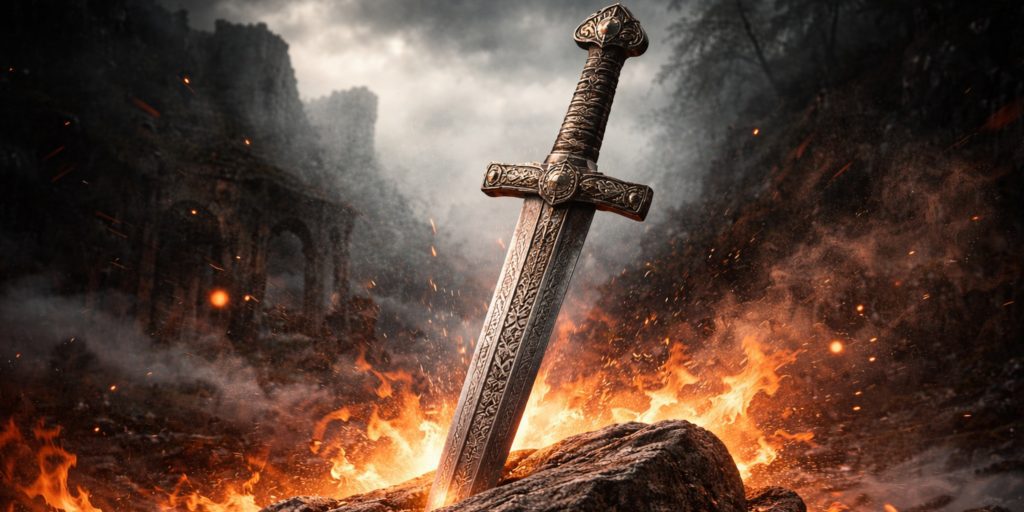
Gram is arguably the greatest sword in Norse heroic tradition.
According to the Völsunga Saga, Odin thrusts a mysterious sword into the tree Barnstokkr during a feast. Only Sigmund can remove it, proving himself worthy of the weapon.
After the sword is broken, the fragments are later reforged for his son Sigurd. The restored Gram becomes a weapon of incredible sharpness, and Sigurd uses it to kill the dragon Fafnir.
Gram represents:
- Inherited greatness
- Divine involvement
- Heroic ambition
- The unavoidable pull of fate
Its story strongly influenced later fantasy traditions, especially the image of a broken ancestral sword being reforged.
Tyrfing: The Perfect Sword With The Worst Terms And Conditions
Owners: Svafriami, Angantyr and descendants
Source: Hervarar Saga
Associated with: Curses, fate, family tragedy
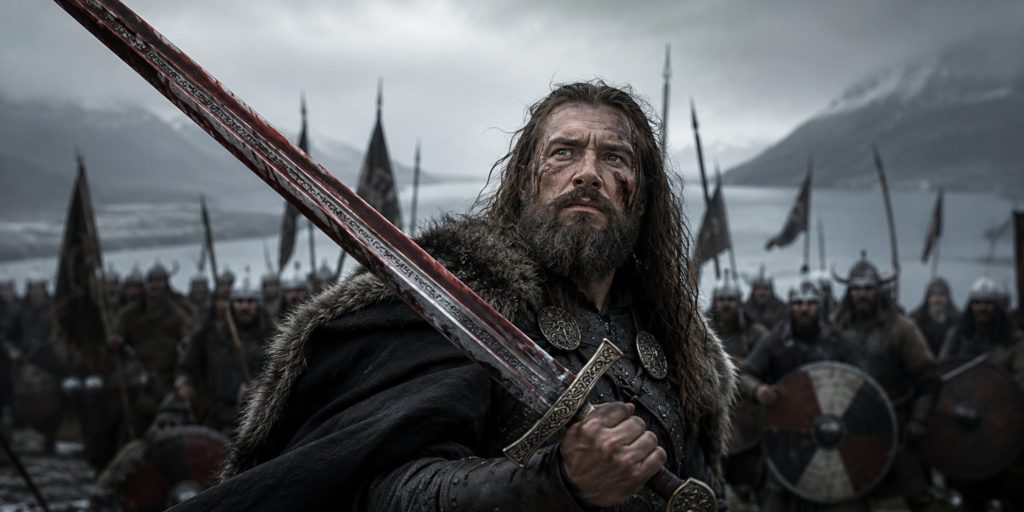
Tyrfing is one of mythology’s great examples of being careful what you ask for.
King Svafriami forces the dwarves Dvalinn and Durin to forge him the greatest sword ever created. They obey, but add several unfortunate conditions.
Tyrfing would:
- Never miss a strike
- Never rust
- Cut through almost anything
- Kill someone whenever drawn
- Bring about three great tragedies
On paper, it is a masterpiece. In practice, it is exactly the kind of magical object you should read the small print on.
The sword passes between generations, bringing victory but leaving destruction behind.
Skofnung: The Sword Of The Legendary King Hrólfr Kraki
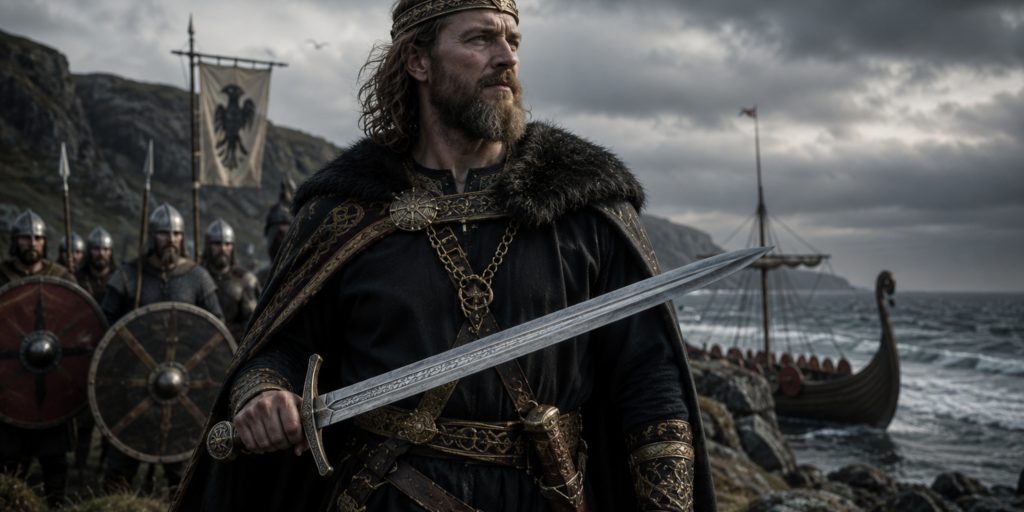
Owner: Hrólfr Kraki
Sources: Hrólfs Saga Kraka, Kormáks Saga
Associated with: Kingship, warriors, supernatural power
Skofnung was the legendary sword of the Danish king Hrólfr Kraki, one of the greatest heroes of Scandinavian saga tradition.
The weapon was famous for its sharpness and strength. Later legends claimed the spirits of Hrólfr’s twelve berserker warriors were connected to the blade.
Skofnung was said to:
- Possess incredible cutting ability
- Carry supernatural qualities
- Hold the strength of past warriors
- Require careful handling due to various taboos
The sword later appears in Kormáks Saga, where it is treated almost like a sacred relic rather than a normal weapon.
Skofnung captures a major theme of Norse storytelling: a sword was never only about the warrior holding it. It carried everyone who came before.
Hofund: Heimdall’s Sword And The Guardian Blade Of Asgard
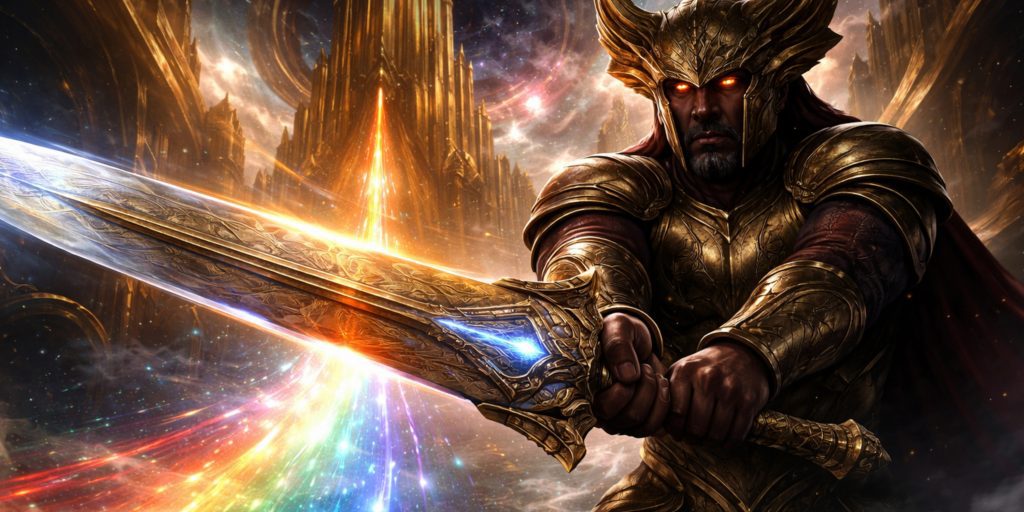
Owner: Heimdall
Sources: Prose Edda
Associated with: The Bifröst, protection, Ragnarök
Hofund (Hǫfuð) belongs to Heimdall, the watchman of the gods.
Heimdall guards the Bifröst bridge connecting Asgard with the other realms. His sword reflects his role as protector rather than conqueror.
Unlike cursed weapons such as Tyrfing or Dáinsleif, Hofund is unusual because disaster does not follow every person who touches it. In Norse mythology, that almost feels suspicious.
The sword represents:
- Defence of Asgard
- Divine duty
- Watchfulness
- The final battle of Ragnarök
At Ragnarök, Heimdall and Loki are destined to kill each other, making Hofund one of the weapons associated with the end of the gods.
Dáinsleif: The Sword That Needed Blood
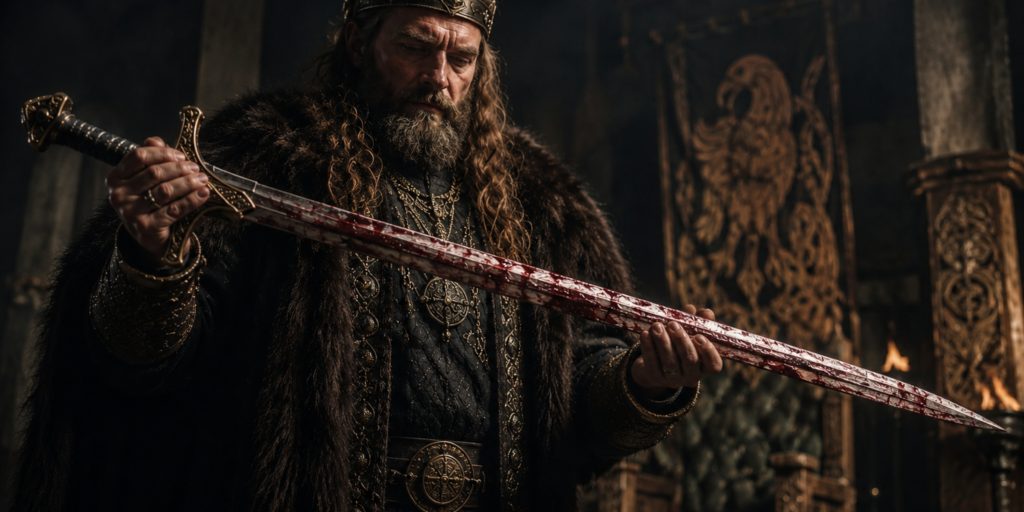
Owner: King Högni
Source: Prose Edda
Associated with: Endless battle
Dáinsleif was forged by the dwarf Dáinn and carried by King Högni.
The blade had terrifying magical properties:
- Any wound it caused would never heal
- It always killed once drawn
- It could not return to its scabbard without taking a life
It appears in the story of the endless battle between Högni and Heðinn, where fallen warriors rise again to continue fighting.
Dáinsleif represents the darker side of heroic culture: the search for glory becoming impossible to escape.
Balmung: Siegfried’s Legendary Dragon Sword
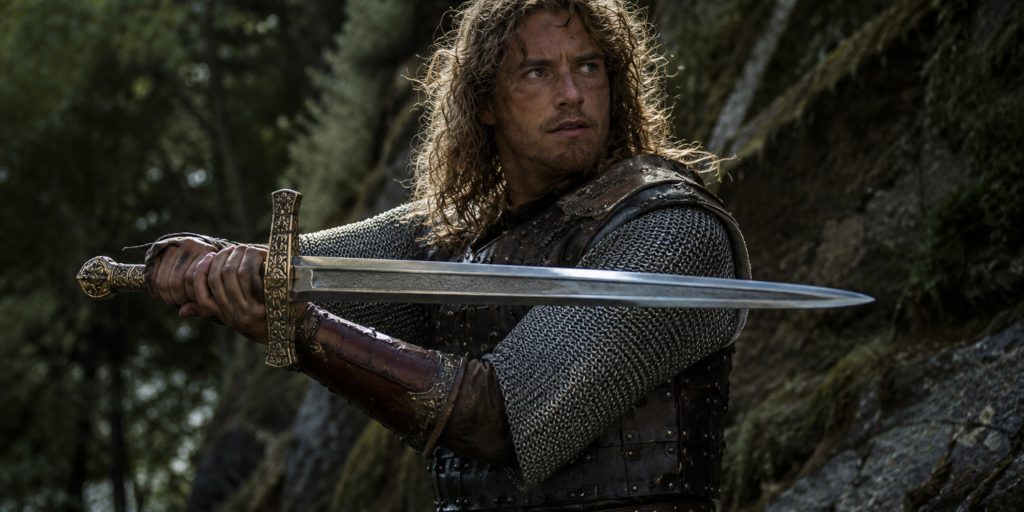
Owner: Siegfried
Sources: Nibelungenlied and Germanic heroic tradition
Associated with: Dragons, betrayal, heroic destiny
Balmung technically belongs more to Germanic heroic legend than Old Norse mythology, but it shares deep roots with the same storytelling world.
The German hero Siegfried is closely related to the Norse hero Sigurd. Their stories evolved from connected traditions, meaning Balmung and Gram are effectively legendary relatives.
Balmung symbolises:
- Heroic identity
- Victory over monsters
- The dangers of fame
Like many great legendary swords, possession of Balmung does not guarantee happiness. Medieval heroes were remarkably good at gaining magical weapons and remarkably bad at avoiding tragedy afterwards.
Hrotti: A Sword From Fafnir’s Treasure
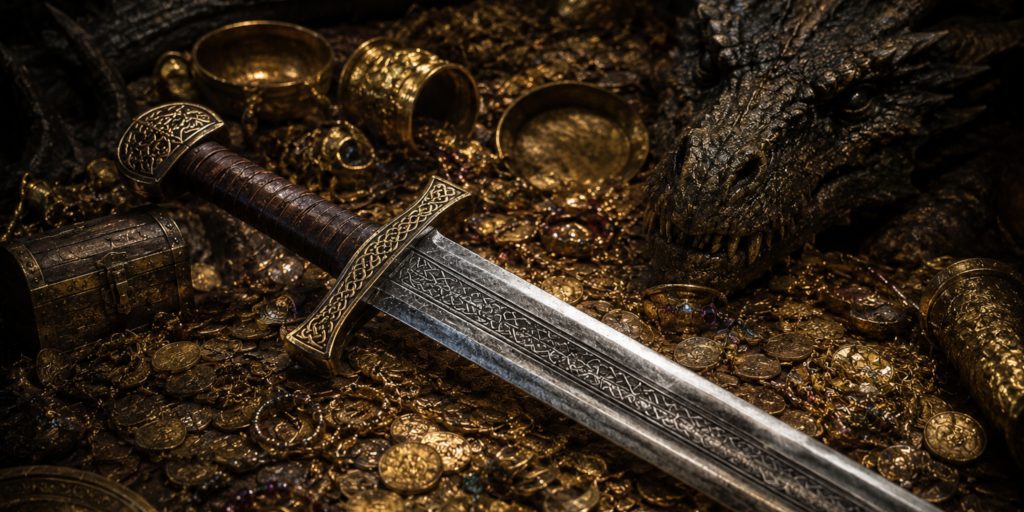
Owner: Fafnir, later Sigurd
Source: Völsunga tradition
Associated with: Dragon treasure
Hrotti is discovered among the treasures of the dragon Fafnir.
Although it receives less attention than Gram, its association with one of the greatest monsters in Norse legend gives it importance.
The surviving sources leave many questions unanswered, suggesting some stories surrounding these weapons may have disappeared over time.
Mistilteinn: The Sword Taken From The Undead
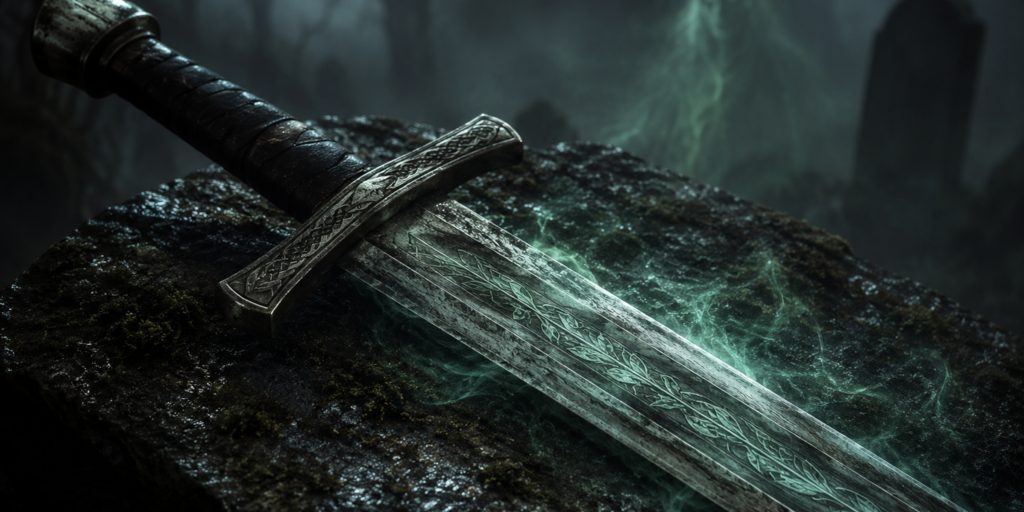
Owner: Hrómundr Gripsson
Source: Hrómundar Saga Gripssonar
Associated with: Tomb battles and supernatural enemies
Mistilteinn is taken after Hrómundr defeats the undead warrior Þráinn.
The saga includes burial mounds, magic and encounters with the dead. Apparently opening ancient graves in heroic sagas was considered adventurous rather than an obviously terrible idea.
Mistilteinn represents the connection between warriors, ancestors and hidden knowledge.
Lævateinn: The Mystery Weapon Of Norse Myth
Source: Poetic Edda
Associated with: Loki, magic, uncertainty
Lævateinn remains one of the most debated weapons from Norse tradition.
Some interpretations describe it as a sword, while others suggest it may have been another type of magical object.
The uncertainty itself is valuable. Norse mythology survives through incomplete medieval sources, and historians often have to work with fragments rather than complete answers.
Ridill: The Blade Used After Fafnir’s Death
Owner: Regin
Source: Völsunga Saga
Associated with: Dragon mythology
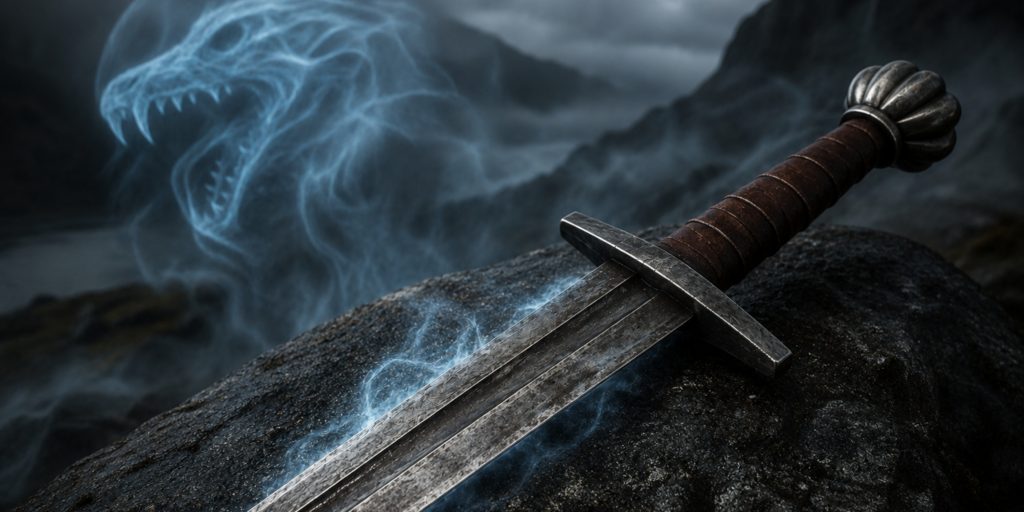
Ridill appears after Sigurd kills Fafnir.
Regin uses the sword to cut out the dragon’s heart, making it part of one of the most important moments in Norse heroic storytelling.
While less famous than Gram, Ridill shows how even secondary weapons could carry symbolic importance.
Legendary Norse Swords Compared
| Sword | Owner | Main Theme |
|---|---|---|
| Gram | Sigurd | Dragon slaying and destiny |
| Tyrfing | Angantyr’s line | Power and curses |
| Skofnung | Hrólfr Kraki | Kingship and legacy |
| Hofund | Heimdall | Protection and divine duty |
| Dáinsleif | Högni | Endless conflict |
| Balmung | Siegfried | Heroism and betrayal |
| Hrotti | Sigurd | Dragon treasure |
| Mistilteinn | Hrómundr | Supernatural battles |
| Lævateinn | Uncertain | Mystery and magic |
| Ridill | Regin | Transformation |
How These Swords Compare With Real Viking Blades
Real Viking Age swords were usually:
- Double-edged
- One-handed
- Around 70 to 90 cm in blade length
- Designed mainly for cutting
- Paired with a shield
Elite examples included pattern-welded blades and imported high-quality weapons.
While archaeology has yet to discover a dragon-slaying sword hidden in a burial mound, real Viking weapons could be beautifully made objects with names, histories and emotional value.
Legacy: Why Norse Swords Still Fascinate Us
The appeal of Norse legendary swords comes from their imperfections.
They are powerful, but dangerous. They create heroes, but they rarely create happy endings.
Gram, Tyrfing, Skofnung and the others survived because they tell stories about ambition, inheritance and the cost of power. The warriors eventually disappear, but the swords keep their names.