Sekiro: Shadows Die Twice has a reputation that almost feels mythical at this point. People talk about certain bosses like old war stories. Everyone remembers where they were when they first realised dodging everything like Dark Souls was not going to save them.
FromSoftware built Sekiro around precision, aggression and timing. You cannot grind your way into becoming massively overpowered. You cannot summon help. You cannot hide behind a giant shield. The game looks you directly in the eye and politely asks: “Have you considered getting better?”
These are the moments where Sekiro truly tests players, from legendary boss battles to areas that punish even tiny mistakes.
Genichiro Ashina: The Moment Sekiro Really Begins
Early Sekiro is basically a long training exercise leading towards Genichiro Ashina.
The rooftop duel at Ashina Castle is the moment many players realise they have misunderstood the game. Up until this point, you can survive by dodging, running away and waiting for openings. Genichiro does not allow that.
Why he is so difficult:
- Fast sword combinations force constant deflections
- His bow attacks punish players who create distance
- Thrust and sweep attacks require different reactions
- The lightning phase introduces another mechanic under pressure
The genius of this fight is that Genichiro is not unfair. He is a skill check. Once the combat rhythm clicks, many players go from barely surviving to wondering how they ever struggled.
It is one of gaming’s best “oh, I get it now” moments.
Guardian Ape: The Game Breaks Its Own Rules
The Guardian Ape fight feels like Sekiro temporarily turns into a horror game.
The first phase is chaotic. The ape throws itself around, grabs wildly and fights with the elegance of someone knocking over furniture while looking for their keys.
Then comes the famous twist.
You defeat it.
You relax.
Then it picks its own head up.
Fantastic.
The second phase completely changes the rhythm:
- Sword attacks replace animal aggression
- Terror damage becomes a major threat
- Different movement patterns force players to adapt
- Previous strategies stop working
Guardian Ape works because it attacks player confidence. You think you understand Sekiro, then a giant undead ape politely disagrees.
Lady Butterfly: The Early Game Wall
For many players, Lady Butterfly is their first proper nightmare.
Found in the Hirata Estate memory, she introduces a much faster style of combat than most early enemies.
The challenges include:
- Rapid aerial attacks
- Illusion summons
- Small punishment windows
- Heavy reliance on posture damage
Lady Butterfly teaches one of Sekiro’s most important lessons: hesitation loses fights.
Standing back and waiting usually makes things worse. Pressure, aggression and confidence are rewarded.
She is brutal, but she makes you a better player.
Great Shinobi Owl: Fighting Your Own Teacher
Owl is difficult because he fights dirty.
Most bosses challenge your sword skills. Owl challenges your habits.
He uses:
- Anti-healing bombs
- Smoke attacks
- Heavy posture damage
- Sudden counters
- Punishing movement reads
The story also adds weight. This is not some random monster blocking a doorway. It is Wolf fighting the man who trained him.
The uncomfortable part is obvious: everything annoying about Owl’s fighting style exists because he taught you.
A very proud parenting moment.
Owl (Father): The Ultimate Duel
The Hirata Estate version of Owl takes everything difficult about the first encounter and increases the pressure.
He hits harder, moves faster and gives fewer opportunities.
Major threats:
- Fire owl attacks
- Mikiri counter traps
- Huge posture pressure
- Aggressive sword exchanges
What makes Owl (Father) memorable is how fair it feels. When you lose, you usually know exactly why.
Unfortunately, knowing exactly why you got destroyed does not make walking back to the fight any less painful.
Demon of Hatred: A Dark Souls Boss Invades Sekiro
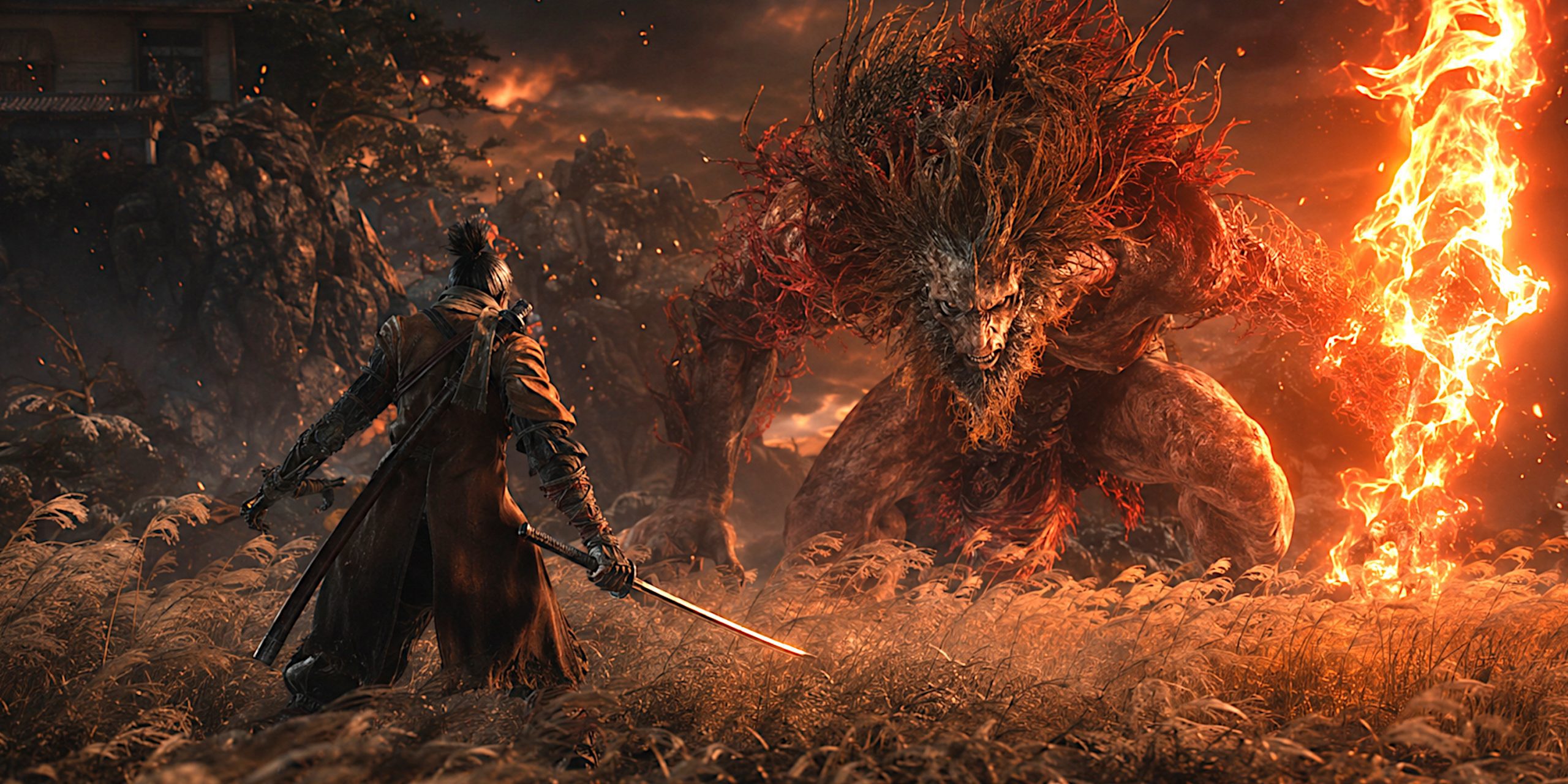
The Demon of Hatred feels intentionally different from almost everything else in the game.
Sekiro spends dozens of hours teaching players to stand close, deflect and attack. Then this enormous flaming creature arrives and suddenly spacing becomes vital.
Why players struggle:
- Massive health pool
- Fire damage through blocks
- Huge attack range
- Three demanding phases
- Limited room for mistakes
Some players love the fight. Others think it clashes with Sekiro’s combat system.
Either way, nobody forgets it.
Isshin, the Sword Saint: The Final Examination
The final battle against Isshin Ashina is not just a boss fight. It is Sekiro’s graduation exam.
The game asks one question:
Did you learn?
Isshin tests almost every mechanic:
- Sword deflection
- Mikiri counters
- Lightning reversal
- Aggression control
- Posture management
- Healing discipline
Across multiple phases he changes weapons, range and tempo. The spear phase alone has probably caused thousands of controllers to experience “unexpected flight”.
Yet Isshin is considered one of FromSoftware’s greatest bosses because victory feels earned. No shortcuts. No tricks. Just mastery.
The Headless Encounters: Fear as a Weapon
The Headless enemies are not necessarily the hardest fights mechanically, but they create a unique kind of stress.
They slow movement, create Terror buildup and make players feel strangely powerless.
Problems include:
- Limited mobility
- Required preparation items
- Awkward timing
- Psychological pressure
Even experienced players sometimes see a Headless area and decide they suddenly have somewhere else to be.
A perfectly reasonable tactical retreat.
Fountainhead Palace: Beauty Hiding Absolute Pain
Fountainhead Palace might be one of the most visually impressive areas FromSoftware has created.
It is also horrible.
Behind the beautiful scenery are:
- Lightning enemies
- Palace Nobles draining vitality
- Difficult underwater sections
- Dangerous enemy placements
Sekiro often contrasts beauty and danger, but Fountainhead Palace takes that idea very seriously.
Enjoy the view.
Maybe from somewhere safe.
Ranking the Hardest Sekiro Moments
| Moment | Main Challenge | Difficulty |
|---|---|---|
| Isshin, the Sword Saint | Complete combat mastery | Extreme |
| Demon of Hatred | Endurance and positioning | Extreme |
| Owl (Father) | Reaction speed and precision | Extreme |
| Guardian Ape | Adaptability | Very Hard |
| Great Shinobi Owl | Punishment and patience | Very Hard |
| Genichiro Ashina | Learning core mechanics | Very Hard |
| Lady Butterfly | Early skill check | Hard |
| Headless | Preparation and pressure | Hard |
| Fountainhead Palace | Environmental difficulty | Hard |
Why Sekiro’s Difficulty Still Works
Sekiro is not difficult because enemies simply have huge health bars. Its hardest moments work because they expose weaknesses in the player.
Bad timing gets punished. Panic gets punished. Playing it like another action RPG gets punished.
That sounds harsh, but it is why improvement feels so satisfying. A boss that once seemed impossible can become almost effortless after practice.
Sekiro does not really let you overpower the challenge.
It makes you become the challenge.