If you have watched Black Sails once, you probably came away thinking it was a pirate show with excellent shouting, excellent beards and a frankly worrying amount of betrayal before breakfast.
If you have watched it twice, you start noticing that the series is quietly doing something much smarter.
Black Sails is packed with hidden details, visual clues and tiny pieces of foreshadowing that only really click when you already know where the story is going. It is the sort of show that rewards a rewatch in the same way a treasure map rewards holding it up to the light. Suddenly there is another line. Another symbol. Another character standing in the background looking far more suspicious than they did the first time.
The Whole Series Is Secretly Building Treasure Island
The biggest hidden detail in Black Sails is also the easiest one to miss because the show hides it in plain sight.
Black Sails is not just inspired by Treasure Island. It is slowly and carefully constructing the world that eventually becomes it.
Captain Flint is already becoming the terrifying legend that everyone in Treasure Island fears. Billy Bones is turning into the bitter wreck who clings to Flint’s map. John Silver slowly transforms from a slippery opportunist into the charismatic monster everyone will one day call Long John Silver.
Even small details line up.
Billy is the first character to use the black spot as a threat. Later, in Treasure Island, it becomes one of the most famous pirate warnings in fiction.
Silver’s missing leg is foreshadowed long before it happens. There are repeated shots of him limping, getting injured and struggling to keep up during battles. The show is quietly telling you that he cannot outrun the future forever. Which, frankly, is rude.
Flint’s Name Is Hiding the Ending

Captain Flint’s real name, James McGraw, changes the way you see him. On a first watch, it feels like a dramatic reveal. On a second watch, you realise the series has been hinting at it all along.
Flint is not just a pirate name. It is a weapon. Flint is the spark that starts the fire.
Everywhere he goes, Flint creates chaos, rebellion and destruction. Nassau burns because of him. Alliances collapse because of him. Entire empires seem to lose sleep because one emotionally complicated man with magnificent cheekbones refuses to let anything go.
His real surname, McGraw, sounds softer and more human. The difference between the two names tells you exactly what happened to him. James McGraw was buried under Captain Flint long before anyone on the show says it out loud.
The Opening Credits Give Away Nearly Everything
Most people skip opening credits. Black Sails is one of the rare shows where doing that is almost criminal.
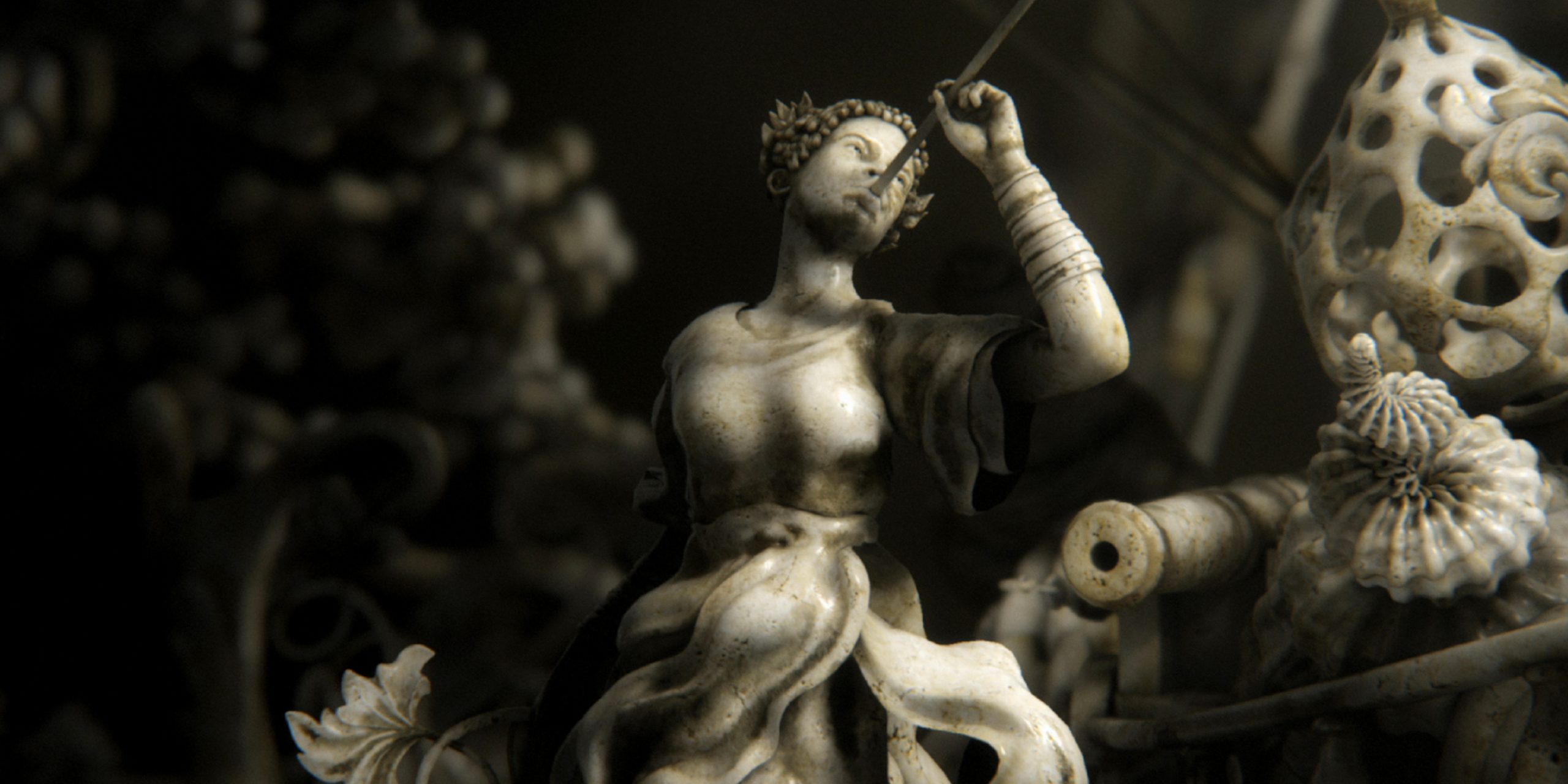
The title sequence is full of clues.
The broken statues represent the main characters. Flint appears as a figure split between two worlds. Silver begins as a smaller, less important shape before becoming more dominant as the seasons go on. The ship caught in the waves foreshadows Nassau itself, constantly on the verge of collapse.
The sea monsters and skeletons are not there just because somebody in the design team had a goth phase. They symbolise the way stories turn real people into myths.
That is one of the show’s biggest themes. The pirates are constantly inventing themselves. By the end, almost nobody is who they were at the start.
Jack Rackham’s Clothes Quietly Tell His Story
Jack Rackham has one of the biggest transformations in the series, and the costume department tracks it brilliantly.
Early on, Jack dresses like a man desperately trying to look important. He wears bright colours, flashy coats and enough fabric to upholster a sofa.
As the show goes on, his clothes become darker, cleaner and more practical. By the final season he looks much closer to the historical Calico Jack that pirate history remembers.
It is a subtle detail, but it mirrors his character arc perfectly. He stops performing confidence and starts earning it.
Also, somewhere around season three, Jack somehow becomes the funniest man in the Caribbean. That part may not have been planned, but nobody should complain.
Charles Vane Is Always Framed Like a Man Doomed to Die
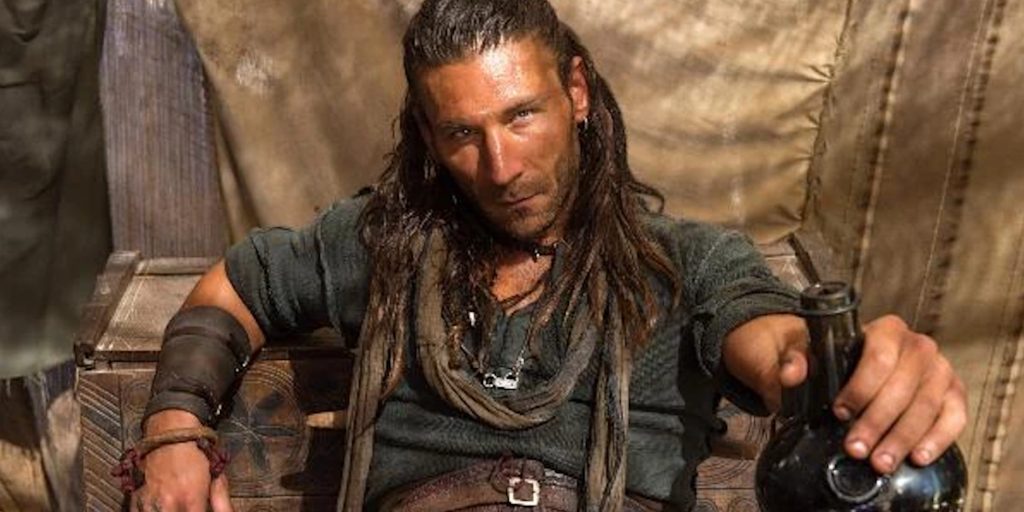
Rewatch any scene with Charles Vane and notice how often he is filmed behind bars, ropes, wooden beams or shadows.
The series constantly places him inside visual cages.
Long before his execution, the show is quietly telling you that Vane is trapped. He cannot escape his reputation, his anger or the idea of who everyone thinks he should be.
When he finally dies, it feels shocking the first time. On a rewatch, it feels almost inevitable.
Black Sails loves doing this. It rarely surprises you out of nowhere. Instead, it leaves a trail of clues and waits for you to catch up.
Max and Eleanor Have Nearly the Same Character Arc
At first, Max and Eleanor seem completely different.
Eleanor wants power through business and influence. Max wants safety and survival.
But look closely and their stories are almost mirror images.
Both women build themselves up in a world controlled by men. Both sacrifice people they care about to protect the power they have gained. Both become colder and more calculating over time.
The difference is that Max learns from Eleanor’s mistakes.
Eleanor keeps believing she can control the world around her. Max realises she has to adapt to it.
That is why Max survives.
The show never says this directly. It simply places the two women side by side again and again until you eventually realise one is becoming what the other used to be.
There Are Tiny Historical References Everywhere
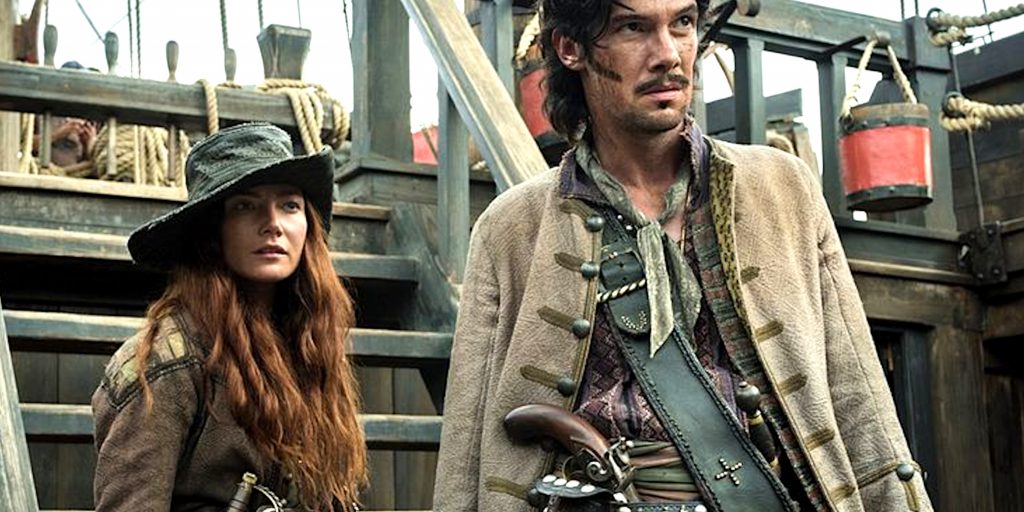
Black Sails plays fast and loose with history sometimes, but it also hides a surprising amount of real pirate lore in the background.
Jack Rackham, Anne Bonny and Charles Vane were all real pirates. So was Blackbeard. Nassau really was a pirate stronghold. The Urca de Lima was a real Spanish treasure ship.
There are smaller details too.
The pirates talk about careening ships, scraping barnacles from the hull and rationing water. Those are all real sailing practices. Flint’s crew keeps visible damage on the ship for several episodes after battles, instead of magically repairing it between scenes like a video game loading screen.
Even the infamous line about men being “too good to wear a condom” is technically more accurate than it sounds. Primitive condoms existed in the eighteenth century, though admittedly they were not exactly the sort of thing you would want reviewed on a shopping website.
Silver and Flint Swap Places Without You Noticing
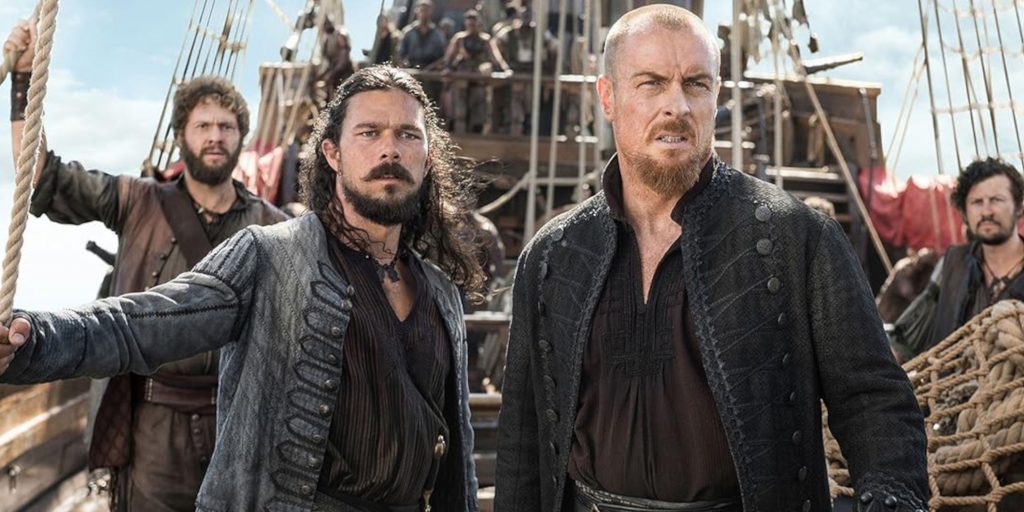
One of the cleverest hidden details in the whole show is that Flint and Silver slowly become each other.
At the start, Flint is the man with the vision and Silver is the man who lies to survive.
By the end, Silver becomes the myth. He manipulates people, shapes stories and controls how others see him. Flint, meanwhile, becomes the tired man underneath the legend.
Their final scenes work so well because the show has quietly reversed their roles over four seasons.
You barely notice it happening because it is done so gradually.
Then suddenly you reach the finale and realise you have been watching two men swap identities the entire time.
Madi Is Almost Certainly Silver’s Future Wife
Treasure Island mentions that Long John Silver has a wife of African descent, but never says much more.
Black Sails never outright confirms it, but Madi is almost certainly meant to be that person.
The clue is not just their relationship. It is the way the show treats her.
Madi is given far more importance than a typical love interest. She shapes Silver’s decisions, challenges him and ultimately becomes the person who sees through the myth he is creating.
When you know where Silver ends up, their story becomes much more tragic. He spends the whole series building a legend, then meets the one person who wants the man behind it.
The Final Shot Is a Mirror of the Beginning
The final hidden detail is one of the best.
The last images of the series deliberately mirror the opening episodes.
In the beginning, everyone in Nassau is chasing treasure because they think it will solve their problems.
By the end, the people who survive are the ones who finally realise treasure was never the point.
Flint wanted revenge. Silver wanted survival. Eleanor wanted power. Max wanted security. Jack wanted respect.
The gold matters less and less as the series goes on.
Which is very inconvenient for the enormous amount of time everyone spends arguing about it.
Why Black Sails Gets Better Every Time You Watch It
The best thing about Black Sails is that it trusts its audience.
It does not stop every five minutes to explain a hidden meaning with dramatic music and somebody saying, “Wait a minute, perhaps this symbol means something.”
Instead, it leaves clues everywhere. In the dialogue. In the costumes. In the framing. In the names. In the quiet little moments that seem unimportant until suddenly they are not.
The first time you watch Black Sails, it feels like a great pirate drama.
The second time, it feels like a puzzle box.
And the third time, you start noticing that somebody in season one was basically waving a giant flag that said, “this person is doomed”, while you were too distracted by a sword fight and a man dramatically kicking open a tavern door.
Which, to be fair, is a very Black Sails way to hide something.