A Beautifully Dangerous Game Of Crowns
When The White Queen arrived in 2013, it brought the Wars of the Roses back into popular conversation with a mixture of political scheming, romance, betrayal and enough suspicious deaths to make any medieval noble consider a quieter career in sheep farming.
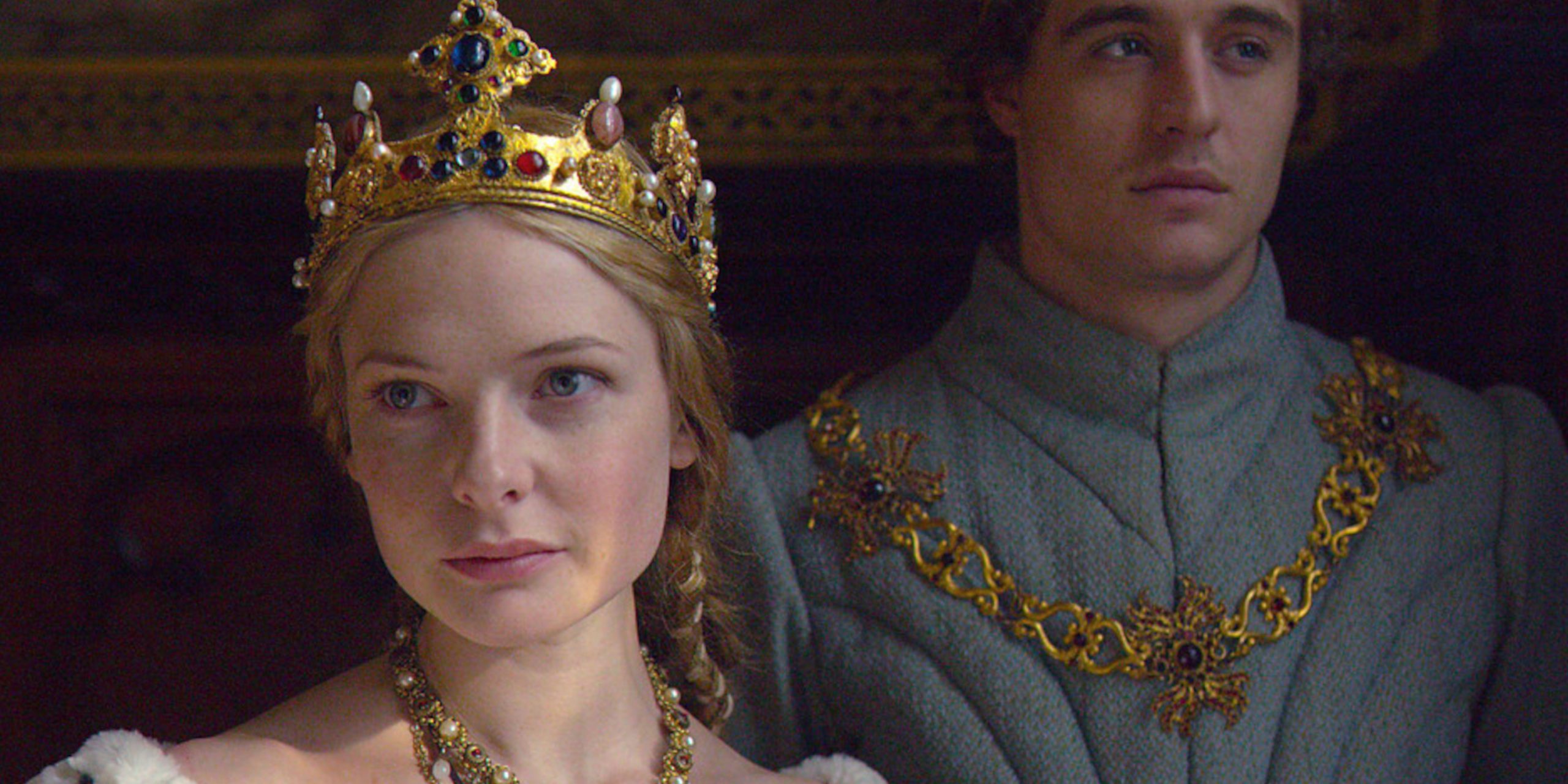
Based on Philippa Gregory’s historical novels, the series follows Elizabeth Woodville, Edward IV, Richard III, Margaret Beaufort and the rival houses of York and Lancaster during one of England’s most unstable periods.
As history, it is not perfect. As a doorway into the 15th century, it is fascinating. The series captures something many medieval dramas miss: power was rarely secure, family loyalty was flexible, and survival often mattered more than honour.
A historian has to approach The White Queen with two thoughts at once. The costumes are sometimes questionable, the timeline bends, and dramatic licence occasionally charges into battle without armour. Yet beneath the romance is a genuinely compelling exploration of a brutal dynastic struggle.
Historical Background: England During The Wars Of The Roses
The story begins during the Wars of the Roses, a series of conflicts fought between rival branches of the Plantagenet dynasty.
The two main factions were:
House of York
- Edward IV
- Richard, Duke of Gloucester, later Richard III
- George, Duke of Clarence
House of Lancaster
- Henry VI
- Margaret of Anjou
- Later supported by Henry Tudor through his Beaufort ancestry
The conflict was not a simple case of Yorkshire against Lancashire, despite what modern shorthand suggests. It was a struggle between powerful noble networks, competing claims of legitimacy and families who changed sides when opportunity knocked.
Medieval politics could be brutally practical. Yesterday’s enemy could become tomorrow’s ally, provided nobody had recently removed their head.
Elizabeth Woodville: The White Queen Herself
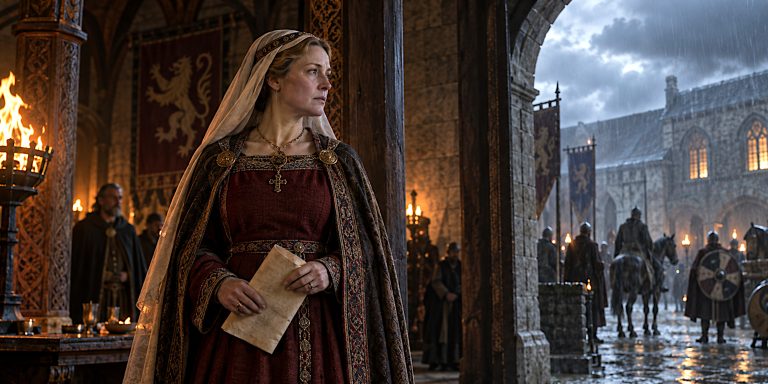
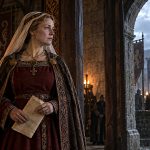
Elizabeth Woodville is the heart of the series, portrayed as a woman trying to survive in a political world dominated by men, ambition and violence.
The real Elizabeth was already a widow when she met Edward IV. Their secret marriage in 1464 shocked England because Edward was expected to marry for diplomatic advantage.
Instead, he chose a Lancastrian widow from a relatively minor noble family.
This caused serious tension with Richard Neville, Earl of Warwick, known as “the Kingmaker”. Warwick had been negotiating foreign marriage options for Edward, only to discover the king had already made his own decision.
The contemporary Burgundian chronicler Philippe de Commines later reflected on Edward’s character:
“He was the most handsome prince I ever saw.”
Edward’s charm was not in doubt. His political judgement was another matter.
The series presents Elizabeth as a major political player. This is broadly fair, although it increases her direct involvement in certain events where the evidence is uncertain.
Edward IV: The Warrior King Behind The Romance
One of the strongest parts of The White Queen is showing that Edward IV was more than a charming king with questionable self-control.
Edward was an exceptional battlefield commander.
His major victories included:
- Battle of Mortimer’s Cross, 1461
- Battle of Towton, 1461
- Battle of Barnet, 1471
- Battle of Tewkesbury, 1471
At Towton, one of the bloodiest battles ever fought on English soil, Edward proved he was not simply a claimant wearing a crown. He was a dangerous soldier capable of inspiring loyalty.
The series captures his confidence and charisma well. It perhaps spends less time on his military ability, which was arguably the foundation of his success.
Margaret Beaufort: Saint, Schemer Or Survivor?
Margaret Beaufort receives one of the most memorable portrayals in The White Queen.
The series presents her as intensely religious, ambitious and absolutely convinced that her son Henry Tudor was destined for greatness.
Is that accurate?
Partly.
Margaret was undoubtedly deeply religious and politically determined. However, portraying her as almost fanatically obsessed with prophecy simplifies a very intelligent political operator.
She survived Yorkist rule, protected her son’s claim and carefully built alliances until Henry Tudor’s opportunity arrived.
Her motto was:
“Souvent me souvient.”
Meaning:
“I often remember.”
It suited her. Margaret Beaufort played the longest game of anyone involved.
Richard III: How Fair Is The Series?
Richard III remains one of England’s most debated monarchs.
The White Queen gives viewers a more sympathetic Richard than many traditional portrayals. Rather than Shakespeare’s villain, he appears as a loyal brother, skilled soldier and complicated political figure.
There is historical support for some of this.
Richard was respected in northern England and had proven himself in battle. However, the disappearance of Edward IV’s sons, Edward V and Richard of York, remains the great shadow over his reign.
The Crowland Chronicle recorded:
“A rumour arose that King Edward’s sons had died a violent death.”
The problem is that rumour is not proof.
Richard had motive and opportunity, but so did others. The mystery of the Princes in the Tower remains unresolved.
The Princes In The Tower: History’s Darkest Question Mark
The series explores one of the most famous mysteries in English history.
After Edward IV died in 1483, his young son Edward V was placed under Richard’s protection. Soon after, Edward and his brother disappeared from the Tower of London.
The possibilities usually discussed include:
- Richard III ordered their deaths
- Henry Tudor or his supporters removed them later
- The boys died from illness or another unknown cause
The truth is frustratingly hidden.
Historians love evidence. The Princes in the Tower provide theories, arguments and centuries of people confidently claiming certainty where certainty does not exist.
Battles And Warfare: What The Series Gets Right And Wrong
The White Queen focuses more on court politics than combat, but warfare shaped everything.
A typical Wars of the Roses army included:
Weapons and equipment:
- Longbows
- Bills and polearms
- Spears
- War hammers
- Poleaxes
- Arming swords
- Daggers
- Plate armour for wealthy soldiers
By the late 15th century, English knights were not fighting like the chainmail warriors of earlier medieval stories. Elite soldiers wore advanced plate armour designed to resist arrows and blades.
The battles in the series capture the chaos and emotion of war, although the scale is limited. Medieval battles involved thousands of men, complex formations and brutal close combat.
Television budgets, unfortunately, rarely provide 30,000 extras and several muddy fields.
Costumes And Accuracy
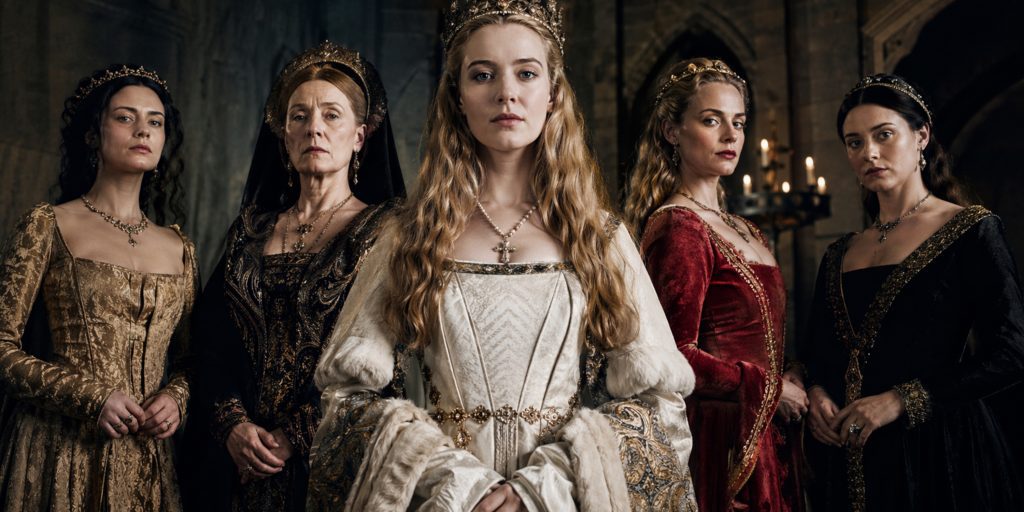
The costumes are probably the most debated historical element of The White Queen.
Some designs look beautiful on screen but take liberties with 15th-century fashion.
Issues include:
- Too much loose hair among noble women
- Some modern-looking dresses
- Simplified court clothing
- Limited use of proper medieval headwear
The real Yorkist and Lancastrian courts were visually impressive. Clothing displayed wealth, status and political identity.
The lack of hats alone would probably have caused more medieval gossip than a royal scandal.
Witchcraft And The Woodville Legend
The series heavily explores rumours that Elizabeth Woodville and her mother Jacquetta used magic.
These accusations existed historically.
Jacquetta was accused of witchcraft in 1469 by supporters of Warwick. Later, Richard III’s supporters also used claims of sorcery against Elizabeth’s family.
Were they witches?
Almost certainly not.
Accusations of witchcraft were often political weapons aimed at powerful or inconvenient women. In medieval politics, destroying someone’s reputation could be almost as useful as defeating their army.
What The White Queen Gets Right
The series succeeds with:
- Showing the instability of royal power
- Presenting women as political figures
- Exploring family alliances and betrayals
- Showing the personal cost of dynastic conflict
- Moving beyond simple heroes and villains
Its greatest strength is making viewers understand that nobody knew who would win.
Today we see history backwards. The Tudors feel inevitable because we know they arrived. In reality, Henry Tudor’s victory was a shocking reversal.
What The White Queen Gets Wrong
The main weaknesses are:
- Characters sometimes know too much about future events
- Complex politics are simplified
- Some personalities are exaggerated
- Romance occasionally dominates strategy
- Historical uncertainty is presented as fact
This is understandable for television. A completely accurate Wars of the Roses drama would require dozens of characters with similar names arguing over legal documents.
Historically fascinating, yes. Saturday night viewing, perhaps less so.
Is The White Queen Historically Accurate?
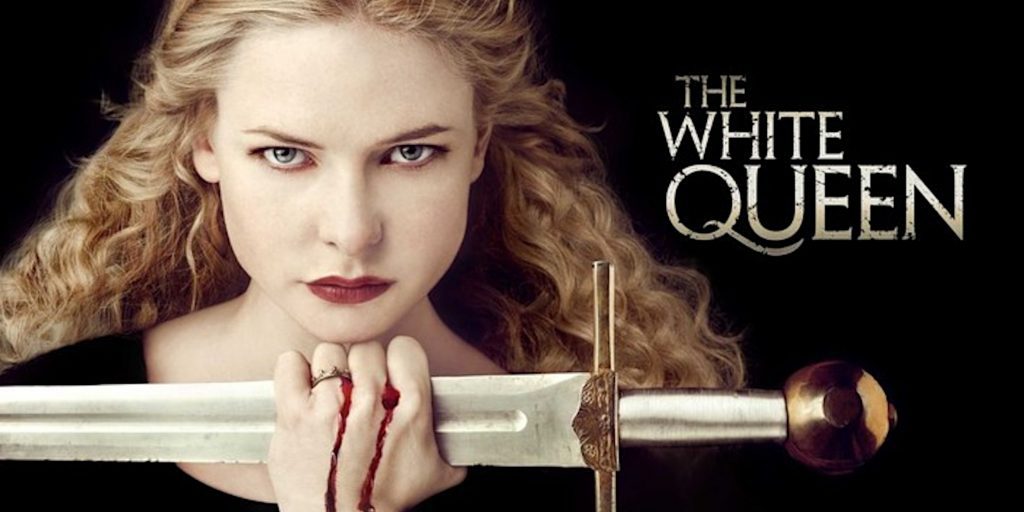
The White Queen is not a documentary, but it succeeds at capturing the atmosphere of the Wars of the Roses.
The details sometimes wander. The costumes occasionally rebel against the 15th century. The drama confidently answers questions historians are still arguing about.
Yet the central idea feels right. This was a world where kings could rise quickly, alliances collapsed overnight and survival required intelligence as much as bravery.
For anyone interested in medieval England, The White Queen is a compelling starting point. Just keep a history book nearby.
Preferably several. This family tree gets complicated very quickly.