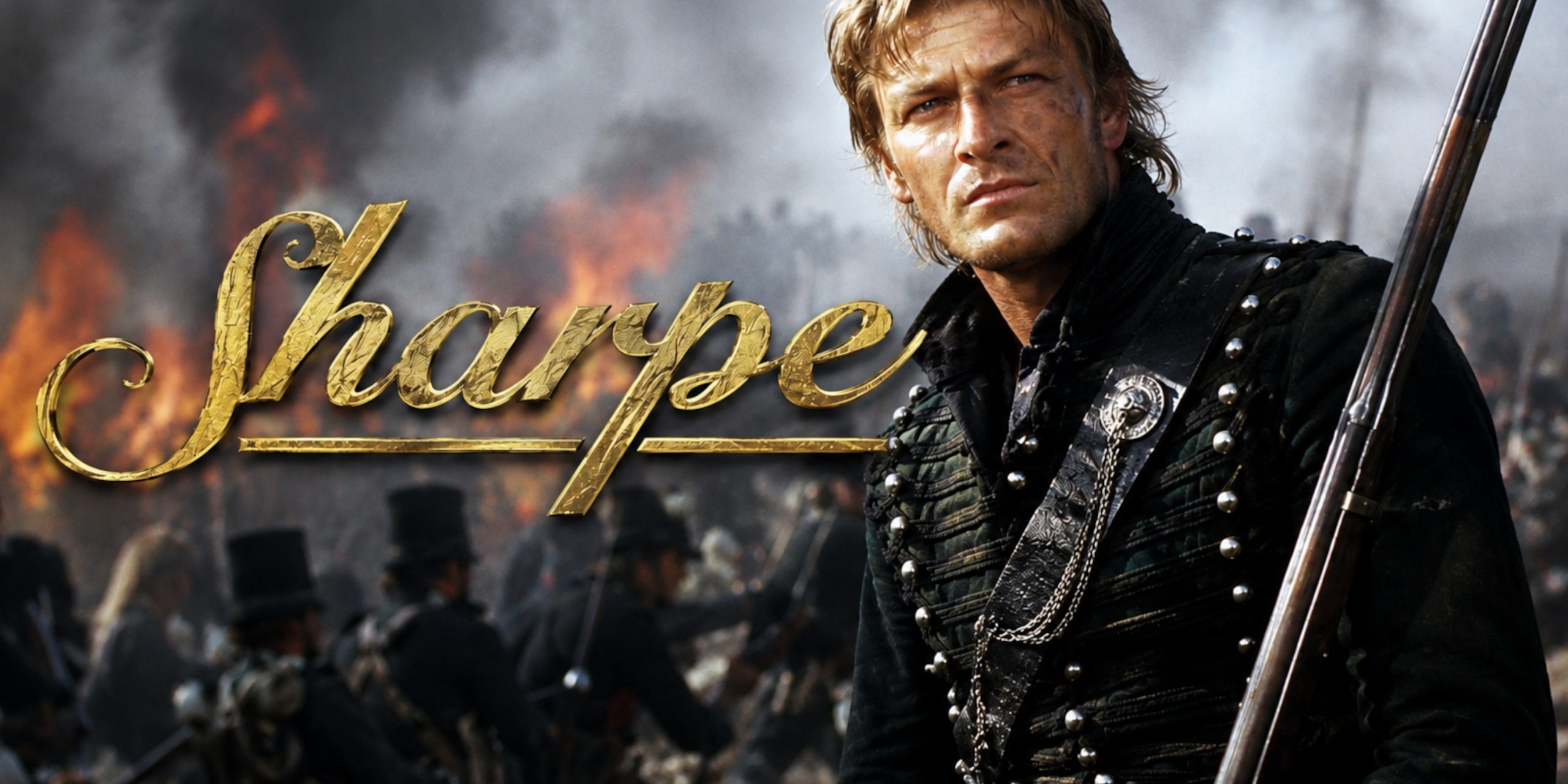
There is a reason Sharpe still lands with audiences decades later. Yes, the battles are fun. Yes, the riflemen look cooler than almost everyone else on screen. And yes, Sean Bean somehow makes getting punched in the face look heroic.
But underneath all the smoke, mud, and furious shouting, Sharpe is obsessed with one thing more than anything else: class.
The series constantly asks a question that haunted the British Army during the Napoleonic Wars. What happens when the best soldier in the room is the one nobody thinks belongs there?
Richard Sharpe is not just fighting the French. Half the time he is fighting dinner tables, accents, inherited wealth, and officers who think being born in the right county is a military qualification.
That tension gave the series its edge. It also made it surprisingly honest about the British Army of the period.
Sharpe Begins as an Outsider
Sharpe starts life at the absolute bottom.
He is poor, uneducated, rough around the edges, and comes from the kind of background most officers would rather pretend did not exist. In the novels and television series alike, his rise feels almost offensive to the establishment around him.
That matters because the British Army of the early nineteenth century was deeply tied to class structure. Officers were expected to be gentlemen. Leadership was considered part of social breeding. A man born into wealth was assumed to possess honour, discipline, and refinement.
Which is slightly awkward when half of them cannot lead troops without panicking the moment bullets start flying.
Sharpe exposes the weakness in that system immediately. He is aggressive, practical, brave, and deeply uncomfortable around aristocratic manners. He earns respect through survival and battlefield competence, not family connections.
The show repeatedly contrasts him with officers who purchased rank rather than earned it.
The Purchase System Was Real
One of the smartest things Sharpe did was avoid turning the British Army into pure fantasy. The class problems in the series were not exaggerated inventions.
Officer commissions really could be purchased.
A wealthy family could buy their son a place in the officer corps, allowing social status and money to shape military leadership. The idea behind the system was that gentlemen supposedly possessed the right character for command and had a financial stake in behaving responsibly.
In practice, the results were mixed.
Some aristocratic officers were genuinely excellent commanders. Others had the tactical awareness of a sleepy goose wandering into traffic.
Sharpe understood this nuance fairly well. The series never claims every noble officer is useless. Characters like Wellington are portrayed as intelligent and highly capable. Others, such as Frederickson or Nairn, show professionalism and courage regardless of background.
But the show also makes it clear that privilege protected incompetence far too often.
Wellington Represents the Army at Its Best
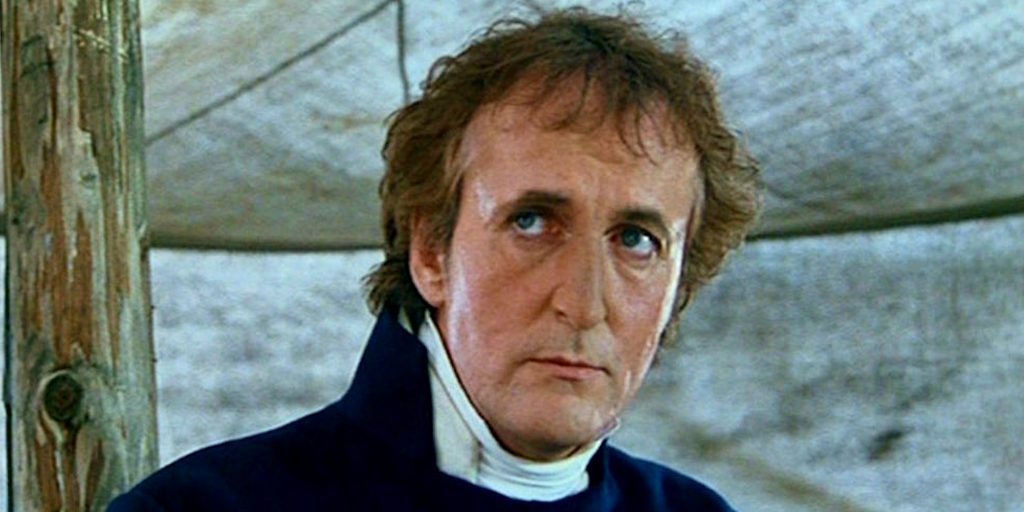
One of the more interesting class dynamics in Sharpe is the relationship between Sharpe and Wellington.
The Duke of Wellington is still very much an aristocrat. He believes in hierarchy, discipline, and order. Yet he also recognises talent when he sees it. That is why Sharpe survives politically as long as he does.
Wellington understands something many upper-class officers ignore. A battlefield does not care about breeding.
The series uses Wellington almost like a bridge between old Britain and a slowly changing military culture. He values competence above polish, even if he personally prefers polish at the dinner table.
Their relationship works because it never becomes sentimental. Wellington respects Sharpe, but he does not suddenly pretend Sharpe fits naturally into elite society. There is always a slight distance between them, which feels historically believable.
The Riflemen Feel Different From the Rest of the Army
The Chosen Men are one of the clearest examples of how Sharpe approached class.
Harper, Hagman, Harris, Cooper, and the rest do not behave like polished parade-ground soldiers. They are rough, sarcastic, practical men held together by loyalty rather than social standing.
The rifles themselves also mattered symbolically.
Unlike traditional line infantry, rifle units demanded initiative and independent thinking. Riflemen operated in looser formations and often acted as skirmishers. That naturally created a slightly different military culture from the rigid structures elsewhere in the army.
In Sharpe, the riflemen almost feel like a working-class counterculture inside the British military machine.
They mock pompous officers. They distrust aristocratic arrogance. They survive because they rely on each other rather than inherited authority.
Honestly, half the series is just Sharpe and Harper exchanging looks that silently say, “This officer is definitely going to get somebody killed.”
Usually they are right.
Class Was Not Just About Wealth
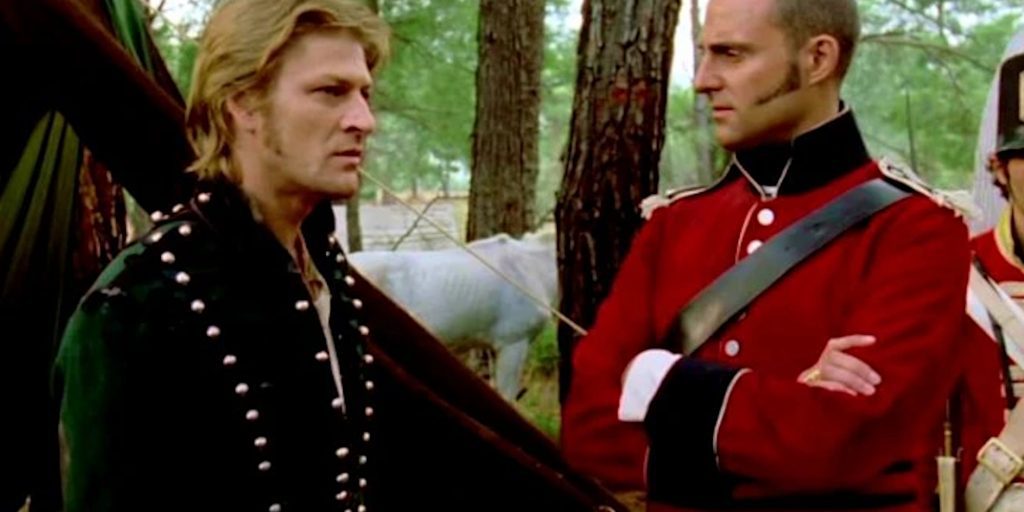
One thing the series handles surprisingly well is how class shaped behaviour, speech, and identity.
Sharpe never fully becomes comfortable among officers. Even after promotion, he often looks like a man attending somebody else’s party by mistake.
His accent, temper, and bluntness constantly mark him as different.
That discomfort matters because class in Britain was never only about money. It was also about mannerisms, education, social codes, and confidence. You could become wealthy and still be treated as an outsider if you lacked the “correct” background.
Sharpe carries that tension throughout the series. He earns rank, but acceptance remains conditional.
That makes him more compelling than the typical heroic officer character. He is permanently caught between worlds. The enlisted men see him as an officer, while many officers still see him as a gutter-born soldier pretending to be a gentleman.
The Villains Often Embody Rotten Privilege
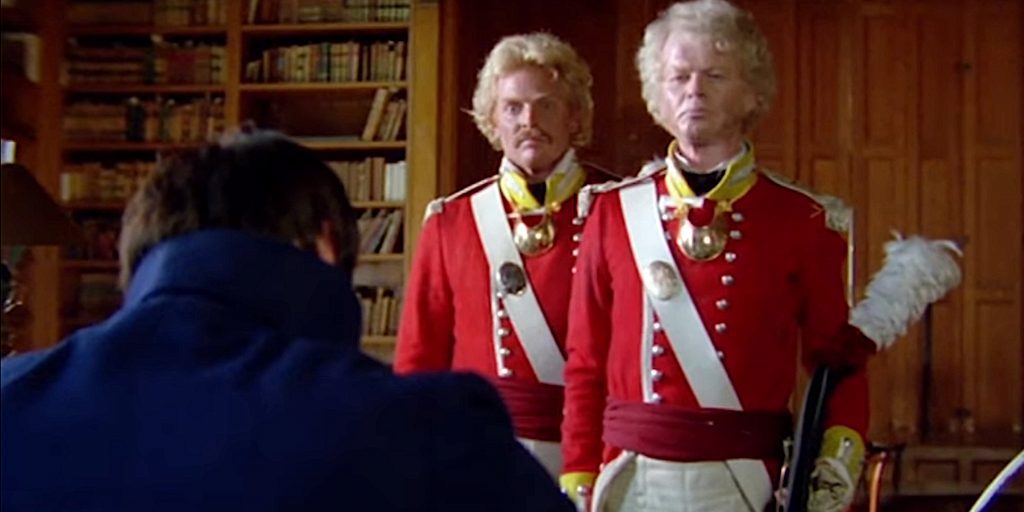
Some of the nastiest antagonists in Sharpe are not French officers. They are British aristocrats.
Characters like Obadiah Hakeswill operate differently from the upper-class villains, but many corrupt officers in the series reflect institutional rot within the army itself. They use wealth, connections, and status to avoid consequences.
This is where the series gets quite modern in tone.
It is less interested in patriotism than in hypocrisy. The audience is clearly meant to admire courage and competence over social pedigree.
That attitude helped Sharpe age better than many historical dramas from the same era. Beneath the swashbuckling action, there is a running frustration with systems that reward appearance over ability.
Which, to be fair, still feels painfully current.
Sharpe Never Completely Defeats the System
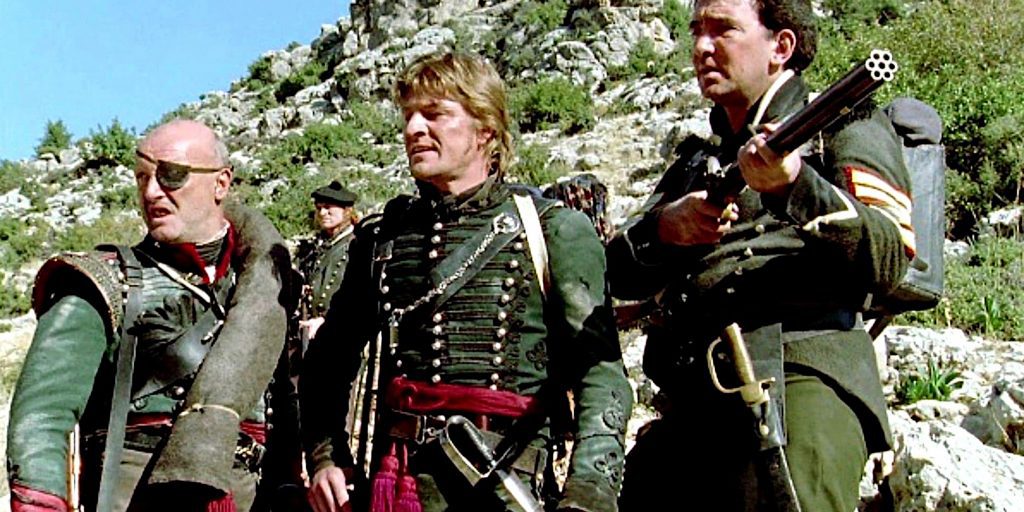
What makes the class themes effective is that the series never pretends the problem disappears.
Sharpe wins battles. He gains rank. He earns recognition. Yet class prejudice keeps resurfacing.
Even when other officers respect him, there is often an unspoken limit to that acceptance. Marriage, social events, and elite circles still expose the invisible barriers around him.
That realism gives the story weight.
A lesser series would have turned Sharpe into a fully accepted gentleman by the end. Instead, he remains slightly uncomfortable inside the world he fought to enter.
In some ways, that is the point of the character.
Sharpe succeeds because he never entirely becomes part of the establishment. He keeps the instincts, aggression, and suspicion of a man who remembers what life looked like from below.
Why These Themes Still Connect Today
A big reason Sharpe still has such a loyal audience is because the class tension feels recognisable even now.
Modern viewers understand systems where connections matter more than talent. They understand workplaces filled with people promoted through privilege rather than competence. They understand the frustration of being underestimated because of background, accent, education, or appearance.
The Napoleonic setting gives the story muskets and cavalry charges, but the emotional core feels oddly contemporary.
That is why Sharpe remains satisfying to watch. He is not polished. He is not politically connected. He is not especially diplomatic. He is simply good at what he does, and the establishment hates how inconvenient that becomes.
Takeaway
Sharpe worked because it treated class as something brutal, persistent, and deeply human.
The battles gave the series excitement, but the social conflict gave it personality. Sharpe’s rise through the British Army was never just about military promotion. It was about forcing a rigid system to confront someone it did not know how to categorise.
And honestly, few things in television are more entertaining than watching an arrogant noble officer realise the rough bloke from the ranks is the only person keeping everyone alive.
That tension never really gets old.