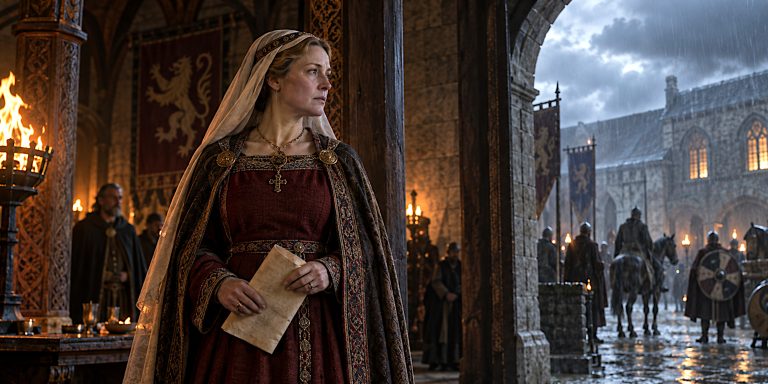
There is a version of ancient history most of us grew up with. Marble statues, heroic speeches, neat timelines, and very little sense that anyone ever had bad days. Then along came Rome and quietly tore that version apart.
It did not try to make the past feel distant or polished. It made it feel crowded, unpredictable, and at times a bit uncomfortable. People argued, schemed, joked, panicked. They felt recognisably human, which is exactly why the series left such a mark.
History Before Rome
Before this series, television often treated antiquity as a kind of theatre stage. Productions like Cleopatra or even later films such as Gladiator leaned into spectacle and myth.
That approach had its strengths. It created scale and drama. But it also placed historical figures on a pedestal. They became symbols rather than people.
Rome took a different path. It stepped off the stage and into the street.
The Shift Toward the Personal
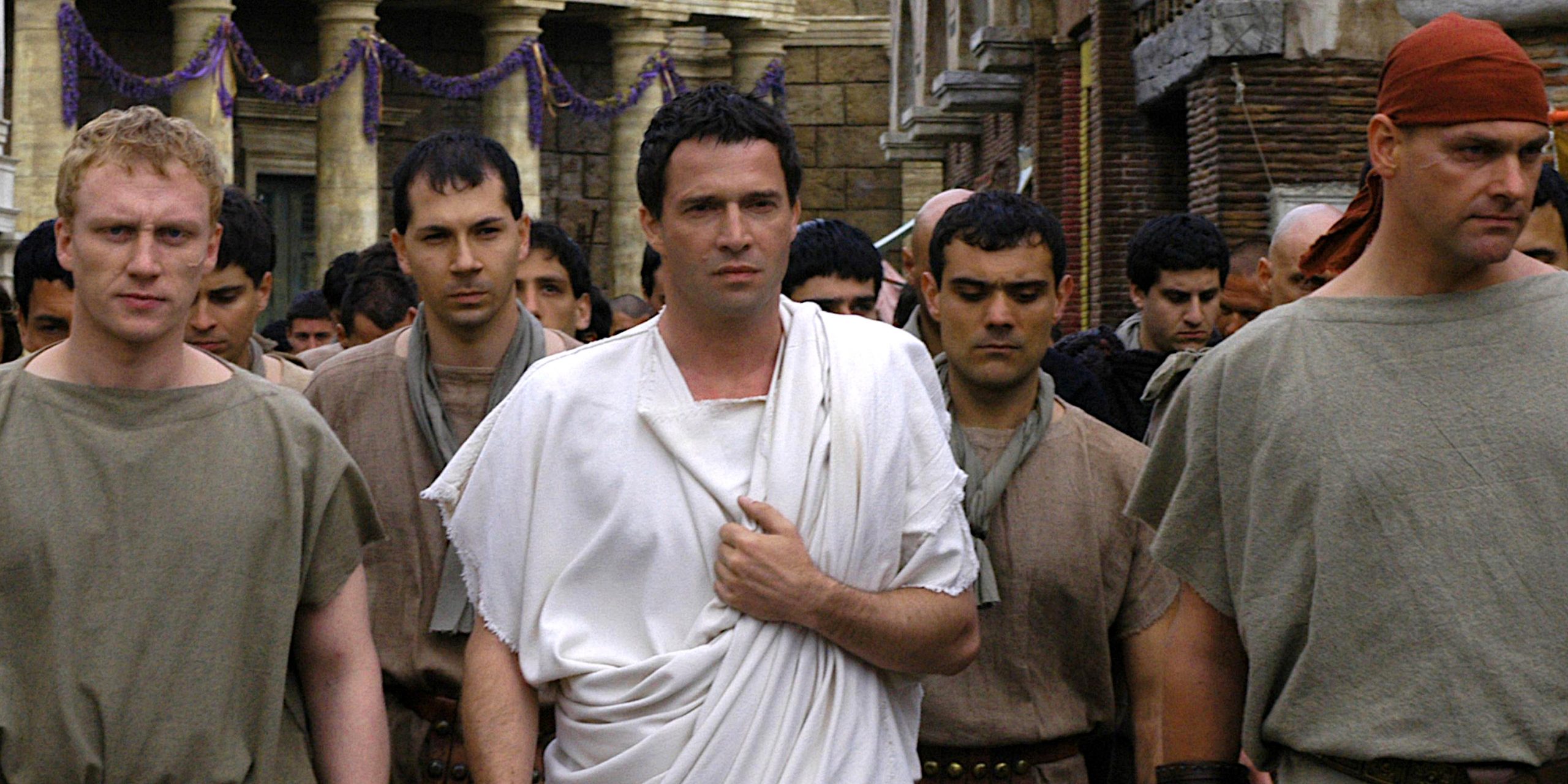
One of the most striking choices was the decision to centre the story not just on giants like Julius Caesar, but also on ordinary soldiers such as Lucius Vorenus and Titus Pullo.
This was not a gimmick. It changed how history unfolded on screen.
Through them, major events stopped feeling inevitable. The fall of the Republic looked less like a tidy narrative arc and more like a series of messy, human decisions. Loyalty clashed with ambition. Honour bent under pressure. Sometimes things simply went wrong.
It felt less like reading a textbook and more like watching events unravel in real time.
Dirt, Noise, and Everyday Life
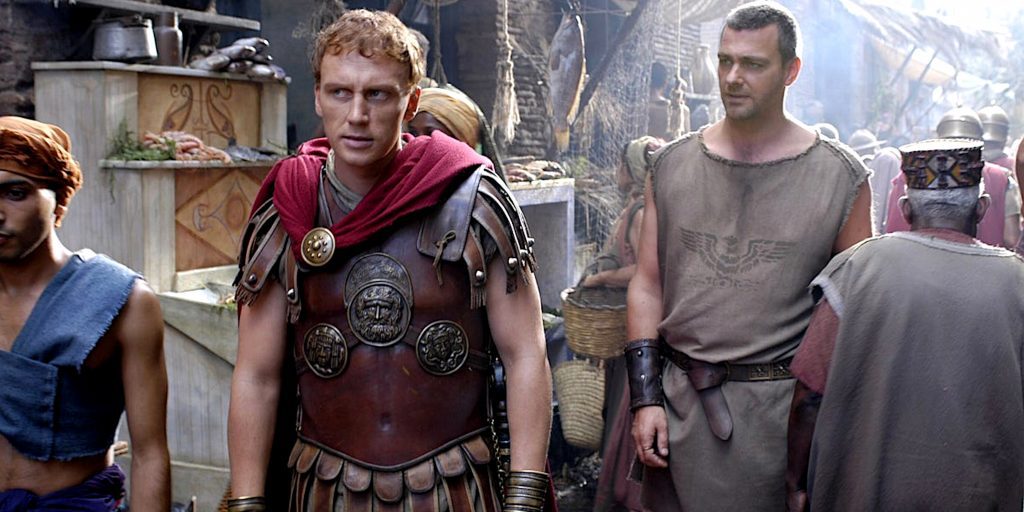
The physical world of Rome deserves attention. This was not the clean, white marble city many expect. It was dense, noisy, and often filthy.
Markets were chaotic. Homes felt cramped. Religion was everywhere, not as distant ritual but as daily habit. The show captured something historians have long emphasised but rarely seen portrayed well, the lived texture of the ancient world.
That detail matters. It grounds the larger political drama in something tangible.
Power Without Romance
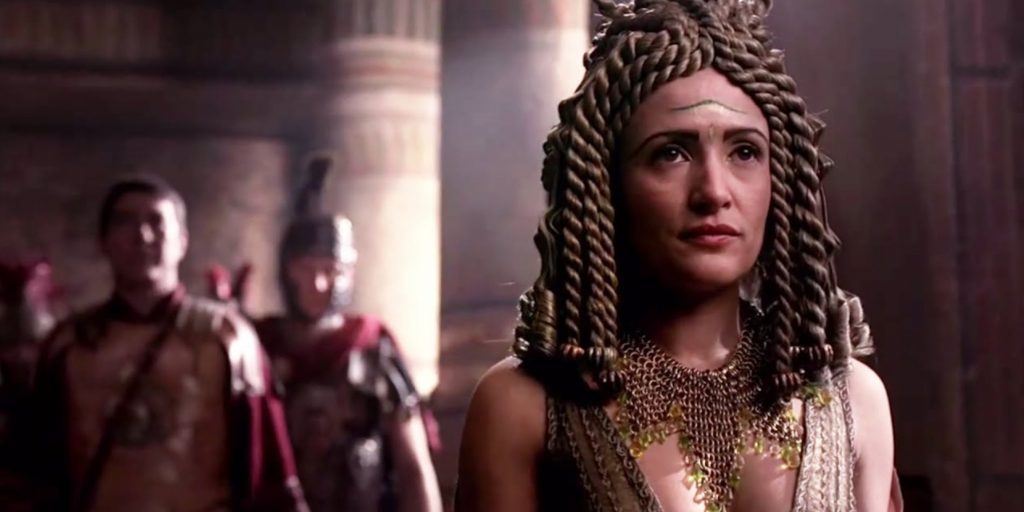
Figures like Mark Antony and Cleopatra appear often in popular culture, usually surrounded by a certain glamour.
Rome strips much of that away.
Ambition is shown as exhausting. Politics is transactional. Relationships are rarely simple. Even moments of triumph carry a sense that something is about to go wrong.
It does not diminish these figures. If anything, it makes them more compelling. You see the cost behind the legend.
Women in the Margins, and at the Centre
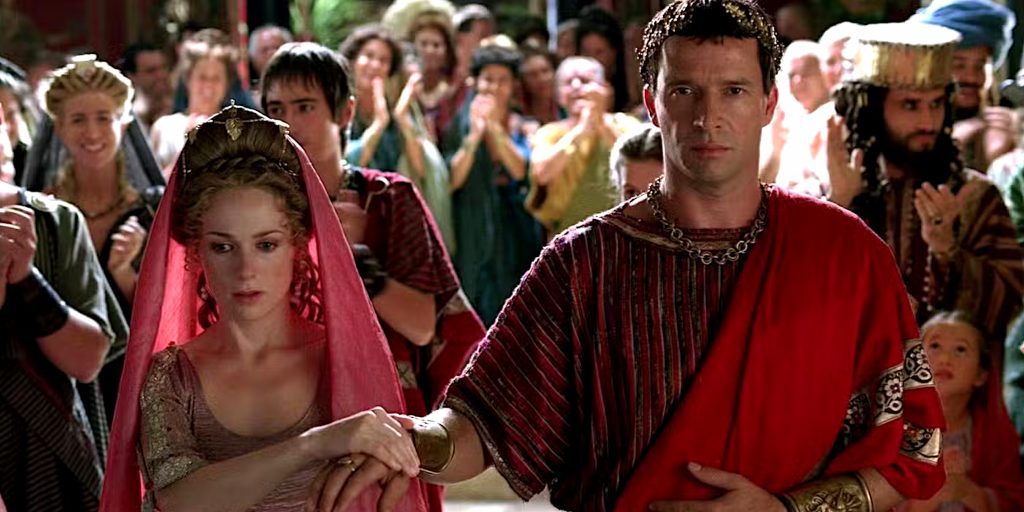
A quieter strength of the series lies in its portrayal of women. Characters like Atia of the Julii and Servilia are not passive observers.
They operate within constraints, but they influence events in ways that feel believable. Power moves through family, reputation, and private spaces as much as through public office.
It adds another layer to the story. History stops being a sequence of battles and speeches and becomes something more intricate.
Violence That Feels Consequential
Violence in Rome is not stylised for comfort. It is abrupt and often unpleasant.
Battles are confusing. Personal conflicts escalate quickly. Death rarely comes with ceremony.
This approach reinforces the central idea. The ancient world was not a backdrop for heroic poses. It was a place where survival often came down to chance, timing, and instinct.
Why It Still Feels Different
Many historical dramas since have borrowed elements from Rome. Some have expanded the scale, others the intrigue. Few have matched its balance.
It respected history without becoming rigid. It embraced storytelling without losing credibility. Most importantly, it trusted the audience to engage with complexity.
That combination is harder to achieve than it looks.
Takeaway
Watching Rome feels less like observing the past and more like stepping into it.
It reminds you that history is not made by statues. It is made by people who are uncertain, flawed, and often improvising. That idea lingers long after the final episode.
And perhaps that is the quiet achievement of the series. It does not just tell you what happened. It makes you wonder how it felt to be there, which is a far more difficult thing to capture.