The samurai have long been framed as paragons of honour, discipline, and quiet nobility. It is a compelling image, polished over centuries and burnished further by modern cinema. Yet history rarely cooperates with clean narratives. When one looks past the poetry and the lacquered armour, a more complicated figure appears, one capable of loyalty and brutality in equal measure.
Bushido: Ideal Versus Practice
The code of Bushido is frequently presented as a fixed moral framework, a kind of warrior’s gospel. In reality, it was neither universal nor consistently followed. Much of what people now accept as Bushido was formalised during the relatively peaceful Edo period, long after the bloodiest conflicts had passed.
Earlier samurai, especially those of the Sengoku period, operated in a world where survival often outweighed principle. Loyalty could shift with opportunity. Betrayal was not rare, it was sometimes expected. A daimyo who clung too rigidly to honour without pragmatism tended not to remain a daimyo for very long.
There is a quiet irony here. The more we read about Bushido as an ideal, the more we see how frequently it was ignored when it mattered most.
Violence and Social Control
Samurai were not merely warriors on distant battlefields. They functioned as enforcers of social order. This included the right to cut down commoners under certain circumstances, a practice known as Kirisute Gomen.
The phrase sounds almost polite, but the reality was not. A perceived slight, an insult, or even a failure to show proper respect could end in death. While not every samurai exercised this right recklessly, the imbalance of power was unmistakable.
It is difficult to reconcile this with the image of restrained, honour-bound figures. Yet it tells us something important. The samurai were part of a rigid hierarchy, and maintaining that hierarchy often required visible, sometimes brutal reinforcement.
Warfare Without Illusion
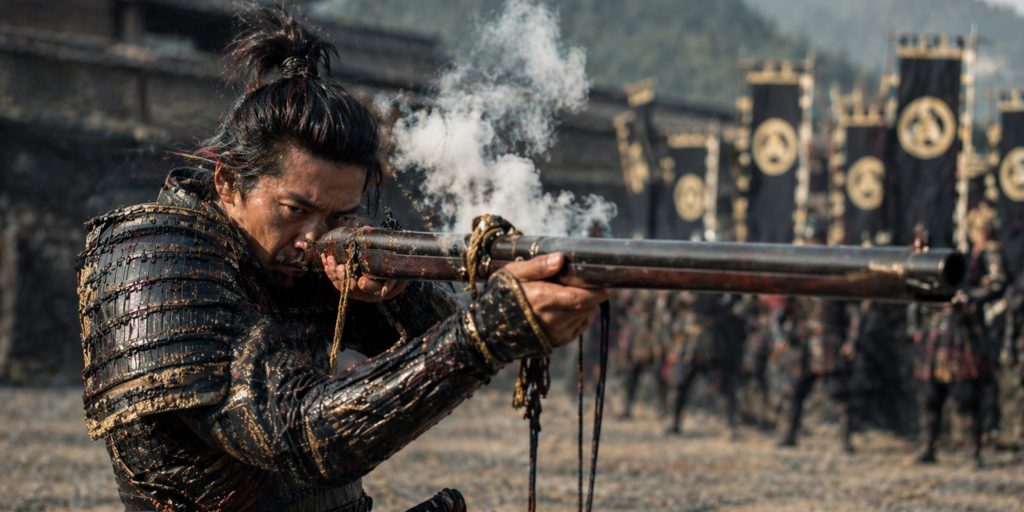
The romantic image of the samurai duel, two warriors meeting with perfect form and mutual respect, has its place. It is also a small part of a much larger and harsher reality.
Battles during the Sengoku era were chaotic affairs. Ambushes, night attacks, deception, and overwhelming force were common tactics. Figures such as Oda Nobunaga were admired precisely because they broke conventions and embraced ruthless efficiency.
The use of firearms, for instance, was adopted quickly and pragmatically. There was no widespread rejection of such weapons on the grounds of honour. Victory mattered more than aesthetics.
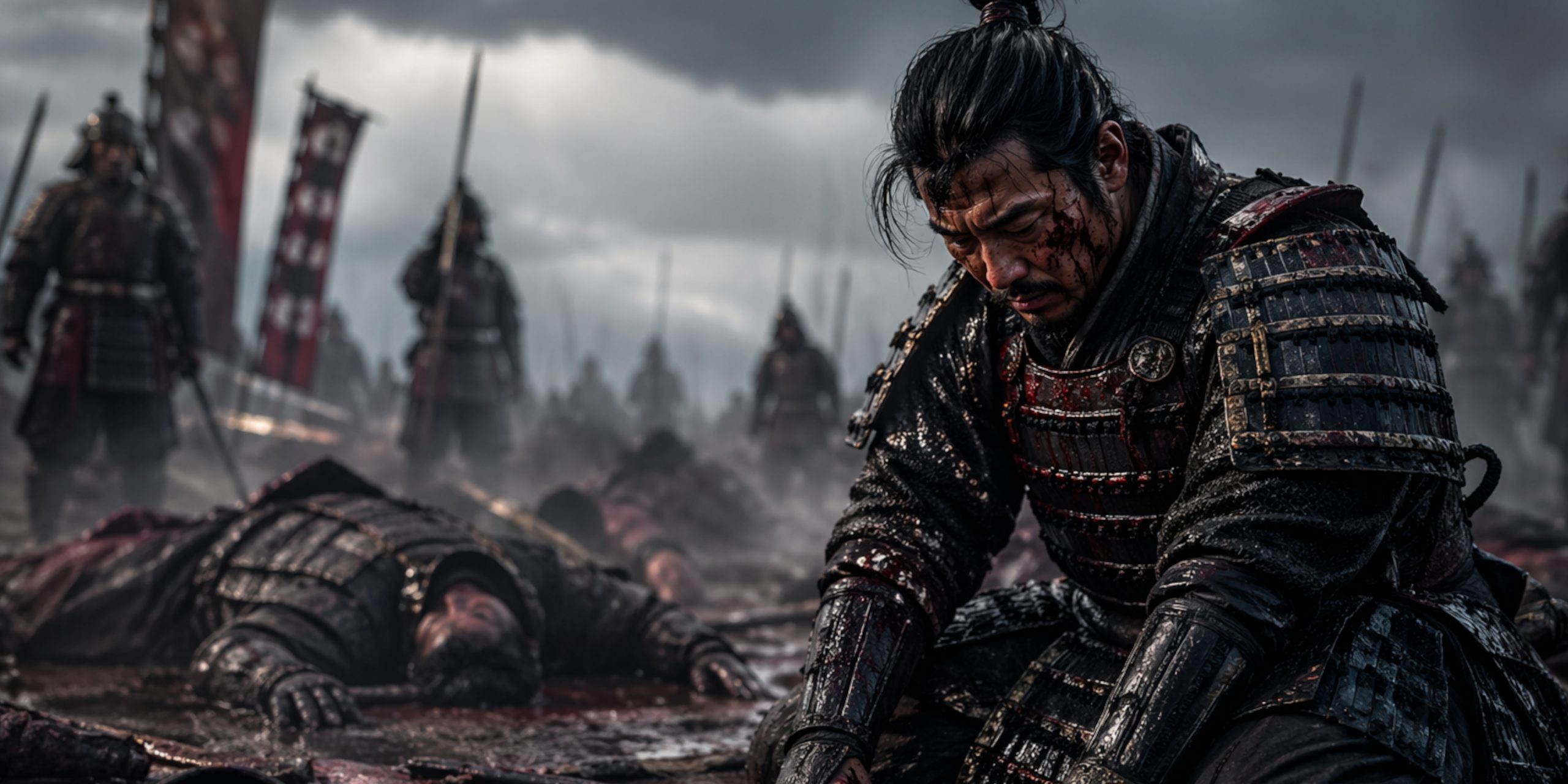
Even on the battlefield, the line between discipline and savagery could be thin. Heads were taken as trophies. Entire forces could be wiped out without mercy. It was not always noble work.
Punishment, Fear, and Authority
Samurai authority extended into the judicial sphere. Punishments could be severe and highly public. Executions were often carried out in ways designed to reinforce order through fear rather than quiet reflection.
Methods varied, but the intent was consistent. Authority had to be visible. A society governed by strict hierarchy depended on clear demonstrations of consequence.
From a modern perspective, this can feel unsettling. From the perspective of the time, it was part of maintaining stability in a world that had known prolonged disorder.
The Reality of Seppuku
Seppuku is often portrayed as the ultimate expression of honour. There is truth in that, but it is only part of the story.
Seppuku could be voluntary, but it was also used as a form of punishment. In some cases, it offered a controlled and dignified alternative to execution. In others, it was effectively compulsory, a ritual shaped as much by expectation as by personal conviction.
The act itself was neither swift nor painless. It required composure under extreme physical distress, often followed by a second who would deliver a final blow. There is a tendency to romanticise it. One suspects those involved had a rather more direct understanding of its cost.
Internal Conflict and Rivalry
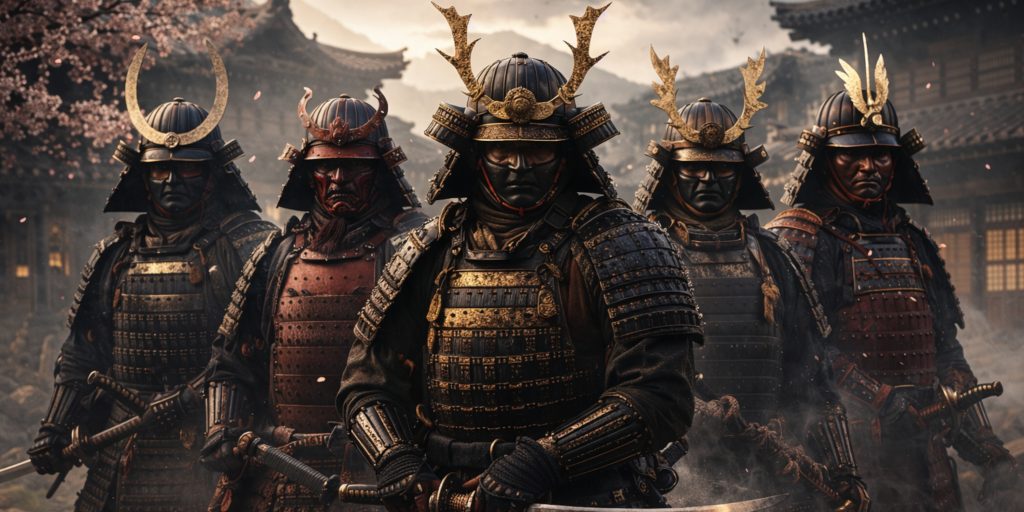
The samurai class was not unified in purpose or temperament. Rivalries between clans were constant, sometimes spilling into prolonged conflicts that reshaped regions.
Even within a single domain, tensions could simmer. Loyalty to a lord did not erase personal ambition or resentment. History offers numerous examples of retainers turning against their masters when circumstances shifted.
The notion of unwavering loyalty makes for good theatre. The lived experience was often messier, driven by politics, survival, and the occasional well-timed betrayal.
Decline and Reinvention
By the late Edo period, many samurai found themselves in a world that no longer required their traditional skills. Peace had reduced the need for constant warfare, and economic pressures began to erode their status.
The Meiji Restoration marked a decisive turning point. The samurai class was effectively dismantled, their privileges removed, their role transformed or rendered obsolete.
Some adapted. Others resisted, most famously in the Satsuma Rebellion. The outcome was inevitable. Modernisation had little patience for hereditary warrior elites.
There is something almost melancholic in this final chapter. A class built on warfare fading in a world that had begun to outgrow it.
Cultural Legacy and Modern Myth
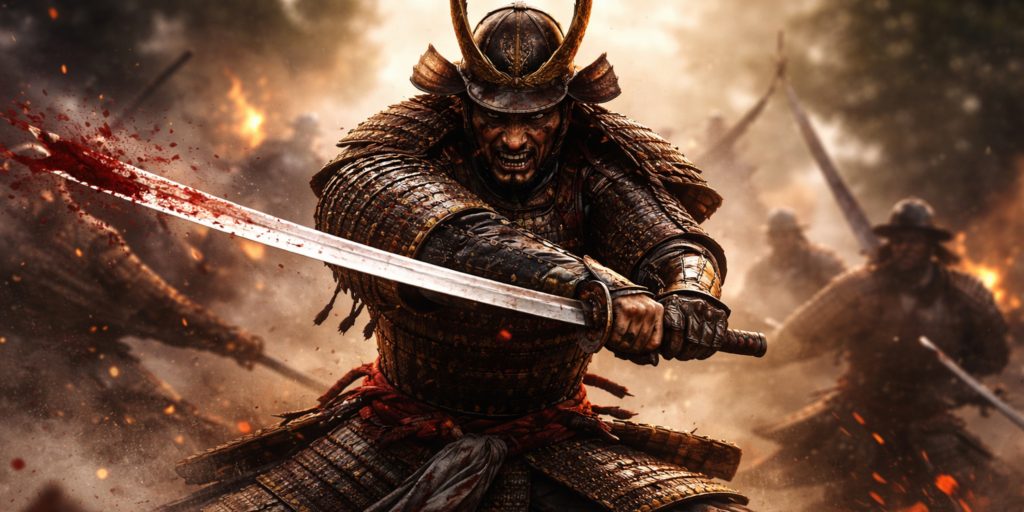
Modern portrayals, from literature to film, have done much to preserve and reshape the samurai image. Works such as Seven Samurai and The Last Samurai offer powerful interpretations, though not always historically precise.
These stories tend to emphasise honour, sacrifice, and moral clarity. They are compelling because they simplify. Real history rarely offers that convenience.
That said, the fascination endures for good reason. The samurai occupy a space where discipline, violence, philosophy, and power intersect. It is not a comfortable space, but it is undeniably compelling.
Takeaway
The darker aspects of the samurai do not erase their achievements or their cultural significance. Instead, they make them more human.
It is tempting to seek heroes who align neatly with modern values. The samurai resist that temptation. They demand to be understood on their own terms, within a world that operated by very different rules.
If there is a lesson here, it may be this. Honour is often most interesting when it is under pressure. And history, rather inconveniently, tends to apply quite a lot of pressure.