Some families in Westeros inherit castles. Some inherit old grudges, suspiciously pointy swords, and a collection of deeply unfortunate haircuts.
The Targaryens inherited dragons.
For centuries, they seemed to have a near-exclusive ability to ride, command, and survive these flying fire-breathing nightmares. Everyone else, meanwhile, had roughly the same odds of controlling a dragon as they did of hugging a volcano.
So why could the Targaryens do it?
The short answer is that it probably came down to blood, magic, and a very old Valyrian breeding programme that sounds increasingly alarming the longer you think about it.
The longer answer is much more interesting.
The Targaryens Were Not the Only Dragonlords

One of the biggest misconceptions in Westeros is that the Targaryens invented dragonriding. They did not. They were one of around forty noble families from Valyria who could ride dragons.
Back in the days of the Valyrian Freehold, dragons were practically the medieval equivalent of nuclear weapons. The great Valyrian houses used them to build an empire stretching across much of Essos.
The Targaryens were actually considered a relatively minor dragonlord family. They were important, certainly, but not the top tier. Think of them as the family that somehow inherited the last working superweapon after everyone else accidentally stood too close to the apocalypse.
When the Doom of Valyria destroyed the Freehold, nearly every dragonlord family vanished. The Targaryens survived because they had already moved to Dragonstone.
Suddenly, they were the last people left with dragons, and rather conveniently, the only people left who knew how to handle them.
Valyrian Blood Was Probably the Key
The strongest explanation in both George R. R. Martin’s books and the wider lore is that dragonriding depended on Valyrian blood.
The dragonlord families of Valyria were believed to have altered themselves through magic, bloodlines, or both. Nobody in Westeros fully understands how it worked because Valyria took most of its secrets into the smoking ruins with it.
The Targaryens seemed convinced that their blood mattered. Very much.
That is one reason why they so often married within their own family. Brother to sister. Uncle to niece. Cousin to cousin. The family tree starts looking less like a tree and more like a wreath.
It was not simply because they enjoyed making every future maester uncomfortable. The Targaryens believed they had to preserve the blood of old Valyria to keep their connection to dragons.
In the books, characters repeatedly suggest that only those with Valyrian ancestry can safely bond with a dragon. Even then, it is hardly guaranteed. Plenty of Targaryens failed. Plenty died.
Dragonriding was less like inheriting a talent and more like entering a very exclusive club where the entrance exam occasionally set you on fire.
Blood Magic May Have Created the First Dragonriders
This is where things get wonderfully unsettling.
Several hints throughout the lore suggest that the original Valyrian dragonlords did not merely discover dragons. They may have magically engineered the bond between humans and dragons.
Ancient Valyria was obsessed with blood magic. Their sorcerers experimented constantly, often with the sort of moral boundaries that make even the more unhinged residents of King’s Landing seem positively restrained.
There are references to twisted creatures, strange hybrid beings, and magical experiments in the volcanic regions of Valyria. Some theories even suggest the Valyrians may have used blood magic to bind dragon blood and human blood together in some symbolic or literal way.
That would explain why certain families could command dragons while others could not.
It would also explain why dragonriding seems hereditary.
The Targaryens may not have controlled dragons because they were braver or cleverer than everyone else. They may have controlled dragons because their ancestors literally changed themselves.
Which, in fairness, is one way to win an arms race.
Dragons Chose Their Riders Too
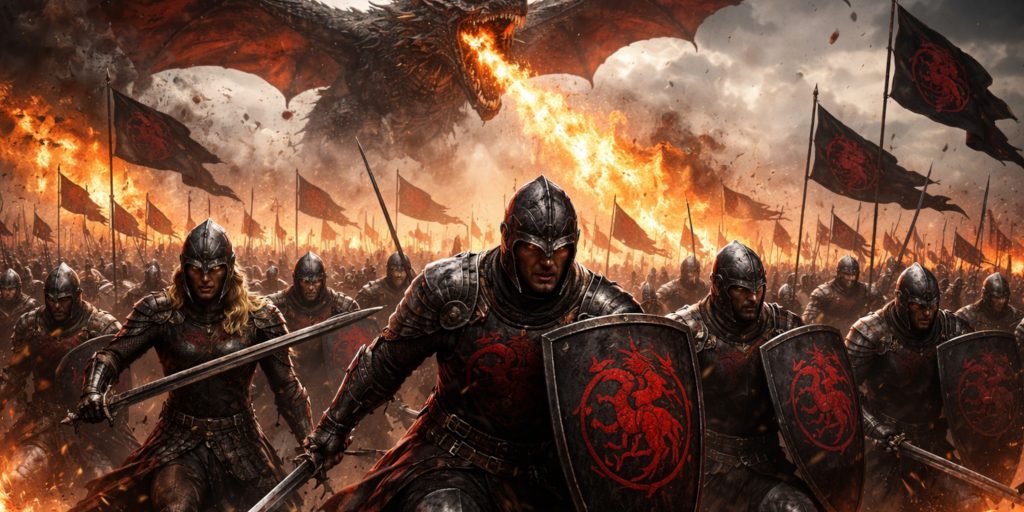
Even with the right bloodline, no Targaryen could simply stroll into the dragonpit and pick whichever dragon looked coolest.
The bond went both ways.
Throughout the history of Westeros, dragons often chose their own riders. Some dragons refused every would-be rider for years. Others formed instant bonds.
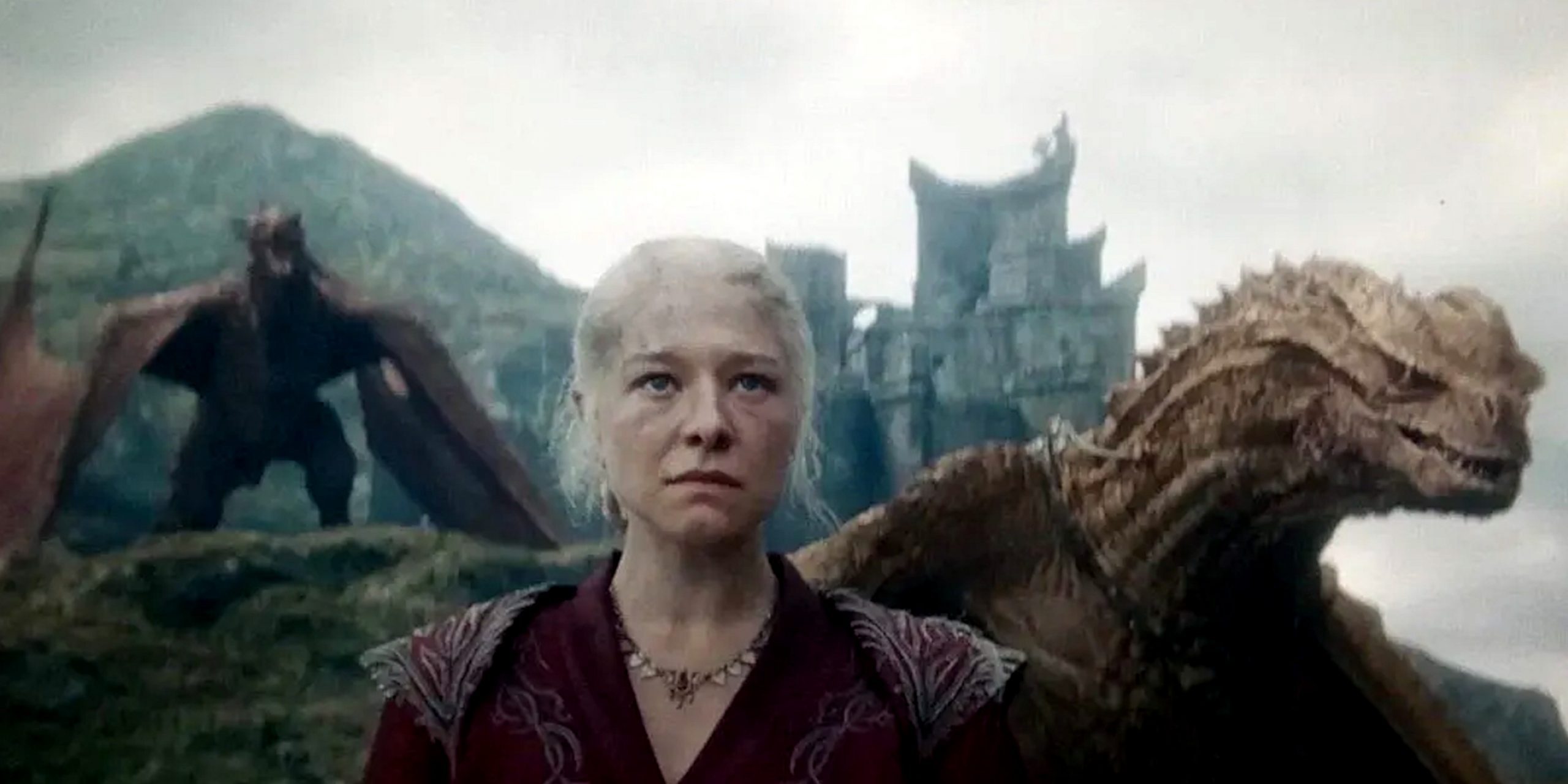
Caraxes accepted Daemon Targaryen. Syrax accepted Rhaenyra. Vhagar eventually accepted Aemond, despite the fact that he claimed her in the middle of the night with the confidence of someone who had never once considered the concept of consequences.
A dragon was not a horse with wings. It was closer to an enormous, intelligent, deeply temperamental creature with opinions.
Some dragons became fiercely loyal to one rider and never accepted another after their death. Others took several riders over their lives. A few remained wild and unclaimed.
The Targaryens could not truly control dragons in the sense of absolute obedience. They could bond with them. They could guide them. They could persuade them.
But dragons always retained their own will.
That is worth remembering because half the disasters in Targaryen history happened when someone forgot that point.
Why Other People Sometimes Rode Dragons
There are exceptions, and those exceptions matter.
During the Dance of the Dragons, several people known as the Dragonseeds managed to ride dragons despite not being official Targaryens.
Characters like Addam Velaryon, Hugh Hammer, Ulf White, and Nettles all formed bonds with dragons.
The likely reason is that they still had Valyrian ancestry somewhere in their bloodline. The Velaryons, for example, were another Valyrian family. Even the less noble Dragonseeds may have descended from old Targaryen bastards.
Nettles is the most interesting case because she may not have had Valyrian blood at all. Instead of magically bonding with Sheepstealer, she slowly earned the dragon’s trust by bringing it sheep every day.
Honestly, there is something almost funny about that.
While generations of dragonlords were busy insisting that only ancient blood and mysterious magic mattered, Nettles may have proved that dragons could also be won over with patience, bravery, and an endless supply of free food.
Every cat owner in the audience probably saw that coming.
Why the Targaryens Eventually Lost Their Dragons
If the Targaryens were so uniquely connected to dragons, why did the dragons die out?
Part of the answer is that the Targaryens became weaker as dragonlords over time.
The family intermarried less often. Their dragons were kept in captivity. The old Valyrian knowledge was slowly forgotten.
By the time of the later Targaryen kings, dragons had become smaller, weaker, and easier to control. Which sounds useful right up until you realise that a dragon small enough to fit comfortably in a stable is probably not going to help much in a war.
The last dragons eventually died, leaving only stories and a deeply suspicious collection of dragon skulls.
When Daenerys later hatches her dragons, it is presented as something close to a miracle. Her success suggests that the ancient bond between the Targaryens and dragons never fully vanished.
It was sleeping. Waiting. Probably plotting.
Did the Targaryens Really Control Dragons?
The word “control” may be slightly misleading.
The Targaryens had a unique ability to bond with dragons because of their Valyrian heritage, possible magical alterations, and centuries of carefully preserved bloodlines.
But dragons were never obedient pets.
They were dangerous, unpredictable creatures with their own instincts and tempers. The Targaryens could ride them, direct them, and sometimes influence them.
Yet every generation of dragonriders eventually learned the same lesson.
You do not own a dragon.
You merely convince it, briefly, that not eating you is in its best interests.
Takeaway
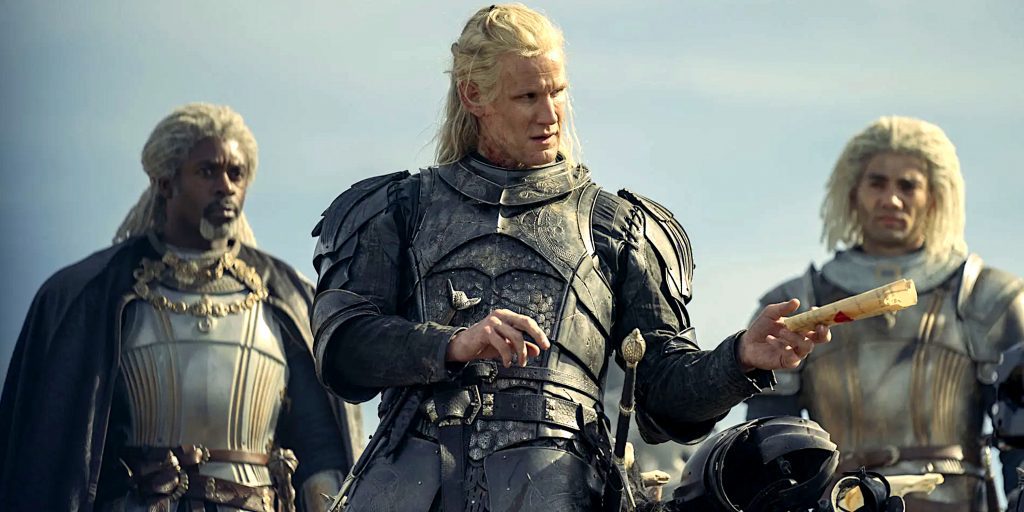
Part of what makes the Targaryens so fascinating is that their power always came with an edge of uncertainty.
Their connection to dragons gave them kingdoms, armies, and legends. It also gave them civil wars, arrogance, and the occasional reminder that sitting on top of a living flamethrower is not a long-term retirement plan.
That balance is what makes dragonriding in House of the Dragon and Game of Thrones feel so compelling. The Targaryens were powerful, but never completely safe. They stood closer to dragons than anyone else in history, yet they never truly mastered them.
And perhaps that is the real answer.
The Targaryens could control dragons because they were just close enough to understand them.
Not close enough to survive every time.