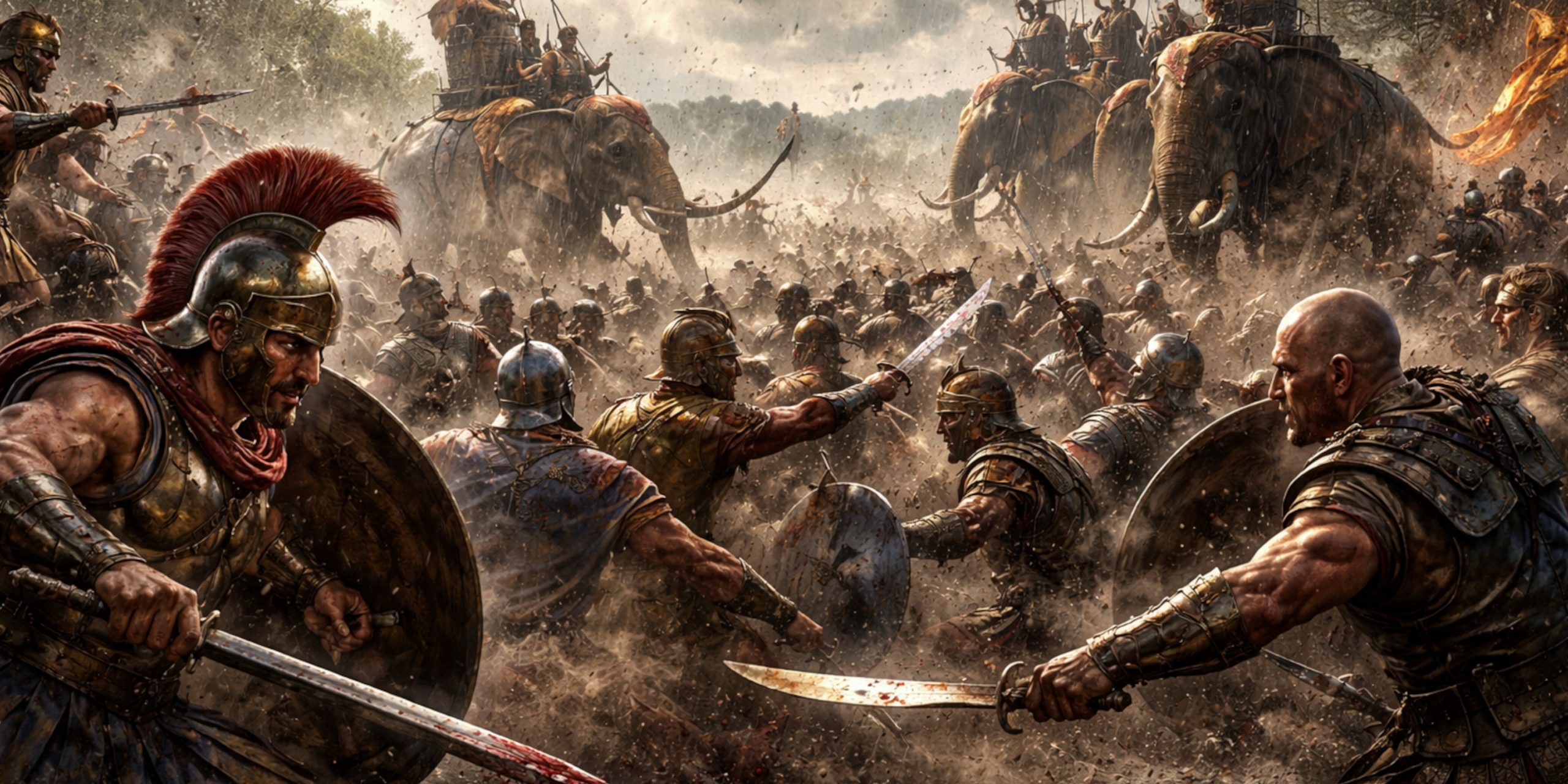
The Battle of the Crimissus, fought in 339 BC in western Sicily, was one of the most remarkable victories of the ancient Greek world. A relatively small army led by Timoleon of Corinth smashed a much larger Carthaginian force near the river Crimissus, probably close to modern-day western Sicily near Segesta.
It was the sort of battle that ancient historians adored. There was a brave underdog, a large and rather self-important enemy army, dreadful weather, heroic charges, confusion in the river, and a commander with the unnerving habit of doing exactly the unexpected thing.
For Timoleon, the victory secured Greek Sicily and broke Carthaginian ambitions for a generation. For Carthage, it was a humiliating defeat, made worse by the fact that many of its finest aristocrats were cut down in the mud while wearing expensive armour. One suspects the accountants of Carthage had a very difficult week afterwards.
Background
By the late fourth century BC, Sicily had become the battleground between the Greek cities of the island and Carthage. The Greek cities were divided by rivalry and civil war, while Carthage had steadily extended its influence across western Sicily.
In 344 BC, Timoleon arrived from Corinth to restore order in Syracuse. He overthrew tyrants, revived the city, and rebuilt Greek confidence. His success alarmed Carthage, which sent a major expeditionary force to crush him before his influence spread further.
The Carthaginian army landed in Sicily in 340 BC and advanced eastwards. Timoleon, with far fewer men, marched west to intercept them. He caught the enemy while they were crossing the Crimissus River during poor weather.
Ancient writers describe the battle as taking place in thick mist and heavy rain. Whether every detail is accurate or not, the conditions clearly played a major role. It was a miserable day to march, let alone to die in polished bronze beside a river.
Forces
Greek Army under Timoleon
Timoleon commanded a force of roughly 12,000 men.
| Troop Type | Estimated Numbers | Notes |
|---|---|---|
| Greek hoplites | 7,000 to 8,000 | Citizen infantry from Syracuse and allied cities |
| Mercenary infantry | 3,000 to 4,000 | Experienced professional troops |
| Cavalry | Around 1,000 | Used to harass and pursue |
| Light infantry | Several hundred | Javelin-men and skirmishers |
Carthaginian Army
Ancient sources give wildly inflated numbers, sometimes as high as 70,000. A more realistic estimate is around 30,000 to 35,000 men.
| Troop Type | Estimated Numbers | Notes |
| Sacred Band | 2,500 | Elite Carthaginian citizen infantry |
| Libyan infantry | 10,000 to 15,000 | Heavy infantry and spearmen |
| Iberian and Campanian mercenaries | Several thousand | Hard-fighting mercenaries |
| Cavalry | 1,000 to 2,000 | Numidian and Carthaginian horsemen |
| Chariots | Possibly 200 | Used in the opening phase |
Leaders and Troop Composition
| Side | Leader | Role | Troop Composition |
| Greeks | Timoleon | Commander-in-chief | Hoplites, mercenaries, cavalry and skirmishers |
| Greeks | Demaretus | Senior subordinate | Commanded sections of the hoplite line |
| Carthaginians | Hasdrubal | Senior commander | Led the main Carthaginian army |
| Carthaginians | Hamilcar | Carthaginian officer | Commanded elite and reserve troops |
Greek Strengths
- Highly disciplined hoplite infantry
- Experienced mercenaries hardened by Sicilian warfare
- Strong leadership and excellent timing
- Superior use of terrain and weather
Carthaginian Strengths
- Numerical superiority
- Elite Sacred Band of wealthy Carthaginian citizens
- Large body of mercenaries and supporting troops
- Strong equipment and prestige
Carthaginian Weaknesses
- Army divided while crossing the river
- Poor visibility in the mist
- Heavy armour and difficult footing in rain and mud
- Slow response to Timoleon’s sudden attack
Arms and Armour
The Battle of the Crimissus was fought largely between heavily armed infantry.
Greek Arms and Armour
Greek hoplites wore:
- Bronze or linen cuirasses
- Corinthian, Chalcidian or Attic helmets
- Greaves protecting the lower legs
- Large round hoplite shields
- Spears roughly 2 to 3 metres long
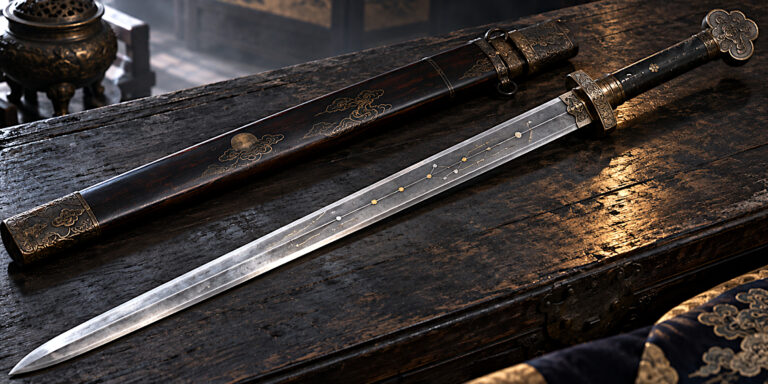
Specific sword types likely used by the Greeks included:
- Xiphos, a short straight double-edged sword used as a secondary weapon
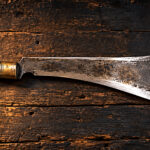
- Kopis, a forward-curving chopping sword favoured by some mercenaries and cavalry
| Weapon | Description | Typical User |
| Spear | Main hoplite weapon | Greek heavy infantry |
| Xiphos | Short stabbing sword | Hoplites |
| Kopis | Curved cutting sword | Cavalry and mercenaries |
| Javelin | Light throwing weapon | Skirmishers |
Carthaginian Arms and Armour
The Sacred Band wore rich and elaborate equipment, heavily influenced by Greek styles.
- Bronze cuirasses and helmets
- Large round shields
- Long spears
- Decorative crests and armour fittings
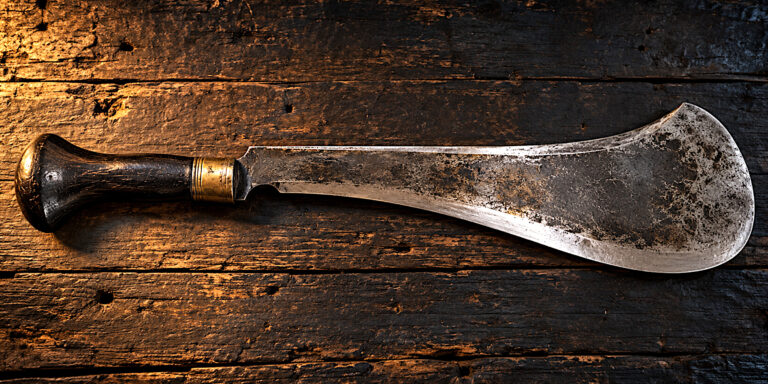
The Libyan and mercenary troops varied considerably. Iberian mercenaries may have carried curved swords similar to the falcata, while Campanians likely used Italic straight swords and spears.
| Weapon | Description | Typical User |
| Spear | Main weapon of heavy infantry | Sacred Band and Libyans |
| Xiphos-style sword | Secondary weapon | Sacred Band |
| Falcata-type sword | Curved Iberian blade | Iberian mercenaries |
| Javelin | Skirmishing weapon | Light infantry |
The Carthaginian elite were well equipped but perhaps rather too confident. Fine armour is all very well until it fills with muddy river water.
The Battle
Timoleon learned that the Carthaginians were crossing the Crimissus River. The weather was poor, with heavy mist limiting visibility. Rather than wait, he marched directly towards the sound of the enemy.
When the mist cleared, Timoleon saw that only part of the Carthaginian army had crossed the river. The Sacred Band and leading units were on one side, while much of the army was still trapped in the crossing.
He attacked immediately.
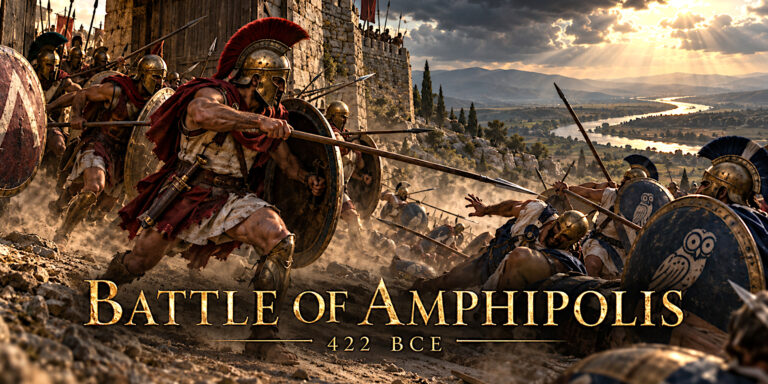
Greek cavalry struck first, slowing the Carthaginian advance. Timoleon then launched his hoplites downhill into the enemy line. The fighting was savage. The Sacred Band resisted stubbornly and suffered terrible losses.
At the height of the battle, a thunderstorm broke over the field. Wind and rain blew directly into the faces of the Carthaginians. The river swelled, the ground became slippery, and units trying to cross or retreat collapsed into confusion.
The Greek attack pushed the Carthaginians back towards the river. Many drowned while trying to escape. Others were cut down on the banks.
The defeat became a rout.
Battle Timeline
| Time | Event |
| Early morning | Timoleon marches through heavy mist towards the Crimissus River |
| Mid-morning | Greek scouts discover the Carthaginians crossing the river |
| Late morning | Timoleon launches an immediate attack before the enemy fully deploys |
| Noon | Greek cavalry and hoplites engage the Sacred Band |
| Early afternoon | Thunderstorm and heavy rain disrupt the Carthaginian army |
| Mid-afternoon | Carthaginian line collapses and retreat turns into a rout |
| Late afternoon | Greek forces secure the field and gather spoils |
Casualties
Ancient sources claim that the Carthaginians lost around 10,000 men, including nearly the entire Sacred Band. Greek casualties were far lighter, perhaps a few hundred.
| Side | Estimated Casualties |
| Greeks | 300 to 500 |
| Carthaginians | 10,000 or more |
The losses among the Carthaginian elite were especially severe. Ancient writers noted that many noble families of Carthage lost sons in the battle. The Sacred Band, once the pride of Carthage, never fully recovered.
Archaeology
The precise site of the Battle of the Crimissus remains uncertain. Most scholars place it near the modern Belice River in western Sicily, which may preserve the ancient name.
Archaeological work in the region has uncovered:
- Greek and Carthaginian weapon fragments
- Spearheads and javelin points
- Bronze fittings from armour and shields
- Coins from late fourth-century BC Sicily
Several finds near Segesta and the Belice valley suggest a major military engagement in the area. However, no single battlefield has yet been identified with complete certainty.
Like many ancient battles, Crimissus remains slightly elusive. Historians would dearly love a neat sign reading, “Battlefield Here.” Ancient armies, unfortunately, were inconsiderate enough not to leave one.
Contemporary Quotes
Plutarch, writing on Timoleon, described the battle:
“The river was difficult to cross, and the storm beat violently in the faces of the barbarians.”
He also praised Timoleon’s timing and leadership:
“Timoleon, seeing the enemy in disorder, urged on his men and charged them with great confidence.”
Diodorus Siculus emphasised the destruction of the Sacred Band:
“The Sacred Battalion of the Carthaginians was cut to pieces where it stood.”
These accounts are dramatic, and ancient historians did enjoy a flourish. Still, in this case the broad outline is convincing. The Carthaginian army was caught in the worst possible place at exactly the worst possible moment.
Aftermath
The victory at the Crimissus secured Timoleon’s position in Sicily. Carthage sued for peace and accepted a treaty that limited its power to western Sicily.
Timoleon returned to Syracuse in triumph. He spent the remainder of his life rebuilding the Greek cities of the island.
The battle also became one of the great examples of a smaller army defeating a larger one through timing, discipline and clever use of terrain. It belongs in the same conversation as Marathon and Leuctra, though it is often overlooked.
That is perhaps because it took place in Sicily, which ancient historians sometimes treated like the edge of the map. In truth, Sicily was one of the most important and fiercely contested regions of the ancient Mediterranean.
Why the Battle of the Crimissus Matters
The Battle of the Crimissus mattered for three reasons:
- It halted Carthaginian expansion into Greek Sicily
- It preserved Syracuse and the Greek cities from domination
- It demonstrated the importance of surprise, terrain and leadership in ancient warfare
Timoleon’s victory was not simply a lucky result of bad weather. He recognised an opportunity and acted instantly. That, more than anything, won the battle.
Many generals in history have seen an enemy trapped in the wrong place at the wrong time. Far fewer have had the nerve to attack immediately. Timoleon did, and Sicily was changed because of it.