The Horsemen Who Held an Empire Together
The Achaemenid Persian Empire stretched from the Aegean to the Indus. It covered mountains, deserts, river valleys and enough awkward terrain to make any quartermaster quietly reconsider his career choices. Holding together such a vast realm demanded speed, flexibility and men who could fight from horseback.
That is where the Persian cavalry came in.
From the reign of Cyrus the Great in the sixth century BC to the fall of Darius III at Gaugamela in 331 BC, cavalry sat at the centre of Persian warfare. Persian kings relied upon mounted troops to scout, raid, pursue, screen the army and, when required, smash into the enemy line with aristocratic bravado and a great many horses.
Greek writers often portrayed the Persians as weak horsemen who folded before proper Greek infantry. Greek writers also had a habit of writing after the Persians had already lost, which is rather like interviewing only the losing manager after a cup final and declaring you have understood the entire sport.
Archaeology, Persian reliefs and modern scholarship paint a more convincing picture. Achaemenid cavalry were highly skilled, varied in equipment and often among the finest mounted troops in the ancient world.
Origins of Achaemenid Cavalry
Persian society had deep roots in mounted warfare long before the empire emerged. The Persians and Medes came from the Iranian plateau, where horse breeding and riding carried prestige. Noblemen learned to ride, hunt and fight from childhood.
According to Greek tradition, Persian boys were taught three things:
- To ride
- To draw the bow
- To speak the truth
The first two certainly mattered more on campaign.
By the time Cyrus the Great overthrew the Medes and founded the empire, Persian cavalry already formed an important arm of his forces. The conquest of Median, Lydian and Central Asian lands brought further riding traditions into the empire. Persian armies increasingly combined native Persian nobles with Median cavalry, Saka horse archers, Bactrian riders and other mounted contingents from across the empire.
The result was not a single uniform cavalry force, but a remarkably diverse mounted arm.
Types of Achaemenid Persian Cavalry
Noble Cavalry
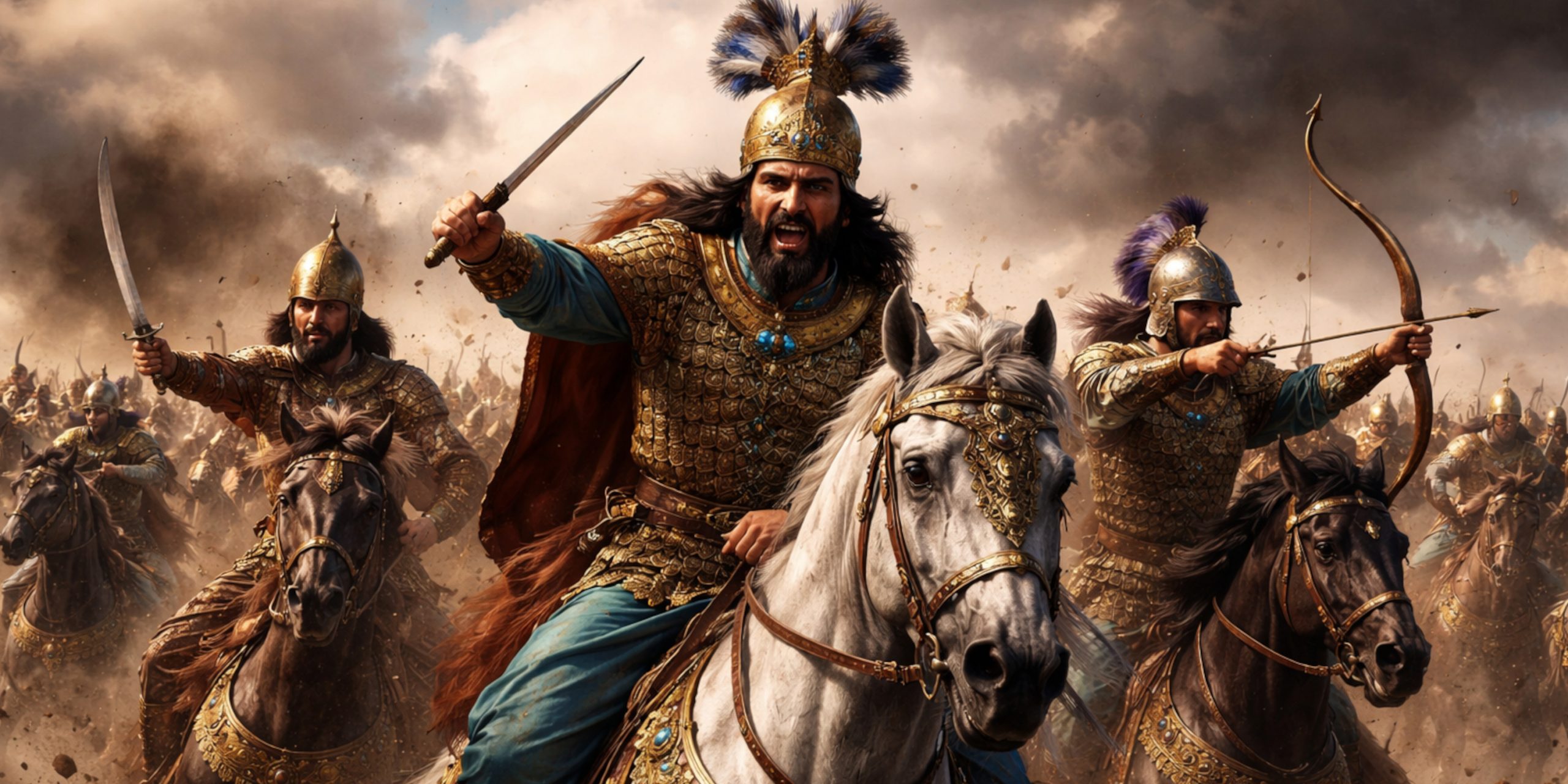
The elite of the Persian cavalry came from the Persian and Median aristocracy. These men supplied their own horses, weapons and armour. They fought as lancers and close combat cavalry, often serving near the king.
Greek authors describe these noble riders as the finest cavalry in the Persian army. At battles such as Cunaxa and Gaugamela, they formed the core of the Persian mounted force.
Typical features included:
- Strong horses bred on the Iranian plateau
- Spears or long thrusting lances
- Bows for use before close combat
- Scale armour or quilted protection
- Richly decorated clothing and equipment
Persian nobles had a taste for splendid dress. Reliefs from Persepolis show elaborately patterned robes, jewellery and finely groomed horses. One suspects that some Persian aristocrats entered battle with the confidence of a man who had spent longer polishing his beard than sharpening his spear.
Horse Archers
Horse archers formed one of the most important elements of Persian cavalry.
The Persians adopted the composite bow from the peoples of the steppe and used mounted archery extensively. Saka, Bactrian and other eastern contingents were especially skilled.
These cavalrymen:
- Rode lightly equipped horses
- Harassed enemy formations at range
- Fired while riding at speed
- Avoided close combat unless necessary
- Drew opponents out of formation
Mounted archery gave Persian armies great mobility. Against slower infantry or poorly organised enemies, horse archers could exhaust and disorganise an opponent before the main attack.
Heavy Cavalry
By the later Achaemenid period, particularly during the fourth century BC, heavier cavalry began to appear.
These troops wore scale armour and sometimes protected their horses with padded or scale coverings. They fought with longer lances and were intended for shock combat.
Although not yet the fully armoured cataphracts of the later Parthian and Sasanian periods, they clearly foreshadowed them.
The best known examples appeared in the armies of Darius III. At Gaugamela, Persian heavy cavalry included contingents from Bactria, Armenia and the royal guard.
Arms and Armour
The Composite Bow
The most important weapon of Persian cavalry was the composite bow.
Made from wood, horn and sinew, it had far greater power than a simple self bow. It could punch through lighter armour and deliver accurate fire from horseback.
Persian cavalry archers carried:
- A composite bow in a decorated bow case
- A quiver of arrows, often with bronze trilobate heads
- Spare bowstrings and equipment
Archaeological finds from across the Persian Empire have uncovered large numbers of three-bladed bronze arrowheads. These were designed to pierce shields and armour more effectively than simpler arrowheads.
Spears and Lances
Persian cavalry commonly used spears or lances once they closed with the enemy.
The lighter cavalry carried shorter thrusting spears, while noble and heavy cavalry often wielded longer lances. These could be used overarm or underarm depending on the situation.
Some later Persian cavalry appear to have used especially long two-handed lances. These may represent the beginnings of the heavy lancer tradition later perfected by Parthian cataphracts.
Swords and Daggers
Persian cavalry carried several types of bladed weapon.
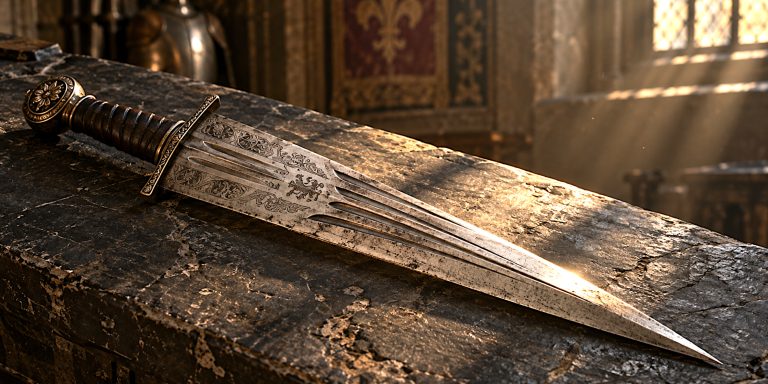
The most iconic was the akinakes, a short sword or long dagger associated with Persian nobles.
| Weapon | Description | Typical Use |
|---|---|---|
| Akinakes | Double-edged short sword, usually 35-50 cm long | Sidearm for nobles and cavalry officers |
| Kopis-style sword | Curved, forward-heavy blade seen in Greek depictions of Persian troops | Slashing weapon in close combat |
| Straight iron sword | Longer, simpler sword used by some eastern cavalry contingents | General battlefield use |
The akinakes was usually worn on the right side and suspended from an ornate scabbard. It appears frequently in Persian art and royal imagery.
Some cavalrymen, especially those from the western satrapies, may also have used curved swords similar to the Greek kopis or machaira. Greek vase paintings often show Persian cavalry with such weapons.
The sword was not the main weapon of Persian cavalry. It was what remained after the bow had emptied its quiver and the spear had either broken, vanished into an unfortunate opponent or been dropped somewhere in the confusion.
Armour
Persian cavalry armour varied according to wealth and status.
Common forms included:
- Quilted linen or felt armour
- Scale armour made of bronze or iron scales sewn onto cloth or leather
- Leather cuirasses
- Helmets of bronze, iron or hardened leather
- Arm guards and shin guards
Elite cavalry often wore scale corselets that protected the chest and shoulders. Xenophon mentions Persian cavalry wearing metal arm protection on the rein arm, an early form of armoured sleeve.
Helmets varied considerably. Some appear rounded and simple, while others included cheek pieces and neck guards.
Horse armour was rare in the earlier empire but appears more frequently in the later Achaemenid period. Some heavy cavalry horses may have worn padded cloth or scale protection over the neck and chest.
Tactics and Battlefield Role
Persian cavalry rarely fought alone. Their strength came from cooperation with infantry, archers and other mounted troops.
A typical Persian battle plan often worked like this:
- Horse archers moved forward to harass the enemy
- Cavalry on the wings attempted to outflank the opponent
- Noble cavalry charged weakened or exposed formations
- Mounted troops pursued fleeing enemies after the battle
Persian cavalry excelled on open ground. In the wide plains of Mesopotamia, Syria and Iran they could use their mobility to devastating effect.
They were less effective in rough country or against disciplined infantry formations that maintained cohesion. Greek hoplites and later Macedonian phalanxes could resist cavalry if they stood firm.
Even so, Persian cavalry sometimes came close to victory.
At the Battle of Plataea, Persian cavalry repeatedly harassed the Greek line. At Cunaxa in 401 BC, the cavalry of Cyrus the Younger nearly won the day. At Gaugamela, Persian mounted troops briefly threatened Alexander’s flank and rear.
Famous Cavalry Units and Royal Guards
The King’s Cavalry
The king maintained an elite mounted guard drawn from Persian nobles. These cavalrymen served close to the ruler and accompanied him on campaign.
Greek writers sometimes refer to them as the “kinsmen” or royal companions. They likely represented the finest equipped and most prestigious cavalry in the empire.
The Apple Bearers
Although usually associated with infantry guards, some noble cavalry may have carried spears with apple-shaped butt spikes similar to those of the famous royal guard.
Bactrian and Saka Cavalry
The eastern satrapies supplied some of the empire’s most formidable mounted troops.
Bactrian cavalry were noted for their strong horses and heavier equipment. The Saka, meanwhile, were renowned horse archers from the steppes.
At Gaugamela, these eastern cavalry contingents formed some of the strongest parts of Darius III’s army.
Major Battles Involving Persian Cavalry
| Battle | Date | Role of the Cavalry |
| Thymbra | c. 547 BC | Cyrus the Great used cavalry and camels to defeat Lydia |
| Marathon | 490 BC | Persian cavalry may have been absent or delayed, a major reason for defeat |
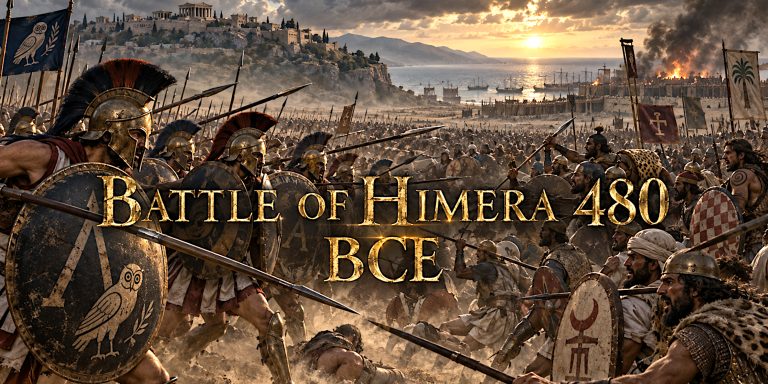
| Plataea | 479 BC | Persian cavalry under Masistius aggressively harassed Greek forces |
| Cunaxa | 401 BC | Cavalry of Cyrus the Younger fought fiercely against Artaxerxes II |
| Issus | 333 BC | Persian cavalry struggled in narrow terrain |
| Gaugamela | 331 BC | Persian cavalry nearly enveloped Alexander’s army on both flanks |
The battle of Gaugamela remains the clearest demonstration of Persian cavalry power.
Darius III deployed thousands of cavalry on the wings. Bactrians, Scythians, Persians and Medes all took part. For a moment Alexander’s army was in genuine danger. The Persian cavalry broke through in places and reached the Macedonian baggage train.
Unfortunately for Darius, Alexander then charged directly at him. Persian battle plans often had one unfortunate weakness. If the king lost his nerve or disappeared from view, the entire army tended to follow.
Archaeology
Archaeology has transformed our understanding of Achaemenid cavalry.
For a long time historians relied heavily on Greek writers such as Herodotus and Xenophon. Modern discoveries have provided a more balanced picture.
Persepolis Reliefs
The reliefs at Persepolis are among the most important sources.
They show Persian and Median nobles leading horses, carrying weapons and wearing elaborate clothing. While these scenes are ceremonial rather than battle scenes, they reveal important details about dress, bridles, horse equipment and weapons.
Susa and Glazed Brick Reliefs
The glazed brick reliefs from Susa show royal guards with richly decorated equipment. Some details of armour and weaponry closely resemble what we know of cavalry equipment.
Tomb Finds and Weapons
Archaeologists have discovered:
- Bronze and iron arrowheads
- Horse bits and bridles
- Scale armour fragments
- Akinakes swords and daggers
- Decorative scabbard fittings
Akinakes daggers have been found in Persia, Central Asia and the Caucasus. Many are highly ornate and were probably symbols of rank as much as battlefield weapons.
The Oxus Treasure
The famous Oxus Treasure includes small gold figures and military items from the Achaemenid period. Some appear to depict mounted warriors and cavalry equipment.
Dura-Europos and Later Evidence
Although later than the Achaemenid Empire, finds from Dura-Europos and other eastern sites help explain how Persian heavy cavalry evolved. They show the development of scale armour for both rider and horse, a tradition that likely began in the late Achaemenid world.
Contemporary Quotes
Herodotus admired the Persian emphasis on riding and archery:
“From the age of five to twenty they teach their sons only three things: to ride, to draw the bow, and to speak the truth.”
Xenophon, who had seen Persian cavalry in action, described them as dangerous and well equipped:
“Their cavalry were exceedingly numerous and admirably mounted.”
Arrian, writing about Gaugamela, described the scale of the Persian mounted attack:
“The whole plain was filled with horsemen.”
Even Greek and Macedonian writers, who generally enjoyed pointing out Persian failings with great enthusiasm, admitted that Persian cavalry could be formidable.
Legacy
The cavalry traditions of the Achaemenid Empire did not vanish with Alexander.
Persian methods survived in the armies of the Seleucids, Parthians and Sasanians. The later cataphract, perhaps the most famous heavy cavalry of the ancient world, grew directly from Achaemenid and eastern Iranian traditions.
Persian cavalry also influenced:
- Hellenistic cavalry tactics
- Roman eastern cavalry units
- Central Asian mounted warfare
- The later armoured knights of the Near East
The Persian Empire was, in many ways, a cavalry empire. Its roads, communications and military power all depended upon mounted men.
The image of the Persian cavalryman remains one of the defining symbols of the ancient Near East: a noble on horseback, bow at his side, spear in hand, riding across the dust of an empire that once stretched across half the known world.