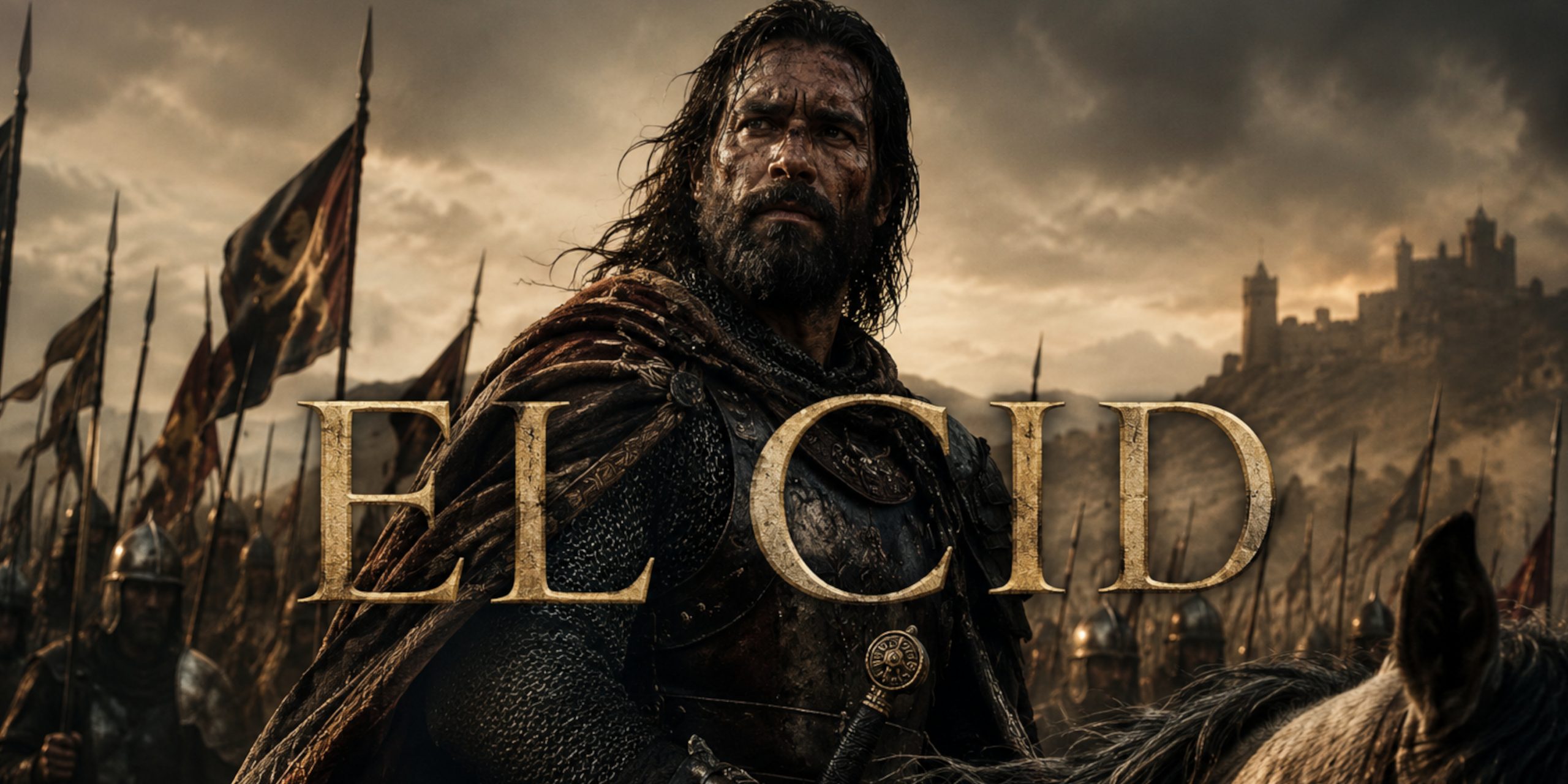
Rodrigo Díaz de Vivar, better known as El Cid, remains one of the most fascinating and complicated figures of medieval Europe. Born around 1043 near Burgos in the Kingdom of Castile, he became a knight, commander, exile, mercenary leader and eventually ruler of Valencia.
The popular image of El Cid is often wrapped in romance. Later stories present him as the perfect Christian knight fighting the Reconquista against Muslim powers. The reality is much more interesting. Rodrigo lived in an Iberian world where Christian and Muslim rulers fought, allied, traded and betrayed each other with remarkable flexibility. Loyalty was often personal and political rather than purely religious.
As a historian, this is what makes El Cid stand out. He was not a simple hero from a medieval poem. He was a survivor of a brutal political landscape who understood warfare, diplomacy and reputation better than almost anyone of his age.
Early Life and Rise in Castile
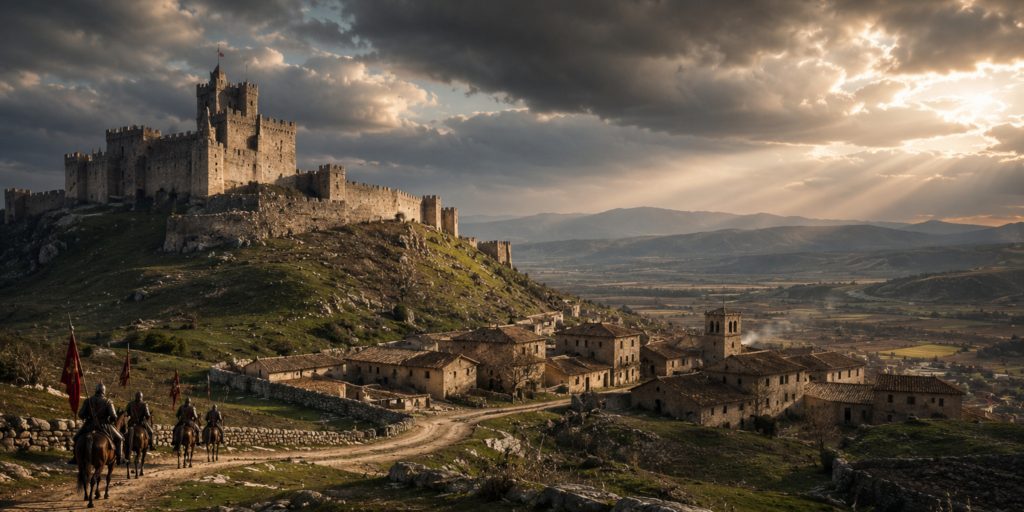
Rodrigo Díaz was born into the lower nobility of Castile. His family had connections to the royal court, allowing him to enter the service of Prince Sancho, the future King Sancho II of Castile.
He received the education expected of an elite warrior:
- Horse riding and cavalry combat
- Swordsmanship
- Lance fighting
- Military command
- Law and administration
- Court politics
This final skill mattered almost as much as his ability with a blade. Medieval Iberian courts could be as dangerous as battlefields.
Under Sancho II, Rodrigo became an important military figure and earned the title Campeador, meaning something close to “battlefield champion” or “master of battle.”
The Name El Cid
The title “El Cid” comes from the Arabic al-sayyid, meaning “the lord” or “the master”.
It was probably given to him by those who served under him, including Muslims. This detail reveals the complexity of his career. Rodrigo was admired and feared across cultural boundaries, and his armies included both Christian and Muslim soldiers.
Exile and Life as a Mercenary
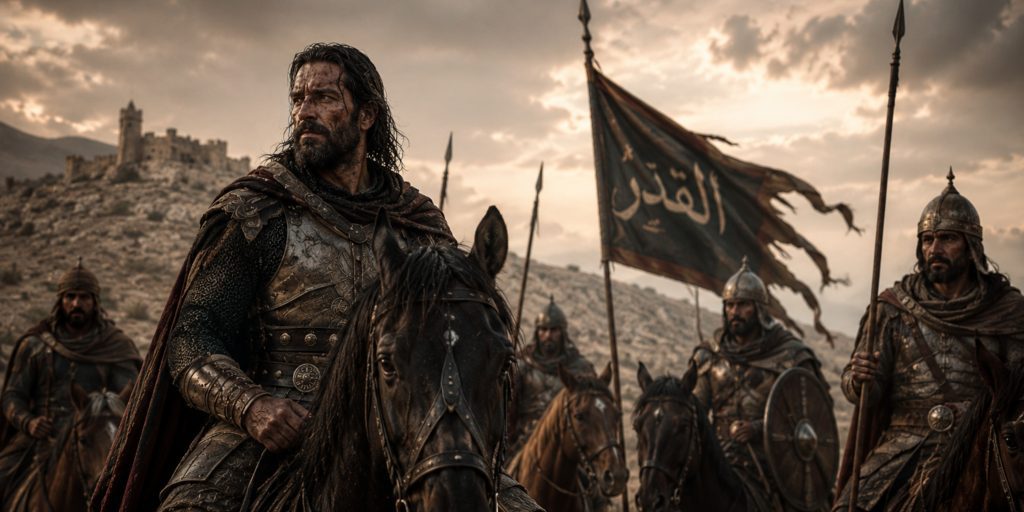
After Sancho II was killed in 1072, Rodrigo entered the service of Sancho’s brother Alfonso VI of León and Castile. Their relationship was difficult.
By 1081, Rodrigo was exiled after acting without royal permission during military operations. Exile could have destroyed another nobleman. For Rodrigo, it created a new career.
He entered the service of the Muslim ruler of Zaragoza, fighting against both Muslim and Christian enemies. Modern readers sometimes find this surprising, but in 11th century Iberia it was not unusual. Politics often mattered more than religion when survival was involved.
His years as a mercenary commander sharpened his abilities and expanded his reputation.
Battles and Military Acumen
El Cid’s success came from more than personal courage. Medieval literature loves heroic charges, but Rodrigo’s greatest strength was his ability to manage armies.
He understood:
- Intelligence gathering
- Rapid movement
- Psychological warfare
- Flexible alliances
- Supply management
- Defensive positioning
A knight who could fight was common. A knight who could organise, pay and command a mixed army for years was rare.
Major Battles and Campaigns
| Battle / Campaign | Date | Opponents | Result |
|---|---|---|---|
| Battle of Graus | 1063 | Forces opposing Zaragoza | Early military experience |
| War of the Three Sanchos | 1065 to 1067 | Navarre and Aragón | Castilian success |
| Battle of Cabra | 1079 | Granada and allies | Rodrigo victory |
| Defence of Zaragoza | 1080s | Various rivals | Built his reputation |
| Conquest of Valencia | 1094 | Taifa and Almoravid forces | Captured Valencia |
| Battle of Cuarte | 1094 | Almoravid army | Major victory |
| Battle of Bairén | 1097 | Almoravid forces | Rodrigo victory |
His capture of Valencia was his greatest achievement. Rather than winning a single battle, he created a semi-independent lordship and successfully defended it against the powerful Almoravids.
The Capture of Valencia
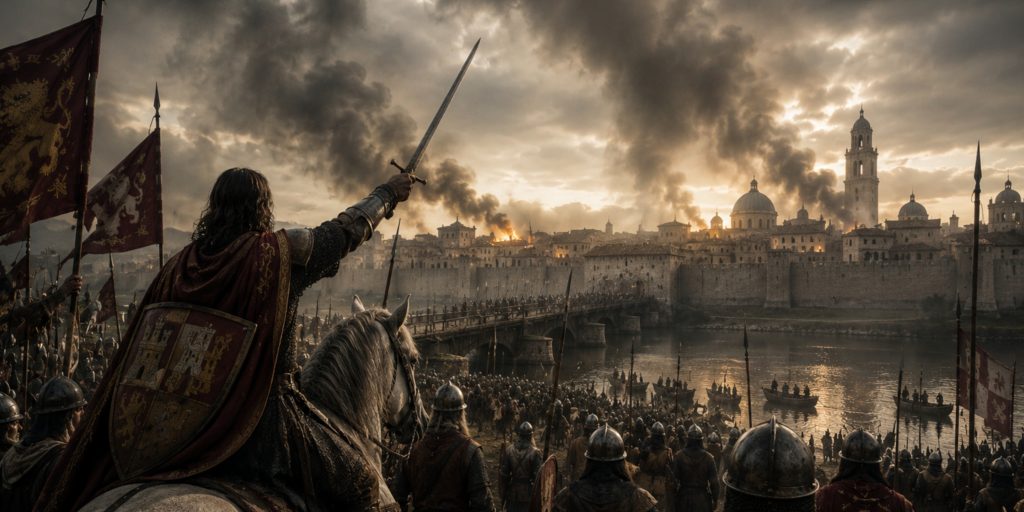
Valencia was one of the richest cities in Iberia, making Rodrigo’s conquest in 1094 extraordinary.
He was no longer simply a knight serving a king. He had become a ruler.
His government relied on a mixed population of Christians and Muslims. Although later legends present Valencia as a purely religious conquest, Rodrigo’s rule was far more pragmatic.
He needed farmers, merchants, administrators and soldiers. Destroying the city’s existing society would have damaged his own power.
Arms and Armour of El Cid
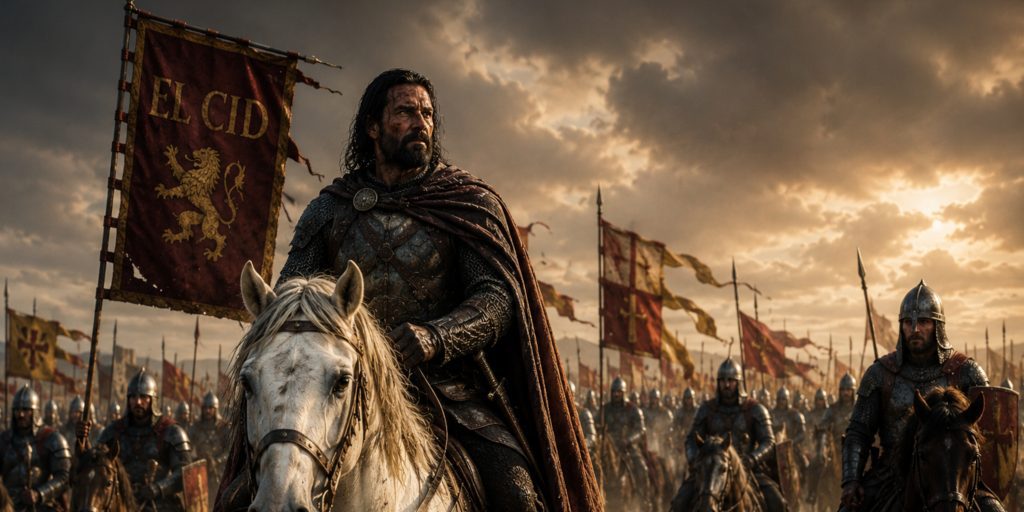
El Cid lived during a transitional period of medieval warfare. The heavily armoured knight was becoming dominant, but equipment still reflected earlier traditions.
Weapons Associated with El Cid
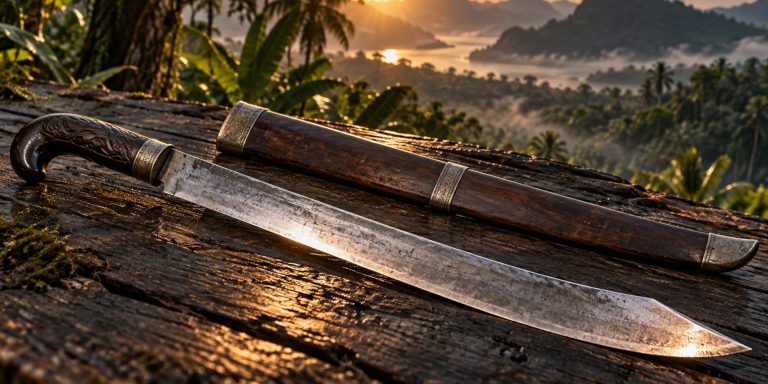
Swords
The sword was the defining weapon of a noble warrior.
Likely examples from Rodrigo’s lifetime would have included:
- Straight double-edged knightly swords
- Broad cutting blades suited for mounted combat
- Early medieval forms later classified around Oakeshott Types X and XI
These swords usually featured:
- Blade length: Around 75 to 90 cm
- Straight crossguard
- One-handed grip
- Fuller running along the blade to reduce weight
Two swords are traditionally connected to El Cid:
The most famous sword associated with Rodrigo. A sword displayed today as Tizona survives, although debate continues over how much of it genuinely dates from his lifetime.
Colada
Another legendary sword from the El Cid tradition, heavily featured in later literature.
Other Weapons
El Cid and his warriors would also have used:
- Lance: The primary cavalry weapon
- Spear: Used by infantry and mounted troops
- Dagger: Backup weapon
- Javelins: Still common among some Iberian forces
Armour and Battlefield Equipment
A warrior of Rodrigo’s status would have worn elite equipment for the 11th century.
Typical armour included:
Mail Hauberk
The most important protection.
Features:
- Thousands of linked iron rings
- Covered torso, shoulders and arms
- Flexible enough for riding
- Expensive and difficult to produce
Helmet
Common designs included:
- Conical nasal helmets
- Steel construction
- Nose guard protecting the face
Shield
The kite shield became popular among cavalry.
Advantages:
- Protected the rider’s body and leg
- Worked effectively from horseback
- Allowed heraldic decoration in later periods
Contrary to some film portrayals, El Cid’s armour was practical rather than decorative. A battlefield was a terrible place to discover your equipment looked impressive but failed at its actual job.
The Death of El Cid
Rodrigo Díaz died in Valencia in 1099.
The famous story claims his body was strapped to his horse after death so he could lead one final charge and terrify his enemies.
It is a fantastic image, but almost certainly legendary.
The truth is impressive enough. He had risen from noble warrior to independent ruler through military skill, intelligence and political instinct.
El Cid in Medieval Sources
The most influential source is the epic poem:
Cantar de mio Cid
Written after his death, it transformed Rodrigo into a model knight.
However, historians also use sources such as:
- Historia Roderici
- Arabic chronicles
- Legal and administrative records
The contrast between Christian and Muslim accounts creates a more balanced picture. Some admired him. Others considered him ruthless and ambitious.
Both views probably contain some truth.
Artefacts From El Cid’s Reign and Where to See Them
Few personal objects can be confidently connected directly to Rodrigo Díaz, but several important sites and artefacts preserve his world.
Burgos Cathedral, Spain
The most significant location connected with El Cid.
Visitors can see:
- Tomb of Rodrigo Díaz de Vivar
- Tomb of his wife Jimena Díaz
- Historical displays connected with Castilian medieval history
Museum of Burgos
Contains medieval objects from the region, including:
- Weapons
- Armour fragments
- Archaeological finds from medieval Castile
Museum of the Army, Toledo
Useful for understanding the military world of El Cid.
Collections include:
- Medieval Iberian weapons
- Armour
- Military artefacts
Valencia
Important surviving locations include:
- Medieval defensive remains
- Archaeological sites connected to Islamic and Christian Valencia
- Urban remains from the period surrounding Rodrigo’s rule
Latest Archaeology and Historical Research
Modern research has focused less on proving legends and more on understanding the real 11th century world around El Cid.
Recent areas of study include:
Medieval Valencia Excavations
Archaeologists continue to study Islamic Valencia, including:
- City walls
- Domestic buildings
- Trade evidence
- Urban development
These discoveries show the wealthy and sophisticated city Rodrigo captured.
Scientific Study of Tizona

Metallurgical analysis has suggested parts of the sword known as Tizona may date close to the medieval period, although its exact connection to Rodrigo remains debated.
The challenge with famous weapons is simple: legends travel faster than paperwork.
Battlefield Landscapes
Modern historians use:
- Landscape archaeology
- Military geography
- Documentary comparison
This has improved understanding of how Rodrigo moved armies and controlled territory.
Legacy of El Cid
El Cid’s legacy changed over centuries.
To medieval writers, he became the perfect knight. To later Spain, he became a national hero. To modern historians, he is something more complex:
- Brilliant commander
- Political survivor
- Mercenary leader
- Frontier warlord
- Symbolic figure
Removing the mythology does not make him smaller. If anything, the real Rodrigo Díaz is more impressive.
The legendary El Cid won impossible battles. The historical El Cid achieved something harder: he mastered the unpredictable world he actually lived in.