There is something oddly compelling about watching Ralph Fiennes examine soil. That sounds like a questionable recommendation for an evening’s entertainment, but The Dig makes a persuasive case.
Simon Stone’s historical drama follows the excavation of Sutton Hoo on the eve of the Second World War. Its appeal rests on patient observation, restrained performances and the growing awareness that the people uncovering this ancient burial are living through the end of their own familiar world.
The Dig is worth watching for Fiennes and Carey Mulligan alone. Its treatment of archaeological discovery is absorbing, its countryside photography is beautiful, and its emotional restraint usually works in its favour. The reservations come from a less convincing romantic subplot and historical alterations that deserve more scrutiny than the film’s gentle manner might suggest.
The Dig at a Glance
| Detail | Information |
|---|---|
| Release year | 2021 |
| Director | Simon Stone |
| Screenwriter | Moira Buffini |
| Source material | John Preston’s novel The Dig |
| Running time | 112 minutes |
| Genre | Historical drama |
| Principal cast | Ralph Fiennes, Carey Mulligan, Lily James and Johnny Flynn |
The film adapts a novel inspired by real events. That distinction matters when judging its version of the people involved. Production details are listed in the British Council’s film database.
What Is The Dig About?

Widowed landowner Edith Pretty hires Suffolk excavator Basil Brown to investigate the burial mounds on her estate. What begins as a local undertaking becomes a discovery of national importance as the outline of an Anglo-Saxon ship emerges from the earth.
The excavation attracts outside specialists, bringing disagreements over authority, expertise and recognition. Meanwhile, Edith’s health, her son Robert’s future and the approaching war give the work an increasingly urgent emotional context.
The premise is straightforward, but the film finds tension in small decisions. Where should Brown dig? What does a line of corroded iron mean? Who gets to decide what happens next?
It trusts the audience to become interested in the process. I appreciate that confidence. A discovery feels more significant when we have been allowed to notice the evidence taking shape.
Ralph Fiennes Makes Basil Brown the Film’s Centre
Fiennes gives the strongest performance here. His Brown is practical, observant and quietly stubborn, with a sense of professional pride that requires very little explanation.
Watch how he handles tools, studies the ground or pauses before answering someone who has underestimated him. His expertise appears through behaviour rather than a convenient speech about being misunderstood.
The Suffolk accent helps establish the character, but the physical performance does more of the work. Brown looks like someone accustomed to spending long days outdoors, making careful judgements that other people barely notice.
The film also gives him a welcome edge. He can be defensive and difficult. Those qualities make him more convincing than a faultlessly humble outsider waiting for the establishment to recognise his brilliance.
His scenes with Robert offer warmth without overwhelming the character. Their shared curiosity gives the excavation an emotional life beyond professional rivalry.
Carey Mulligan Gives Edith Pretty Quiet Authority
Mulligan’s Edith is controlled, watchful and increasingly aware of time passing. Her grief and illness shape the performance, but she retains a firm sense of purpose.
The strongest scenes between Edith and Brown depend on mutual attention. She listens to his judgement; he takes her interest seriously. Their relationship becomes the foundation of the film without needing to become a romance.
That restraint suits the story. Two people can develop a meaningful connection through work, trust and a shared question about what lies beneath a field.
There is a limitation, though. Edith’s declining health sometimes receives so much emphasis that her curiosity risks becoming secondary. I would have liked more room for the woman who chose to commission the excavation, rather than chiefly the woman contemplating what she would leave behind.
The Excavation Is More Interesting Than the Romance
The first part of The Dig has a clear focus. Brown investigates, Edith supports him, and the emerging ship changes everyone’s understanding of the site.
The later arrival of Peggy Piggott, her husband Stuart and photographer Rory Lomax broadens the story. Lily James brings sensitivity to Peggy, while Johnny Flynn gives Rory an easy warmth. Their attraction offers another response to the uncertainty of approaching war.
Even so, the romantic material is less distinctive than the excavation.
There is already plenty at stake in the main story: professional recognition, ownership, loss and the responsibility of preserving something fragile. The romance competes with those concerns rather than consistently enriching them.
Whenever the film returns to the burial, it becomes more absorbing. Apparently, ancient rivets can hold their own against an attractive man with a camera.
How Historically Accurate Is The Dig?
The central discovery is real, but several character relationships and incidents have been reshaped.
The National Trust’s account of the excavation provides useful corrections.
| Film element | Historical context |
|---|---|
| Brown’s archaeological expertise | He was self-taught but already worked as an archaeological contractor for Ipswich Museum |
| Friction with Charles Phillips | The National Trust describes their relationship as respectful |
| Peggy’s apparent inexperience | She had archaeological qualifications and field experience before Sutton Hoo |
| Rory Lomax | He is fictional; Mercie Lack and Barbara Wagstaff were important real photographers of the excavation |
| Aircraft crash near the dig | No aircraft crashed at Sutton Hoo during the excavation |
| Edith’s donation | She genuinely gave the finds to the nation |
These changes carry different weight. Inventing a supporting character is an ordinary dramatic device. Making an accomplished woman appear less experienced is harder to overlook, particularly in a film interested in whose contributions receive recognition.
The treatment of Phillips also simplifies the excavation into a more familiar struggle between local knowledge and institutional authority. That creates immediate tension, but cooperation can be interesting too.
The Dig is an inviting introduction to Sutton Hoo. It works best when followed by a little reading about the actual participants.
Why Sutton Hoo is So Important

The ship burial belongs to the early seventh century. Its contents reveal an elite society with exceptional craftsmanship, substantial wealth and connections reaching far beyond East Anglia.
Rædwald is a leading candidate for the person buried there, but the identification remains uncertain. The British Museum’s overview of the burial explains both its significance and the limits of what can be established.
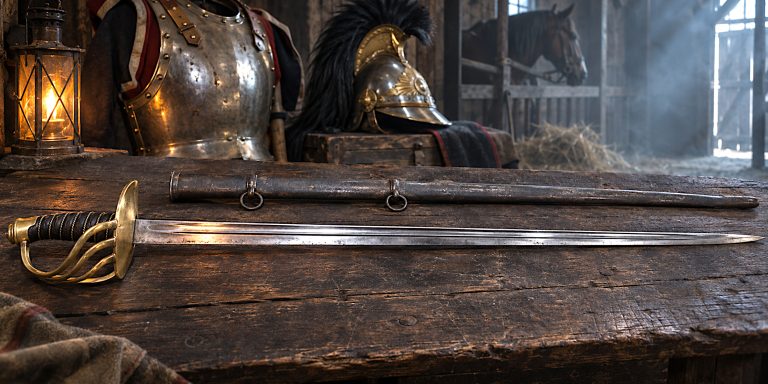
For Seven Swords readers, the military equipment deserves particular attention. The burial included a sword, shield and the celebrated helmet, objects that connected martial authority with wealth and status. Their decoration also makes clear how much artistic skill could be invested in equipment associated with warfare.
The film spends relatively little time examining these objects individually. Its interest lies in their discovery and the people responsible. That is a reasonable choice, although anyone hoping for a detailed exploration of Anglo-Saxon arms and armour will need to look elsewhere.
Cinematography, Sound and Atmosphere
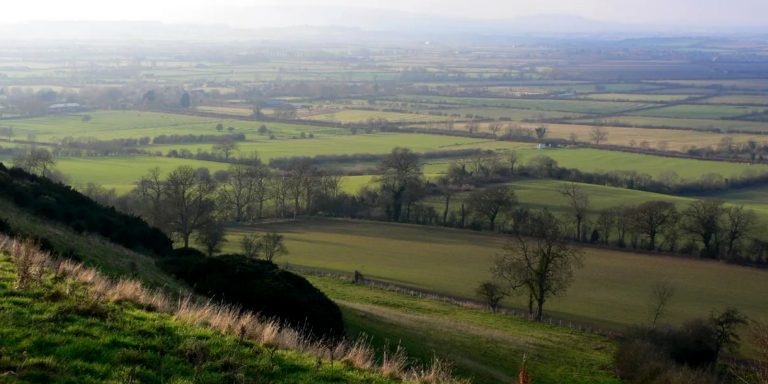
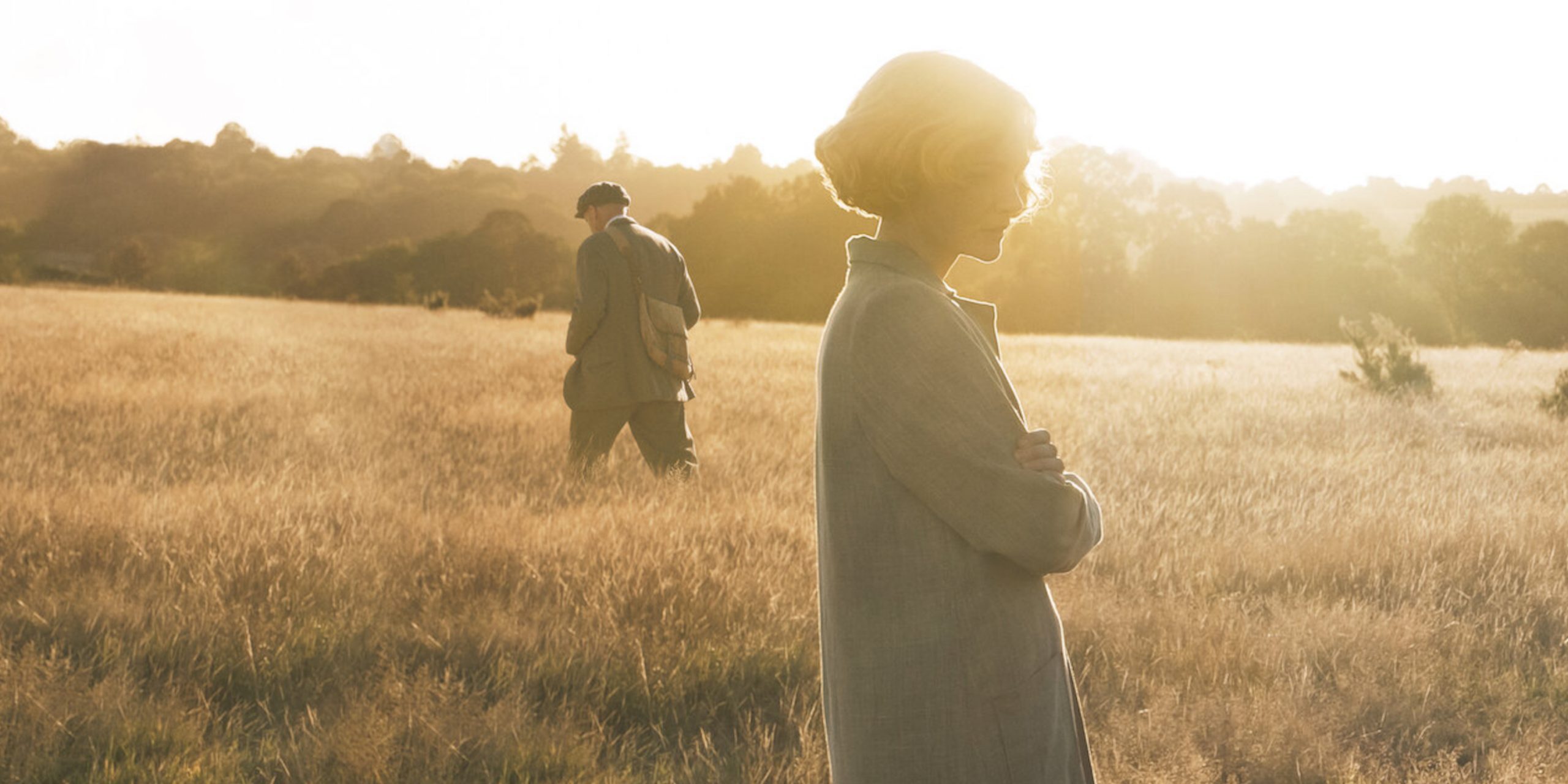
Mike Eley’s cinematography gives the landscape room to breathe. Wide skies, disturbed earth and changing light make the excavation feel physically exposed.
The prettiness serves a purpose. The countryside appears settled and familiar, while the burial reveals how much history exists beneath that reassuring surface. Aircraft overhead introduce another layer of unease.
The sound contributes just as much. Wind, tools and pauses in conversation give the work texture. The quieter passages allow us to observe rather than constantly being told what to feel.
Occasionally, the film pushes its reflections on time and mortality a little too insistently. A meaningful silence becomes less effective when another meaningful silence follows immediately after it. Mostly, though, the atmosphere feels earned.
Is The Dig Worth Watching?
Yes, especially if you enjoy historical dramas built around character, place and discovery.
Its measured pace suits viewers happy to spend time with uncertainty and small shifts in relationships. Those looking for an archaeological thriller may find the middle section slow, particularly when the excavation gives way to romantic complications.
Fiennes and Mulligan provide a strong reason to stay. Their performances make curiosity, professional pride and grief feel closely connected without flattening those emotions into a single message.
My main reservation is the gap between the film’s concern for overlooked contributors and the liberties it takes with some of those contributors. That tension does not erase its achievements, but it keeps the film from being wholly satisfying.
Where to Watch The Dig
The Dig is listed on Netflix. Check your local catalogue for availability.
Final Verdict
The Dig is at its best when someone notices something in the ground and understands that it matters.
Those moments give it a distinctive appeal. Fiennes makes expertise compelling, Mulligan gives the story emotional weight, and the excavation itself supplies a sense of wonder without requiring much embellishment.
The romance is less assured, and the historical characterisations warrant caution. Still, this is a thoughtful, beautifully performed drama that can make you curious enough to investigate the real story afterwards.
Rating: 4 out of 5.