28 November 2026. Spoiler-light, including discussion of the finale.
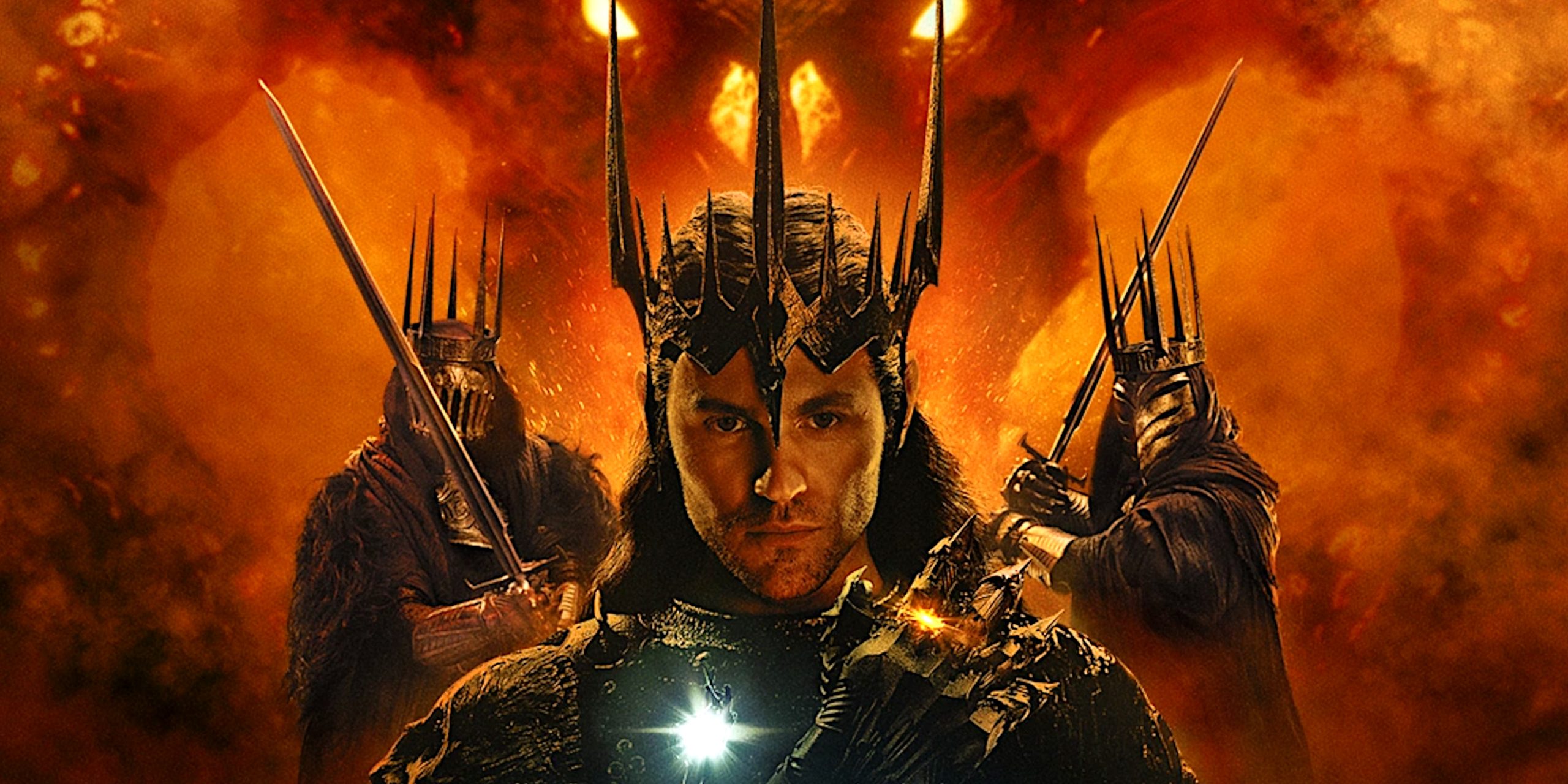
The most interesting question in The Rings of Power Season 3 is what happens when Sauron tries to do Celebrimbor’s job. He has the fortress, the ambition and a fairly relaxed attitude towards workplace grievances. What he lacks is the craftsman. For several critics, watching Charlie Vickers play a Dark Lord who still has something to prove was the pleasure of returning to Middle-earth.
The season earned broadly favourable reviews. Its five-year jump brings the war between Sauron and the Elves straight into view, and reviewers picked out Galadriel’s reunion with Celeborn and a family dispute beneath Khazad-dûm. The main disagreement, especially after the finale on 25 November, was whether eight episodes gave those stories room to breathe.
How did critics rate The Rings of Power Season 3?
On 28 November, Rotten Tomatoes listed 87% positive reviews from 76 critics. Its average among critics who supplied a rating was 7.4 out of 10. The distinction helps here. A reviewer can recommend a season while having fairly substantial complaints about how it ends.
Louise Griffin gave Season 3 four stars out of five in Radio Times. Her reason for welcoming the change in pace was admirably blunt: “Mostly, that it gets to the point.” She liked how quickly it established what Sauron wanted and how much time the writers found for the people in his way. Graeme Virtue’s three-star Guardian review registered some of the same improvements, with less conviction that they had arrived in time. Two critics could agree the series had found its feet and still differ on whether it was worth the walk.
How do the audience scores compare with Seasons 1 and 2?
| Season | Critics | Critic reviews | Audience | Audience ratings |
|---|---|---|---|---|
| Season 1 (2022) | 84% | 487 | 38% | 25,000+ |
| Season 2 (2024) | 85% | 173 | 58% | 5,000+ |
| Season 3 (2026) | 87% | 76 | 64% | 500+ |
Rotten Tomatoes, checked 28 November 2026. The Tomatometer counts positive critic reviews. The Popcornmeter counts viewers who rated the season at least 3.5 stars out of five.
Season 3 leads on both measures, but the audience figures tell the more interesting story. Most of the 26-point rise came between Seasons 1 and 2, when audience approval jumped from 38% to 58%. Season 3 added another six points. Critics, already broadly in favour at the start, moved just three points across all three runs.
Has the show won its doubters round? The scores alone can’t tell us. Season 1 has more than 25,000 audience ratings. Three days after its finale, Season 3 was still in the 500+ bracket. We know a greater share of the people rating the latest season liked it. Whether the people who gave up on Season 1 ever pressed play again is another question.
Why Charlie Vickers’s Sauron stood out
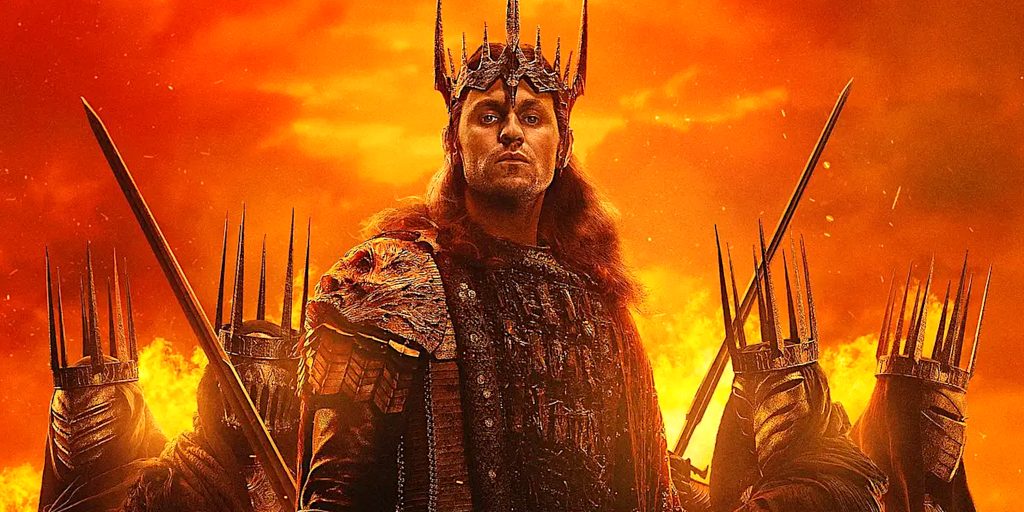
Griffin picked up on the frustration in Vickers’s performance as Sauron tries to reproduce Celebrimbor’s work. It gives the forging of the One Ring an element of suspense even for viewers who know exactly whose finger it ends up on. The question is how much the great deceiver learnt from someone he thought he could use.
Molly Edwards at GamesRadar+ also singled out Sauron, while Rotem Rusak at Nerdist welcomed the darker mood and judged this the strongest season yet. I can see the appeal of that particular villain. Give Sauron an army and you know roughly what he’ll do with it. Give him five minutes alone with someone who thinks they’re cleverer than he is and I’d quite like to hear the conversation.
Galadriel, the Dwarves and a crowded Middle-earth
One of Griffin’s more surprising favourites was the arrival of Eddie Marsan as Thrain, Durin’s brother. A dispute over who gets a say in the family business is an immediately legible reason to care about Dwarven politics. She also enjoyed the flashbacks pairing Morfydd Clark’s Galadriel with Jamie Campbell Bower’s Celeborn, finding enough chemistry to forgive a little romantic excess.
Elsewhere, patience wore thinner. Samantha Nelson at Polygon singled out Númenor as the weakest stretch. Hoai-Tran Bui at Inverse wrote that the attempts to enliven its politics through “subterfuge and assassination attempts fall flat”. Lacy Baugher at RogerEbert.com admired the visual ambition but felt the competing stories pulled the season apart. There’s a distinction here that matters to anyone deciding whether to return. A season can have better individual scenes and still cut away from your favourite one at precisely the wrong moment.
Did the Season 3 finale deliver?
The final pair of episodes put the season’s biggest promise to the test. Reviewing them for Absolute Geeks, Guss N. found Sauron’s powers of persuasion particularly effective, but felt some character arcs hurried towards an ending preoccupied with Season 4. His particular frustration was that the episodes felt “built to clear the board for what comes next”. The review still awarded 3.7 out of five. That measured enthusiasm gets closer to the flavour of the reception than the approval percentage alone.
My read of the reviews is that Season 3 makes the strongest case for coming back if you miss the conversations in Celebrimbor’s workshop. Vickers remains a draw, and the better-received new pairings give other characters someone interesting to play against. If your sticking point was leaving a story in Khazad-dûm just as it got good, even some of the season’s admirers share your grievance.
Sources and further reading
- Rotten Tomatoes | Season 1 scores
- Rotten Tomatoes | Season 2 scores
- Rotten Tomatoes | Season 3 scores
- Radio Times | Louise Griffin’s four-star review
- The Independent | Reviews from The Guardian, Nerdist, RogerEbert.com and GamesRadar+
- Rotten Tomatoes editorial | Opening reviews, including Polygon and Inverse
- Absolute Geeks | Review of the final two episodes, with spoilers