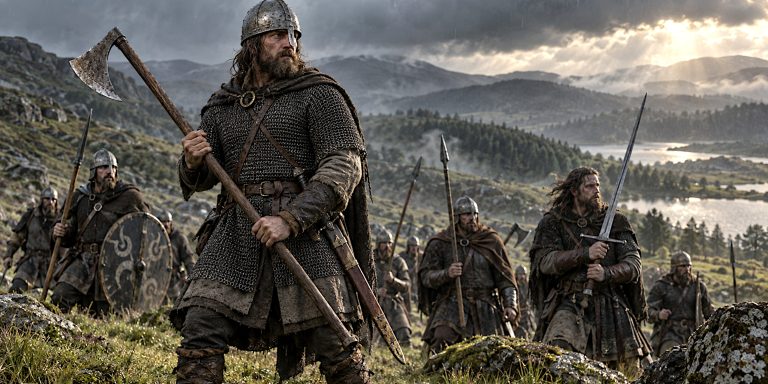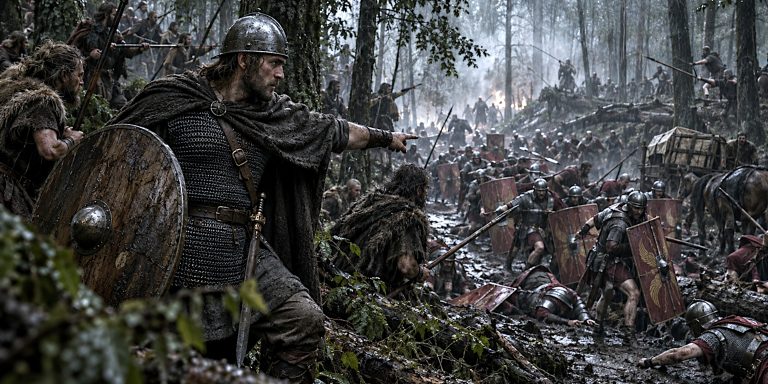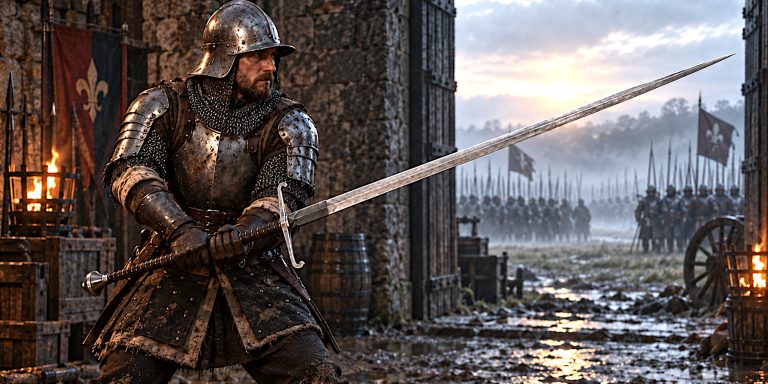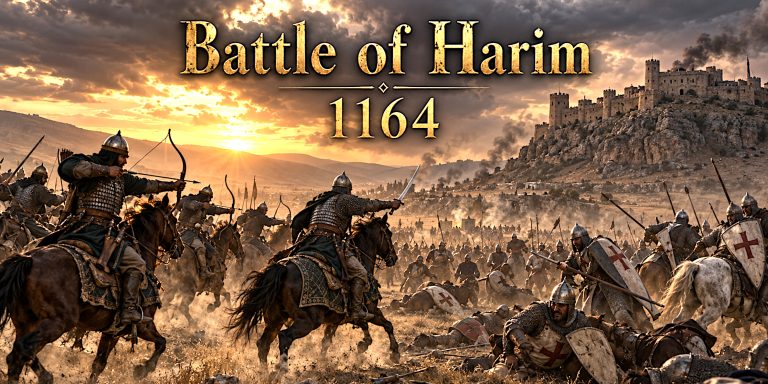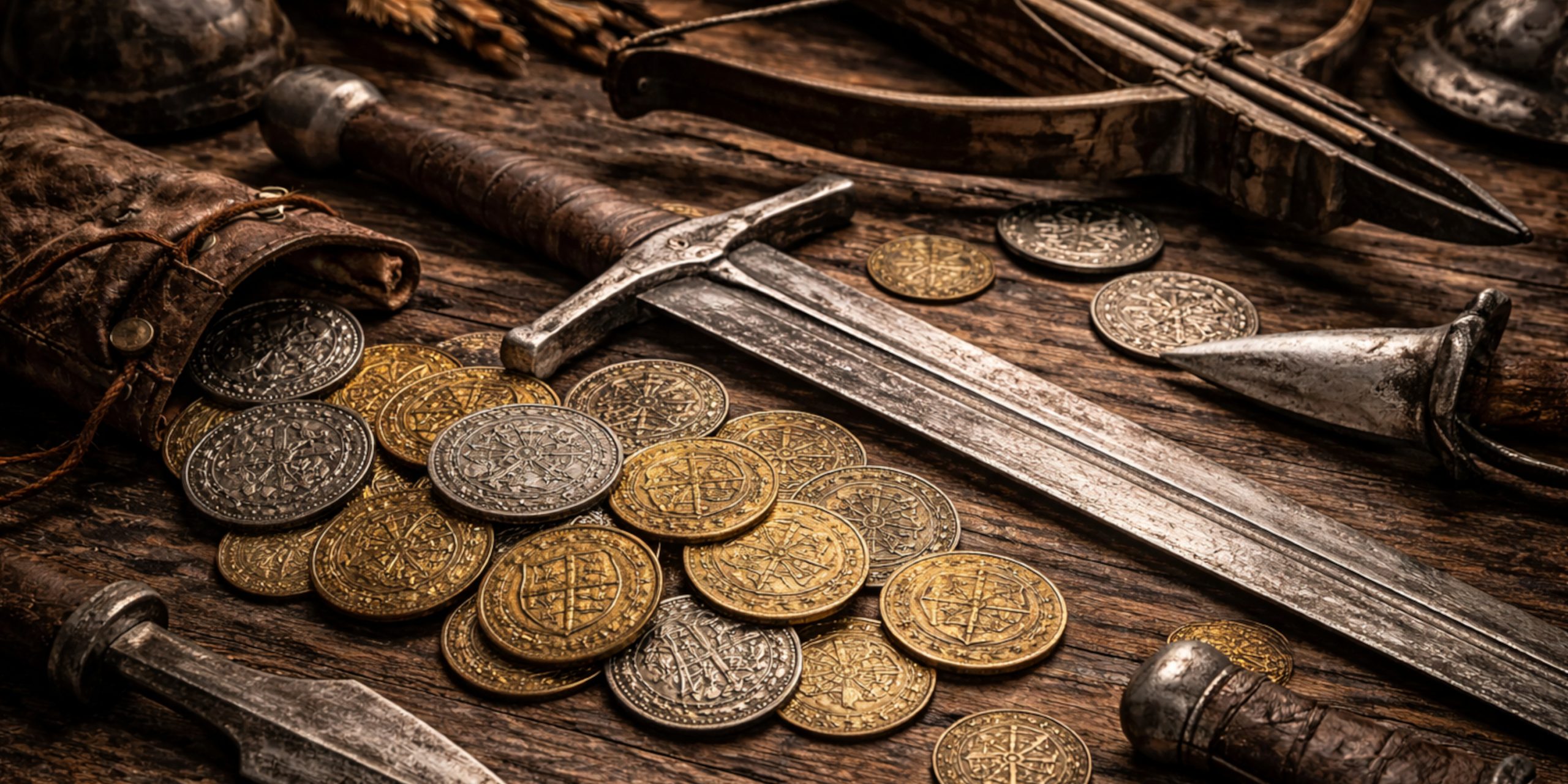
Anyone who imagines medieval warfare as a chaotic world where a man simply grabbed a sword and ran off to battle has probably watched too many films. Weapons were expensive, carefully crafted tools, and in many cases they represented a serious investment. Owning a good sword, a reliable spear, or even a humble dagger could say quite a lot about your wealth and status.
As a historian who has spent far too much time staring at dusty account rolls and royal inventories, I find medieval weapon prices oddly fascinating. They reveal the practical reality of warfare. Knights were not just brave. They were well funded.
Understanding the cost of a medieval weapon also helps explain why armies were organised the way they were. Most soldiers were not carrying fine blades. Many fought with simple, affordable tools because that was what they could realistically afford.
Let us look at what weapons actually cost, who could afford them, and what those prices meant in everyday medieval life.
Medieval Currency and Wages
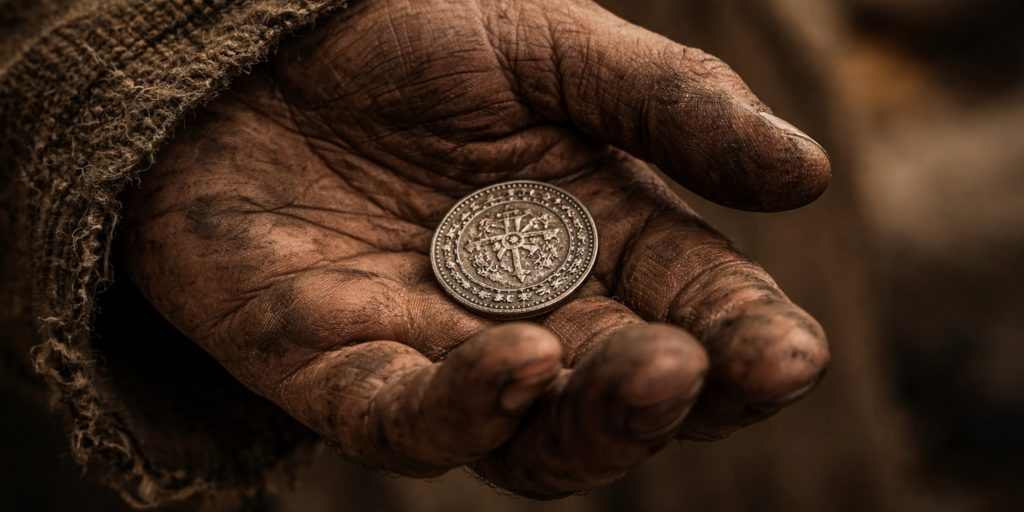
Before discussing weapon prices, it helps to understand medieval money.
In medieval England the main units were:
| Currency | Value |
|---|---|
| Pound (£) | 20 shillings |
| Shilling (s) | 12 pence |
| Penny (d) | Basic daily currency |
For most labourers, the penny was the important coin. A typical agricultural worker in the 13th or 14th century earned around two to three pence per day.
Skilled craftsmen might earn four to six pence a day, which already placed them above the majority of the population.
To put this into perspective, a single shilling could represent several days of labour.
That fact becomes important when we start discussing weapon prices.
The Cost of a Sword
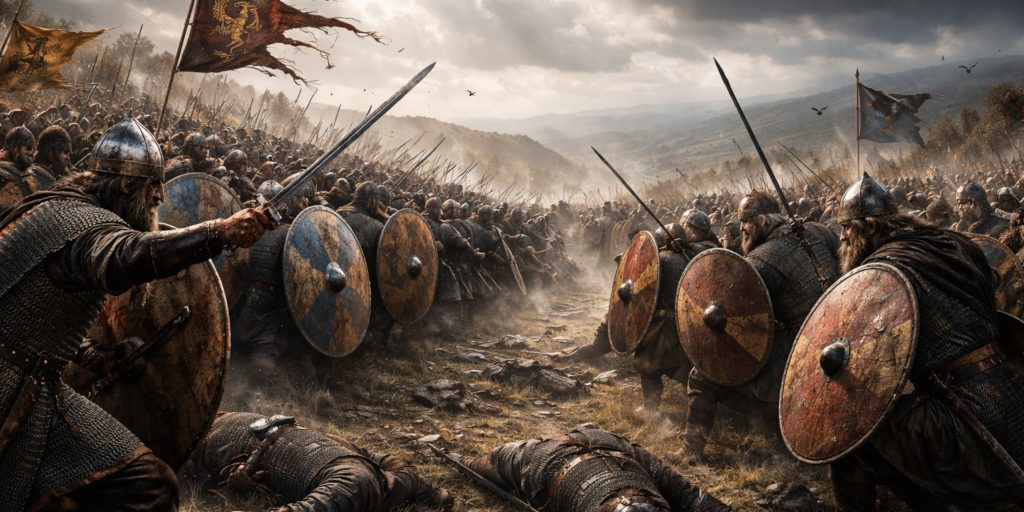
The sword was the most iconic weapon of the medieval period, but it was also one of the most expensive.
A decent sword could cost between six shillings and two pounds depending on quality, materials, and decoration.
| Sword Type | Estimated Cost |
|---|---|
| Basic arming sword | 6 to 10 shillings |
| Well crafted knightly sword | 1 pound |
| High status decorated sword | 2 pounds or more |
A pound was an enormous sum in the medieval economy. For a labourer earning two pence per day, a one pound sword represented roughly four months of wages.
That is why swords were closely associated with the knightly class. Knights were expected to own them, maintain them, and occasionally lose them in battle, which must have been an expensive afternoon.
Swords were also valuable heirlooms. Many were passed down generations or listed in wills.
The Cost of a Spear
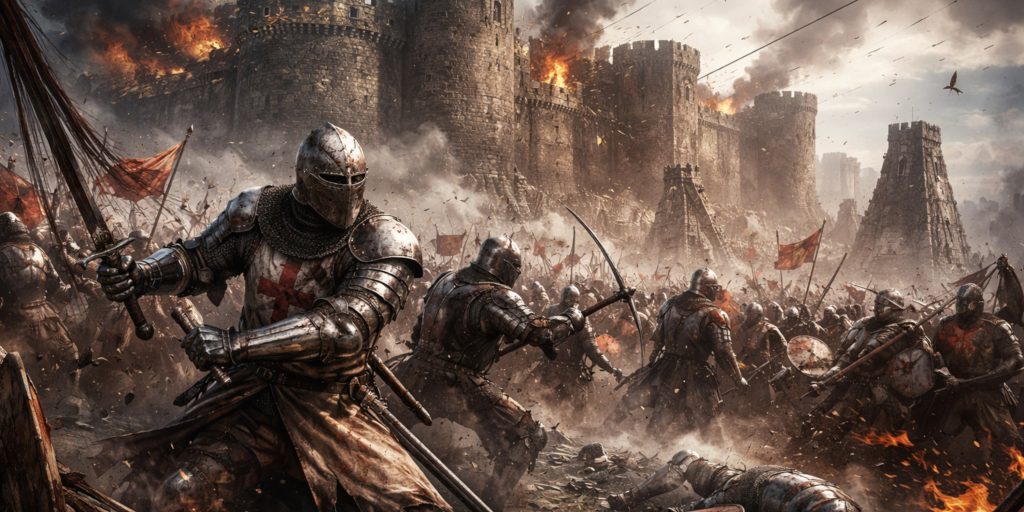
Compared with swords, spears were wonderfully affordable.
A basic spear might cost only a few pence. Even a well made one rarely exceeded a shilling.
| Weapon | Estimated Cost |
|---|---|
| Basic spear | 2 to 6 pence |
| Heavy infantry spear | up to 1 shilling |
The reason is simple. Spears required far less specialised metalworking. The wooden shaft did most of the work, while the metal head was relatively small.
This affordability explains why spears dominated medieval battlefields. They were practical, effective, and cheap enough to equip large numbers of soldiers.
If you were a medieval commander trying to arm several thousand men, spears made much more financial sense than swords.
The Cost of a Dagger
Daggers were common across every social class.
| Dagger Type | Estimated Cost |
|---|---|
| Basic utility dagger | 1 to 2 shillings |
| Fine dagger with decorated hilt | 5 shillings or more |
Most people owned some form of knife or dagger. It served as a tool as much as a weapon.
However, like swords, daggers could also become luxury objects. Wealthy nobles often carried beautifully decorated pieces with silver fittings or elaborate grips.
In other words, the humble dagger could sit comfortably in both a peasant’s belt and a king’s collection.
The Cost of Bows and Crossbows
Missile weapons introduced another layer of complexity.
Longbows
The English longbow was relatively inexpensive.
| Weapon | Estimated Cost |
|---|---|
| Longbow | 1 to 2 shillings |
| Bundle of arrows | 6 to 12 pence |
The bow itself was cheap compared to the years of training required to use it properly. Medieval England invested heavily in archery practice because skill with the longbow could not be purchased quickly.
Crossbows
Crossbows were more complex machines and therefore more expensive.
| Weapon | Estimated Cost |
|---|---|
| Basic crossbow | 3 to 5 shillings |
| Military crossbow | up to 1 pound |
High powered crossbows sometimes used steel prods and complex spanning mechanisms. These could become serious investments, particularly for city militias or professional soldiers.
Weapon Prices Compared to Everyday Goods
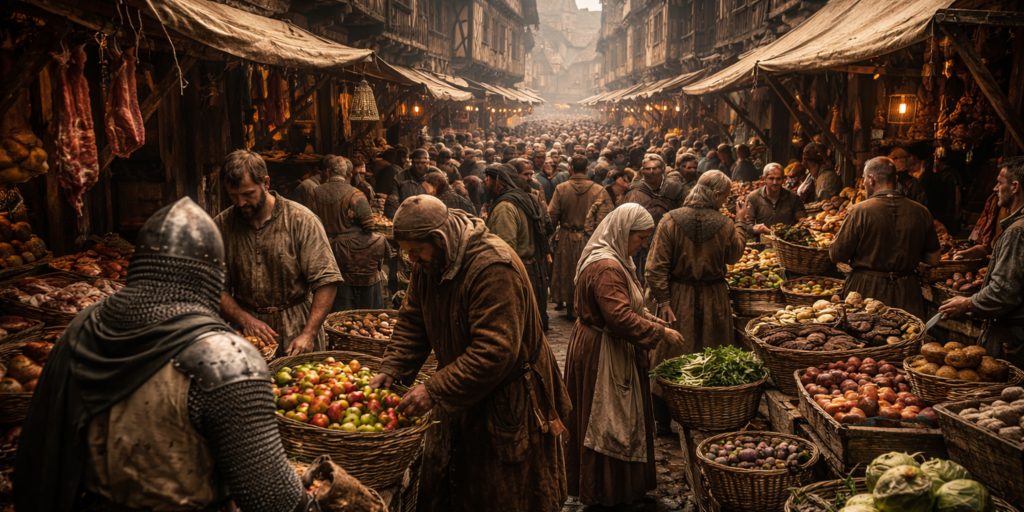
Looking at prices in isolation does not fully convey their significance.
Here are some comparisons from medieval records.
| Item | Approximate Cost |
|---|---|
| Chicken | 1 to 2 pence |
| Sheep | 10 to 15 pence |
| Cow | 10 to 20 shillings |
| Sword | up to 1 pound |
A sword could therefore cost as much as several cows. I suspect medieval farmers would have had opinions about that.
These comparisons highlight the economic commitment required to equip a warrior.
Medieval Weapon Prices in Today’s Money
Translating medieval prices into modern currency is slightly tricky. Medieval economies were based on labour value rather than consumer pricing, so historians usually compare daily wages rather than trying to convert coins directly.
In the 14th century, a typical agricultural labourer earned roughly 2 to 3 pence per day. A skilled craftsman might earn 4 to 6 pence.
If we compare those wages with modern UK earnings, the rough equivalent of a medieval labourer’s daily income today might sit somewhere around £80 to £120.
Using that comparison gives a surprisingly clear picture of how expensive weapons really were.
| Weapon | Medieval Cost | Modern Equivalent (Approx) |
|---|---|---|
| Basic spear | 2 to 6 pence | £80 to £300 |
| Longbow | 1 to 2 shillings | £500 to £1,000 |
| Dagger | 1 to 5 shillings | £500 to £2,500 |
| Basic sword | 6 to 10 shillings | £3,000 to £5,000 |
| Knightly sword | about £1 | £10,000 to £15,000 |
Seen this way, the economics of medieval warfare make perfect sense.
A spear costing the equivalent of roughly a day’s wages was practical for equipping large numbers of infantry. A sword costing the equivalent of several months of pay was something very different. It was an investment, a badge of status, and occasionally a family heirloom.
In other words, when a knight lost his sword in battle, it was not just embarrassing. It was financially painful.
What This Tells Us About Medieval Armies
These comparisons help explain why medieval armies looked the way they did.
Most soldiers carried spears, axes, or bows because they were affordable and effective. Swords remained relatively rare on the battlefield and were closely associated with knights, men-at-arms, and wealthy retainers.
When you picture the medieval battlefield, it should probably contain fewer gleaming swords and many more spears.
Which, from a budgeting perspective, was entirely sensible.
As a historian, I often find this detail oddly comforting. Medieval warfare may have been chaotic, but even kings had to keep an eye on their expenses.
Who Actually Bought Weapons?
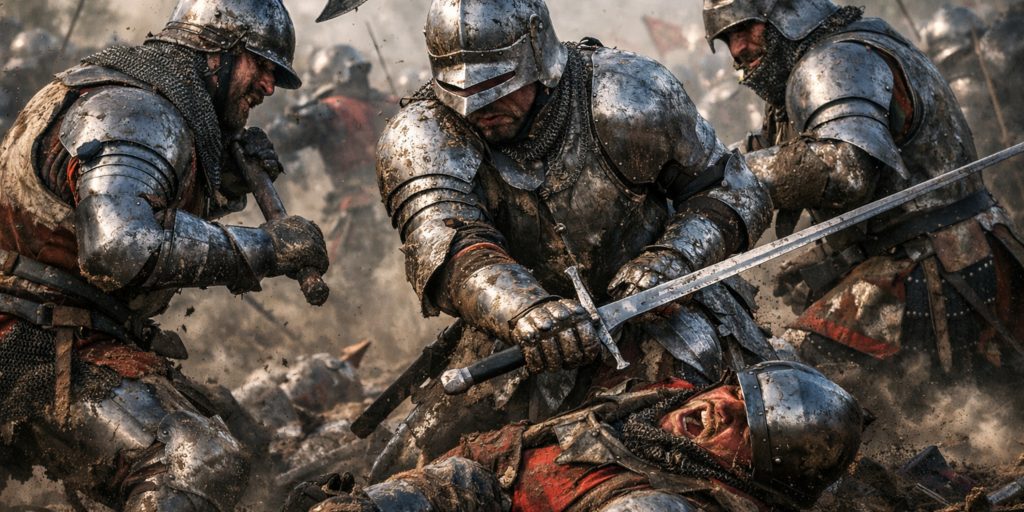
Not every soldier purchased their own equipment.
Medieval military organisation relied on several systems.
Knights and Nobles
Knights were expected to supply their own arms and armour. This obligation was tied to land ownership and feudal service.
A knight’s equipment could easily cost the equivalent of several years of wages.
Town Militias
Cities and towns often purchased weapons collectively for their militias.
Municipal armouries stored crossbows, spears, and other equipment for local defence.
Royal Armies
Kings frequently bought weapons in bulk.
English royal accounts show thousands of arrows and hundreds of bows being purchased ahead of campaigns in France.
These purchases give historians some of the best surviving evidence for medieval weapon prices.
Surviving Records of Weapon Purchases
Medieval financial records occasionally preserve specific prices.
The English crown purchased large quantities of military equipment during the Hundred Years’ War. Surviving documents show orders for thousands of arrows and bows supplied to royal armies.
Royal inventories also list swords, spears, polearms, and daggers stored in armouries across England.
These records confirm that while swords were prestigious weapons, armies relied far more heavily on cheaper arms such as spears and bows.
Battlefields were not filled with glittering knightly swords. They were filled with practical tools.
Weapons as Status Symbols
Weapons also carried symbolic value.
A knight’s sword could represent honour, lineage, and authority. Some swords were named, inherited, and recorded in chronicles.
Decorated hilts, gilded fittings, and elaborate scabbards turned weapons into status symbols.
The practical cutting edge might have been steel, but the message it conveyed was often political.
The Real Economics of Medieval Warfare
When studying medieval weapon costs, one thing becomes clear very quickly.
War was expensive.
Equipping armies required enormous financial resources, which explains why kings relied on taxation, feudal obligations, and wealthy nobles to fund campaigns.
The majority of soldiers fought with relatively simple weapons because those weapons were affordable, reliable, and easy to produce.
The glamorous knight with his polished sword certainly existed. But most medieval warriors carried spears, axes, or bows.
From an economic perspective, that made perfect sense.
And as someone who has spent far too many evenings reading medieval supply records, I can confirm one final truth.
The spear was the sensible choice. The sword was the expensive one that made people feel heroic.