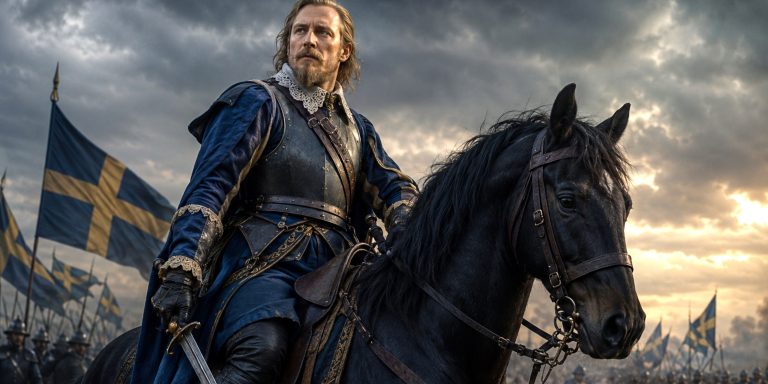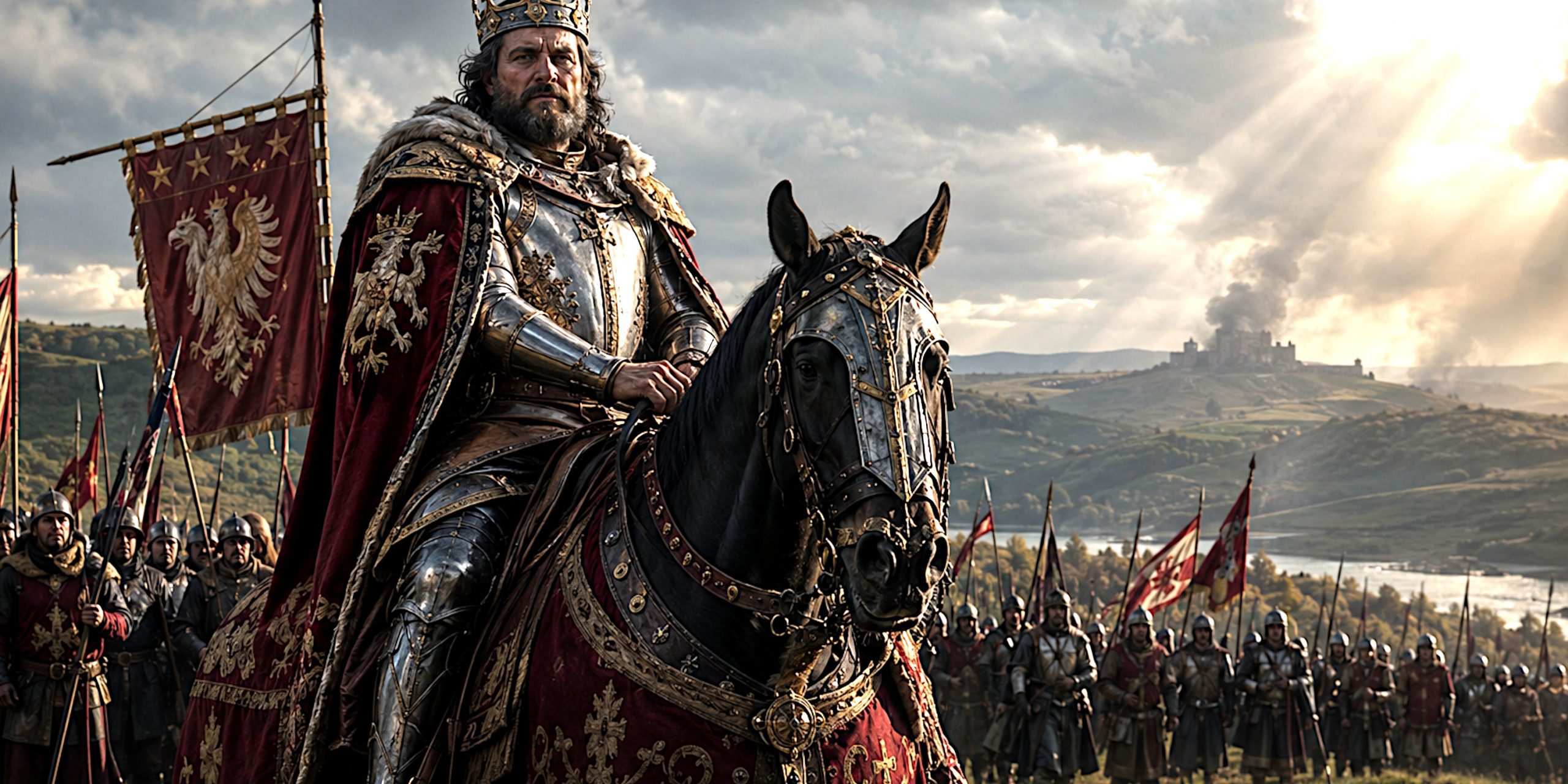
Few rulers of the late Middle Ages have attracted as much criticism from contemporaries while quietly shaping the future of Europe as Sigismund of Luxembourg. His reign stretched across one of the most turbulent periods in European history. The Ottoman Empire was advancing into the Balkans, the Papacy had fractured into competing claimants, Bohemia erupted into religious war and the Holy Roman Empire remained a loose collection of fiercely independent princes.
Yet Sigismund somehow managed to wear more crowns than almost any ruler of his age. He was King of Hungary, King of Croatia, King of Germany, King of Bohemia and eventually Holy Roman Emperor. It is tempting to imagine him as a medieval politician who survived through negotiation alone, but that would overlook the remarkable amount of campaigning he undertook across central Europe.
He won spectacular successes, suffered humiliating defeats and spent decades attempting to prevent Christendom from tearing itself apart. Whether he always succeeded is another matter entirely.
Early Life
Sigismund was born on 15 February 1368 in Nuremberg.
He belonged to the House of Luxembourg, one of Europe’s most influential dynasties. His father, Charles IV, had transformed the Holy Roman Empire into a more stable political entity through diplomacy rather than conquest. Sigismund inherited neither his father’s patience nor his instinct for compromise, although experience gradually taught him both.
To strengthen alliances, Sigismund married Mary of Hungary, daughter of Louis the Great. Through this marriage he became King of Hungary in 1387, although securing that throne proved far more difficult than receiving the crown.
Hungarian nobles resisted him repeatedly and several rebellions threatened to remove him altogether during his early reign.
The Many Crowns of Sigismund
| Title | Years |
|---|---|
| King of Hungary | 1387 to 1437 |
| King of Croatia | 1387 to 1437 |
| King of Germany | 1411 to 1437 |
| King of Bohemia | 1419 to 1437 (effectively recognised later) |
| Holy Roman Emperor | 1433 to 1437 |
Very few medieval rulers managed to accumulate so many crowns while constantly fighting to keep them.
Personality and Leadership
Sigismund divided opinion throughout his life.
Supporters admired his intelligence, education and remarkable diplomatic energy. Critics considered him unreliable, extravagant and prone to making promises faster than he could fulfil them.
The truth probably lies somewhere between those extremes.
He possessed enormous personal charisma. Contemporary chroniclers frequently remarked upon his height, confident bearing and ability to impress foreign courts. He spoke several languages and travelled more widely than most rulers of his generation.
As a historian, I find him oddly modern. He understood that military victories rarely solved Europe’s biggest problems. Councils, negotiations and alliances often mattered more than another battlefield success. Unfortunately for Sigismund, medieval Europe frequently insisted on having both.
Military Career
Although remembered for diplomacy, Sigismund spent much of his reign at war.
The Ottoman Wars
His greatest strategic concern was the rapid expansion of the Ottoman Empire.
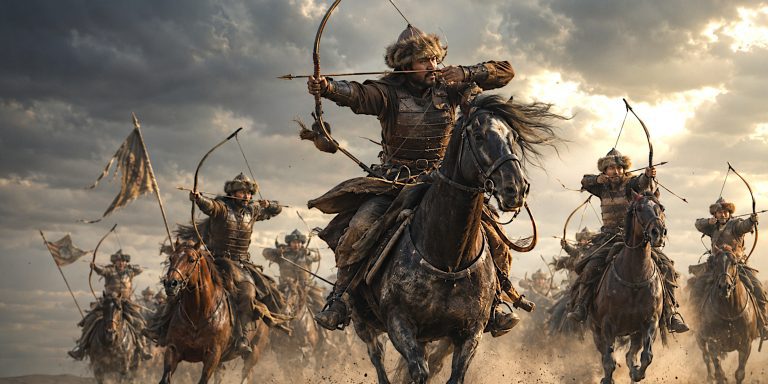
Hungary formed Europe’s military frontier against Ottoman advances into the Balkans. Sigismund strengthened frontier fortresses, organised defensive campaigns and attempted to unite western rulers against the growing threat.
These efforts culminated in one of the largest crusades of the late Middle Ages.
Battle of Nicopolis (1396)
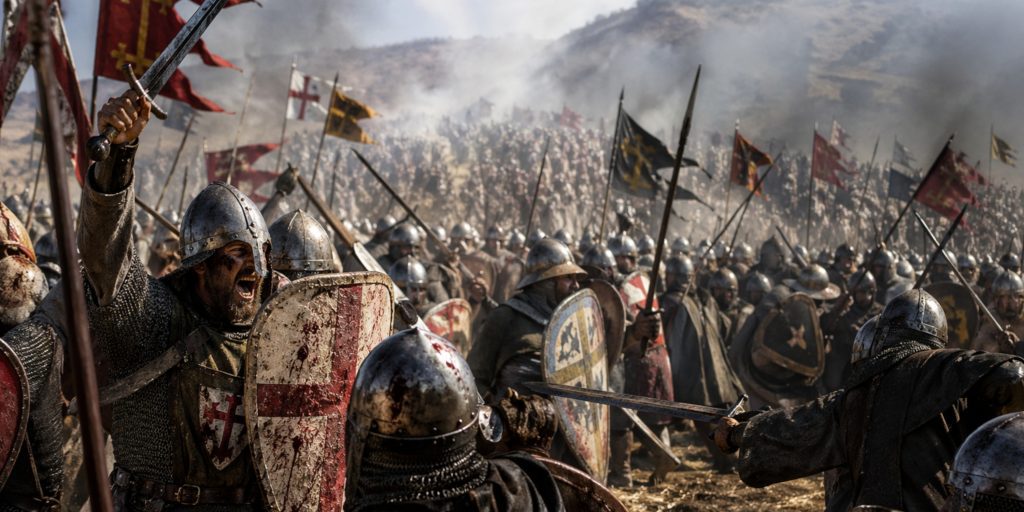
The Crusade of Nicopolis gathered French, Burgundian, German, Hungarian and other European forces.
Unfortunately, enthusiasm proved greater than discipline.
The heavily armoured French knights launched an impetuous attack without coordinating with Sigismund’s Hungarian forces. Sultan Bayezid I exploited the resulting disorder and inflicted a devastating defeat.
Sigismund narrowly escaped by fleeing aboard a Venetian vessel on the Danube before reaching the Black Sea.
The disaster effectively ended large scale western crusading efforts for generations.
Defence of Hungary
Rather than abandoning the struggle, Sigismund reorganised Hungary’s border defences.
He expanded fortress networks.
He promoted river patrols along the Danube.
He encouraged military settlement in frontier regions.
Many of these defensive measures remained effective for decades after his death.
The Hussite Wars

Following the execution of Jan Hus at the Council of Constance, Bohemia erupted into rebellion.
Sigismund became the principal opponent of the Hussites.
Despite commanding large armies, he repeatedly struggled against Hussite tactics.
Jan Žižka’s disciplined wagon forts, handguns and coordinated infantry repeatedly defeated armies that relied upon traditional knightly warfare.
Few rulers learned the hard lesson that military innovation can overturn centuries of accepted practice quite as painfully as Sigismund.
Major Battles
| Battle | Year | Result |
|---|---|---|
| Battle of Nicopolis | 1396 | Major Ottoman victory |
| Siege of Buda | 1403 | Sigismund retained control |
| Campaigns against Bosnia | Early 1400s | Mixed success |
| Hussite Crusades | 1420 to 1431 | Repeated defeats |
| Battle of Vyšehrad | 1420 | Hussite victory |
| Campaigns in Croatia and southern Hungary | Various | Defensive successes |
Military Acumen
Judging Sigismund solely by battlefield victories would underestimate him.
His greatest strengths included:
- Strategic planning over long campaigns.
- Frontier defence and fortress construction.
- Coalition building between rival kingdoms.
- Diplomatic warfare through alliances.
- Administrative reform supporting military logistics.
His weaknesses were equally apparent.
He often struggled to control multinational armies.
His crusading coalitions contained commanders with competing ambitions.
He underestimated unconventional tactics employed by both the Ottomans and Hussites.
Perhaps his greatest achievement was recognising that permanent frontier defence offered greater security than dramatic crusading offensives.
Arms and Armour
Sigismund embodied the transition between high medieval and early Renaissance warfare.
Armour
His armour reflected the finest Central European craftsmanship.
Likely equipment included:
- Full white plate harness
- Gothic articulated pauldrons
- Visored bascinet transitioning toward the great helm
- Steel gauntlets
- Mail protecting vulnerable joints
- Decorative gilt fittings for ceremonial occasions
Imperial armour often displayed Luxembourg heraldry alongside Hungarian symbols.
Swords
Several sword types were commonly carried by Sigismund and his household.
Longsword
The standard knightly weapon.
Examples surviving from the late fourteenth and early fifteenth centuries correspond closely with Oakeshott Types XVIIIa and XVIIIb.
Excellent for both cutting and thrusting.
Arming Sword
Used alongside shields or while mounted.
These remained practical sidearms throughout Sigismund’s reign.
Estoc
Increasingly common against plate armour.
Its stiff, narrow blade excelled at thrusting into armour gaps.
Hungarian Sabre
Hungary already possessed strong eastern military traditions.
Curved sabres appeared alongside western straight swords, particularly among light cavalry serving on the Ottoman frontier.
This mixture of eastern and western weaponry became one of Hungary’s defining military characteristics.
The Order of the Dragon
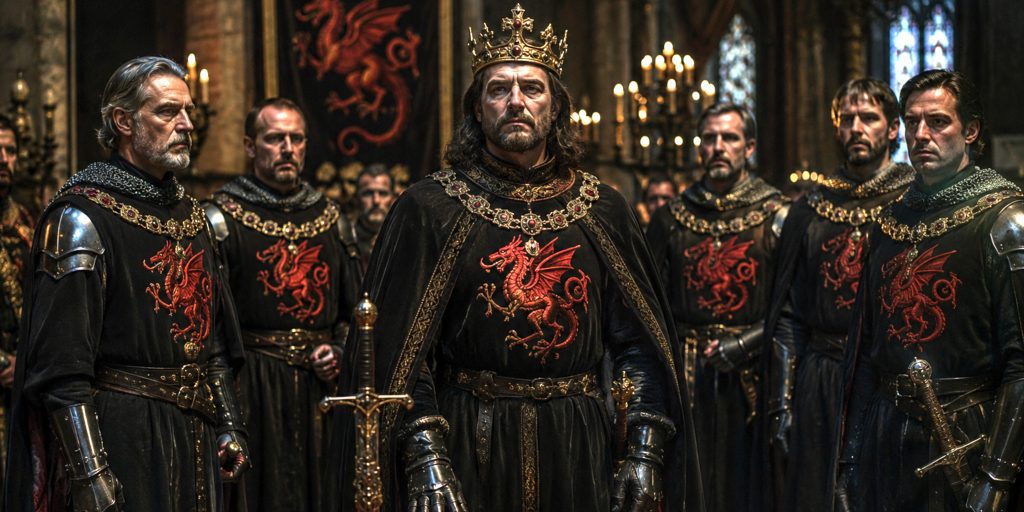
In 1408 Sigismund founded the famous Order of the Dragon.
The order sought to defend Christianity against Ottoman expansion while reinforcing loyalty among Europe’s leading nobles.
Its members included some of the greatest aristocrats in Central Europe.
One later member became especially famous.
Vlad II Dracul received his nickname from membership of the order. His son, Vlad III Dracula, inherited a name that would eventually inspire Bram Stoker centuries later.
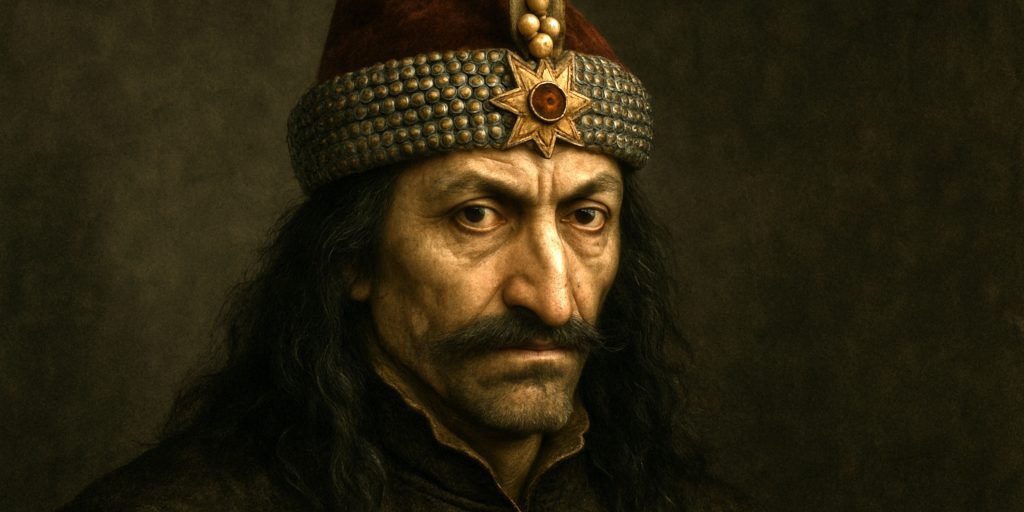
That is an unexpected piece of historical trivia which never fails to amuse visitors to museum exhibitions.
The Council of Constance
Sigismund’s greatest political achievement was ending the Western Schism.
Between 1414 and 1418 the Council of Constance restored a single recognised Pope after decades of competing papal claimants.
Although overshadowed by the controversial execution of Jan Hus, the council fundamentally reshaped the Catholic Church.
Without Sigismund’s persistence, Europe might have endured decades more religious fragmentation.
Jan Hus and Lasting Controversy
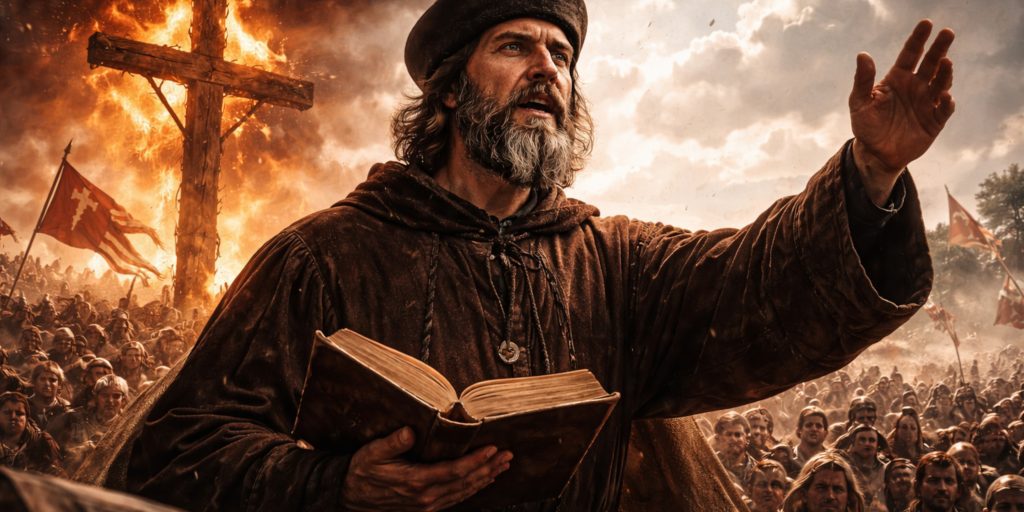
Sigismund guaranteed Jan Hus safe conduct to attend Constance.
Hus was nevertheless arrested, tried and executed.
Whether Sigismund possessed the authority to prevent the execution remains debated.
Bohemians blamed him regardless.
The resulting Hussite Wars dominated much of the remainder of his reign.
Few political decisions haunted a ruler quite so thoroughly.
Artefacts from Sigismund’s Reign
Several important objects survive.
Sigismund’s Imperial Seals
Preserved in European archives and museums.
They demonstrate changing imperial symbolism during his reign.
Royal Charters
Hundreds remain preserved throughout Hungary, Germany, Austria and the Czech Republic.
These documents provide invaluable evidence for medieval administration.
Coins
Gold florins and silver issues bearing Sigismund’s portrait survive in museum collections across Europe.
They reflect both Hungarian and imperial traditions.
Gothic Sculpture
Several churches commissioned during his reign preserve donor portraits connected with Sigismund and his court.
Where to See Artefacts Today
Visitors interested in Sigismund have excellent options across Europe.
Kunsthistorisches Museum, Vienna
Houses imperial regalia, medieval armour and artworks connected with the Holy Roman Empire.
Hungarian National Museum, Budapest
Contains extensive collections from Sigismund’s reign, including coins, weapons and royal documents.
Prague Castle
Displays objects relating to Bohemian kingship and the Hussite period.
Germanisches Nationalmuseum, Nuremberg
Offers outstanding collections illustrating the world into which Sigismund was born.
National Museum, Prague
Contains Hussite era weapons, armour and archaeological discoveries from fifteenth century Bohemia.
Archaeology and Recent Discoveries
Archaeology has significantly improved our understanding of Sigismund’s world.
Excavations along the Hungarian frontier continue revealing fortress improvements ordered during his reign.
Studies of battlefields associated with the Hussite Wars have uncovered concentrations of crossbow bolts, handgun ammunition and wagon fort defences. These discoveries reinforce written accounts describing revolutionary battlefield tactics.
Research into royal residences at Visegrád and Buda has revealed new evidence of Sigismund’s ambitious building programmes. Decorative stonework, imported ceramics and luxury goods demonstrate the wealth of his international court.
Conservation work on surviving charters has also uncovered erased annotations and seals using advanced imaging techniques, allowing historians to reconstruct aspects of royal administration previously thought lost.
Each discovery adds another piece to a ruler whose life touched nearly every corner of late medieval Europe.
Contemporary Quotes
The German chronicler Ulrich von Richental described Sigismund as:
“A prince of noble bearing and great wisdom.”
The Italian humanist Poggio Bracciolini observed:
“He delighted in discourse with learned men.”
The chronicler Eberhard Windecke praised his determination:
“He travelled more than any prince of his time.”
Not every contemporary admired him, but almost all acknowledged his remarkable energy.
Legacy
Sigismund died in December 1437, ending the male line of the House of Luxembourg.
His reputation has fluctuated ever since.
Hungarian historians often remember him as the king who strengthened the kingdom against Ottoman expansion.
Czech historians naturally focus upon the bitter legacy of Jan Hus and the Hussite Wars.
German historians regard him as one of the last medieval emperors capable of influencing affairs across the whole Empire.
As a historian, I think Sigismund deserves greater appreciation than he usually receives. He inherited an age of overlapping crises and rarely enjoyed the luxury of choosing which fire to extinguish first. Some campaigns failed spectacularly, others achieved quiet success, yet his diplomatic efforts stabilised institutions that outlived him by centuries.
He was never the flawless knight imagined by medieval romance. He was something more interesting. A practical ruler trying, often imperfectly, to hold together a Europe that seemed determined to pull itself apart.
Sigismund at a Glance
| Detail | Information |
|---|---|
| Born | 15 February 1368 |
| Died | 9 December 1437 |
| Dynasty | House of Luxembourg |
| Father | Charles IV |
| Wife | Mary of Hungary |
| Titles | King of Hungary, King of Germany, King of Bohemia, Holy Roman Emperor |
| Famous For | Council of Constance, Order of the Dragon, Ottoman campaigns, Hussite Wars |
| Greatest Military Challenge | Ottoman Empire and Hussite revolution |
| Lasting Achievement | Ending the Western Schism and strengthening Hungary’s frontier defence |