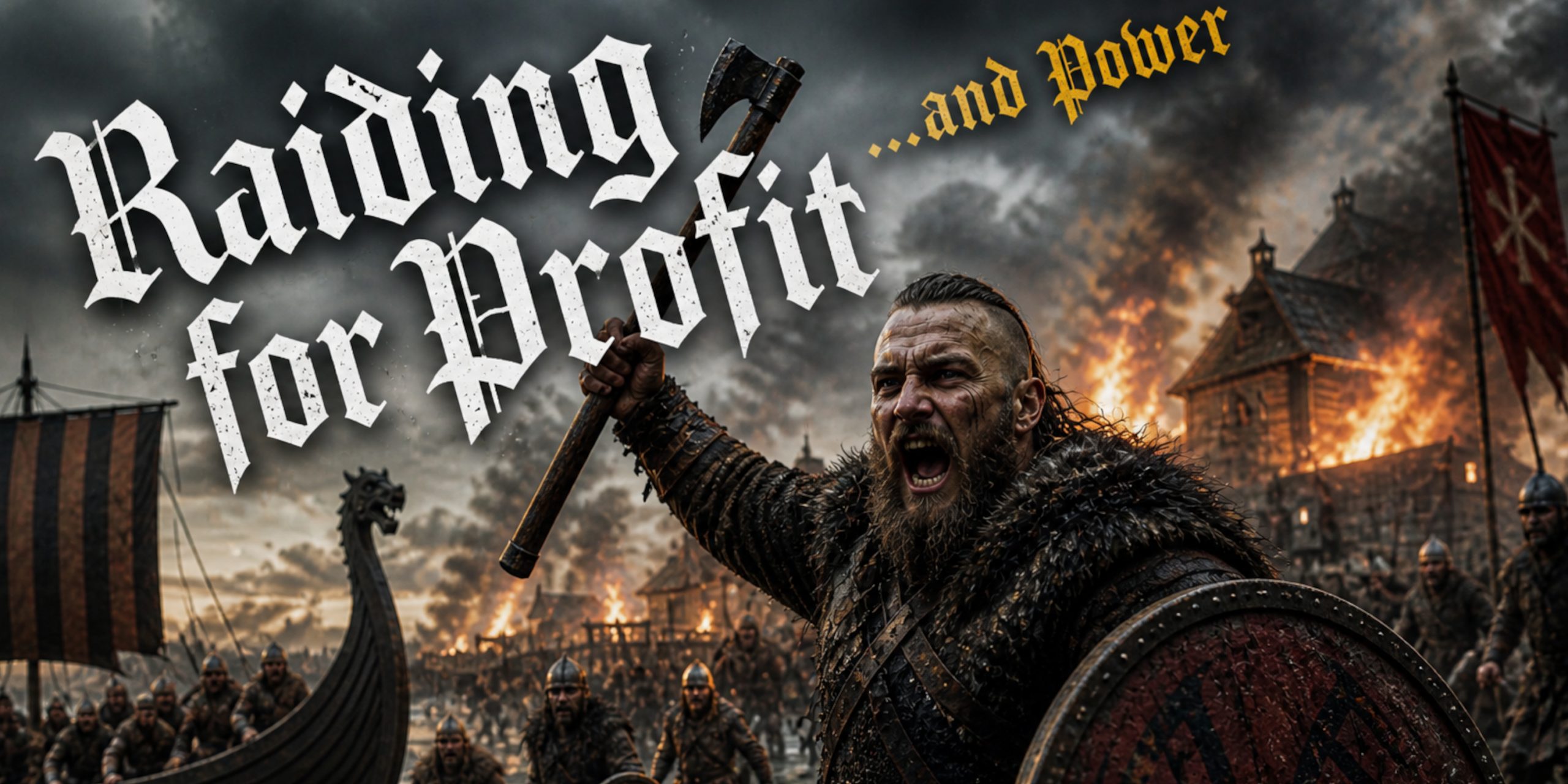
Raiding in Crusader Kings III feels a bit like getting away with something you absolutely should not be doing. That is half the appeal. Done well, it funds your wars, boosts your prestige, and quietly ruins your neighbours’ day.
If you have ever looked at your empty treasury and thought “there has to be a faster way,” raiding is the answer. The trick is doing it without getting your army wiped out or your ruler captured in what can only be described as an embarrassing miscalculation.
What Raiding Actually Does
Raiding is not just free money. It is a flexible tool that feeds multiple parts of your campaign.
- Gold from looted holdings
- Prestige from successful raids
- Prisoners who can be ransomed or recruited
- Development damage to your enemies
- A steady way to weaken stronger neighbours without declaring war
You are not conquering land. You are extracting value and leaving chaos behind. Think of it as economic warfare with a slightly more hands-on approach.
Who Can Raid
Not every ruler gets to live the raiding life.
You can raid if you are:
- Tribal rulers by default
- Certain cultures with raiding traditions
- Some faiths that allow raiding mechanics
Feudal rulers usually cannot raid unless their culture or religion says otherwise. If you are playing as Norse, congratulations, you basically start with a licence to print money.
Raising Raiders Properly
You do not just march your army across the border and hope for the best. You need to toggle your army into raiding mode.
- Raise your army
- Click the “toggle raiding” button
- Watch for the little torch icon
Once active, your army stops behaving like a traditional military force and starts acting like a travelling disaster.
One small but important detail. Raiding armies cannot reinforce in enemy territory. If things go wrong, they go wrong quickly.
Picking the Right Targets
This is where most players get it wrong. Not all targets are worth your time.
Look for:
- Rich counties with high development
- Coastal holdings if you have ships
- Weak rulers with small levies
- Realms distracted by war
Avoid:
- Heavily fortified capitals early on
- Strong kingdoms with large standing armies
- Mountain regions that slow you down
A good raid is quick, profitable, and over before anyone important notices.
How Loot Works
Each holding has a loot value. When your raiders stand on it, they slowly drain that value into your army.
Your army has a carrying capacity. Once it is full, you need to return home to bank the gold.
- Stay too long, you risk interception
- Leave too early, you miss profit
There is a rhythm to it. Loot, move, loot again, then head home before the local ruler rallies something unpleasant.
Prestige Farming Through Raiding
Gold is nice. Prestige is what really turns your ruler into a legend.
Every successful raid adds to your prestige pool, especially if you:
- Sack important holdings
- Defeat defending armies
- Capture notable prisoners
Prestige fuels decisions, titles, and long-term growth. Raiding keeps that pipeline flowing without needing constant wars.
Prisoners, Ransoms and Opportunism
Sometimes the real prize is not gold. It is who you drag back home.
During raids you can capture:
- Nobles
- Knights
- Occasionally someone very important
Ransoming prisoners is easy money. Keeping them can be even better.
- Recruit skilled knights
- Use them for leverage
- Convert or marry strategically
There is a certain satisfaction in capturing someone who absolutely did not expect to be part of your afternoon plans.
Coastal Raiding and Mobility
If you have access to ships, your options expand massively.
- Hit distant wealthy targets
- Avoid land-based retaliation
- Escape quickly if things turn ugly
Coastal raiding lets you bypass stronger neighbours entirely. You are no longer limited by borders, just by how far you are willing to sail.
This is where raiding shifts from useful to borderline overpowered.
Timing Matters More Than Strength
You do not need the biggest army. You need the right moment.
Best times to raid:
- When your target is at war
- During succession crises
- After their army has taken losses
Worst times:
- Right after they unify or stabilise
- When alliances are fresh and active
Raiding rewards patience. Charging in blindly usually ends with your army running home a bit lighter than expected.
Risks You Should Actually Care About
Raiding looks easy on paper. It is not risk-free.
- Enemy armies can intercept you
- Attrition can eat your forces
- Getting caught far from home can be disastrous
- Your ruler can be captured, which is never a good story
You are operating behind enemy lines. Always have an exit plan.
Building a Raiding Economy
If you lean into raiding, it can become the backbone of your realm.
- Fund buildings early without taxes
- Maintain larger armies than your economy should allow
- Stay aggressive without declaring constant wars
Some campaigns almost feel like a loop of raid, return, invest, repeat. It is not glamorous, but it is effective.
Takeaway
Raiding in Crusader Kings III is one of those systems that quietly does everything. It makes you richer, more famous, and far more dangerous than your starting position suggests.
It also feels slightly chaotic in the best way. You are not just managing a realm. You are poking the map and seeing what falls out.
If you are not raiding when you can, you are leaving power on the table. And in CK3, someone else is always ready to take it.