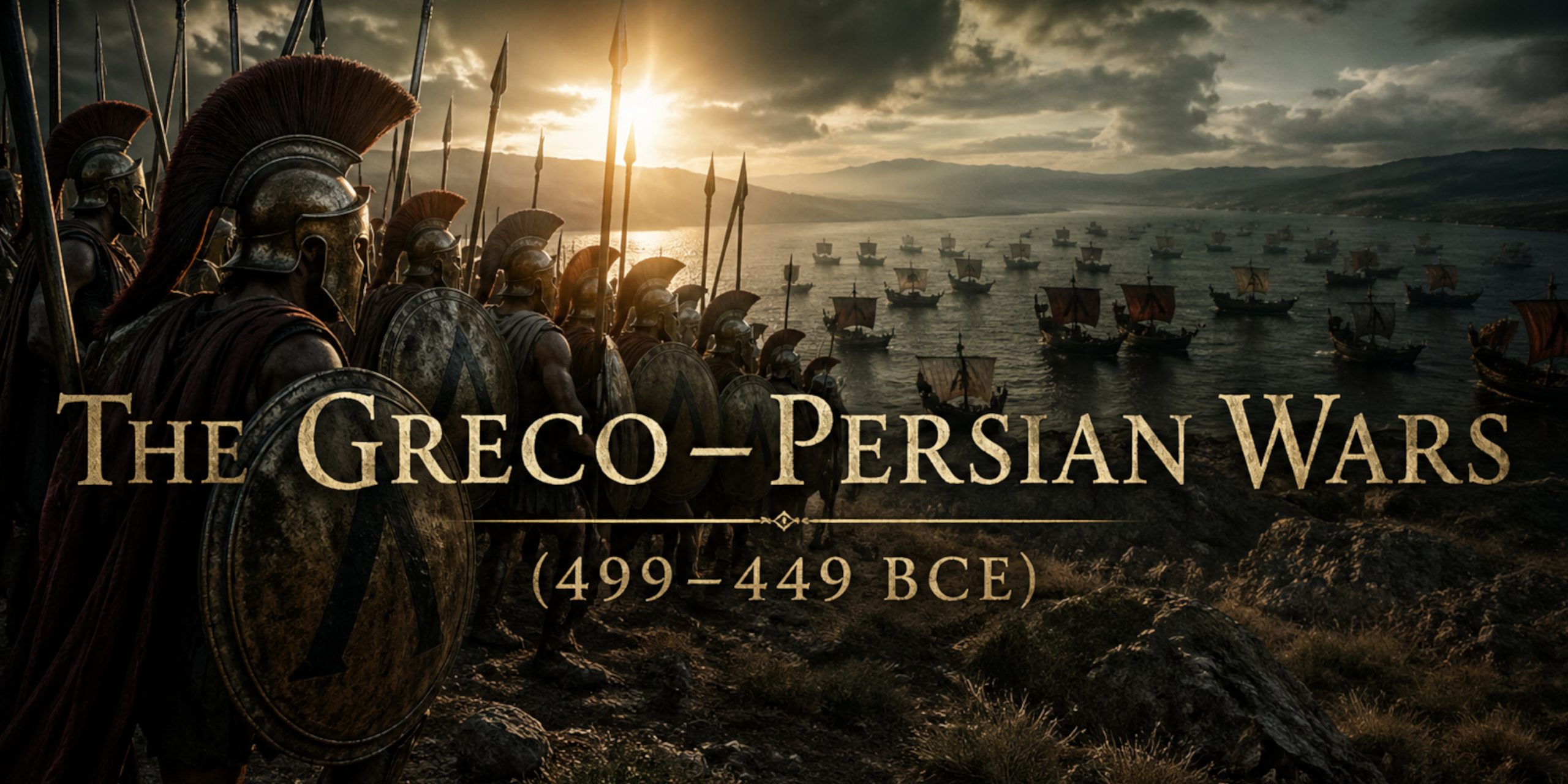
What We Know, and What Still Feels Just Out of Reach
There are few conflicts in antiquity that have been retold with such confidence and yet remain so dependent on a handful of voices. The Greco–Persian Wars sit at that crossroads. On one side stands the vast machinery of the Achaemenid Empire, on the other a loose, argumentative collection of Greek city states who could barely agree on lunch, let alone strategy.
And yet, against the odds, the Greeks resisted. That is the familiar version. The reality is messier, slower, and at times deeply uncertain. Much of what we think we know comes from a single Greek historian, Herodotus, whose storytelling is as compelling as it is occasionally suspect. Still, without him, we would have little more than fragments and burnt stones.
Background and Causes
The conflict begins not in mainland Greece but along the western coast of Asia Minor, in the Ionian cities under Persian rule. These Greek communities had grown wealthy but resented imperial control, particularly under the rule of Darius I.
The Ionian Revolt, beginning in 499 BC, was less a coordinated uprising and more a desperate gamble. Athens and Eretria offered limited support, enough to provoke Persia but not enough to secure victory. When the revolt collapsed, Persia did not forget who had interfered.
From that point, the war became inevitable. Not because Greece posed a serious threat, but because imperial authority demanded a response.
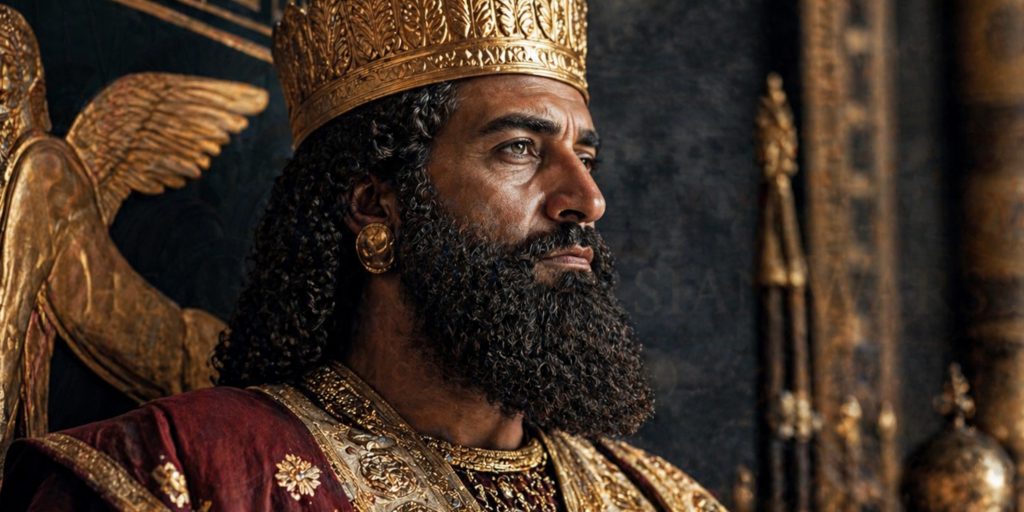
The Nature of the Conflict
This was never a simple clash between two unified blocs. Persia operated as a vast empire with central command, while the Greek world fractured along political, cultural, and personal lines.
Some Greek states sided with Persia. Others remained neutral. Even among those who resisted, cooperation was often strained. It is difficult not to suspect that Persian planners expected Greek disunity to do half the work for them.
Instead, what emerged was something closer to reluctant coordination. Temporary alliances formed, often under pressure, sometimes under protest.
Key Battles
Marathon (490 BC)
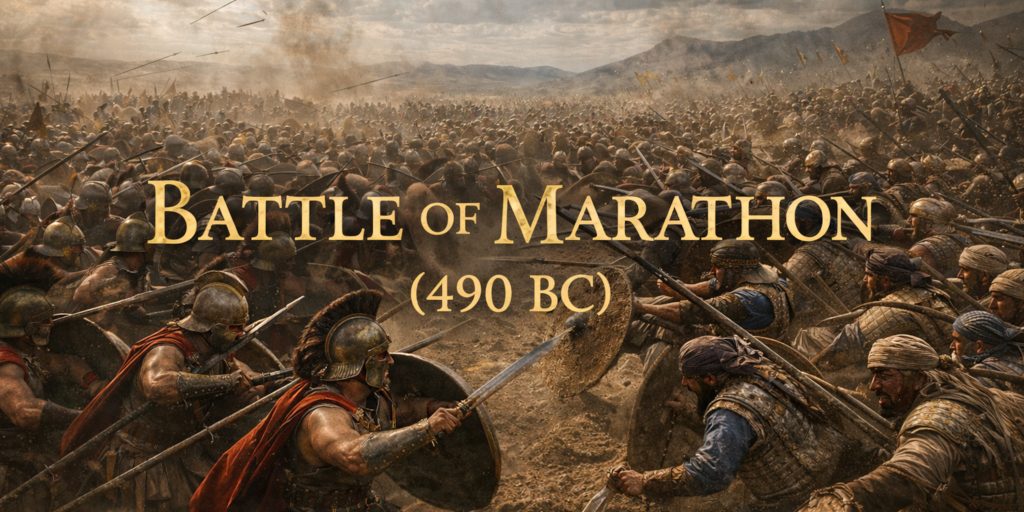
The first major Persian attempt to punish Athens ended at Marathon. The Athenians, led by Miltiades, took the unusual step of attacking rather than waiting.
The Greek hoplite formation proved decisive. Heavily armoured infantry pushed through lighter Persian troops, breaking the line in what must have been a deeply unpleasant close fight.
Herodotus reports a surprisingly one sided result. Modern historians tend to treat those numbers with caution, though the outcome itself is not in doubt.
Thermopylae (480 BC)
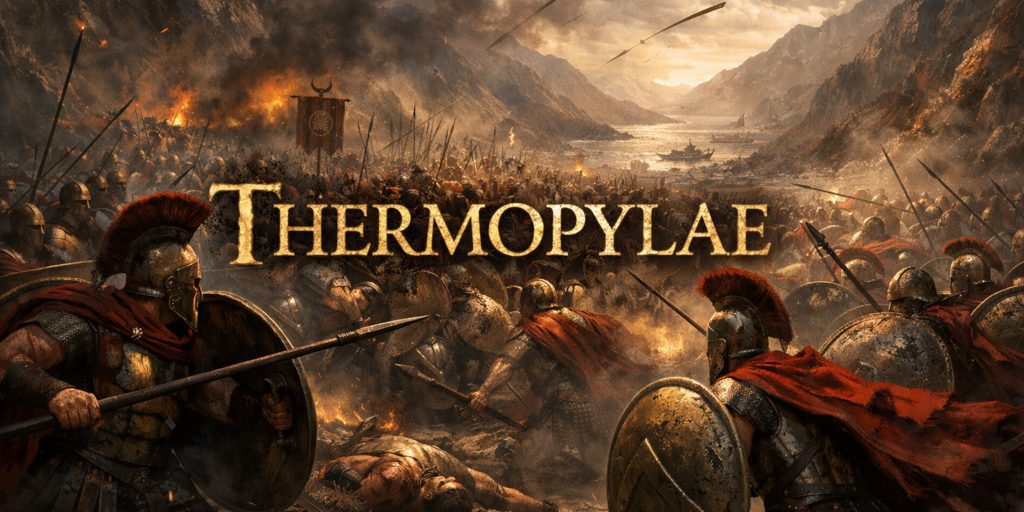
Few battles have been so thoroughly mythologised. At Thermopylae, a small Greek force led by Leonidas I held a narrow pass against the army of Xerxes I.
The position neutralised Persian numerical advantage, at least for a time. Betrayal, or perhaps local pragmatism, allowed Persian forces to outflank the defenders.
The stand itself was not a victory. It was a delay, though a valuable one. It also became a symbol, and symbols tend to outlive facts.
Salamis (480 BC)
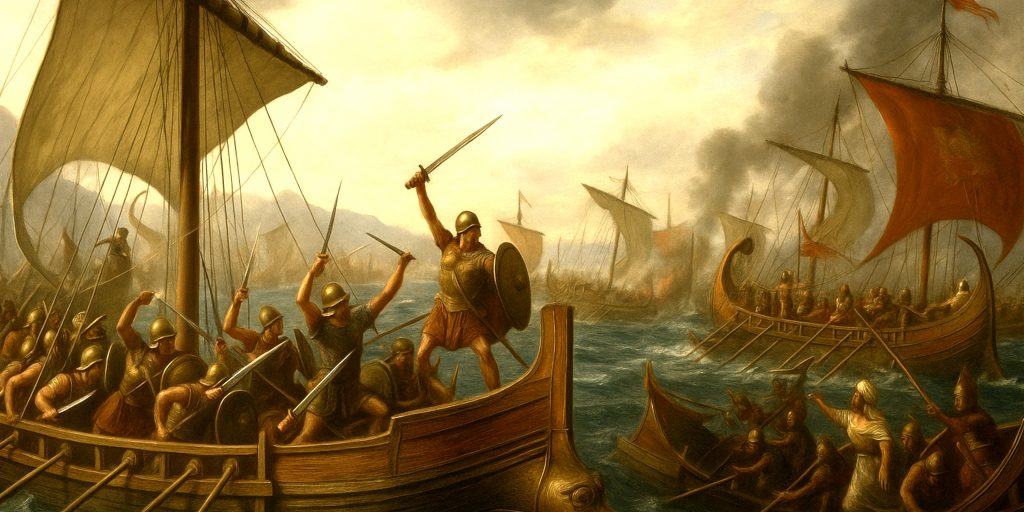
At sea, the Greeks showed a different kind of strength. Under the guidance of Themistocles, the Greek fleet lured Persian ships into the narrow straits of Salamis.
In confined waters, Persian numbers became a hindrance. Greek triremes, more manoeuvrable and operating with better coordination, turned the engagement into a decisive victory.
Xerxes is said to have watched from a throne overlooking the battle. If true, it must have been a frustrating afternoon.
Plataea (479 BC)
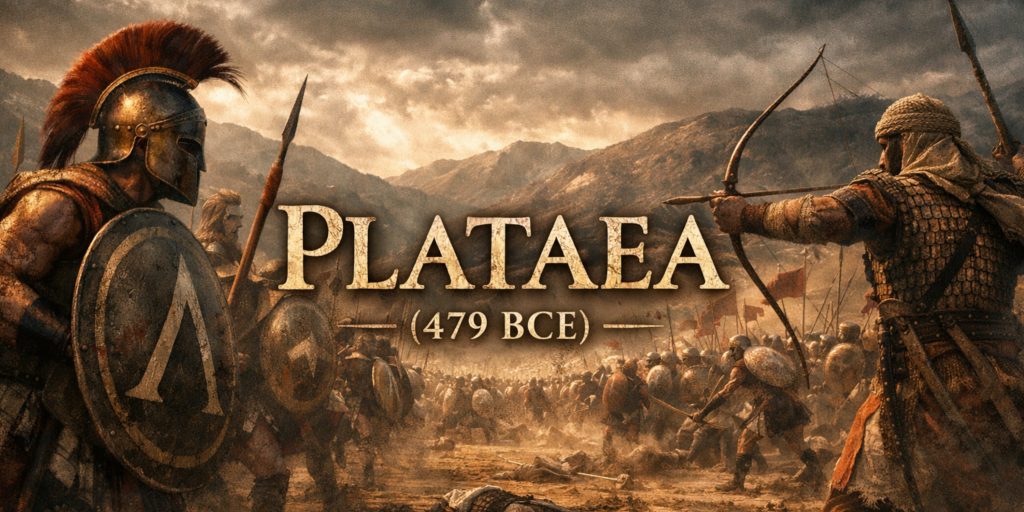
The final major land battle saw a united Greek force defeat the remaining Persian army in Greece. Spartan leadership, particularly under Pausanias, played a central role.
This was less dramatic than Thermopylae, less surprising than Marathon, but strategically decisive. Persian ambitions in mainland Greece ended here.
Archaeology and Material Evidence
Archaeology does not tell a neat story, which is precisely why it is so useful.
At Marathon, burial mounds still mark the Athenian dead. The site feels quiet today, though it once held the weight of a defining moment.
Thermopylae presents a different problem. The coastline has shifted over time, meaning the narrow pass described in ancient sources is no longer quite where it should be. Historians have had to reconstruct the landscape almost as carefully as the battle.
Naval archaeology around Salamis remains limited, though artefacts and harbour studies offer glimpses into fleet composition and logistics.
Across Greece and western Anatolia, Persian arrowheads, armour fragments, and inscriptions provide a counterpoint to Greek narratives. They remind us that the Persian side of the story did not vanish, it simply survives in a quieter form.
Contemporary Voices
Ancient writers rarely agreed on everything, but they left behind impressions that still carry weight.
Herodotus, reflecting on the conflict, wrote:
“Custom is king of all.”
It is a curious line, suggesting that cultural difference, rather than simple aggression, shaped the war.
The playwright Aeschylus, who fought at Marathon, offered a more immediate perspective in The Persians:
“The sea was hidden by the multitude of ships.”
Even allowing for dramatic flair, the scale of the conflict is clear.
Consequences and Legacy
The Greek victory did not end conflict between the two worlds, but it altered the balance. Athens emerged with increased confidence, and perhaps a touch of overconfidence, leading eventually to its own imperial ambitions.
Persia remained powerful. It simply redirected its attention elsewhere, and occasionally intervened in Greek affairs when it suited.
There is a temptation to frame these wars as a defining moment for Western civilisation. That idea has been repeated often enough to sound inevitable. It is also a little too tidy. The Greeks were not defending a unified cultural identity so much as protecting their own autonomy, often while arguing among themselves.
Still, the legacy matters. These battles shaped political development, military practice, and historical memory in ways that are difficult to ignore.
Seven Swords Takeaway
The Greco–Persian Wars are often presented as a clear narrative of resistance and triumph. The truth is less straightforward, and far more interesting.
We rely heavily on Greek voices, interpret landscapes that have shifted, and fill gaps with educated guesses. Yet the broad outline holds firm. A vast empire tested the edges of its reach, and a collection of smaller states found, at least briefly, a way to resist.
It is tempting to admire the clarity of that story. It is probably wiser to remain slightly suspicious of it.