Power in Tudor England rarely sat where it appeared to. Crowns rested on male heads, but influence moved through marriage beds, nursery chambers and private letters sealed in wax. When watching The White Princess, it becomes hard not to ask a slightly mischievous question. If Henry VII wore the crown, who truly shaped the game?
Below is a closer look at the women who defined the drama, and the history beneath it.
The White Princess and Its Political Chessboard
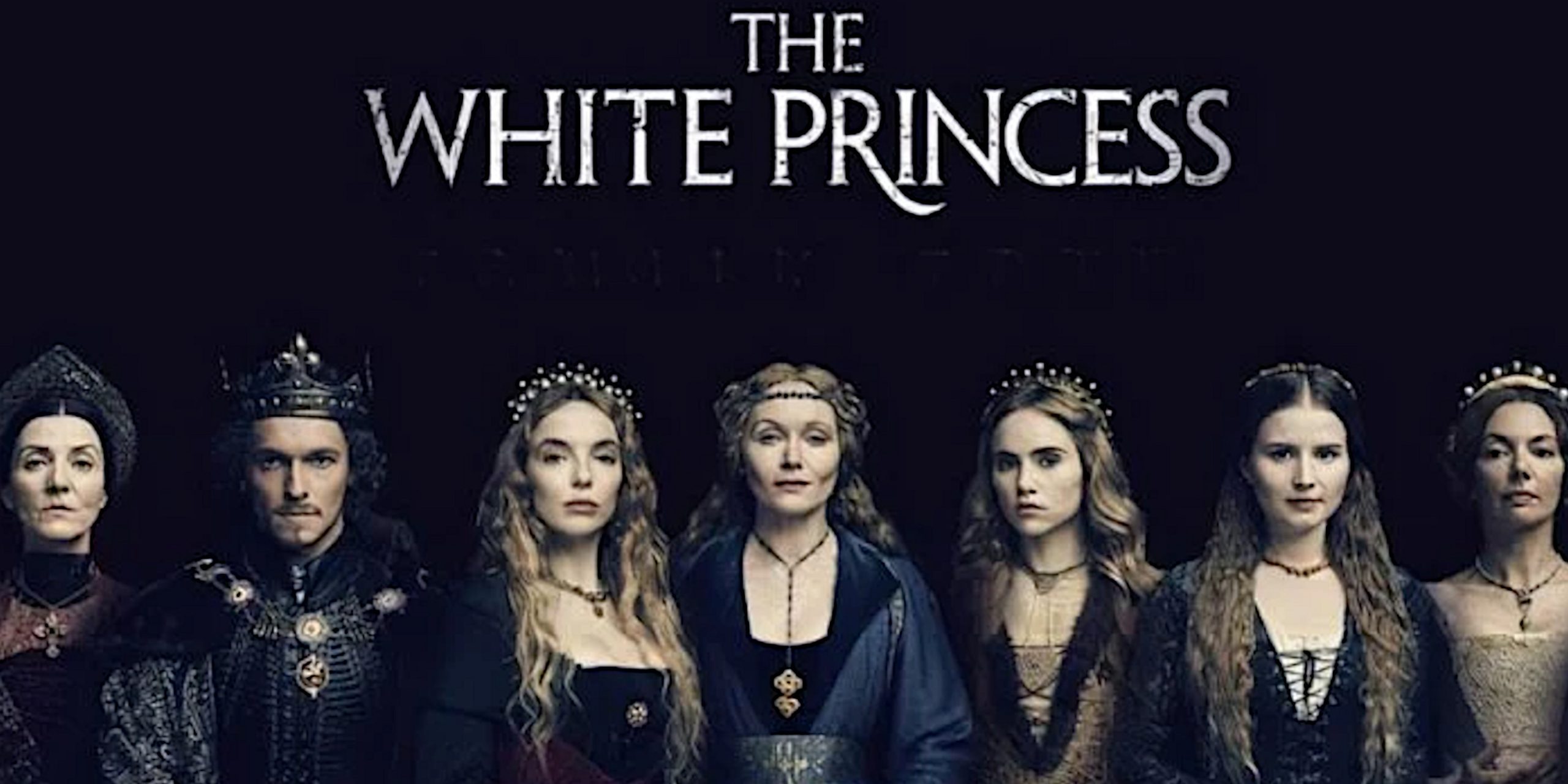
The White Princess, based on Philippa Gregory’s novel, dramatises the fragile early years of the Tudor dynasty. The Battle of Bosworth has ended the Wars of the Roses. The Yorkist princess Elizabeth of York marries the Lancastrian victor Henry Tudor. Unity is promised. Suspicion lingers.
In reality, the period after 1485 was tense, unstable and filled with rival claimants. The show sharpens that tension into intimate rivalries between women who understood that survival required calculation.
It is tempting to search for one hidden architect. History, though, rarely offers such clean answers.
Elizabeth of York: The Reluctant Queen
Elizabeth of York is often presented as gentle, dutiful and politically passive. That image deserves scrutiny.
As daughter of Edward IV and niece to Richard III, she embodied Yorkist legitimacy. Her marriage to Henry VII was not romantic destiny. It was political necessity. Without her, Henry’s claim was thin.
In the series, Elizabeth occasionally appears reactive. Historically, she was quieter than her formidable mother or mother in law, but quiet does not mean powerless. Her role as mother to Arthur, Margaret, Henry and Mary secured the Tudor line. That alone gave her leverage.
She also maintained Yorkist loyalty. By her presence at court, she reassured former enemies. That required emotional intelligence and restraint. I sometimes think we underestimate how strategic restraint can be.
Was she the mastermind? Probably not in the sense of orchestrating plots. But she was indispensable. And indispensability is its own form of power.
Margaret Beaufort: The Architect
If one woman in this story can plausibly claim the title of mastermind, it is Margaret Beaufort.
Before Bosworth, she spent years manoeuvring to place her son on the throne. She survived the Yorkist regime, negotiated alliances and kept the Tudor claim alive when it seemed almost absurdly fragile. That required nerve.
In the show, she is austere, devout and ruthless. The real Margaret was deeply religious, a patron of learning and the founder of colleges at Cambridge. She was also politically shrewd. After 1485 she enjoyed an unusual status, signing documents as “Margaret R” and exercising authority that blurred the line between queen mother and queen.
Her influence over Henry VII was significant. He trusted her judgement. She sat on council. She shaped court culture. If mastermind means long term strategy, she fits the description rather well.
And yet, even she operated within constraints. Tudor England was not a playground for unchecked female rule. Her power depended on her son’s success.
Elizabeth Woodville: The Disrupted Matriarch
Elizabeth Woodville enters the story with a reputation already formed. As widow of Edward IV, she had once dominated court politics. Her marriage scandalised the nobility. Her family rose quickly. Enemies multiplied just as fast.
In The White Princess, she is depicted as calculating and fiercely protective of her children. Historically, she did fight to defend her family’s position, particularly during the crisis of 1483 when her sons disappeared into the Tower.
By the time Henry VII married her daughter, Woodville’s influence had waned. She spent periods away from court, possibly in semi retirement. If she was ever a mastermind, her moment had passed.
Still, she shaped the early narrative. Without her earlier ambition, there would be no Elizabeth of York as the symbol of unity. That legacy matters.
The Wider Female Network
Focusing only on the three central figures risks missing something important. Tudor politics involved a network of women linked by blood, marriage and patronage.
Cecily Neville, matriarch of the Yorkist dynasty, had long understood dynastic strategy. Margaret of Burgundy supported Yorkist pretenders abroad. Katherine of Aragon, though slightly later, embodied the international alliances forged in this era.
When we look at the period closely, it feels less like a single mastermind pulling strings and more like competing centres of influence. Alliances shifted. Letters crossed borders. Marriages sealed fragile truces.
Power was negotiated, not simply seized.
So, Who Was the True Mastermind?
If pressed for a single answer, I would argue for Margaret Beaufort. Her decades long commitment to placing Henry on the throne, followed by her active role in consolidating Tudor rule, mark her out as the most strategic mind of the group.
Yet history rarely rewards tidy conclusions. Elizabeth of York stabilised a divided kingdom. Elizabeth Woodville preserved her children’s claims through chaos. Each woman shaped events in different ways.
Perhaps the more honest conclusion is that Tudor England was sustained by female political intelligence operating just below the formal structures of power. The crown may have been Henry’s, but the dynasty’s survival owed much to women who understood the stakes perfectly.
As a historian, I find that far more interesting than a single puppet master narrative.