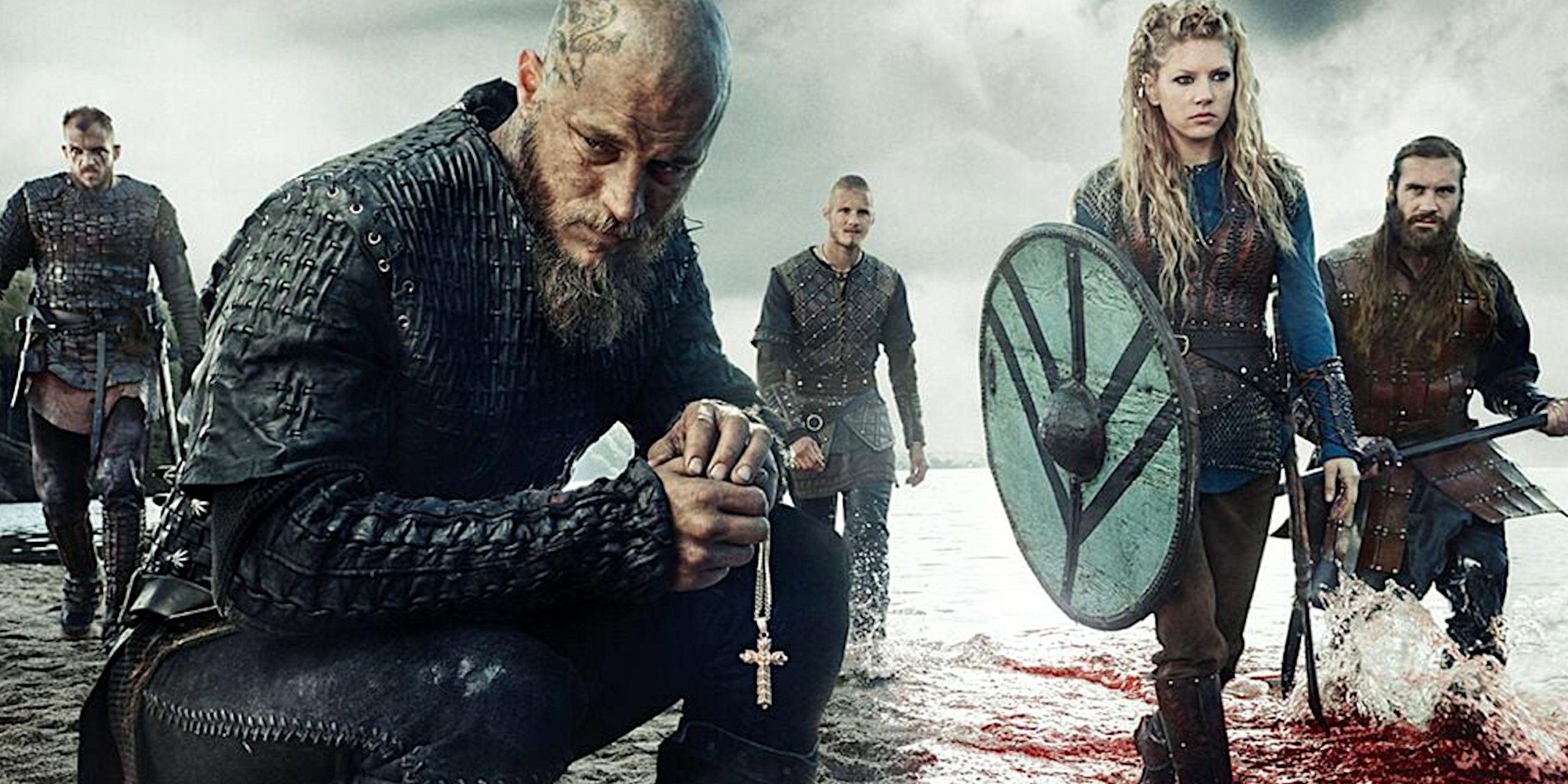
There was a moment, somewhere between the first monastery raid and Ragnar staring moodily into the distance, when it became clear that Vikings had gone far beyond being “that show on the History Channel.”
It turned into a full-blown cultural fixture. Not quite prestige drama in the way of Game of Thrones, not quite documentary either. Something in between, and somehow it worked.
So why did it land so well with audiences who might not normally care about early medieval Scandinavia?
It Made History Feel Immediate
A lot of historical shows feel like homework. You can almost hear the textbooks rustling in the background.
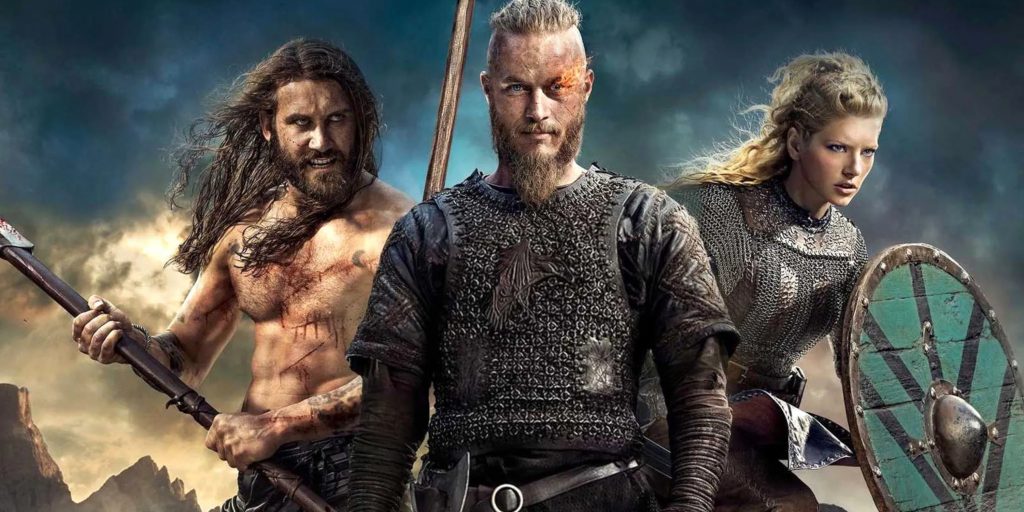
Vikings avoided that. It dropped viewers straight into the action. The raid on Lindisfarne was not framed as a lesson. It felt chaotic, tense, and uncomfortably close. You were not observing history from a safe distance. You were in the middle of it, wondering who was about to get an axe to the ribs.
That immediacy carried through the entire series. Battles were messy. Politics felt personal. Religion was not explained politely, it clashed loudly.
It made the early medieval world feel alive rather than archived.
Ragnar Lothbrok Carried the Early Seasons
You can talk about production value and themes all day, but the real hook was Ragnar Lothbrok.
Played by Travis Fimmel, Ragnar had that rare quality where you were never quite sure what he was thinking, but you wanted to find out. He was curious, ambitious, reckless, occasionally philosophical, and not exactly stable.
That unpredictability made even quieter scenes feel tense. A conversation could turn into a power play without warning.
When the show shifted focus after Ragnar, it never quite lost its audience, but it did lose a certain edge. That says a lot about how central he was.
It Balanced Myth and Reality

The show never fully committed to strict historical realism, and that was probably a good decision.
Instead, it leaned into the blurred line between belief and reality. Characters experienced visions. The gods felt present, whether they were real or not. Floki in particular treated the spiritual world as something tangible, not symbolic.
This approach let the series capture something historians often struggle to convey. For the people living in that time, the supernatural was not abstract. It was part of daily life.
So even when the history bent a little, the mindset felt convincing.
The Battles Felt Raw Rather Than Choreographed
A lot of shows turn battles into spectacle. Vikings kept them grounded.
Fights were close, often claustrophobic. Shields splintered. Weapons got stuck. People slipped, hesitated, panicked. It was not always clean or heroic, and that made it more convincing.
You could see the influence of historical fighting styles without the show turning into a lecture. Shield walls, axes, and short blades were not just props. They shaped how characters moved and survived.
It is the kind of detail that casual viewers might not consciously notice, but they feel it.
Strong Supporting Characters Gave It Depth
Even if Ragnar pulled you in, the rest of the cast kept you watching.
- Lagertha felt like a genuine force rather than a token warrior figure
- Bjorn Ironside carried the exploration and legacy angle forward
- Ivar the Boneless brought chaos, unpredictability, and a slightly unhinged energy
- Rollo offered one of the more interesting identity shifts in the series
These characters were not static. They changed, sometimes for the better, sometimes in ways that made you question why you liked them in the first place.
That evolution kept the story moving even when the central narrative shifted.
It Knew How to Look Good Without Feeling Artificial

Visually, the show found a balance that a lot of historical dramas struggle with.
It looked cinematic, but not overly polished. The world felt worn. Clothes looked used. Settlements felt practical rather than decorative.
Even the big set pieces, like the siege of Paris, kept a sense of scale without drifting into pure spectacle. You always had a sense of where people were, what they were trying to do, and how badly it could go wrong.
It Arrived at the Right Time
Timing matters more than people like to admit.
When Vikings launched, interest in historical and fantasy drama was already climbing, helped by shows like Game of Thrones. Audiences were ready for something similar, but not identical.
Vikings offered a grounded alternative. Less dragons, more axes. Less court intrigue, more raw ambition and exploration.
It filled a gap without feeling like a copy.
Cultural Impact and Legacy
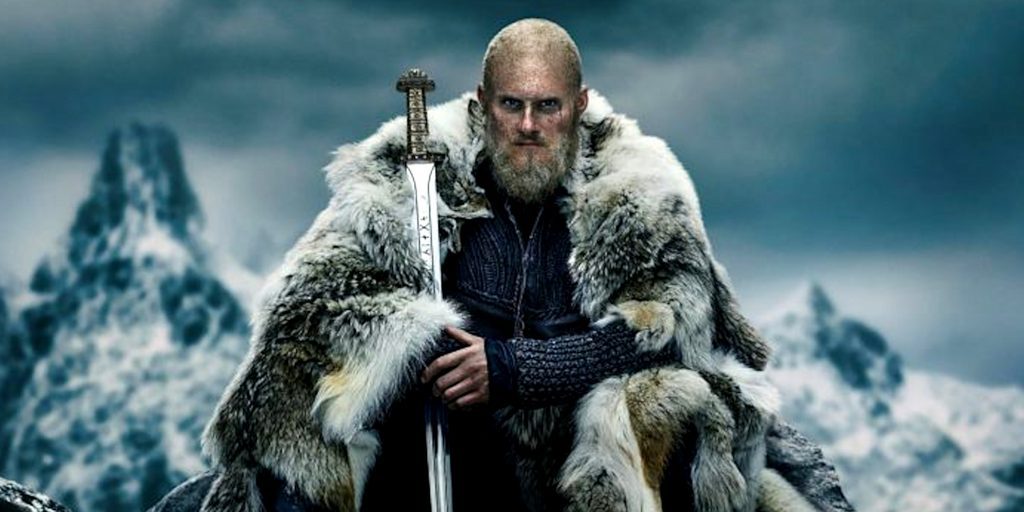
By the time the series wrapped, it had done more than just entertain.
It pushed Viking history back into mainstream conversation. It influenced everything from video games to fashion aesthetics. It even made names like Ragnar, Lagertha, and Bjorn feel oddly familiar to people who had never opened a history book.
Its sequel, Vikings: Valhalla, shows that the appetite has not gone away.
If anything, the original series proved that you can take a relatively niche historical period and turn it into something global, as long as you treat it with a mix of respect and bold storytelling.
Seven Swords Takeaway
What made Vikings work was not one single thing.
It was the combination of character-driven storytelling, grounded action, a willingness to lean into myth, and just enough historical texture to keep it feeling authentic.
It respected its setting without being trapped by it.
And honestly, it understood something simple. If you want people to care about history, you have to make them feel it first.
That, more than anything, is what it got right.