The idea of pirates as lawless rogues is only half the truth. Beneath the chaos and plunder, there existed a surprising order at sea. The so-called Pirate Code, often thought of as legend, was in fact a genuine set of articles agreed upon by crews to ensure fairness, loyalty, and survival. These were not the rules of kings or admirals, but of working men on the edge of empire.
Origins of the Pirate Code
The Pirate Code emerged in the late 17th and early 18th centuries, during what historians call the Golden Age of Piracy. Crews drawn from merchant ships, privateers, and naval deserters often found themselves forming new societies in miniature.
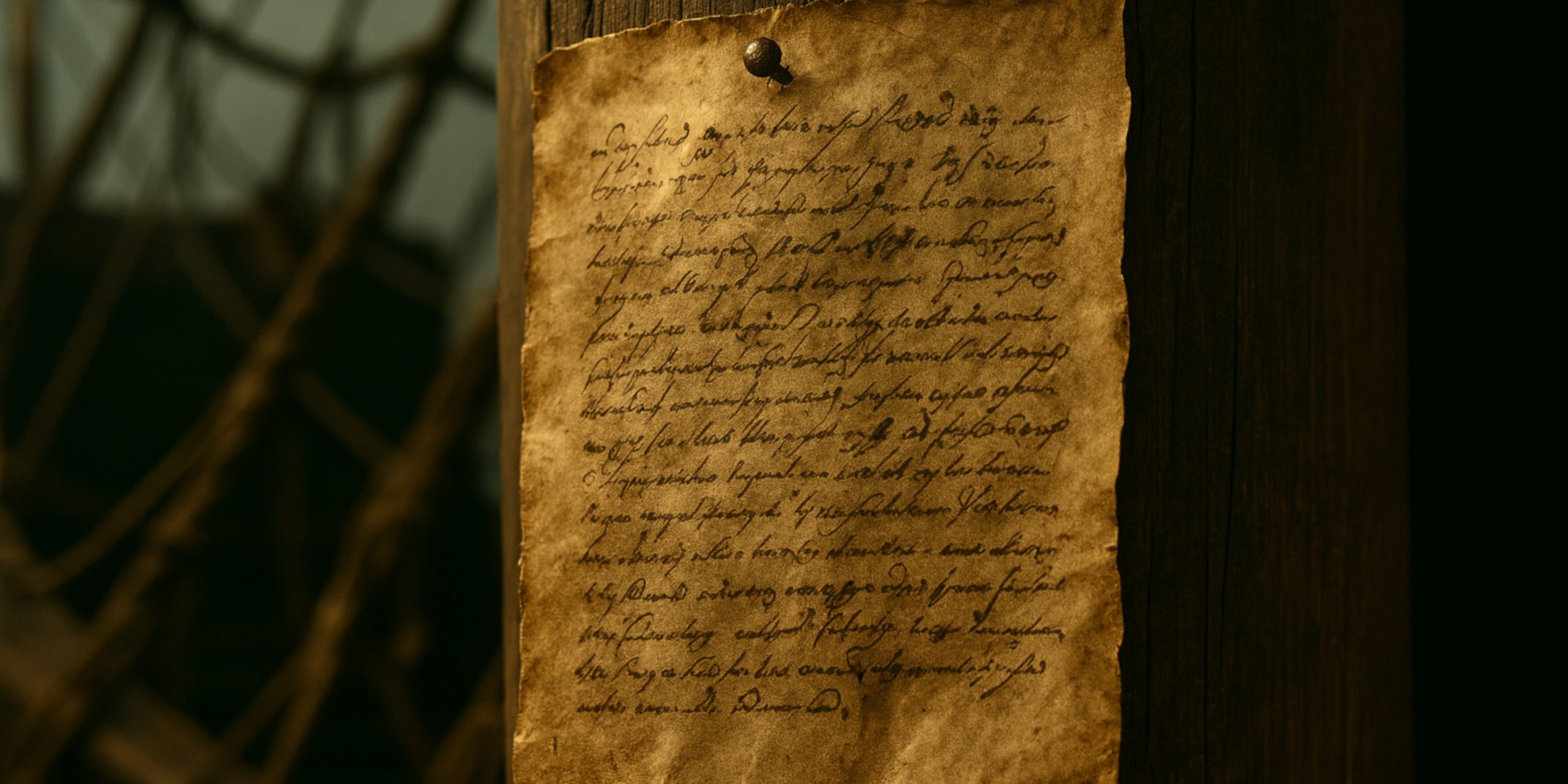
When they took a ship, they needed a system to divide loot, settle disputes, and prevent mutiny. Captains like Bartholomew Roberts and Edward Low devised written articles that every crew member signed before setting sail. These documents, written in plain language, created a surprising kind of democracy in an otherwise brutal world.
How the Code Worked
Every pirate crew had its own variation of the code, but most shared common principles.
Typical Articles Included:
- Equal Vote: Each man had an equal say in major decisions, including who would serve as captain.
- Fair Shares: Loot was divided according to rank, with the captain and quartermaster receiving slightly larger portions, but no one left empty-handed.
- Discipline: Fighting aboard ship, theft, or desertion were punishable by flogging, marooning, or even death.
- Rest and Rationing: Lights were to be put out at a set time, and gambling for money was often banned to prevent conflict.
- Care for the Wounded: Those injured in battle were compensated, sometimes with extra shares of loot or lifelong support.
These were not mere guidelines. The code was read aloud and signed by every crew member, forming a binding contract. Violating it meant swift justice from one’s peers.
Power and Democracy at Sea
Unlike naval ships ruled by strict hierarchy, pirate vessels operated with a strange sense of equality. The captain was not a tyrant but an elected leader, chosen for his skill in battle and charisma. The quartermaster, often second-in-command, acted as a check on the captain’s power, representing the interests of the crew.
In many ways, the pirate ship functioned as a crude democracy. Each man’s voice carried weight, and grievances could be aired openly. Decisions about raids, routes, or discipline were often put to a vote. This form of governance, born out of necessity, was centuries ahead of its time in terms of fairness to the working class.
Punishment and Discipline
Pirates were far from lenient. Punishment under the code was severe but consistent. Theft from a comrade, cowardice in battle, or breaking rank could lead to marooning on a deserted island with only a pistol and a bottle of water. Flogging was common, and some ships reserved execution for extreme cases.
This harshness was not cruelty for its own sake. It maintained order among men living in close quarters under constant danger. The punishment was known and agreed upon in advance, something many sailors on naval ships could not say of their own officers.
Legacy and Myth
The Pirate Code has lived on in literature and film, from Treasure Island to Pirates of the Caribbean. Popular culture paints it as romantic or vague, “more what you’d call guidelines than actual rules”, but the truth is much more interesting. These codes reveal a world where outlaws forged their own order when the established one had failed them.
Modern historians view the Pirate Code as a social contract of survival. It represents an early experiment in shared governance, equality, and workers’ rights, albeit one that thrived on violence and plunder.
Where to See Pirate Articles Today
- National Maritime Museum (Greenwich, UK): Holds documents from privateers and early pirate activity.
- Library of Congress (USA): Features facsimiles of Bartholomew Roberts’s Articles.
- Maritime Museum of the Bahamas: Displays replicas of codes from Caribbean crews.
The Seven Swords Takeaway
The Pirate Code was never about morality. It was about survival and structure in a world that had abandoned those who lived by the sea. These men wrote their own rules when the laws of kings offered only poverty or chains. In doing so, they left behind one of history’s most unlikely experiments in democracy, hidden beneath the black flag.