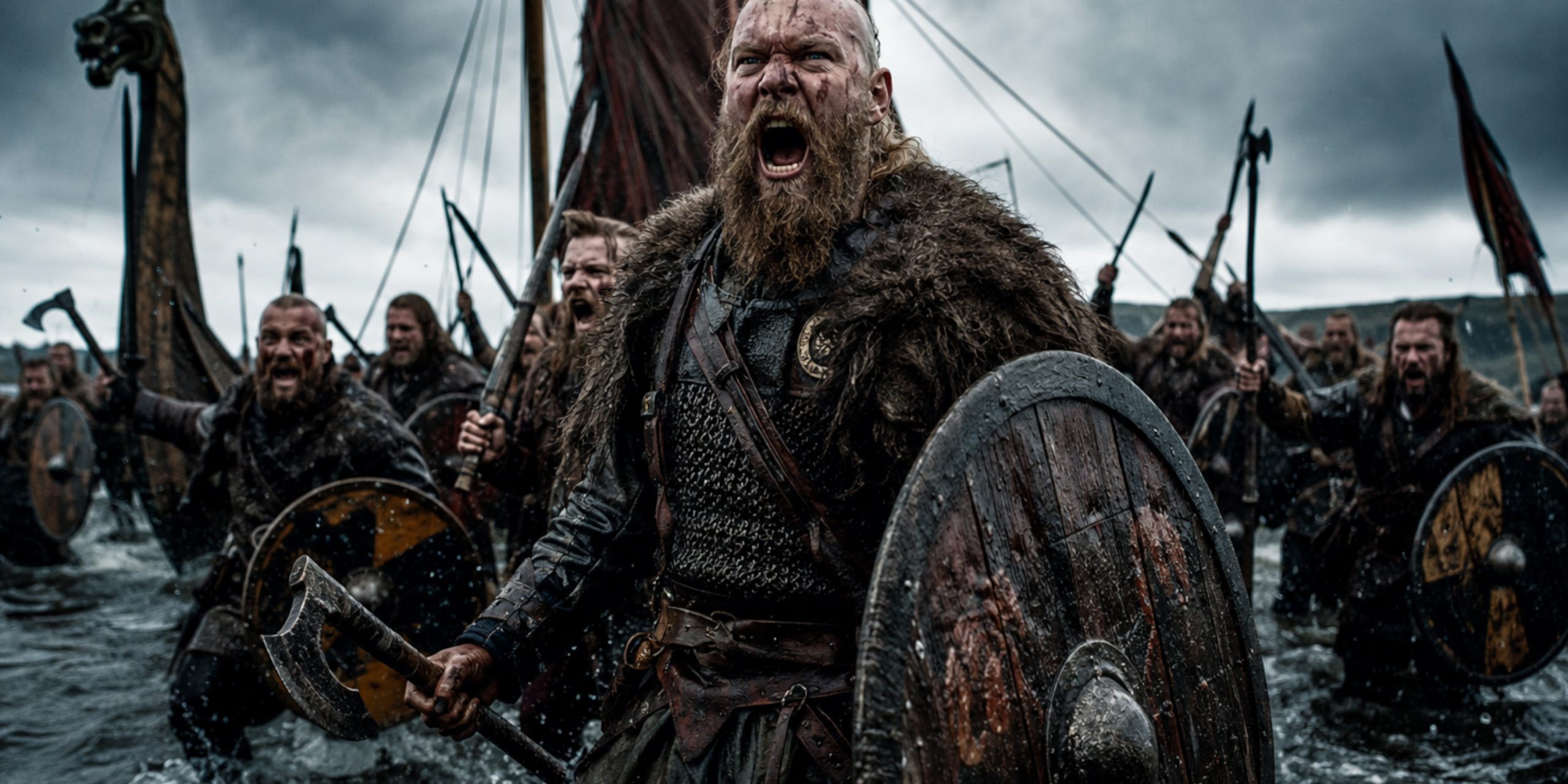
Few Viking figures stand on such uncertain ground as Bjorn Ironside. He appears as a fearless warrior, raider and king in Norse tradition, yet separating the historical man from the saga hero is like trying to untangle a knot tied by a bored Viking sailor during a very long winter.
The broad picture suggests a powerful Scandinavian leader active in the 9th century, associated with large scale Viking raids across Europe and traditionally remembered as one of the sons of Ragnar Lodbrok. His reputation rests on later medieval texts, Frankish sources describing Viking attacks, and generations of Scandinavian memory.
Was Bjorn exactly the man described in the sagas? Almost certainly not. Was there likely a formidable Norse commander behind the legend? The evidence points in that direction.
The Origins Of Bjorn Ironside
The most famous accounts of Bjorn come from Norse saga literature, including:
- The Tale of Ragnar’s Sons
- The Saga of Ragnar Lodbrok
- Later Scandinavian histories
According to these traditions, Bjorn was the son of Ragnar Lodbrok and Aslaug, making him the brother of famous Viking figures such as:
- Ivar the Boneless
- Sigurd Snake-in-the-Eye
- Hvitserk
The nickname “Ironside” is usually interpreted as a reference to exceptional toughness or a reputation for surviving wounds in battle. Saga writers loved memorable names, and Viking nicknames were rarely subtle. A warrior called “Ironside” was not being advertised as someone who avoided trouble.
Historically, some scholars connect Bjorn with Viking leaders involved in raids across Francia and the Mediterranean during the mid-9th century.
Bjorn Ironside And The Viking World
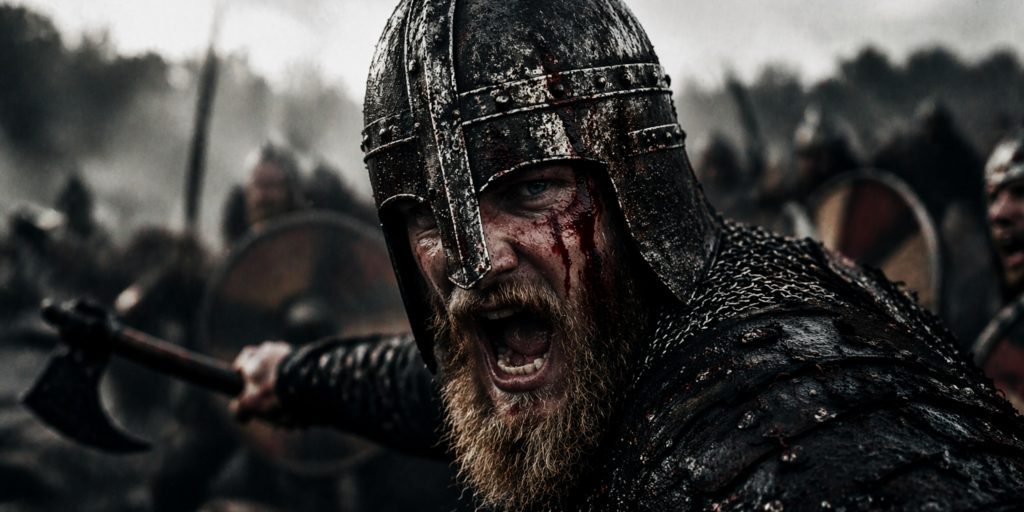
Bjorn lived during the Viking Age expansion, a period when Scandinavian groups transformed from coastal raiders into major political and military forces.
The Viking world of his era was shaped by:
- Long distance seafaring
- Seasonal raiding
- Trading networks stretching from the North Atlantic to the Middle East
- The rise of powerful war leaders
- Competition between emerging Scandinavian dynasties
A successful Viking commander needed more than strength. He needed ships, loyal followers, wealth, diplomacy and a talent for choosing targets.
The sagas focus on sword swings and heroic speeches, but logistics probably decided more Viking campaigns than dramatic battlefield moments.
Battles And Military Acumen
The Great Raids Across Europe
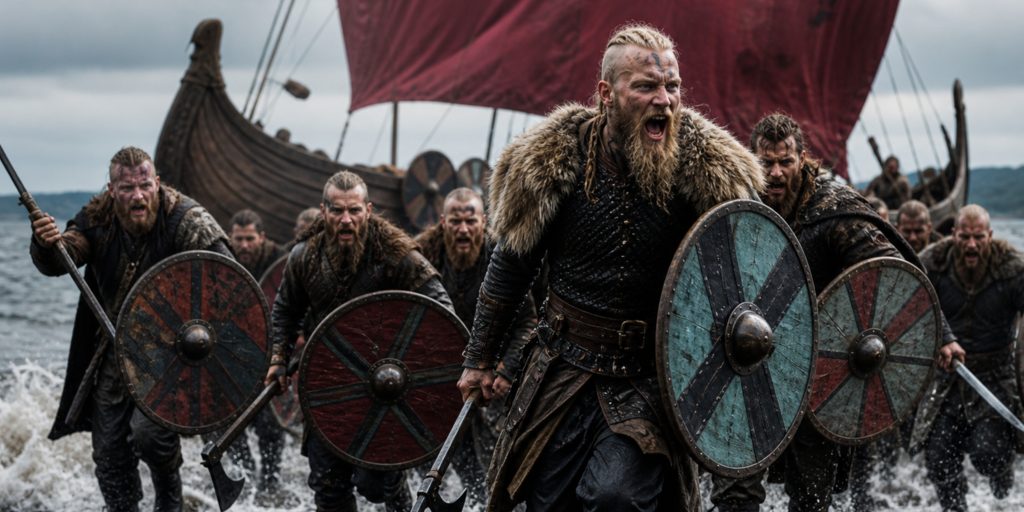
Bjorn is traditionally connected with Viking operations that struck deep into Christian Europe. The historical picture is difficult because sources often recorded Viking armies rather than individual commanders.
Campaigns associated with Bjorn include:
Raids In Francia
Viking fleets repeatedly attacked the Frankish kingdoms during the 9th century. These raids targeted:
- Monasteries
- River settlements
- Trading centres
- Political strongholds
Success depended on speed. Viking fleets could move along waterways, attack before large armies gathered, and disappear with wealth and prisoners.
The Mediterranean Expedition
One of the most famous traditions links Bjorn Ironside with a huge voyage alongside the Viking leader Hastein.
Their fleet reportedly attacked locations around:
- Iberia
- Southern Francia
- The Italian coast
The most legendary episode claims the Vikings reached Luna in Italy and mistook it for Rome. According to later accounts, they used deception to enter the city by pretending their leader had died and wished to receive a Christian burial.
Whether Bjorn personally led this campaign remains debated, but the story reflects a genuine Viking ability to combine naval power, intelligence gathering and psychological warfare.
Military Strengths
Bjorn’s reputation rests on several qualities associated with successful Viking commanders.
Naval Strategy
The longship was the foundation of Viking success. Leaders like Bjorn understood that ships were more than transport. They were weapons.
They allowed:
- Rapid coastal attacks
- River penetration
- Strategic withdrawal
- Surprise movements
A Viking army could appear where enemies believed an attack was impossible.
Leadership And Reputation
A Viking war leader survived through loyalty. Followers expected:
- Treasure
- Victory
- Personal courage
- Fair distribution of rewards
A commander who failed repeatedly would quickly discover that Viking loyalty had practical limits.
Adaptability
The best Viking commanders changed tactics depending on the enemy. They could raid, negotiate, demand tribute, settle land or fight open battles.
This flexibility made Viking forces incredibly difficult opponents.
Arms And Armour Of Bjorn Ironside’s Era
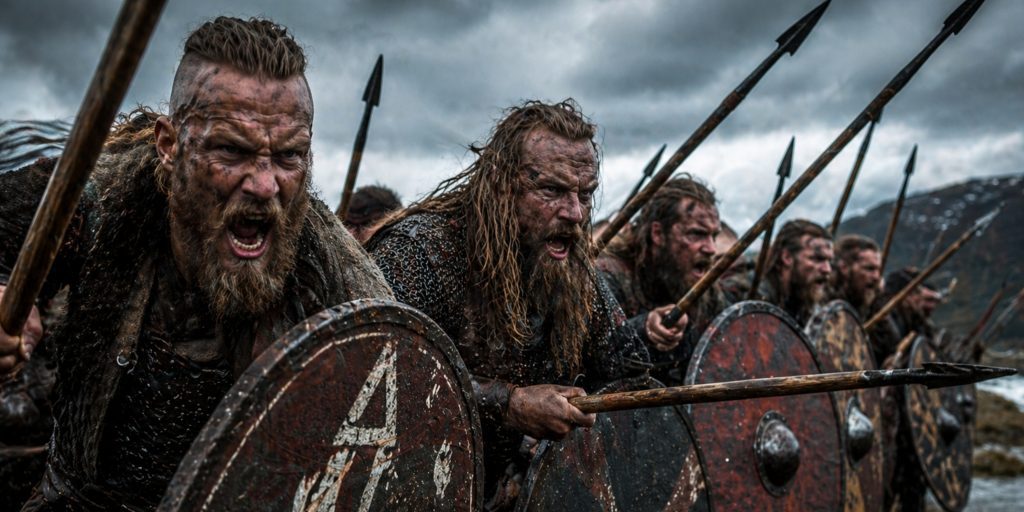
The weapons associated with Bjorn come from 9th century Viking archaeology rather than personal surviving equipment.
Viking Swords
A wealthy commander like Bjorn would likely have carried a high quality sword.
Common types included:
Carolingian Style Viking Sword
Many Viking swords were influenced by Frankish designs.
Features:
- Double edged blade
- Broad fuller to reduce weight
- One handed grip
- Iron or pattern welded construction
- Decorated guards and pommels among elite examples
Famous sword classifications from this period include Petersen types such as Type H and Type K.
A sword was more than a weapon. It represented status, inheritance and personal identity.
Axes
Axes were widespread because they were practical and deadly.
Types included:
- Bearded axe
- Broad fighting axe
- Smaller utility axes adapted for combat
They could hook shields, break formations and deliver devastating cuts.
Spears
The spear was probably the most common Viking battlefield weapon.
Advantages:
- Cheap compared with swords
- Effective in formations
- Useful from behind a shield wall
- Could be thrown or used in close combat
Shields
The classic Viking round shield featured:
- Wooden construction
- Central iron boss
- Leather reinforcement on some examples
- Bright painted designs
Shields were active tools used for movement, pressure and controlling an opponent.
Armour
Bjorn as an elite warrior may have used:
- Mail shirt (byrnie)
- Iron helmet
- Padded clothing
- Leather equipment
The popular image of every Viking wearing heavy armour is misleading. Quality mail was expensive, and many warriors fought with simpler protection.
And yes, the horned helmet belongs more to opera costumes than Viking battlefields. Archaeology has been quite unforgiving about that myth.
Bjorn Ironside As King
Later tradition claims Bjorn became a ruler in Sweden and founded the House of Munsö.
The historicity is debated, but Scandinavian traditions remembered him as an important ancestor figure. Linking later rulers to famous Viking heroes helped strengthen legitimacy.
Whether Bjorn personally founded a dynasty remains uncertain, but his name became deeply attached to ideas of Viking kingship.
Archaeology Connected To Bjorn Ironside
No artefact has been conclusively proven to belong to Bjorn himself.
This is an important point. Viking history attracts plenty of confident claims, but responsible archaeology demands evidence.
What we do have are discoveries that reveal the world he belonged to.
Munsö Burial Mound, Sweden
A large burial mound on the island of Munsö has traditionally been associated with Bjorn Ironside.
However:
- The identification is based on tradition
- No definitive proof connects the grave directly to him
- It remains culturally important in Swedish Viking heritage
Viking Age Weapon Finds
Archaeological discoveries across Scandinavia reveal the equipment of warriors from Bjorn’s period, including:
- Pattern welded swords
- Spearheads
- Axe heads
- Shield fittings
- Ship burials
These finds give us a much clearer picture of Viking warfare than the sagas alone.
Where To See Artefacts From Bjorn Ironside’s Era
Although Bjorn’s personal possessions have not survived, several museums preserve objects from his world.
Swedish History Museum, Stockholm
Important collections include:
- Viking swords
- Jewellery
- Rune stones
- Elite warrior objects
- Trade items
This is one of the best places to understand the Scandinavian society that produced figures like Bjorn.
Viking Ship Museum, Oslo
Home to some of the greatest Viking maritime discoveries.
Highlights include:
- Viking ships
- Burial goods
- Woodworking
- Evidence of elite Viking culture
The ships show exactly why Viking commanders could project power across such enormous distances.
National Museum Of Denmark, Copenhagen
Collections include:
- Viking weapons
- Hoards
- Everyday objects
- Religious artefacts
The museum provides valuable context for the wider Viking Age.
British Museum, London
The Viking collections include:
- Weapons
- Silver hoards
- Scandinavian objects found in Britain
These items show how far Viking influence spread.
Latest Archaeological Understanding
Modern Viking research has changed dramatically through:
- DNA studies
- Isotope analysis
- Improved dating techniques
- Reassessment of burial evidence
Recent discoveries have challenged older assumptions about Viking identity. Researchers now understand Viking society as more connected and diverse than earlier nationalist interpretations suggested.
Findings show extensive links between Scandinavia and:
- Britain
- Ireland
- Francia
- Byzantium
- The Islamic world
Bjorn’s world was not isolated. Viking elites were part of an international network of trade, violence and diplomacy.
Legacy Of Bjorn Ironside
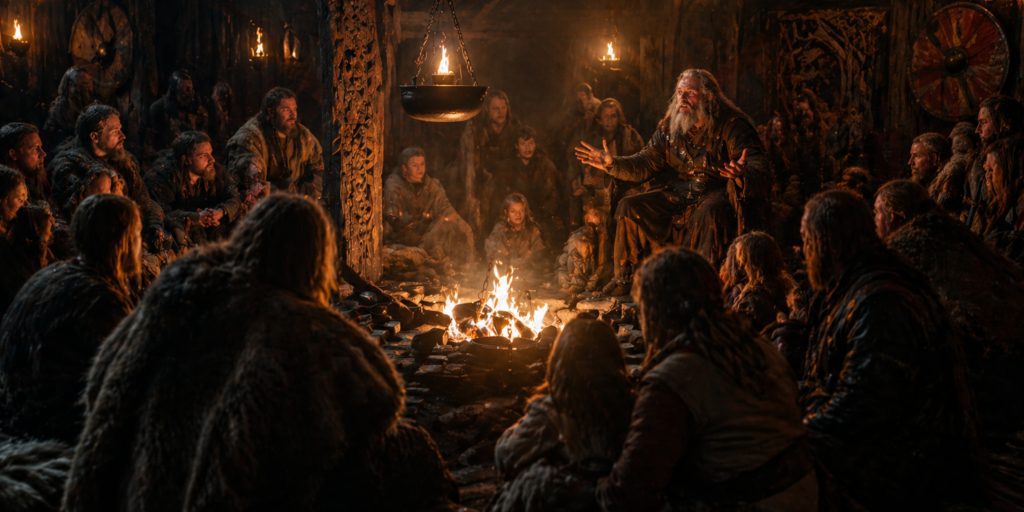
Bjorn Ironside survives somewhere between history and legend. The sagas turned him into a near unstoppable warrior, while historical evidence suggests a more complicated reality.
The real Bjorn was probably not the flawless hero later writers imagined. Viking leaders were ambitious, ruthless and political. Their world rewarded success rather than kindness.
Yet the reason Bjorn’s name endured is clear. He represented the qualities admired in Viking culture:
- Courage
- Adventure
- Tactical intelligence
- Loyalty from followers
- A hunger for reputation
The historian’s challenge is accepting both sides of Bjorn Ironside. The legend is powerful, but the fragments of reality behind it may be even more interesting.