The Witcher on Netflix: A Series That Changed Fantasy Television
When The Witcher premiered on Netflix in 2019, expectations were enormous. Andrzej Sapkowski’s novels had already inspired one of gaming’s greatest success stories through CD Projekt Red’s acclaimed RPG trilogy. Millions of fans wanted a faithful adaptation packed with monsters, political intrigue and memorable sword fights.
For a while, it looked as though Netflix had found its next fantasy juggernaut.
The first season generated huge viewing figures and introduced countless newcomers to Geralt of Rivia. Henry Cavill quickly became synonymous with the White Wolf, while the show’s brutal combat and creature design earned widespread praise.
Then things became… complicated.
Creative decisions, increasingly vocal criticism from long time fans, major casting changes and falling audience enthusiasm transformed one of Netflix’s biggest successes into one of its most debated productions.
As of 2026, The Witcher remains one of streaming’s most recognisable fantasy franchises, but it also stands as a fascinating example of how difficult adapting beloved source material can be.
Overview

| Feature | Details |
|---|---|
| First Released | 2019 |
| Platform | Netflix |
| Genre | Fantasy, Adventure, Drama |
| Based On | Andrzej Sapkowski’s Witcher novels |
| Original Lead | Henry Cavill |
| Current Geralt | Liam Hemsworth |
| Seasons Released | 4 |
| Season 5 | Confirmed as the final season |
| Setting | The Continent |
What Is The Witcher About?
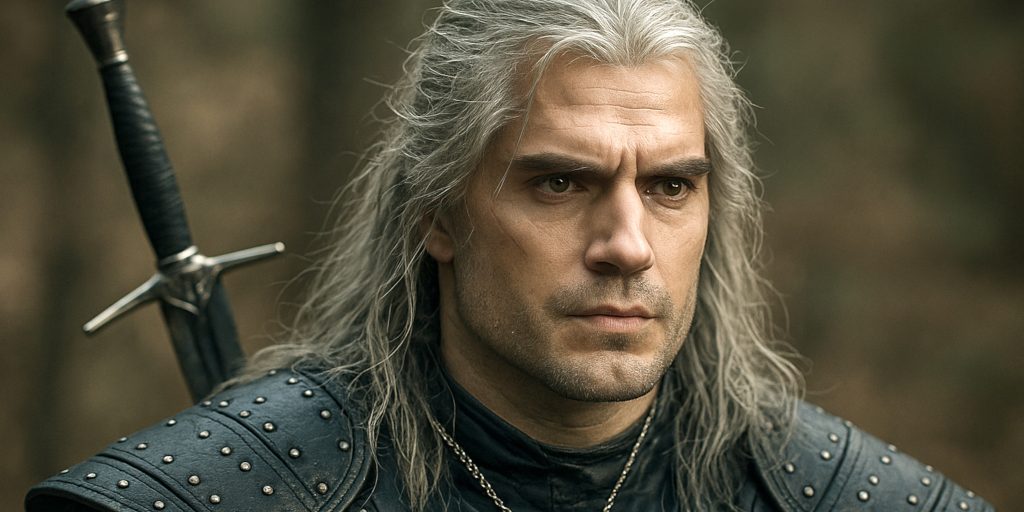
The series follows Geralt of Rivia, a genetically enhanced monster hunter who travels the Continent accepting contracts while trying to stay neutral in a world consumed by politics, prejudice and war.
His fate becomes intertwined with two extraordinary women:
- Yennefer of Vengerberg, an immensely powerful sorceress
- Princess Cirilla (Ciri), whose Elder Blood makes her one of the most important people alive
The central theme is simple enough. Fate keeps dragging these three people together, even when they’d rather be anywhere else.
Surrounding them is a world filled with:
- Monsters inspired by Slavic folklore
- Warring kingdoms
- Secret organisations
- Elves, dwarves and mages
- Moral choices with no perfect answers
That last point has always been The Witcher’s greatest strength. Geralt rarely defeats evil because, more often than not, everyone involved has at least a little blood on their hands.
Seasons at a Glance
| Season | Year | Major Focus |
|---|---|---|
| Season 1 | 2019 | Geralt, Yennefer and Ciri’s separate timelines |
| Season 2 | 2021 | Kaer Morhen and Ciri’s Witcher training |
| Season 3 | 2023 | Political conspiracies and the Thanedd Coup |
| Season 4 | 2025 | Liam Hemsworth’s debut as Geralt |
Season 5 entered production as the planned conclusion of Netflix’s main series.
The Cast
Geralt of Rivia
- Henry Cavill (Seasons 1 to 3)
- Liam Hemsworth (Season 4 onwards)
Main Characters
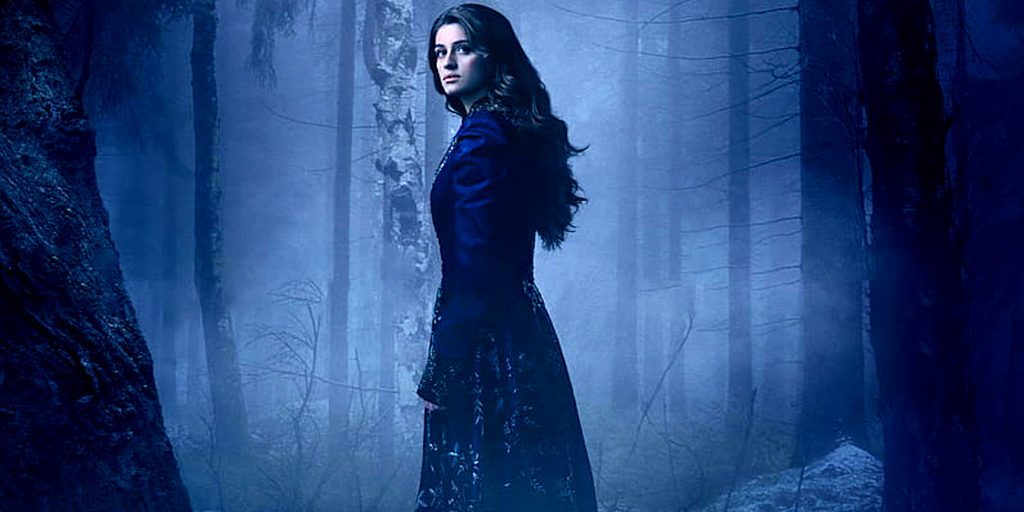
- Freya Allan as Ciri
- Anya Chalotra as Yennefer
- Joey Batey as Jaskier
- MyAnna Buring as Tissaia
- Eamon Farren as Cahir
- Anna Shaffer as Triss Merigold
- Mahesh Jadu as Vilgefortz
Many performances have received consistent praise throughout the show’s run, even during seasons that divided audiences.
Henry Cavill’s Performance
Even critics of the later seasons generally agree on one thing.
Henry Cavill was superb as Geralt.
A genuine fan of both Sapkowski’s novels and the games, Cavill reportedly pushed for dialogue, character moments and story beats that reflected the books more closely.
His Geralt balanced dry humour, quiet intelligence and intimidating physical presence without turning the character into a one note action hero.
His sword fighting also deserves special mention.
The Blaviken fight in Season 1 remains one of television’s finest medieval fantasy duels. It combines speed, precision and believable choreography in a way few fantasy productions have matched.
Liam Hemsworth Takes Over
Replacing a popular lead actor is rarely easy.
Replacing Henry Cavill was arguably one of the hardest casting challenges Netflix has faced.
Season 4 introduced Liam Hemsworth as Geralt through a narrative device intended to ease viewers into the transition.
Reception has been mixed.
Some viewers accepted the change more readily than expected, while others continued to associate the character almost exclusively with Cavill. Much of the criticism has centred on the unavoidable comparison rather than Hemsworth’s own performance.
Whether opinions soften over time may depend on how successfully the final season concludes Geralt’s story.
How Faithful Is It to the Books?
This has become one of the biggest talking points surrounding the series.
What the show keeps
- Geralt, Ciri and Yennefer remain the emotional centre
- Many major locations are faithfully recreated
- Numerous monsters originate directly from Sapkowski’s stories
- Political tensions between Northern Kingdoms and Nilfgaard remain central
Where it differs
- Character motivations are often altered
- Entire storylines have been created for television
- Some relationships develop differently
- Certain book events occur in a different order
- Several supporting characters receive expanded or reduced roles
Adaptation always requires change, particularly when moving from novels to television. The debate has centred on whether those changes strengthened the story or moved too far away from what readers loved.
Differences from the Games

Many viewers first encountered Geralt through The Witcher 3: Wild Hunt.
The Netflix series adapts the books rather than the games.
That distinction matters.
The games continue Sapkowski’s timeline after the novels conclude, while the television series retells events from the books themselves.
As a result:
- Geralt appears younger
- Ciri is still developing her powers
- Political events are at an earlier stage
- Several familiar game characters have not yet reached their later roles
Anyone expecting a live action version of The Witcher 3 is likely to be surprised.
The Sword Fighting

One area where the series has consistently impressed is combat.
Geralt’s fighting style mixes historical European swordsmanship with supernatural speed and precision.
Highlights include:
- The Blaviken marketplace battle
- Geralt versus the Striga
- Kaer Morhen training sequences
- Multiple encounters with monsters including Bruxae and Leshens
Rather than relying purely on flashy spins, many fights emphasise timing, positioning and efficient cuts, which helps them feel grounded despite the fantasy setting.
Visual Effects and World Building
The production values have varied between seasons, but several aspects remain impressive.
Strengths include:
- Creature design
- Costume detail
- Armour improvements after Season 1
- Large scale environments
- Practical locations across Europe
Some CGI sequences have divided opinion, particularly during larger battles, yet the Continent still feels like a distinctive fantasy setting rather than another imitation of Middle-earth.
Controversies
Few modern fantasy shows have generated as much discussion outside the episodes themselves.
Henry Cavill’s departure
Cavill’s exit became the defining controversy surrounding the series.
Netflix never presented a detailed public explanation beyond announcing the casting change. Online speculation quickly focused on possible creative disagreements regarding the adaptation’s direction.
While many rumours circulated, much remains unconfirmed. What is clear is that Cavill’s departure significantly affected audience confidence.
Changes from the novels
Long time readers criticised alterations to established characters, relationships and storylines.
Supporters argued that television adaptations need flexibility.
Critics believed too much of Sapkowski’s original vision had been replaced.
Declining audience enthusiasm
Although viewing numbers remained substantial, online discussion became increasingly critical after later seasons.
Review scores from fans often fell well below those from professional critics, highlighting a growing divide between general audiences and dedicated Witcher enthusiasts.
Social media debate
Few fantasy adaptations have inspired quite as many heated online arguments.
Book readers, gamers and television only viewers frequently arrived with different expectations, leading to endless discussions over casting, writing decisions and character interpretation.
Sometimes the Continent seemed more peaceful than the comment sections.
Why Has the Series Become So Divisive?
Several factors contributed.
- Expectations were exceptionally high.
- The source material has a passionate global fanbase.
- The games introduced millions of players to established versions of the characters.
- Narrative changes became increasingly ambitious.
- Henry Cavill’s departure shifted attention away from the story itself.
None of these issues alone doomed the series.
Combined, they created an adaptation constantly measured against multiple versions of The Witcher at once.
Critical Reception
Praised
- Henry Cavill’s portrayal
- Fight choreography
- Monster designs
- Joey Batey’s performance as Jaskier
- Freya Allan’s development as Ciri
Criticised
- Narrative pacing
- Complex timeline in Season 1
- Inconsistent writing
- Departure from source material
- Character changes
Reception has therefore been far from unanimous. Some viewers continue to enjoy the series as its own interpretation, while others feel it missed the qualities that made the novels exceptional.
The Legacy of Netflix’s The Witcher
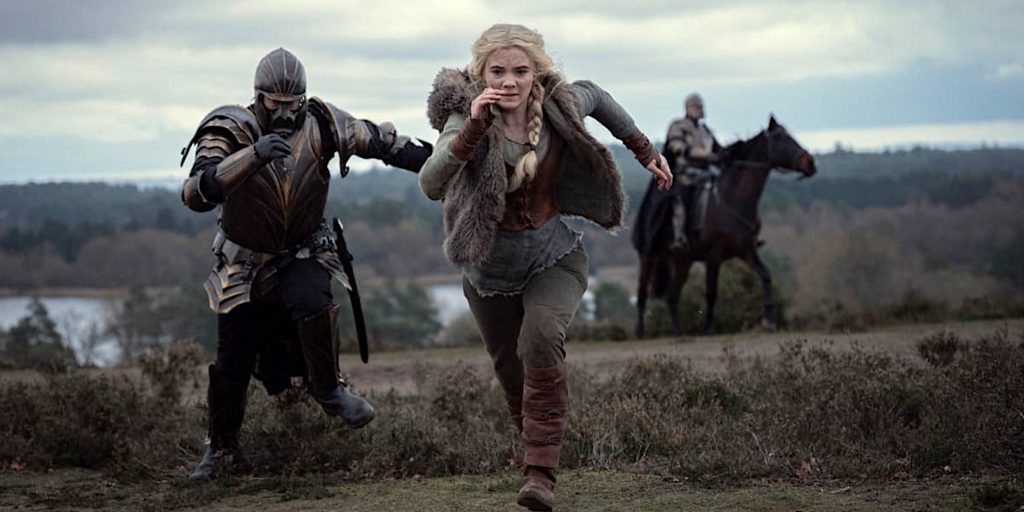
Regardless of opinion, the show’s influence is undeniable.
It introduced millions of viewers to Sapkowski’s world, boosted sales of the novels and renewed interest in CD Projekt Red’s games.
It also demonstrated how difficult adapting beloved fantasy can be in an age where every creative decision is dissected online within minutes.
Whether history remembers the series as a missed opportunity or a bold reinterpretation may depend on how successfully the final season lands.
One thing seems certain. Few fantasy adaptations have inspired quite so many debates about what faithfulness to source material really means.
Is The Witcher Worth Watching in 2026?
If you’re completely new to the franchise, absolutely.
The first season remains an entertaining introduction to one of fantasy’s richest worlds, while later seasons still offer memorable performances, impressive action and ambitious storytelling.
If you’re a devoted reader of Sapkowski’s novels, it helps to approach the series as an alternative interpretation rather than a page by page adaptation.
Either way, Geralt still slays monsters.
It’s the internet that remains impossible to defeat.
Frequently Asked Questions
Is Netflix’s The Witcher based on the games?
No. The television series adapts Andrzej Sapkowski’s novels. The games tell a continuation of the book storyline.
Why did Henry Cavill leave?
Netflix has not provided a detailed explanation. Various reports and speculation have suggested creative differences, but these have never been fully confirmed.
Is Season 5 the final season?
Yes. Netflix has announced that Season 5 will conclude the main series.
Is Liam Hemsworth replacing Henry Cavill permanently?
Yes. Hemsworth plays Geralt from Season 4 through the final season.
Should I read the books first?
Not necessarily. The series works as an entry point, although readers will notice significant differences in later seasons.