Not every sword sold at auction is a priceless relic carried by a king or legendary general. In fact, the historic arms market is built on a handful of collecting categories that appear repeatedly in auction catalogues year after year. Some are relatively affordable, while others command six or even seven figure sums, but all have developed loyal followings among collectors, museums and military historians.
The frequency with which a particular type of sword appears at auction depends on several factors. Survival rates, historical production numbers, export laws and collector demand all play an important role. Japanese swords, for example, were produced in large numbers over many centuries and have benefited from meticulous preservation, making them regular features in international sales. By contrast, genuine medieval European swords are exceptionally scarce, with many now residing in museum collections or protected as national treasures.
This ranking looks at the sword types most commonly encountered at major auction houses such as Bonhams, Christie’s, Sotheby’s, Hermann Historica, Czerny’s, Heritage Auctions and Rock Island Auction Company. It is based on how frequently these weapons appear in specialist sales rather than the prices they achieve.
Ranking the Most Popular Types of Swords Sold at Auction
| Rank | Sword Type | Frequency at Auction | Collector Demand |
|---|---|---|---|
| 9 | Medieval European Swords | Very Rare | Exceptional |
| 8 | Scottish Basket-Hilted Swords | Low | High |
| 7 | Islamic and Ottoman Swords | Low to Medium | Growing |
| 6 | Presentation and Ceremonial Swords | Medium | Strong |
| 5 | Indian and Mughal Swords | Medium | Growing Strongly |
| 4 | American Civil War Swords | High | Very High |
| 3 | Napoleonic Era Swords | High | Very High |
| 2 | British Military Swords | Very High | Consistently Strong |
| 1 | Japanese Samurai Swords | Exceptionally High | Among the Strongest Worldwide |
9. Medieval European Swords

If medieval swords occupied the top spot, collectors would probably be delighted and archaeologists deeply concerned.
Authentic medieval swords are among the rarest weapons to appear at auction. Centuries of warfare, corrosion, recycling and simple attrition have left relatively few surviving examples. Many of those that do exist are already held by museums, universities or long-established private collections.
When a genuine medieval arming sword, longsword or Viking sword reaches the open market, it usually attracts international attention. Auction catalogues may only feature a handful each year, making them far less common than later military swords.
Because of this scarcity, even fragmentary examples with solid archaeological provenance can command remarkable prices.
Common examples include:
8. Scottish Basket-Hilted Swords
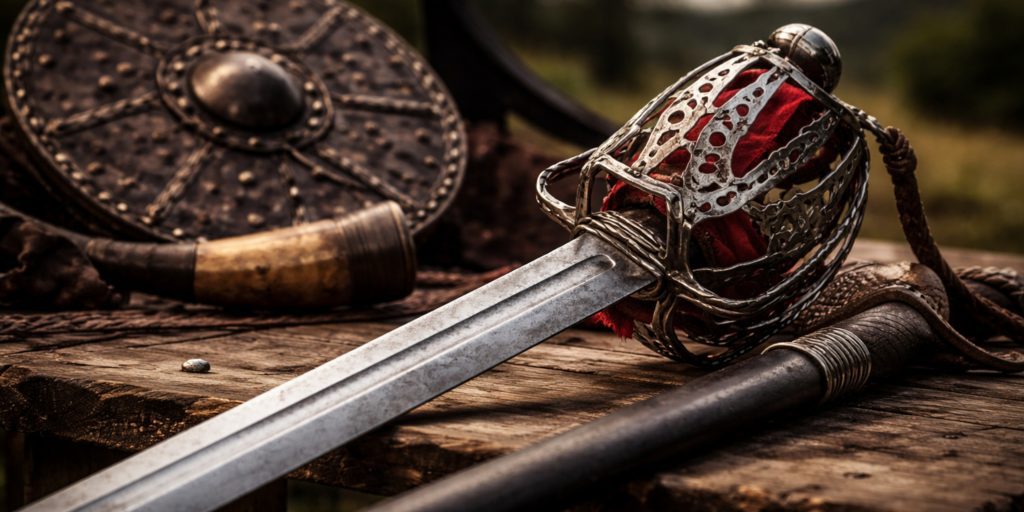
Scottish basket-hilted swords have never lost their appeal. Their distinctive guards, Highland associations and connection to the Jacobite uprisings make them favourites among collectors of British arms.
Original eighteenth century examples appear with reasonable regularity, although far fewer than Victorian military swords. Auction houses must also distinguish carefully between period examples and the many nineteenth century reproductions produced during Scotland’s romantic revival.
Collectors particularly value swords associated with Highland regiments or notable Scottish families.
7. Islamic and Ottoman Swords
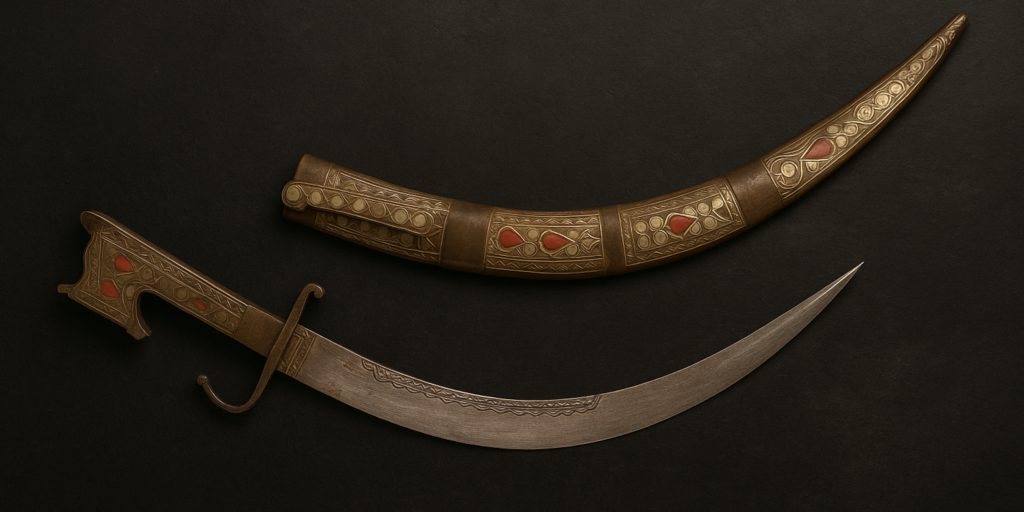
Interest in Islamic arms has grown steadily over the past two decades, driven by increased scholarship and greater appreciation for their craftsmanship.
Persian shamshirs, Ottoman kilijs and Arab saifs appear regularly in specialist auctions, often featuring beautifully watered steel blades and elaborate hilts crafted from jade, ivory or silver.
Royal or military provenance can elevate these swords considerably, although even anonymous examples continue to attract healthy bidding from collectors worldwide.
6. Presentation and Ceremonial Swords
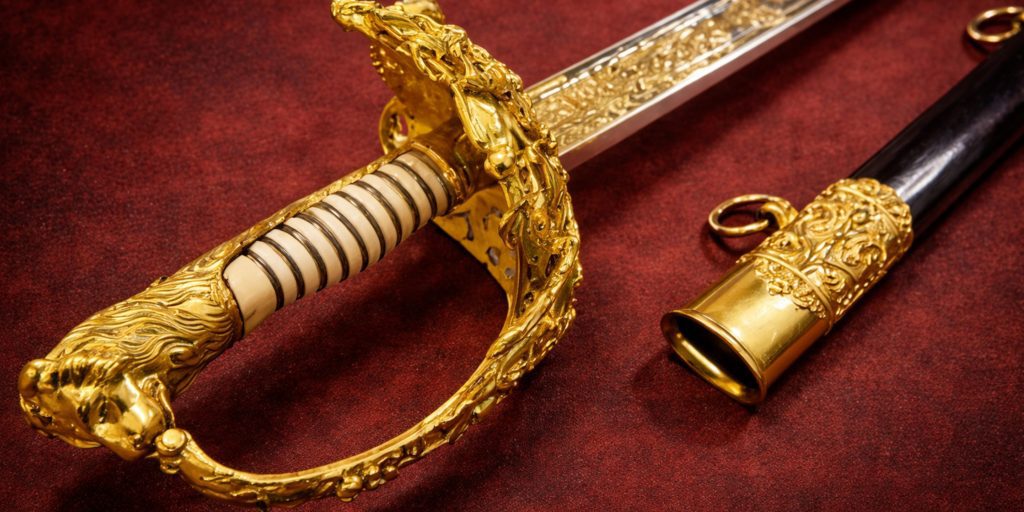
Not every historic sword was intended for combat.
Presentation swords were commissioned to honour distinguished military service, civic achievements or diplomatic occasions. Many feature elaborate engraving, silver or gold mounts and richly decorated scabbards that would have looked entirely out of place on a muddy battlefield.
These swords span numerous countries and historical periods, ensuring they appear frequently across international auctions.
Collectors often prize the story behind the presentation as much as the weapon itself.
5. Indian and Mughal Swords
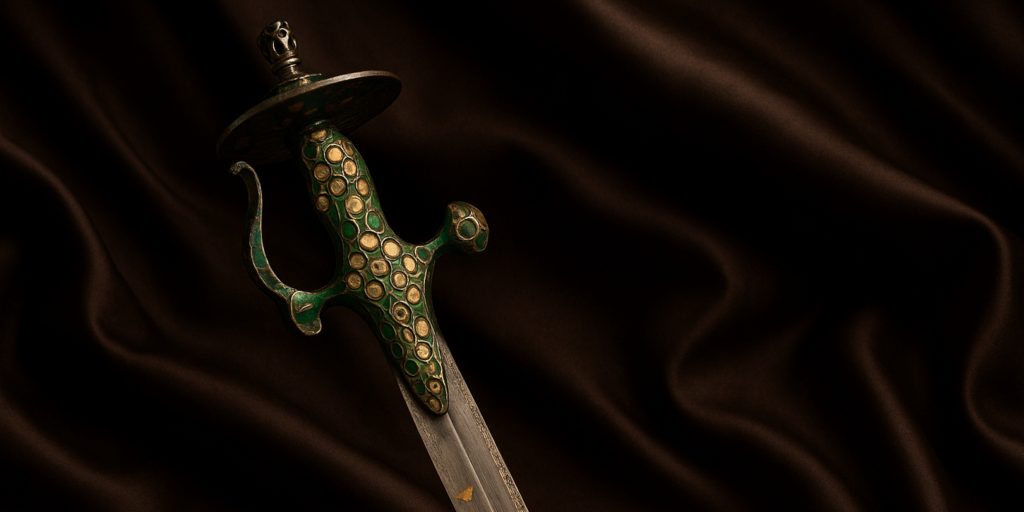
Indian arms have become one of the fastest growing areas of sword collecting.
Talwars, firangis and khanda swords are now regular features in major auction catalogues, while royal Mughal weapons continue to achieve impressive results thanks to their superb craftsmanship and historical importance.
Collectors are drawn to their elegant curved blades, intricate gold koftgari decoration and beautifully carved jade or rock crystal hilts.
The increasing international appreciation of South Asian art has only strengthened demand.
4. American Civil War Swords
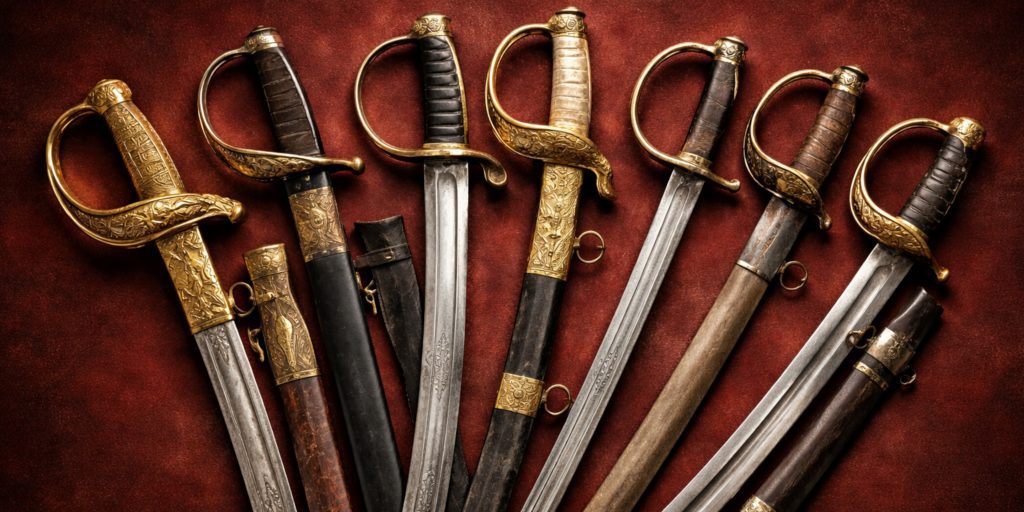
The American Civil War remains one of the most actively collected periods of military history.
Union officer swords, Confederate cavalry sabres and presentation weapons appear frequently at specialist sales, particularly in the United States.
Collectors place a premium on swords with engraved dedications, battle inscriptions or documented ownership by notable officers. Presentation swords awarded for gallantry remain especially desirable.
The continued popularity of Civil War collecting ensures this category consistently performs well at auction.
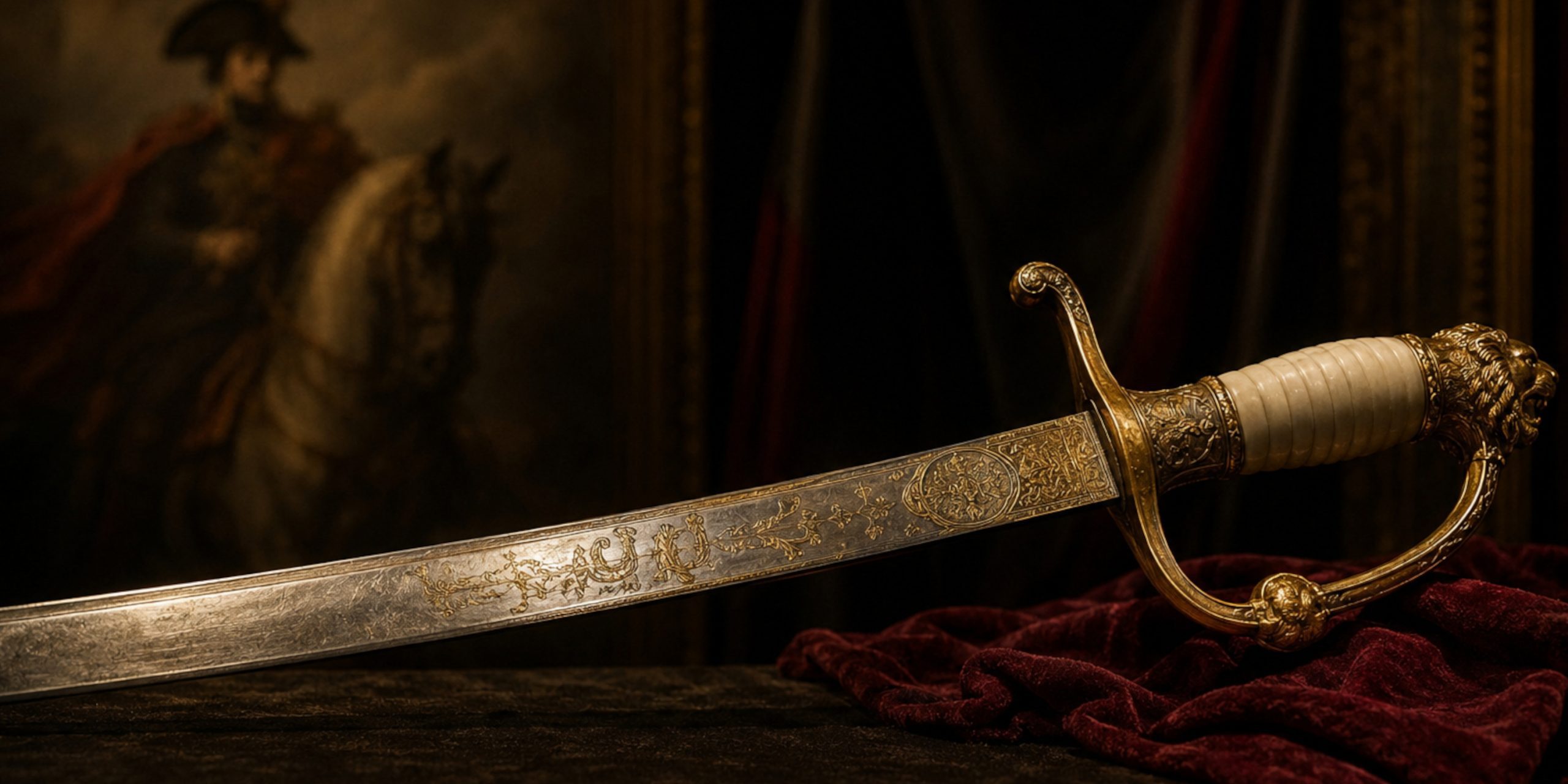
3. Napoleonic Era Swords
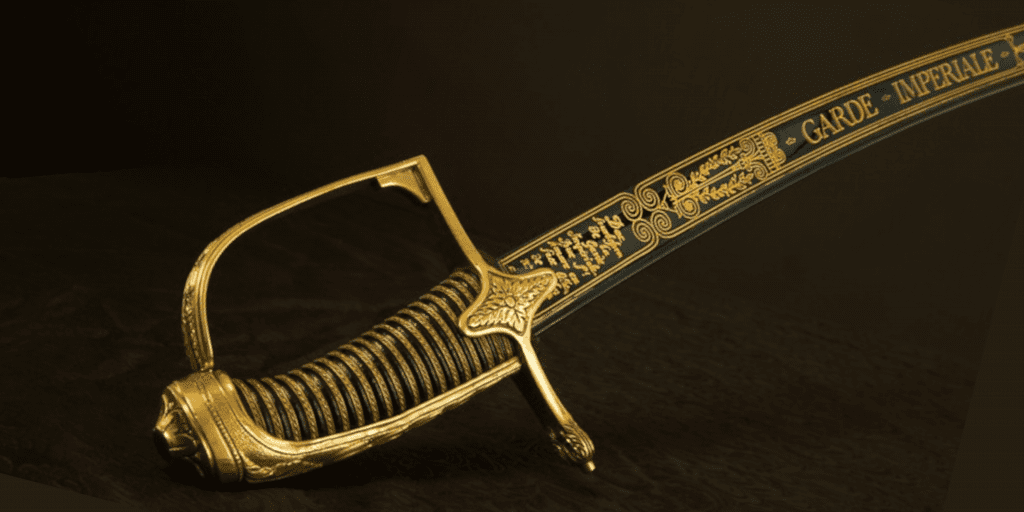
Few conflicts have inspired collectors quite like the Napoleonic Wars.
French officer sabres, British cavalry swords and Imperial Guard weapons regularly feature in auction catalogues throughout Europe and North America. Their appeal lies not only in their elegant design but also in their association with one of history’s defining military eras.
Examples bearing regimental markings or links to famous battles often generate considerable interest.
Although swords directly connected to Napoleon himself are exceptionally rare, more typical military examples remain accessible to a wide range of collectors.
2. British Military Swords
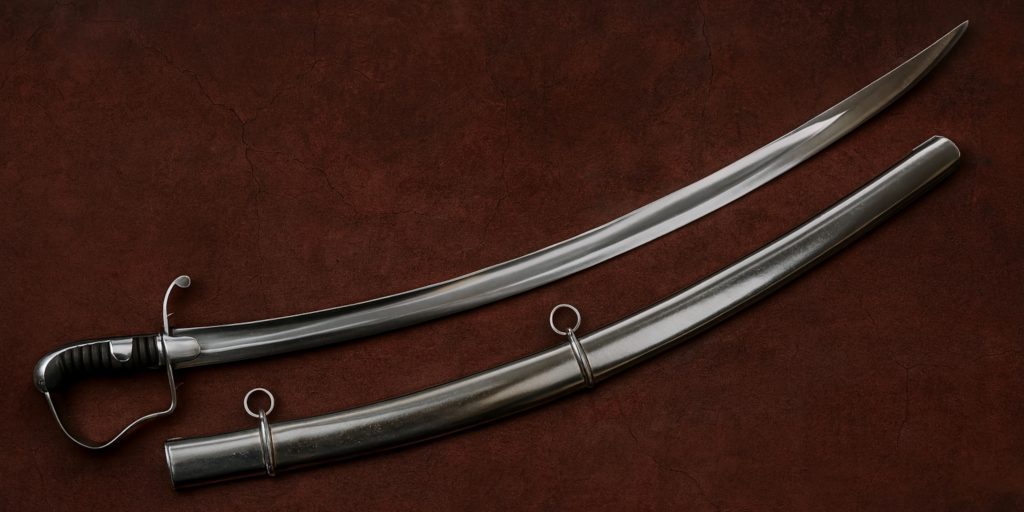
British military swords are among the most familiar sights in specialist arms auctions.
The sheer size of Britain’s armed forces during the eighteenth and nineteenth centuries means that large numbers have survived. Victorian infantry swords, naval officer swords and cavalry sabres appear regularly, providing collectors with an impressive variety of styles and historical periods.
Named examples, presentation swords and weapons retaining their original scabbards consistently achieve the strongest prices.
For many collectors, British military swords offer an ideal balance between historical significance, availability and affordability.
1. Japanese Samurai Swords
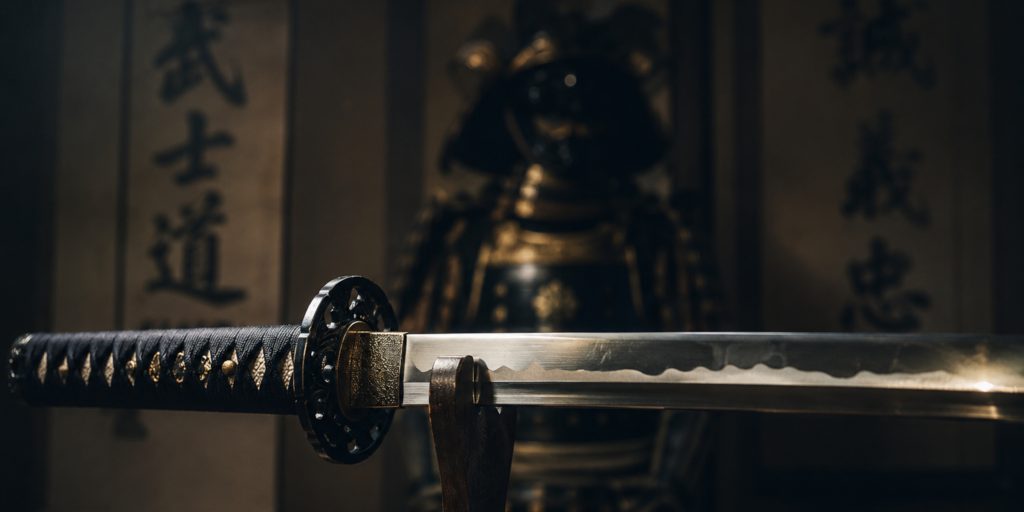
No category dominates the international sword market quite like the Japanese sword.
Katanas, wakizashi, tantō and tachi appear in virtually every major specialist auction, reflecting both their enduring popularity and the remarkable care with which they have been preserved over the centuries.
Collectors admire these weapons for their refined metallurgy, graceful proportions and the traditions of the master swordsmiths who forged them. Blades by celebrated makers such as Masamune or Muramasa rarely remain on the market for long, while even unsigned examples often attract competitive bidding when well preserved.
The global appeal of samurai culture has also introduced new generations of collectors to the market, helping sustain demand across Europe, North America and Asia.
If one sword type defines today’s historic arms auctions, it is undoubtedly the Japanese katana.
Why Some Swords Appear More Often Than Others
The frequency with which a sword appears at auction has little to do with its quality.
Instead, several historical factors influence availability.
Survival Rates
Japanese swords were carefully maintained and passed down through generations, while many European swords were melted down, broken or recycled during later conflicts.
Production Numbers
Victorian Britain produced vast numbers of military swords for officers serving across the Empire. Medieval Europe produced far fewer weapons, and even fewer have survived.
Legal Restrictions
Some culturally significant weapons cannot legally leave their country of origin, limiting their appearance on the international market.
Collector Demand
Popular collecting fields naturally encourage more consignments, creating a steady flow of desirable material into specialist auctions.
Takeaway
The historic sword market is remarkably diverse, spanning more than a thousand years of military and artistic history. While individual record-breaking sales often dominate newspaper headlines, they represent only a small part of the collecting world.
The categories that truly define today’s auction market are those that appear again and again. Japanese samurai swords continue to lead the field thanks to their craftsmanship and worldwide appeal. British military swords and Napoleonic weapons remain perennial favourites, while Indian, Ottoman and American Civil War swords continue to attract growing interest from an increasingly international audience.
Meanwhile, genuine medieval swords occupy a category of their own. They may appear less frequently than almost any other type, but when one finally emerges from a private collection, it rarely stays available for long. History, it seems, still knows how to attract a crowd, especially when forged in steel.