The Epitome of Spanish Craftsmanship
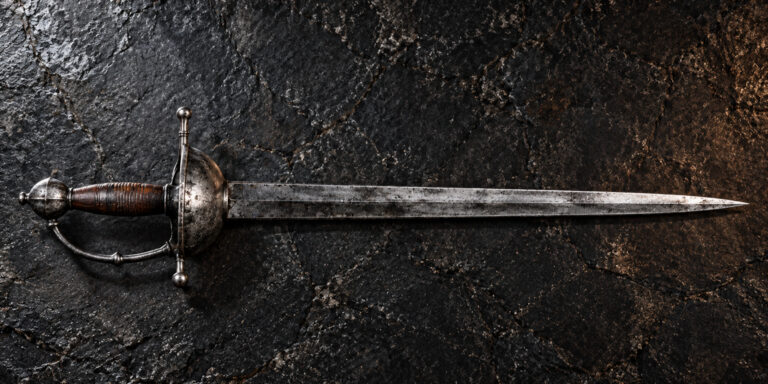
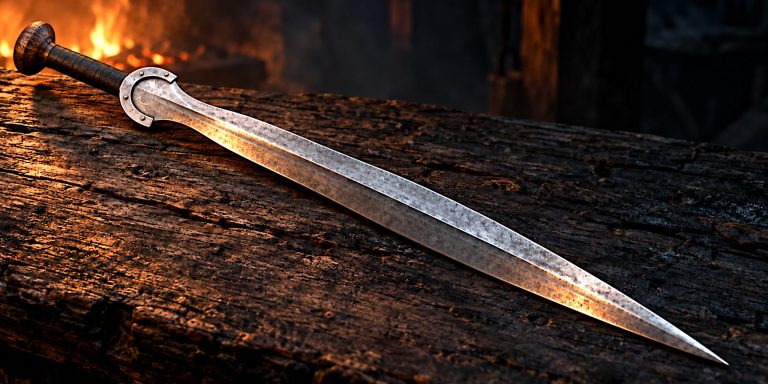
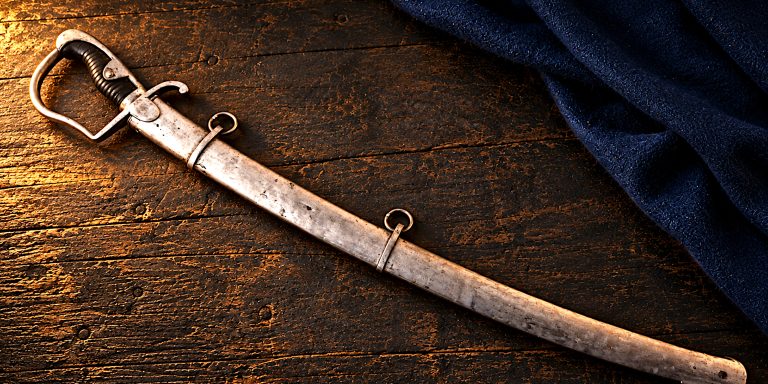
The Toledo Salamanca Rapier, a marvel of 16th-century ingenuity, transcends its role as a mere weapon. Forged in the legendary workshops of Toledo, Spain, a city synonymous with sword-making since Roman times, this rapier became a symbol of aristocratic elegance and lethal precision. With its slender, tapered blade and intricate hilt designs, it dominated European duelling circles and battlefields alike, leaving an indelible mark on history, cinema, and the collector’s market.
Specifications
Typical characteristics vary by maker and decade, but a representative Toledo Salamanca rapier looks like this.
| Feature | Typical range |
|---|---|
| Overall length | 115 to 130 cm |
| Blade length | 95 to 110 cm |
| Weight | 1.0 to 1.3 kg |
| Balance point | 7 to 11 cm from guard |
| Blade section | Diamond or flattened diamond |
| Hilt types | Swept hilt, early cup hilt |
| Materials | High carbon Toledo steel, iron or steel hilts |
Key blade traits
- Narrow profile with strong distal taper
- High stiffness for thrust control
- Long ricasso, often squared
- Maker marks from Toledo workshops, sometimes cryptic symbols
History and evolution
The story begins in the late 16th century, when Toledo blades were already export quality. Salamanca, home to one of Europe’s great universities, had a dense population of men who carried swords daily. Demand favoured reliable, well balanced rapiers rather than parade pieces.
Early forms leaned on the swept hilt, with multiple bars protecting the hand while keeping weight down. By the early 17th century, Spanish tastes pushed toward the cup hilt, offering superior hand protection and a cleaner profile. Salamanca examples often sit between these phases, practical rather than experimental.
Unlike Italian centres such as Brescia, Spanish makers were conservative. Blade geometry changed slowly. What improved was heat treatment and consistency. Toledo steel kept its edge and resisted catastrophic failure, which mattered when a duel was settled by a single committed thrust.
| Key Developments | Description |
|---|---|
| Metallurgical Mastery | Blended high-carbon steel with Toledo’s signature tempering, creating unmatched flexibility and edge retention. |
| Design Shift | Transition from broadswords to thrust-centric rapiers, reflecting the decline of plate armour. |
| Cultural Icon | Adopted by nobles as a status symbol, often engraved with gold or silver motifs. |
Combat Effectiveness: Precision Over Brute Force
The Salamanca rapier revolutionised close combat with its emphasis on speed and accuracy.
Tactical Advantages
- Thrust-Centric Design: A 1.1–1.3-metre blade allowed duelists to strike vital organs from a safe distance.
- Versatile Defence: Paired with a dagger (main gauche) or buckler in the Spanish esgrima tradition.
- Adaptability: Effective in duels and skirmishes; conquistadors like Cortés wielded it against lightly armoured opponents in the Americas.
Comparative Edge
| Weapon | Blade Length | Weight | Primary Use |
|---|---|---|---|
| Toledo Salamanca | 110–130 cm | 1–1.3 kg | Thrusting, duelling |
| Medieval Longsword | 90–110 cm | 1.5–2 kg | Slashing, armour combat |
| Italian Schiavona | 90–100 cm | 1.2 kg | Cutting/thrust hybrid |
Silver Screen Glory: The Rapier in Film
The Salamanca rapier’s sleek aesthetics have made it a Hollywood favourite.
Iconic Appearances
| Film/TV Show | Year | Context | Significance |
|---|---|---|---|
| The Mask of Zorro | 1998 | Antonio Banderas’s character duels with a rapier | Highlights Spanish flair and technical precision. |
| Highlander | 1986 | Immortal duelists wield rapiers in flashbacks | Symbolises timeless elegance and deadly skill. |
| Captain Alatriste | 2006 | Viggo Mortensen’s soldier uses a Toledo rapier | Authentic portrayal of 17th-century Spanish warfare. |
| Pirates of the Caribbean | 2003– | Spanish officers brandish ornate rapiers | Reinforces the weapon’s association with nobility. |
Collector’s Treasure: Auction Prices and Rarity
Collector’s guide
Authentic Toledo Salamanca rapiers reward patience. Condition, attribution, and originality matter more than decoration.
What to look for
- Blade stiffness and straightness
- Consistent patina, not aggressive cleaning
- Period correct hilt construction and rivets
- Toledo maker marks or documented provenance
Red flags
- Over polished blades with rounded edges
- Replaced hilts or modern wire work
- Vague dealer descriptions leaning on romance rather than detail
Authentic Salamanca rapiers fetch staggering sums due to their rarity and craftsmanship.
| Auction House | Year | Item Description | Sale Price |
|---|---|---|---|
| Sotheby’s London | 2019 | 17th-century Toledo Salamanca rapier | £24,000 |
| Bonhams Madrid | 2021 | Pair of rapiers (c. 1600) with gold inlay | €38,500 |
| Hermann Historica | 2020 | Conquistador-era rapier, attributed to Cortés | €52,000 (est.) |
Note: Replicas by modern artisans (e.g., Marto Toledo) retail for £800–£3,000.
Where to Witness the Legacy
| Museum | Location | Highlight |
|---|---|---|
| Real Armería de Madrid | Madrid, Spain | Hernán Cortés’s personal rapier and royal weapons. |
| Wallace Collection | London, UK | 16th-century Spanish rapiers displayed alongside European armour. |
| Metropolitan Museum | New York, USA | Exhibit on Renaissance weaponry, featuring Toledo blades. |
A Blade Immortalised
The Toledo Salamanca rapier helped define the Spanish civilian sword tradition. Its DNA flows directly into the mature cup hilt rapier that dominated Iberia and its colonies in the 17th century. Spanish blades also travelled, influencing armouries in Naples, Milan, and the Low Countries.
Culturally, these swords belong to students, lawyers, and gentlemen rather than captains. They are tools of reputation. Practical. Slightly intimidating. Very Spanish.
“The sword is the pen of the warrior.” – Spanish Proverb