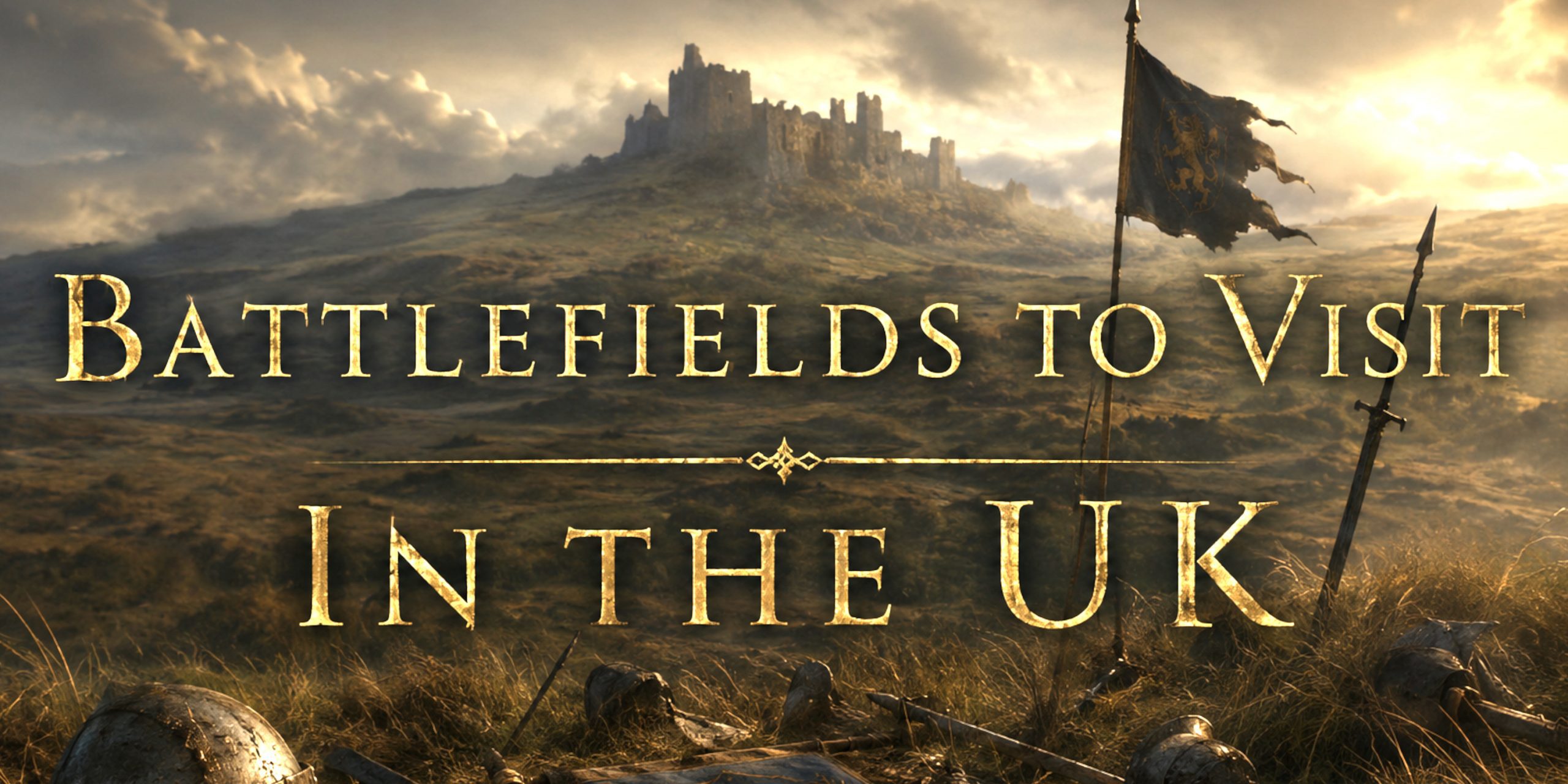
Britain is unusually generous when it comes to battlefields. You can stand where shield walls collided, where cavalry charged across open fields, or where kings won crowns and lost them within a single afternoon. Unlike castles, which were built to endure, battlefields are often quiet places. A meadow, a ridge, a stretch of heath or farmland can seem entirely ordinary until you realise thousands once fought and died there.
That contrast is precisely what makes them fascinating. The landscape remains, even when the armies have vanished.
Whether you are interested in Roman Britain, the Wars of the Roses, the English Civil War or the Jacobite rising, the UK offers some of Europe’s finest preserved battlefields. Many are managed by charities and heritage organisations, with museums, interpretation trails and remarkable archaeological discoveries continuing to reshape what we know.
Why Visit Historic Battlefields?
A battlefield tells a story that no museum gallery quite can.
Standing on the actual ground reveals why commanders chose particular positions, how rivers, hills and marshes influenced tactics, and why seemingly small geographical details determined enormous historical consequences.
Modern archaeology has transformed battlefield studies over the last few decades. Metal detector surveys, LiDAR mapping and forensic excavations have identified troop movements, recovered weapons and even located areas where the fiercest fighting took place.
You quickly realise that history was rarely inevitable. Victory often depended upon weather, confusion, timing and sometimes astonishing luck.
The Best Battlefields to Visit in Britain
Battle of Hastings (1066), East Sussex
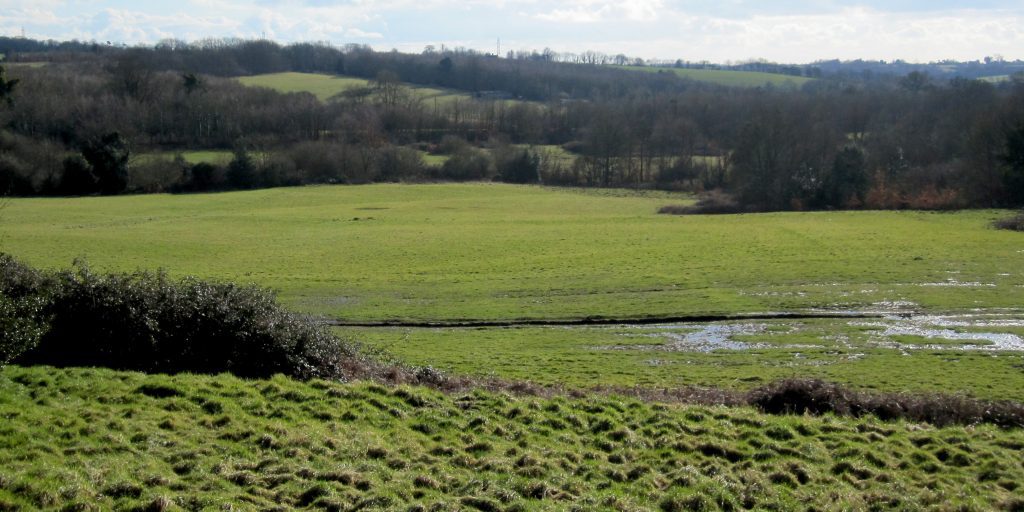
Few battlefields altered Britain more profoundly than Hastings.
Although the fighting actually took place near today’s town of Battle rather than Hastings itself, this was where William, Duke of Normandy, defeated King Harold II and transformed English history.
The battlefield is exceptionally well presented. Visitors can explore the abbey founded by William, walk the battlefield trail and stand near the traditional location where Harold’s army formed its shield wall along Senlac Ridge.
The topography still explains much of the battle. Looking uphill towards the English position makes William’s repeated assaults seem even more ambitious.
Highlights
- Battle Abbey ruins
- Battlefield walking trail
- Excellent visitor centre
- Seasonal historical re-enactments
Contemporary source
William of Poitiers described the Norman victory:
“The victory was complete and glorious.”
Bosworth Field (1485), Leicestershire
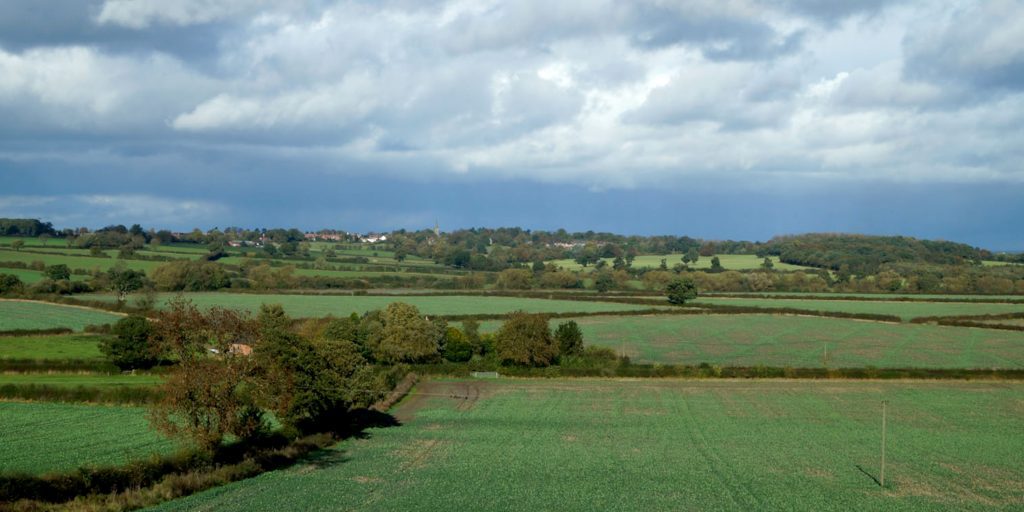
Bosworth ended the Wars of the Roses and brought the Tudor dynasty to the English throne.
Richard III’s dramatic final charge remains one of medieval England’s most famous moments. Archaeological work over recent decades has revised the exact battlefield location, demonstrating how new discoveries continue to challenge long-held assumptions.
The heritage centre provides one of Britain’s finest battlefield museums, while walking routes allow visitors to explore the landscape where Richard fell.
Nearby lies Richard III’s burial place in Leicester Cathedral, making for an excellent historical itinerary.
Highlights
- Bosworth Battlefield Heritage Centre
- Battlefield trails
- Interactive exhibits
- Richard III interpretation
Contemporary source
The Crowland Chronicle remarked:
“King Richard alone was slain fighting manfully.”
One almost has to admire the understated medieval reporting. Few kings have had a busier final afternoon.
Culloden (1746), Inverness-shire
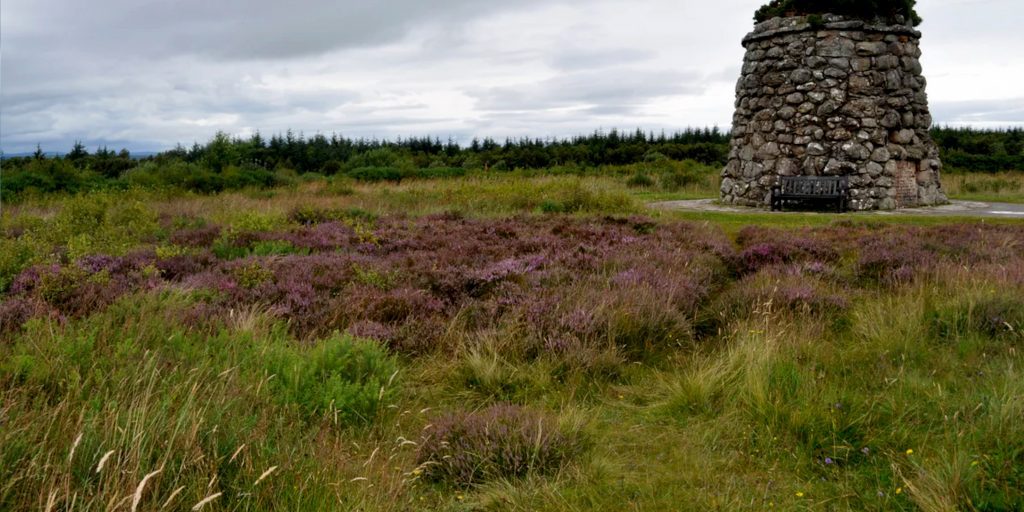
Culloden remains perhaps Britain’s most emotionally powerful battlefield.
The Jacobite army under Charles Edward Stuart suffered a devastating defeat at the hands of government forces commanded by the Duke of Cumberland.
Unlike many historic battlefields, Culloden survives largely intact. Visitors walk across the moor between the opposing lines while memorial stones mark the locations of Highland clans.
The museum combines artefacts, immersive displays and archaeological evidence to recreate the final Jacobite charge.
Few places communicate the human cost of battle so effectively.
Highlights
- Preserved battlefield
- Outstanding visitor centre
- Clan memorial stones
- Artefact displays
Contemporary source
A government officer observed:
“The slaughter exceeded all description.”
Naseby (1645), Northamptonshire
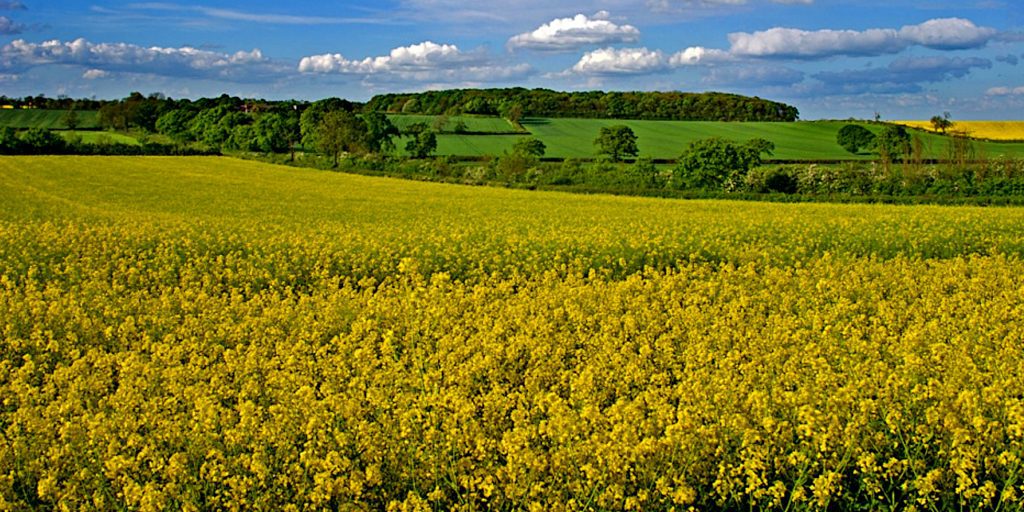
If one battle determined the outcome of the English Civil War, Naseby has a strong claim.
Oliver Cromwell’s New Model Army decisively defeated King Charles I’s Royalist forces, effectively ending the King’s realistic hopes of military victory.
The battlefield remains remarkably open, allowing visitors to appreciate the manoeuvres that unfolded across its rolling farmland.
Interpretation boards explain troop movements, while nearby villages retain much of their seventeenth-century character.
Highlights
- Walking trails
- Interpretation panels
- Civil War landscape
- Annual events
Contemporary source
Parliamentarian commander Sir Thomas Fairfax wrote:
“The Lord hath given us a glorious victory.”
Bannockburn (1314), Stirling
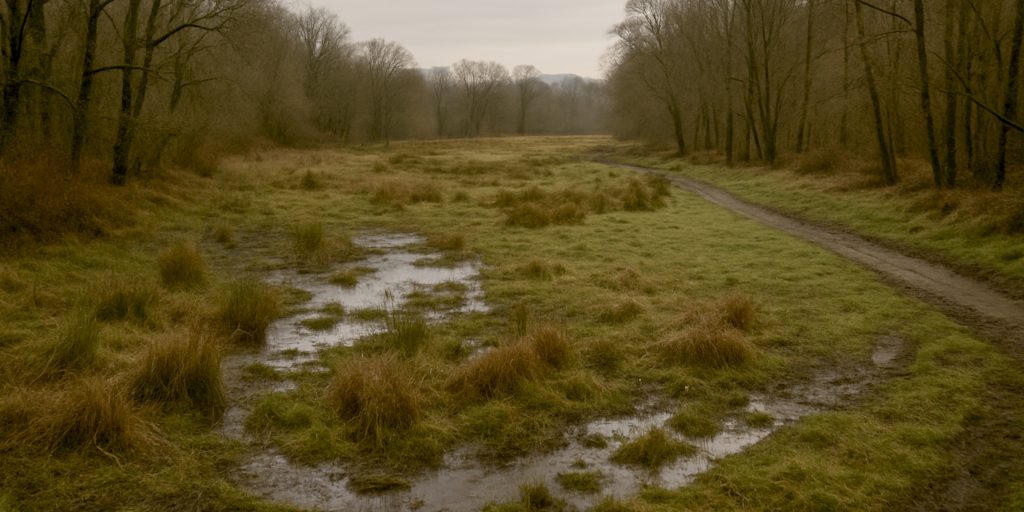
Robert the Bruce’s victory over Edward II secured Scottish independence for a generation and became central to Scottish national identity.
The modern visitor centre uses digital technology surprisingly well without overwhelming the history. Interactive displays allow visitors to examine troop formations while the surrounding landscape explains Bruce’s tactical brilliance.
The nearby Bannock Burn itself remains a surprisingly important feature of the battlefield.
Highlights
- Interactive visitor centre
- Bruce statue
- Battlefield trails
- Stirling Castle nearby
Contemporary source
John Barbour later celebrated Bruce’s achievement:
“Freedom is a noble thing.”
Towton (1461), North Yorkshire
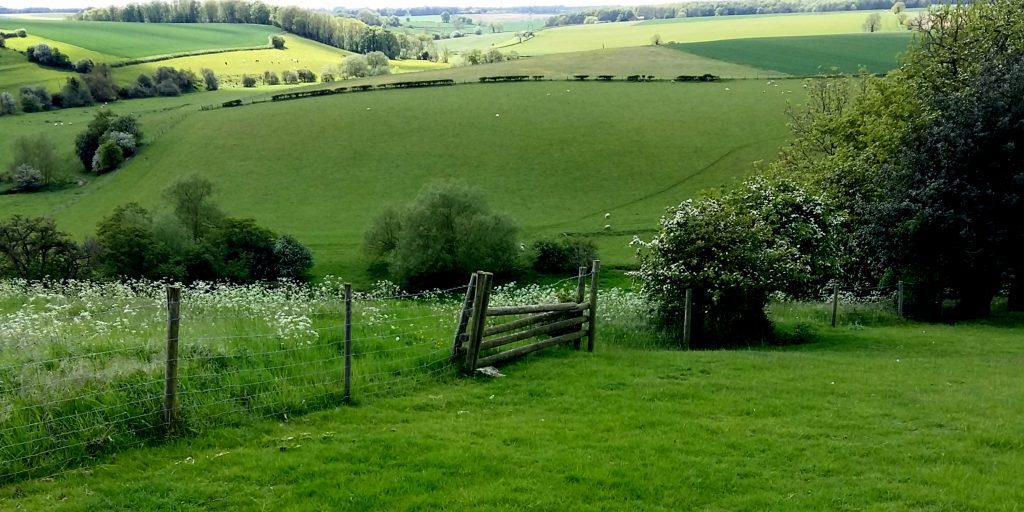
Towton is often described as the bloodiest battle ever fought on English soil.
Snow, freezing winds and thousands of longbow arrows combined to create extraordinary levels of carnage during another decisive clash in the Wars of the Roses.
The battlefield today appears peaceful, but interpretation boards and walking routes help visitors understand the enormous scale of the fighting.
Archaeological discoveries, including the mass grave uncovered at Towton Hall, have revealed chilling evidence of battlefield injuries and medieval combat.
Highlights
- Battlefield walks
- Interpretation panels
- Archaeological discoveries
- Beautiful Yorkshire landscape
Contemporary source
The chronicler Edward Hall recorded:
“The river was coloured with blood.”
Edgehill (1642), Warwickshire
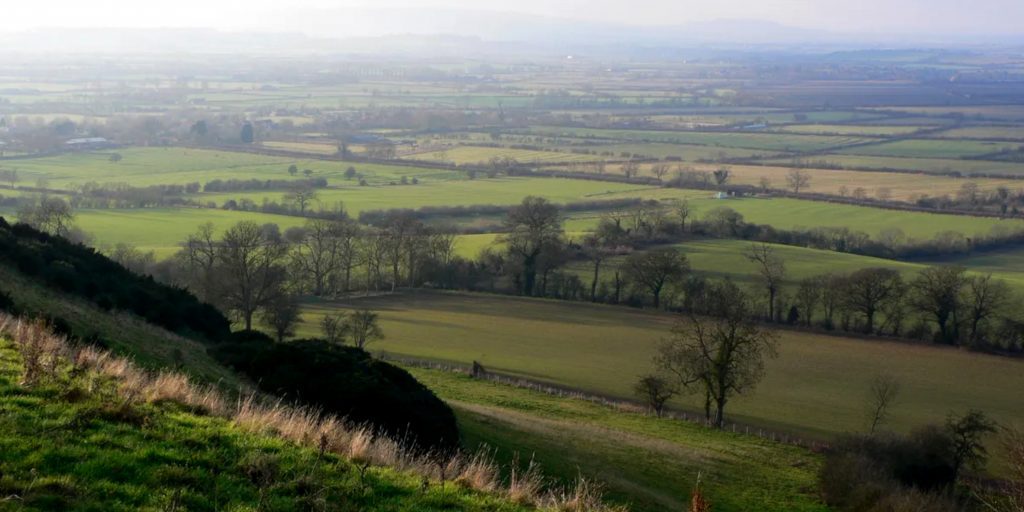
Edgehill marked the first pitched battle of the English Civil War.
Neither Royalists nor Parliamentarians achieved decisive success, yet the engagement demonstrated that the conflict would not end quickly.
The ridge overlooking the battlefield offers spectacular views across Warwickshire and makes it immediately obvious why commanders valued the high ground.
Local folklore still includes stories of ghostly soldiers appearing after the battle, though historians generally file those under “interesting pub conversations.”
Highlights
- Panoramic viewpoints
- Walking routes
- Historic villages
- Interpretation boards
Flodden Field (1513), Northumberland
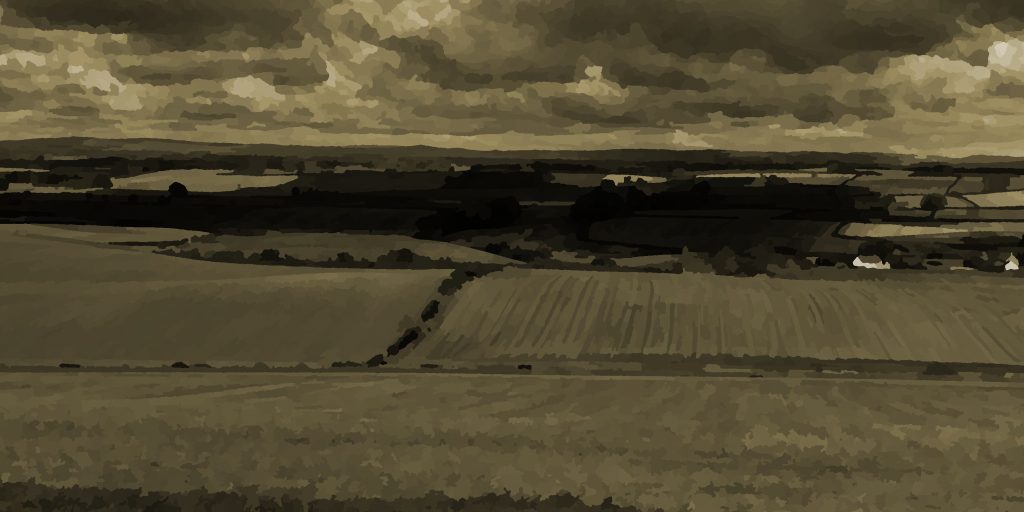
England’s greatest victory over Scotland came at terrible cost.
King James IV became the last British monarch to die in battle, alongside much of Scotland’s nobility.
The battlefield lies within beautiful countryside close to the Scottish border. Interpretation panels explain troop deployments, while nearby Branxton Church contains memorials connected to the battle.
Despite its importance, Flodden remains surprisingly uncrowded compared with more famous sites.
Highlights
- Scenic walking routes
- Memorials
- Interpretation boards
- Nearby historic churches
Contemporary source
The English chronicler Edward Hall wrote:
“Never was seen a more noble victory.”
Stamford Bridge (1066), North Yorkshire
Often overshadowed by Hastings, Stamford Bridge deserves far greater recognition.
King Harold II defeated Harald Hardrada’s invading Viking army here just weeks before marching south to confront William of Normandy.
The battle effectively ended the Viking Age in England and demonstrated Harold’s remarkable speed and military capability.
Although modern development has altered parts of the battlefield, interpretation around the bridge and surrounding area explains the engagement well.
Highlights
- Interpretation trail
- Historic bridge location
- Viking heritage
- Nearby York attractions
Archaeology Is Changing Battlefield History
Battlefield archaeology has become one of Britain’s most exciting historical disciplines.
Metal detector surveys, undertaken professionally and carefully recorded, have transformed historians’ understanding of troop positions and fighting intensity. Lead musket balls, arrowheads, cannon shot, sword fragments and armour fittings allow archaeologists to reconstruct events with remarkable precision.
Bosworth’s relocated battlefield is perhaps the best known example, while Towton’s mass grave has revealed evidence of horrific facial injuries, healed combat wounds and repeated violence experienced by professional soldiers.
Modern science has, in many respects, become another eyewitness.
Practical Tips for Visiting Battlefields
Most battlefields reward slow exploration rather than hurried sightseeing.
Before visiting:
| Tip | Why It Helps |
|---|---|
| Wear suitable walking footwear | Many battlefields cross farmland and uneven ground |
| Visit visitor centres first | They explain troop movements before you walk the site |
| Download trail maps | Mobile signal can vary |
| Allow two to four hours | Larger battlefields deserve time |
| Bring binoculars | They help visualise distances and terrain |
Spring and autumn often provide the best balance between weather, visibility and fewer visitors.
Which Battlefield Should You Visit First?
For first-time visitors, Battle Abbey and Culloden provide the most complete experiences, combining preserved landscapes with outstanding museums.
History enthusiasts interested in medieval warfare should not miss Towton and Bosworth.
Civil War specialists will appreciate Naseby and Edgehill.
If archaeology fascinates you, Bosworth demonstrates just how dramatically new discoveries can rewrite accepted history.
Ultimately, Britain’s battlefields are not simply places where wars were fought. They are landscapes where political systems changed, dynasties rose and fell, kingdoms survived, and countless ordinary people found themselves caught in extraordinary moments. Walking across them reminds us that history is rarely confined to books. Sometimes it is still beneath your feet, waiting patiently for someone to notice.