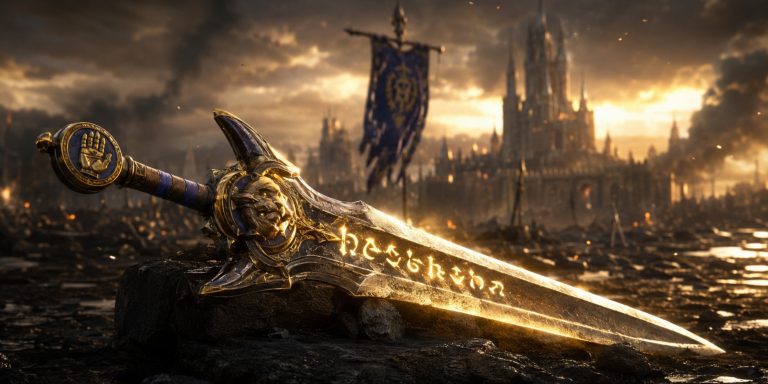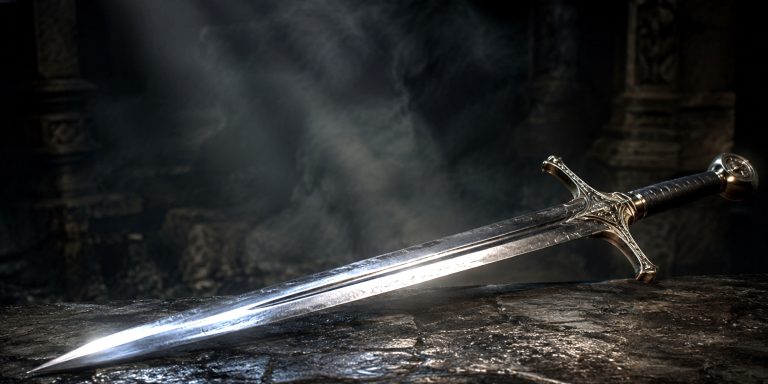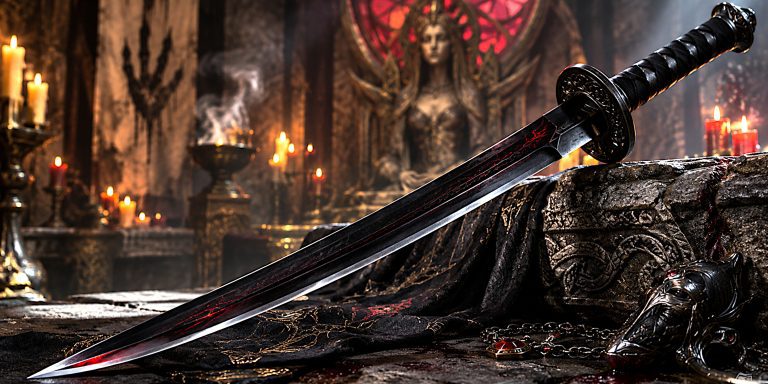
There are magic swords in Dungeons & Dragons, and then there is Blackrazor.
This is not the sort of weapon you casually pull from a treasure chest, admire for five minutes and then forget about after finding a shinier upgrade. Blackrazor changes campaigns. It changes characters. Quite often, it changes alignment and friendships too.
Part legendary artefact, part supernatural predator, Blackrazor has earned a reputation as one of the most feared weapons in D&D history. It is immensely powerful, frighteningly intelligent and permanently hungry. Wielding it can make a hero feel unstoppable, right up until the sword decides it has better ideas.
That combination of incredible power and constant temptation is exactly why Blackrazor has fascinated players for decades.
What Is Blackrazor?
Blackrazor is a legendary sentient greatsword that first appeared in the classic adventure White Plume Mountain, originally published in 1979.
Unlike an ordinary magical weapon, Blackrazor possesses its own intelligence, personality and motivations. It communicates telepathically with its wielder and constantly seeks opportunities to consume souls.
It is classified as an artefact-level weapon in many editions because its abilities stretch far beyond ordinary magic items.
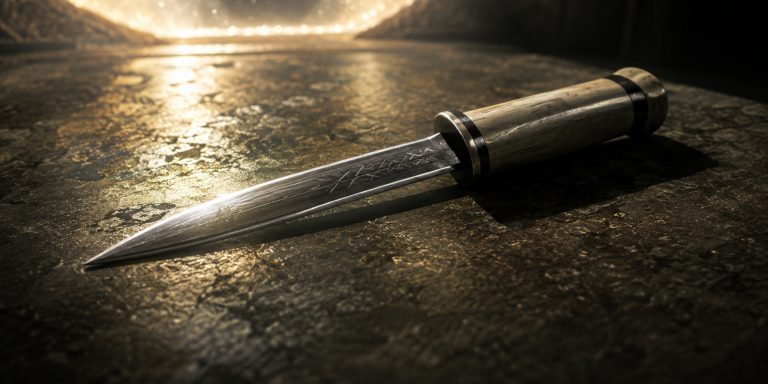
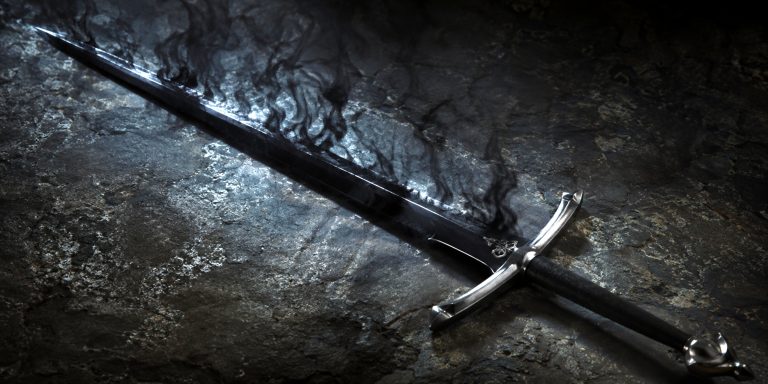
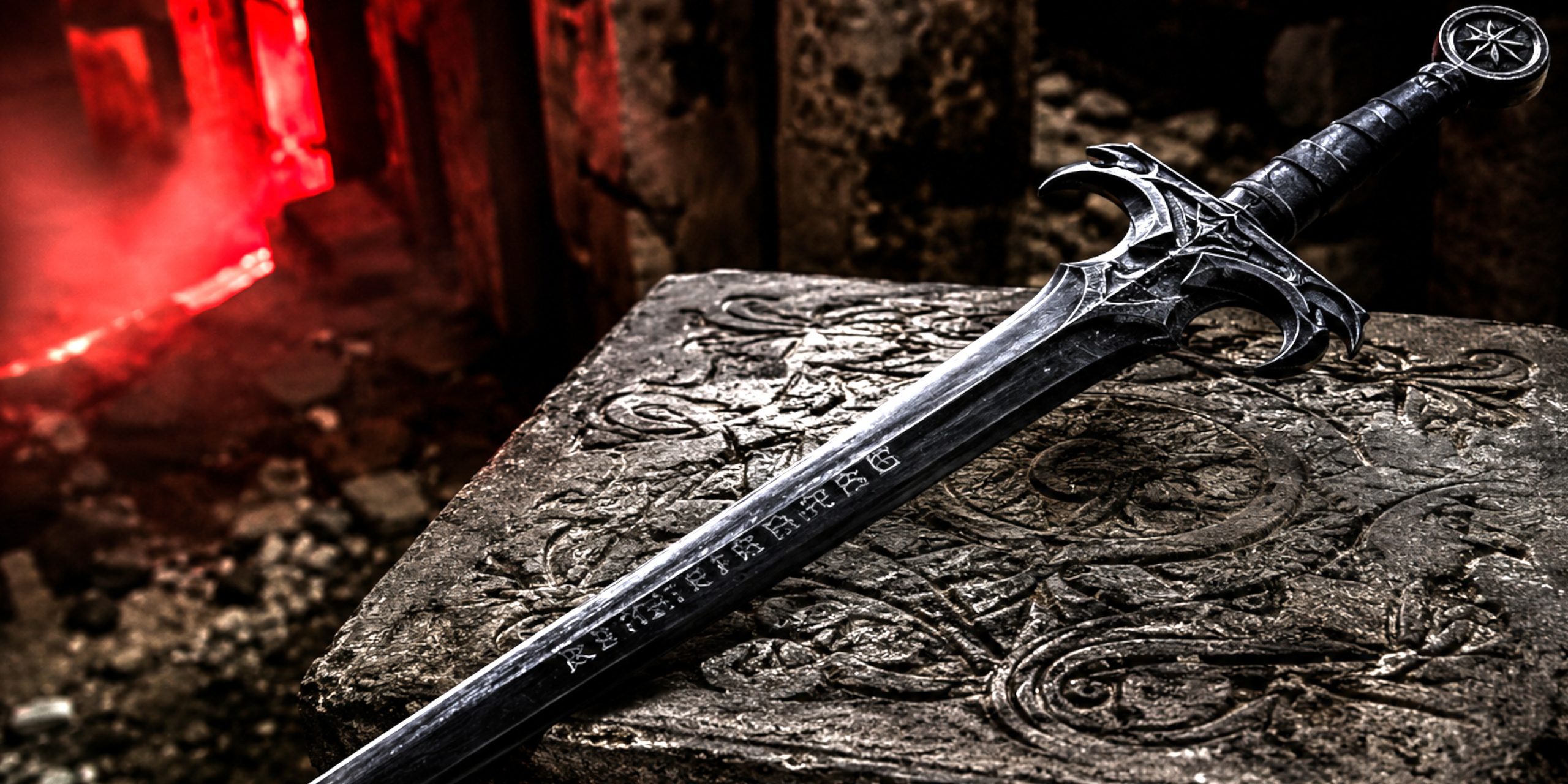
At first glance, it appears surprisingly plain.
Its blade is jet black with almost no reflection, as though light itself disappears into the metal. The weapon feels unnaturally cold, and those sensitive to magic often sense a disturbing emptiness surrounding it.
That quiet appearance is deceptive. Blackrazor is one of the deadliest weapons ever introduced into Dungeons & Dragons.
Blackrazor at a Glance
| Feature | Details |
|---|---|
| Weapon Type | Sentient Legendary Greatsword |
| First Appearance | White Plume Mountain (1979) |
| Creator | Gary Gygax |
| Alignment | Chaotic Neutral with selfish tendencies |
| Primary Power | Consumes the souls of slain creatures |
| Intelligence | Highly intelligent and telepathic |
| Signature Ability | Grants immense power after devouring souls |
| Inspired By | Michael Moorcock’s Stormbringer |
The Origins of Blackrazor
Blackrazor debuted in White Plume Mountain, one of the most celebrated adventures ever written for Advanced Dungeons & Dragons.
The adventure centres around three legendary weapons stolen by the eccentric wizard Keraptis.
These are:
- Blackrazor
- Wave
- Whelm
Each weapon appeals to a different style of adventurer.
Wave favours those tied to the sea.
Whelm serves dwarven ideals of honour and strength.
Blackrazor, meanwhile, practically whispers, “Ignore your better judgement. It’ll be fun.”
Recovering Blackrazor became one of the defining moments of countless tabletop campaigns, largely because players quickly realised the weapon was far more than another magical sword.
A Sword Inspired by Stormbringer
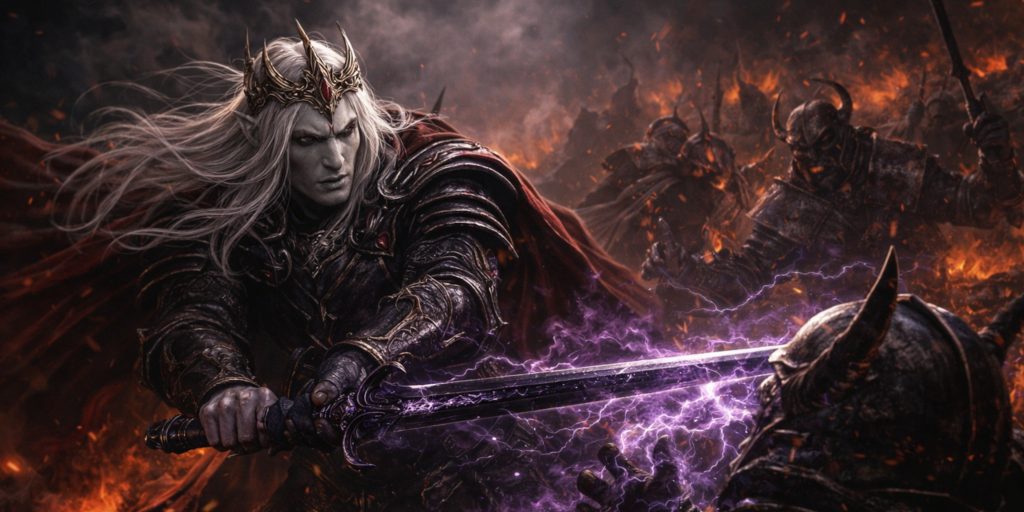
Anyone familiar with fantasy literature will notice Blackrazor feels strangely familiar.
That is because Gary Gygax openly drew inspiration from Stormbringer, the infamous black sword wielded by Elric of Melniboné in Michael Moorcock’s novels.
Both weapons:
- Consume souls
- Possess independent intelligence
- Grant supernatural strength
- Manipulate their wielders
- Blur the line between weapon and living creature
The similarities are impossible to miss.
Blackrazor is not a direct copy, however. It was adapted to fit the mechanics and storytelling style of Dungeons & Dragons, eventually developing its own identity across multiple editions.
The Powers of Blackrazor
Blackrazor’s abilities make it one of the strongest weapons ever published.
Its exact mechanics have evolved over different editions, but its defining powers remain remarkably consistent.
Soul Devouring
Whenever Blackrazor kills a living creature capable of having a soul, the blade consumes that soul instantly.
This is not simply flavour text.
The absorbed soul empowers the sword and rewards its wielder with extraordinary benefits.
Temporary Vitality
After consuming a soul, Blackrazor often grants temporary hit points.
This makes every successful kill increase the wielder’s survivability, allowing them to continue fighting long after others would fall.
Against large groups of enemies, the sword becomes increasingly dangerous.
Supernatural Awareness
Blackrazor possesses keen magical senses.
It can detect nearby living creatures, allowing its wielder to react to hidden threats before they become visible.
This awareness reinforces the unsettling impression that the sword is always watching.
Protection Against Death
One of Blackrazor’s most remarkable abilities is its relationship with death itself.
Certain editions allow the sword to preserve or restore its wielder after fatal injuries, provided it has sufficient stolen souls available.
That makes the weapon feel almost impossible to separate from its owner.
Almost.
Extraordinary Intelligence
Blackrazor is not an obedient tool.
It thinks independently.
It evaluates situations.
It forms opinions.
If its wielder consistently ignores opportunities to feed it, conflict becomes inevitable.
The Personality of Blackrazor
Many legendary weapons are simply enchanted objects.
Blackrazor behaves more like another player at the table.
It is confident.
Impatient.
Curious.
Utterly fascinated by combat.
Although often described as Chaotic Neutral, it frequently behaves in ways that edge toward outright selfishness.
Its priorities are simple:
- Find worthy opponents.
- Consume more souls.
- Avoid long periods without battle.
- Stay in the hands of someone capable of feeding it.
Peaceful diplomacy is not really Blackrazor’s preferred solution.
Why Blackrazor Is So Dangerous
The sword’s greatest threat is not its combat statistics.
It is temptation.
Blackrazor constantly rewards violence.
Every victory brings greater strength.
Every soul increases its power.
The wielder gradually begins viewing enemies less as obstacles and more as opportunities.
This creates wonderful roleplaying tension.
A noble paladin may begin questioning increasingly ruthless decisions.
A morally flexible barbarian may decide the sword has excellent ideas.
Meanwhile, the rest of the party quietly wonders whether sleeping in shifts has suddenly become necessary.
Blackrazor Across Dungeons & Dragons Editions
Blackrazor has appeared in several editions, each refining its abilities while preserving its identity.
Advanced Dungeons & Dragons
The original version focused heavily on soul consumption and its resemblance to Stormbringer.
It immediately established itself as one of the game’s most memorable artefacts.
Third Edition
Later updates expanded the weapon’s sentience and clarified its magical powers while maintaining its fearsome reputation.
Fifth Edition
In Dungeon Master’s Guide, Blackrazor returned with updated mechanics that suit modern gameplay.
It retains its legendary status, sentience and hunger for souls while introducing streamlined abilities compatible with Fifth Edition rules.
For many players, this remains the definitive modern version.
Can Blackrazor Be Destroyed?
Destroying Blackrazor is intentionally difficult.
Most campaigns treat it as an artefact rather than an ordinary magical item.
Artefacts traditionally require extraordinary circumstances to destroy, often involving powerful rituals, divine intervention or unique story events.
Simply throwing it into a volcano is unlikely to solve the problem.
Fantasy has already tested that particular strategy.
Blackrazor Compared With Other Legendary D&D Weapons
| Weapon | Signature Trait | Personality |
|---|---|---|
| Blackrazor | Soul consumption | Manipulative, intelligent and hungry |
| Wave | Mastery over water | Proud and noble |
| Whelm | Dwarven justice | Loyal and stubborn |
| Holy Avenger | Sacred protection | Righteous rather than sentient |
| Sword of Kas | Betrayal and immense magical power | Sinister and calculating |
Among these legendary blades, Blackrazor arguably creates the richest roleplaying experience because every combat encounter becomes a conversation between player and weapon.
Why Players Still Love Blackrazor
Few magic items become genuine characters.
Blackrazor does.
It creates memorable moral dilemmas without forcing them.
Players choose whether to embrace its influence or resist it.
Dungeon Masters gain an intelligent NPC disguised as a sword.
Entire campaigns can shift because one player picked up a very persuasive piece of enchanted steel.
That is brilliant game design.
Power alone rarely creates memorable stories.
Temptation does.
Blackrazor in Modern D&D
Even after decades of new sourcebooks, settings and adventures, Blackrazor continues to stand alongside the greatest magical artefacts ever created for Dungeons & Dragons.
It remains instantly recognisable, endlessly discussed and surprisingly relevant.
Modern fantasy games feature countless legendary weapons with increasingly elaborate abilities, yet Blackrazor still feels distinctive because its greatest feature is not raw damage.
It has a personality.
Every encounter becomes a negotiation between player ambition and the blade’s endless appetite.
That tension keeps Blackrazor feeling fresh, whether it appears in a classic dungeon crawl or a sprawling modern campaign.
Takeaway
Calling Blackrazor the greatest sword in Dungeons & Dragons will always spark debate. Some players swear by the Holy Avenger. Others argue for the Sword of Kas or Wave. That disagreement is part of what makes the hobby so enjoyable.
Even so, Blackrazor occupies a category of its own.
It is powerful without feeling boring. Dangerous without becoming unfair. It rewards clever roleplaying just as much as successful combat. Most importantly, it reminds everyone around the table that the most memorable magic items are never just collections of statistics.
Sometimes they are the loudest voice in the room.
And occasionally, that voice is politely asking whether anyone nearby still has a soul left to eat.