Why Stamina Matters More Than You Think
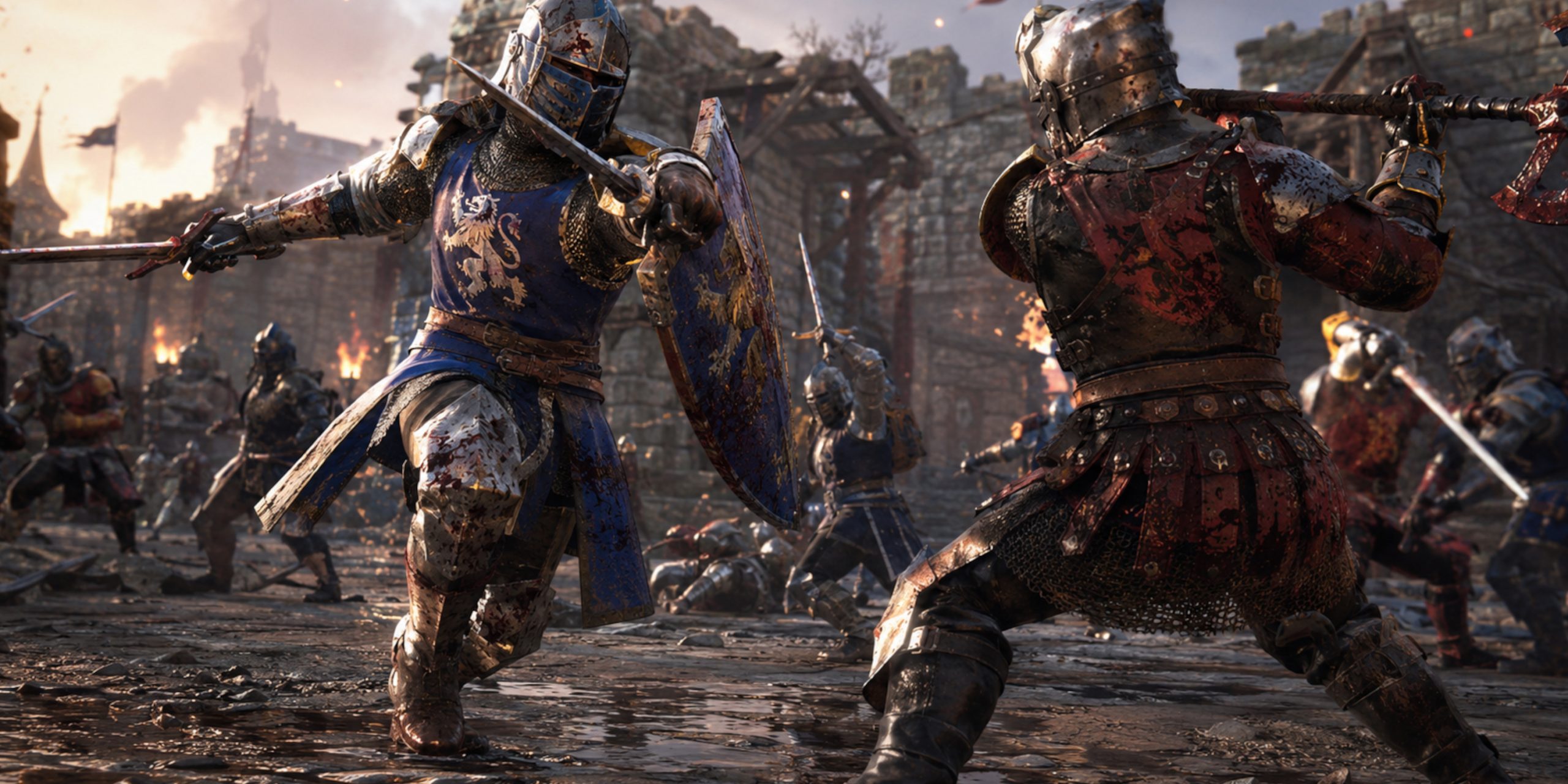
In Chivalry 2, most new players worry about landing the biggest overhead swing possible or finding the weapon that turns them into a medieval lawnmower. Then they meet someone who calmly blocks everything, counters perfectly, kicks them in the chest, and removes their head.
The difference is usually stamina management.
Stamina controls how long you can defend, how often you can dodge, and whether you keep hold of your weapon during extended fights. A player with great stamina control can survive against multiple enemies, outlast aggressive opponents, and win fights before the final strike is even thrown.
The stamina bar may be small, but it quietly decides a lot of battles.
How Stamina Works In Chivalry 2
Stamina represents your character’s physical endurance during combat. Almost every defensive action affects it.
You lose stamina through:
- Holding block
- Blocking incoming attacks
- Dodging
- Missing certain attacks
- Taking heavy defensive pressure
- Being kicked or disrupted in some situations
When stamina runs too low, you become vulnerable. The most dangerous outcome is being disarmed, leaving you desperately reaching for another weapon while your opponent enjoys the easiest kill of their match.
Not exactly the heroic knight ending most people imagine.
Why Holding Block Is A Beginner Trap
One of the biggest mistakes new players make is treating block like a magical shield wall.
Chivalry 2 does not reward passive defence.
Holding block constantly drains stamina and allows experienced opponents to control the fight. They will pressure you, mix attacks, force reactions, and wait until your stamina disappears.
Instead:
- Raise your guard when an attack is coming
- Release block when creating distance
- Use movement rather than relying entirely on defence
- Learn enemy attack timings
Blocking should be a reaction, not your default position.
Counters: The Key To Saving Stamina
Counters are one of the most important mechanics in Chivalry 2.
A successful counter happens when you match your opponent’s attack type shortly before impact. Instead of simply absorbing damage, you turn their aggression into your own opportunity.
For example:
Opponent uses slash:
You counter with slash.
Opponent uses overhead:
You counter with overhead.
Opponent uses stab:
You counter with stab.
Good countering:
- Preserves stamina
- Stops you being overwhelmed
- Creates attacking opportunities
- Helps in group fights
The best players are not blocking more. They are blocking smarter.
Ripostes Vs Counters: Understanding The Difference
Both mechanics are useful, but they serve different purposes.
| Technique | How It Works | Stamina Impact | Best Use |
|---|---|---|---|
| Riposte | Attack after blocking | Still costs defensive stamina | Quick retaliation |
| Counter | Match incoming attack | Helps preserve stamina | Longer fights and duels |
Ripostes are easier and very effective, especially in chaotic team battles. Counters require better timing but reward skilled players.
Learning counters is one of the biggest jumps from beginner to intermediate level.
Weapon Choice And Stamina Management
Not all weapons handle stamina pressure equally.
Heavy weapons often hit harder but punish mistakes more severely.
Examples:
Large Two-Handed Weapons
Weapons such as greatswords, mauls, and executioner axes offer huge damage potential.
Strengths:
- Powerful hits
- Strong reach
- Great crowd control
Weaknesses:
- Mistakes are costly
- Slower recovery
- Missing attacks can leave you exposed
Faster One-Handed Weapons
Weapons like swords, axes, and maces allow quicker reactions.
Strengths:
- Easier stamina control
- Faster counters
- Strong duel potential
Weaknesses:
- Less reach
- Lower damage per strike
The biggest weapon is not always the smartest choice. Although swinging a massive axe into five people will always remain emotionally convincing.
Dodging Without Wasting Stamina
Dodging feels amazing when it works. You avoid a strike, move behind someone, and look like a medieval combat genius.
The problem is overusing it.
Bad dodging:
- Burns stamina quickly
- Makes your movement predictable
- Leaves fewer defensive options
Good dodging:
- Avoids heavy attacks
- Creates attack angles
- Escapes being surrounded
- Punishes slow weapons
Footwork matters just as much as dodging. Sometimes taking one step back is better than spending stamina.
Managing Stamina In 1v1 Duels
Duels are where stamina management becomes obvious.
Strong duel players usually:
- Avoid unnecessary blocking
- Counter regularly
- Mix attacks instead of spamming
- Watch the opponent’s stamina pressure
- Control distance
A duel is often decided before the final hit. If your opponent is exhausted, disarmed, or forced into panic defence, the advantage is already yours.
Managing Stamina Against Multiple Enemies
Team Objective battles are completely different.
Against several opponents, stamina disappears fast because every blocked attack adds pressure.
Survival tips:
- Keep moving sideways
- Avoid being surrounded
- Counter when possible
- Use enemies to block each other
- Attack weaker targets first
- Do not chase every opponent
The classic Chivalry 2 experience is charging heroically into six enemies and immediately discovering that bravery and strategy are not identical concepts.
Shields And Stamina
Shields change defensive play but do not make stamina irrelevant.
Advantages:
- Better protection from projectiles
- Strong defence in team fights
- Easier survival under pressure
Disadvantages:
- Can encourage passive blocking
- Can break under pressure
- Still requires good timing
A shield is a tool, not permission to become a medieval traffic cone.
Advanced Stamina Tips
Experienced players manage stamina almost automatically.
Small improvements make a big difference:
- Cancel bad attack habits
- Stop swinging wildly into empty space
- Use jabs to interrupt pressure
- Kick players who hold block constantly
- Change timing with drags and accelerations
- Back away briefly to reset fights
Patience beats panic.
Common Stamina Mistakes To Avoid
Blocking Too Early
Waiting too long feels scary, but blocking too soon drains stamina unnecessarily.
Swinging Constantly
Random attacks are easy to punish. Controlled aggression works better.
Ignoring Counters
Players who never counter eventually lose longer fights.
Fighting Surrounded
Even great players struggle when attacked from every angle.
Sometimes the smartest medieval warrior is the one who runs away for five seconds.
Best Classes For Learning Stamina Control
Knight
Great for beginners because the higher durability gives more time to learn.
Good for:
- Defence practice
- Long fights
- Understanding timing
Vanguard
Powerful but less forgiving.
Good for:
- Aggressive players
- Learning spacing
- Heavy weapon practice
Footman
A balanced choice.
Good for:
- Team support
- Polearm control
- Learning positioning
Stamina Wins More Battles Than Damage
Stamina management is one of the skills that separates casual fighters from genuinely dangerous Chivalry 2 players.
Anyone can land a lucky heavy attack. Consistently winning fights comes from patience, timing, positioning, and knowing when not to swing.
The best warriors are not always the ones making the biggest attacks. They are often the annoying person who refuses to run out of stamina while everyone else slowly falls apart.
Frustrating to fight? Absolutely.
Effective? Unfortunately, yes.