Sekiro Is Trying to Rewire Your Brain
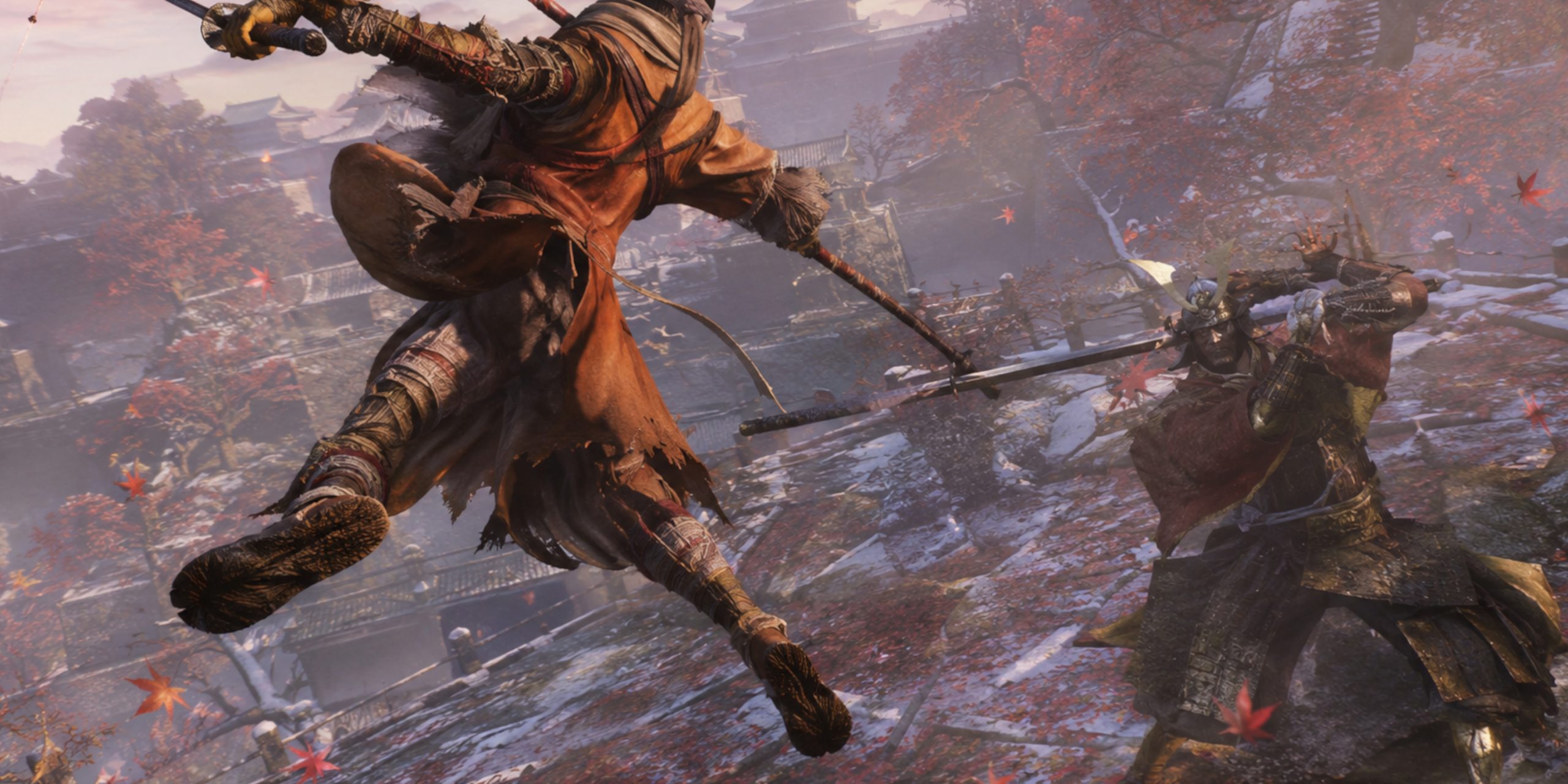
The first few hours of Sekiro: Shadows Die Twice feel like being repeatedly hit in the face with a bamboo stick by a patient martial arts instructor.
You dodge. You panic roll. You circle enemies like it is Dark Souls. Then some bloke with a spear folds you into the dirt while calmly ruining your self-esteem.
Sekiro is not really an RPG disguised as an action game. It is a rhythm game disguised as a samurai death simulator. Once that clicks, the whole thing changes.
The game explains the basics reasonably well. What it does not explain are the tiny habits, hidden mechanics, and combat instincts that suddenly turn you from “terrified shinobi trapped in a well” into “walking natural disaster with a grappling hook.”
So here are the tricks the game quietly leaves for you to discover through suffering.
Deflecting Is Better Than Blocking, But Blocking Is Still Fine
A lot of players think failed deflects equal failure. Not true.
If you mistime a deflect but still hold guard, you usually block the attack anyway. That means you should not be afraid to attempt aggressive deflections constantly.
The game rewards confidence more than caution.
Holding block also recovers your posture faster. This is massive and the game barely highlights it. After a messy exchange, holding guard for a second can stabilise you before the next attack chain arrives.
Think of posture like stamina with anger issues.
Most Enemies Hate Relentless Pressure
Sekiro secretly becomes easier when you stop playing passively.
Many enemies, especially human bosses, struggle when constantly pressured. If you attack aggressively, you limit their moveset and force predictable responses.
This creates the famous Sekiro combat loop:
- Attack until they deflect
- Deflect their counterattack
- Resume attacking immediately
Once you hear the sharper metallic clang of an enemy deflecting your strike, your turn is usually over. That sound matters more than the animations.
It feels almost musical after a while. A very stressful musical involving decapitations.
Posture Damage Matters More Than Health
New players spend ages trying to chip down enemy vitality. Veterans barely care.
Lower health makes posture recover more slowly. That means even small vitality damage becomes important because it helps posture damage stick permanently.
Against bosses:
- Early phase, focus on getting safe vitality hits
- Mid-fight, focus on posture pressure
- Late phase, overwhelm them aggressively
Some bosses can be posture-killed with over half their health remaining.
The game never properly says this, yet it changes everything.
Sprinting Is Weirdly Powerful
You can outright avoid many dangerous attacks just by sprinting sideways.
Not dodging. Not rolling. Just running.
Certain grab attacks, sweeping attacks, and delayed slams track poorly against sprint movement. New players often overcomplicate fights because they assume every attack requires perfect timing.
Sometimes the correct answer is simply “leave.”
This becomes especially useful against giant enemies and terror-based attacks.
Stealth Is Not Optional
A surprising number of difficult fights become dramatically easier through stealth.
Mini-bosses often allow you to remove one health bar before the real fight even begins. The game treats this like clever shinobi behaviour rather than cheating.
Use it.
Seriously.
Ashina is full of proud warriors giving speeches about honour while you crouch behind a shrub preparing to stab them through the spine. That contrast is half the charm.
Important stealth habits:
- Hug walls during stealth movement
- Watch enemy vision cones carefully
- Use ceramic shards to separate groups
- Reset fights by escaping and hiding
The game rewards dirty tactics constantly.
The Mikiri Counter Is Basically Mandatory
If you struggle with thrust attacks, buy Mikiri Counter immediately and practise it until it becomes instinctive.
It is arguably the single most important skill in the game.
A lot of players panic and dodge backwards during thrusts. Sekiro wants the opposite. You move directly into danger.
That tiny mental adjustment is the entire philosophy of the combat system.
Aggression beats hesitation.
Once Mikiri clicks, spear enemies stop feeling terrifying and start feeling generous.
Prosthetic Tools Are More Situational Than You Think
Many players treat prosthetics like traditional RPG abilities. Sekiro treats them more like tactical counters.
Examples:
- Firecrackers interrupt beasts and animals
- The axe destroys shield enemies instantly
- Sabimaru devastates certain poison-weak enemies
- The umbrella trivialises several terrifying attacks
- Spear prosthetics punish armour-based enemies
You are not expected to use one favourite tool forever.
Bosses often feel impossible until you realise one prosthetic completely changes the encounter.
The Umbrella Is Absurd
The Loaded Umbrella deserves special attention because it quietly becomes one of the strongest defensive tools in the game.
It can:
- Block terror attacks
- Negate heavy projectile pressure
- Absorb massive posture damage
- Counterattack safely with projected force
A lot of late-game encounters become dramatically more manageable once you master it.
It is essentially a portable panic room.
Dragonrot Looks Scarier Than It Really Is
Early on, Dragonrot feels catastrophic. NPCs cough dramatically. The game acts like civilisation is collapsing because you lost to a bloke with a sword eighteen times in ten minutes.
In practice, Dragonrot is manageable.
It mostly pauses certain NPC quest progress until cured. The game provides enough Dragon’s Blood Droplets to handle it comfortably.
Do not let fear of Dragonrot stop experimentation.
You are supposed to die in Sekiro. Repeatedly. Sometimes creatively.
Eavesdropping Actually Matters
Eavesdropping is not just flavour text.
Enemies and NPCs frequently reveal:
- Hidden weaknesses
- Secret paths
- Upcoming ambushes
- Lore details
- Prosthetic hints
Some of the game’s best environmental storytelling sits quietly behind corners while guards complain about terrifying monsters nearby.
FromSoftware trusts players to pay attention rather than dumping tutorials everywhere. Which is refreshing, honestly.
Combat Arts Are Easy to Ignore, But Some Are Incredible
A lot of players barely use Combat Arts. That is a mistake.
Particularly useful ones include:
Ichimonji
Amazing posture recovery and posture damage.
Reliable, simple, brutally effective.
Mortal Draw
Hits like divine judgement.
Expensive Spirit Emblem usage, but devastating against many bosses.
High Monk
Excellent against sweep attacks once mastered.
Looks stylish too, which obviously matters.
Terror Is One of the Worst Status Effects in Gaming
Terror kills instantly once the meter fills.
Which means panic usually makes it worse.
Important anti-terror habits:
- Carry Pacifying Agent
- Use the purple umbrella upgrades
- Stay mobile
- End fights quickly
Headless encounters especially become far easier once properly prepared.
Without preparation they feel less like sword fights and more like being emotionally mugged by a haunted swamp.
Money and XP Are Safer Than You Think
Before difficult fights:
- Spend Sen whenever possible
- Convert excess money into Spirit Emblems or items
- Use coin purses because they are not lost on death
Experience loss only affects your current progress toward the next skill point. Locked skill points remain permanent.
This means dying with 90% progress toward a point hurts badly. Dying immediately after earning one barely matters.
Tiny detail. Huge psychological difference.
Some Bosses Want You to Stay Close
Players often retreat from dangerous bosses instinctively.
Several Sekiro bosses become nastier at range.
Close aggression frequently limits:
- Projectile attacks
- Gap-closing combos
- Unpredictable movement
- Recovery opportunities
Genichiro is basically the game’s final exam for this lesson.
Once you stop backing away from him, the fight suddenly feels fair. Mostly.
You Can Jump Over More Attacks Than You Think
Sweeps are obvious jump attacks, but many low attacks and shockwaves can also be avoided vertically.
Jumping often gives:
- Free posture damage
- Head stomp opportunities
- Better positioning
- Safer recovery
The game quietly trains you to think three-dimensionally.
Most action games keep you glued to the floor. Sekiro wants you bouncing around rooftops like an angry caffeinated spider.
Hesitation Really Is Defeat
Yes, the famous line became a meme. Unfortunately, it is also completely true.
The hardest part of Sekiro is not reaction speed. It is commitment.
Once you learn enemy rhythms, the game becomes less about surviving and more about maintaining momentum.
The combat feels terrifying when approached defensively. It feels beautiful when approached confidently.
Right up until a monkey throws excrement at your face.
Then it becomes something else entirely.
Takeaway
Sekiro does not care about your level, your armour, or your overpowered build guide from YouTube.
It cares whether you learned the dance.
That is why the victories feel so personal. By the end, you are not simply stronger because your stats improved. You are stronger because you genuinely got better.
Painfully. Repeatedly. Sometimes while screaming at a centipede monk at two in the morning.
And honestly, that is why people still adore it.