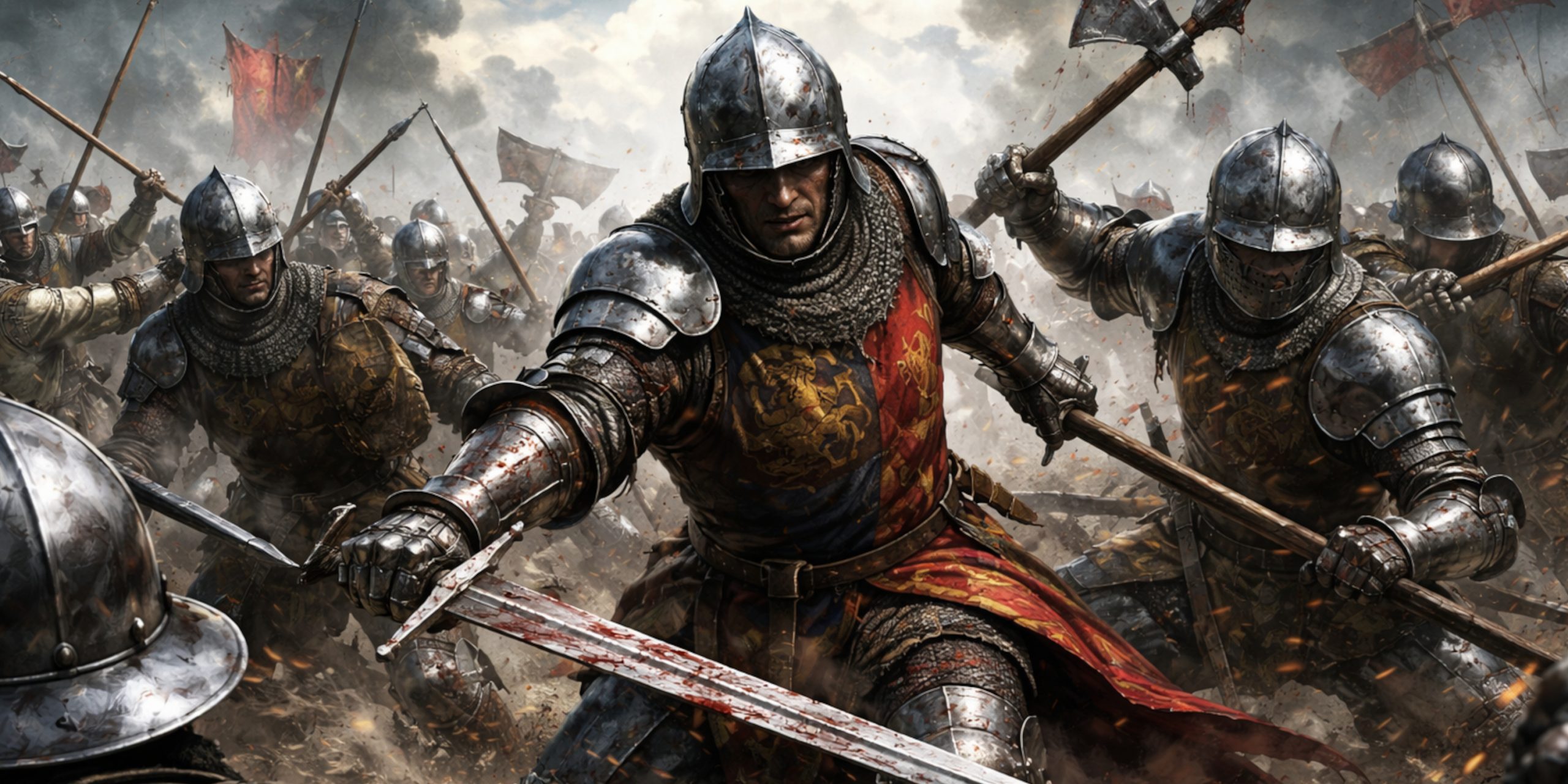
Once you strip away ceremony and pageantry, the Wars of the Roses reduce to a fairly blunt truth. Men used whatever worked. The battlefield rewarded reach, control, and the ability to deal with armour at very close range.
So here is a cleaner list. No ceremonial pieces, no symbolic distractions. Just the ten weapons that show up again and again in sources, archaeology, and practical reconstruction.
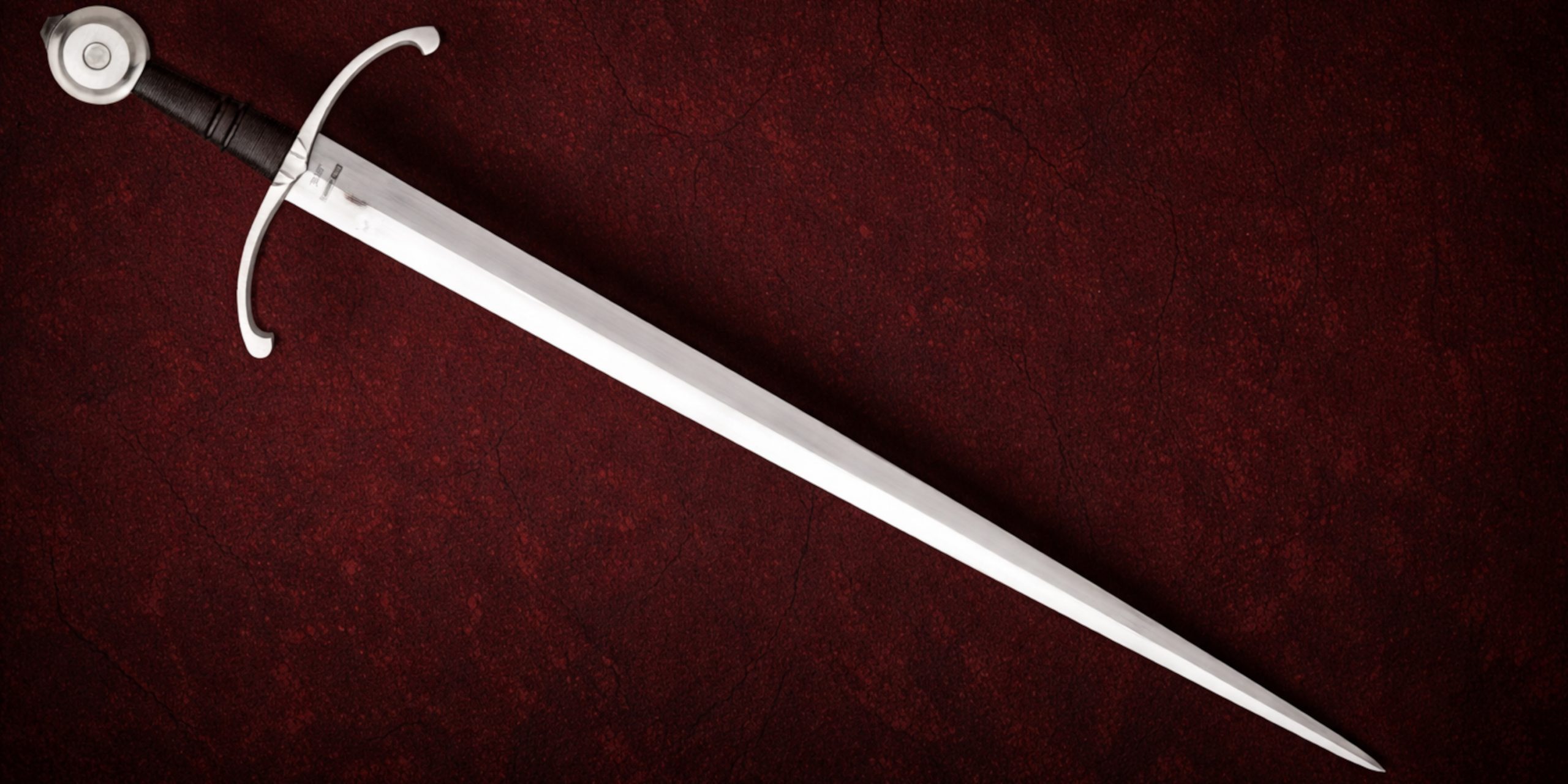
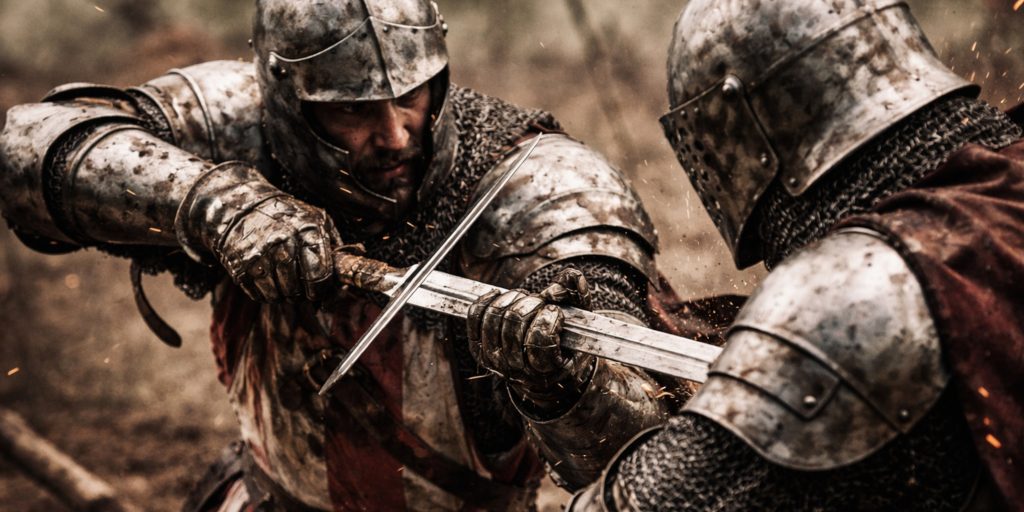
1. Longsword
Sub-types
- Oakeshott Type XV and XVIII, stiff thrusting blades
- Hand-and-a-half grips allowing one or two handed use
- Diamond or flattened hexagonal cross sections
Evidence of use
- Surviving fencing treatises such as those of Fiore dei Liberi and later German traditions show half-swording techniques aimed at armoured opponents
- Archaeological finds across England and continental Europe match these blade types in late 15th century contexts
- Contemporary illustrations depict knights using longswords in close combat, often gripping the blade
The sword remained important, but more as a precise tool than a sweeping battlefield cutter.
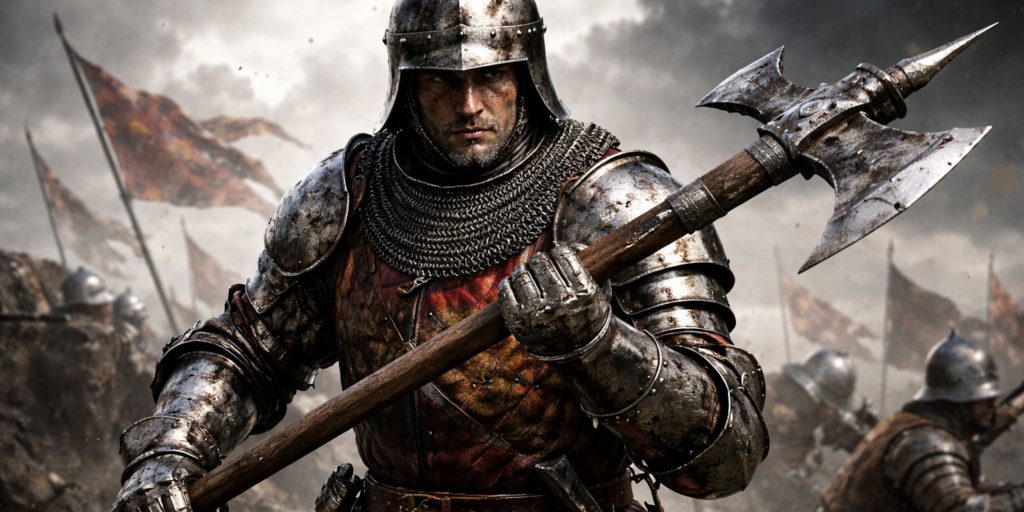
2. Poleaxe
Sub-types
- Axe blade with rear hammer face
- Top spike for thrusting
- Variants with beak-like flukes for piercing armour
Evidence of use
- Frequently depicted in fight books and judicial duel manuals
- Excavated heads from late medieval sites across Britain and France
- Chroniclers describe heavily armoured men engaging with pole weapons rather than swords
This is the weapon you choose when the opponent is wearing something expensive and difficult to cut.
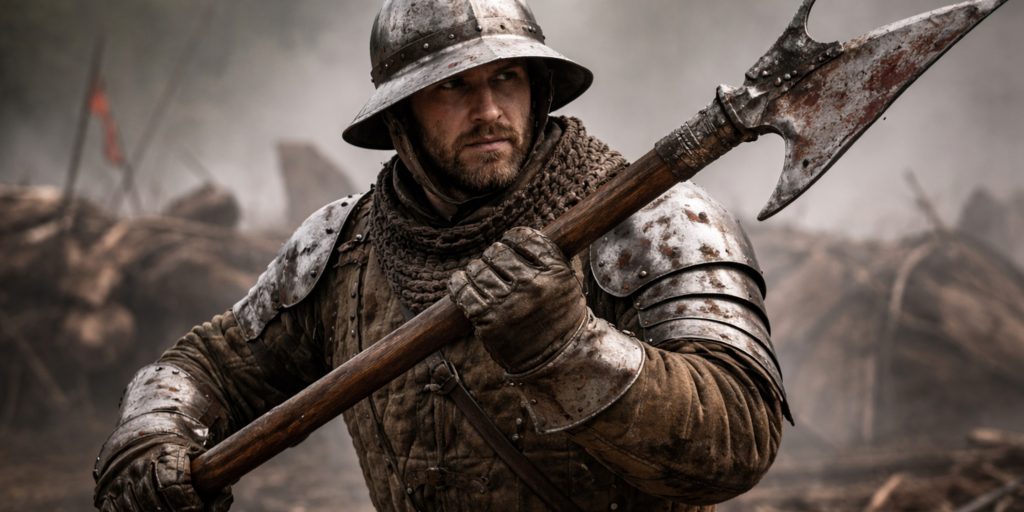
3. Bill (Billhook Weapon)
Sub-types
- Hooked blade for pulling
- Spike tipped bills for thrusting
- Variants with back spikes and reinforced shafts
Evidence of use
- English muster records frequently refer to billmen as a core infantry component
- Artistic depictions from the period show dense formations of bill armed soldiers
- Surviving examples indicate adaptation from agricultural tools into standardised weapons
It is quietly one of the most important weapons of the wars. Not glamorous, just effective.
4. English Longbow
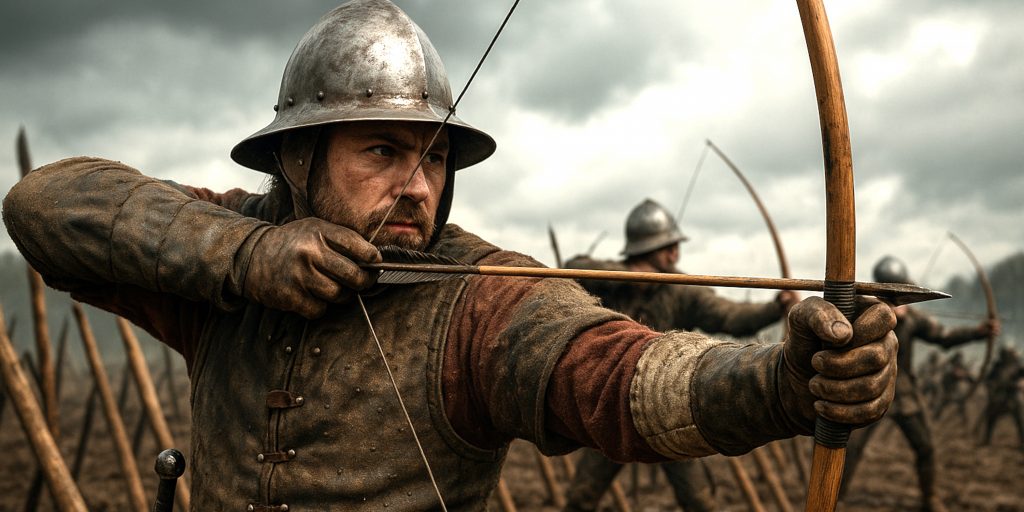
Sub-types
- War bows typically exceeding 100 lbs draw weight
- Bodkin arrowheads for armour penetration
- Broadhead arrows for unarmoured targets
Evidence of use
- Skeletal remains from sites like Towton show trauma consistent with arrow wounds
- The Mary Rose finds confirm construction and draw strength of English war bows
- Chronicles repeatedly note archery exchanges shaping battles
The longbow did not disappear after Agincourt. It remained a serious force, especially in large engagements.
5. War Hammer
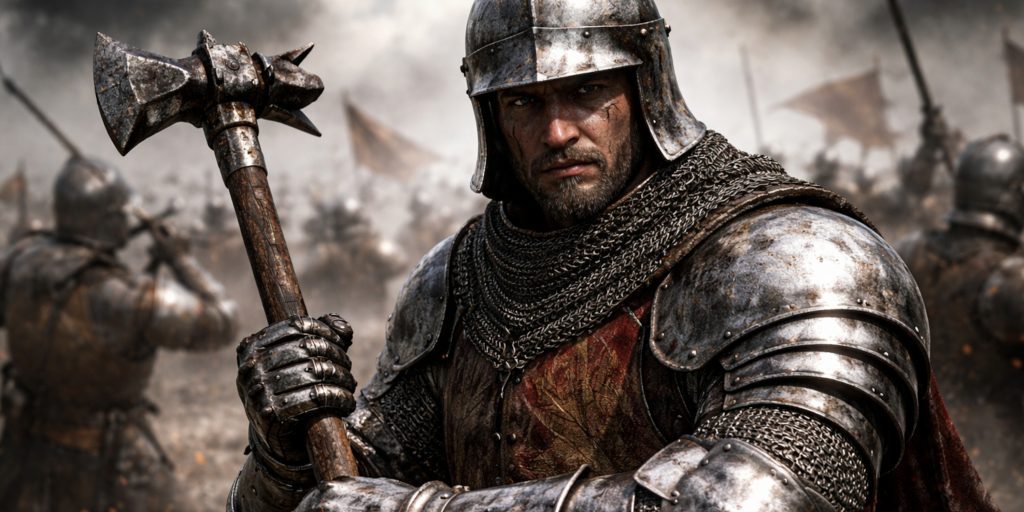
Sub-types
- Beaked hammer for piercing plate
- Hammer face for blunt trauma
- Early lucerne style combinations
Evidence of use
- Surviving weapons in museum collections dated to the 15th century
- Visual depictions of mounted and foot soldiers using hammers
- Armour damage on excavated pieces consistent with concentrated impact
A weapon designed with a single idea in mind. Armour exists, therefore it must be broken.
6. Mace
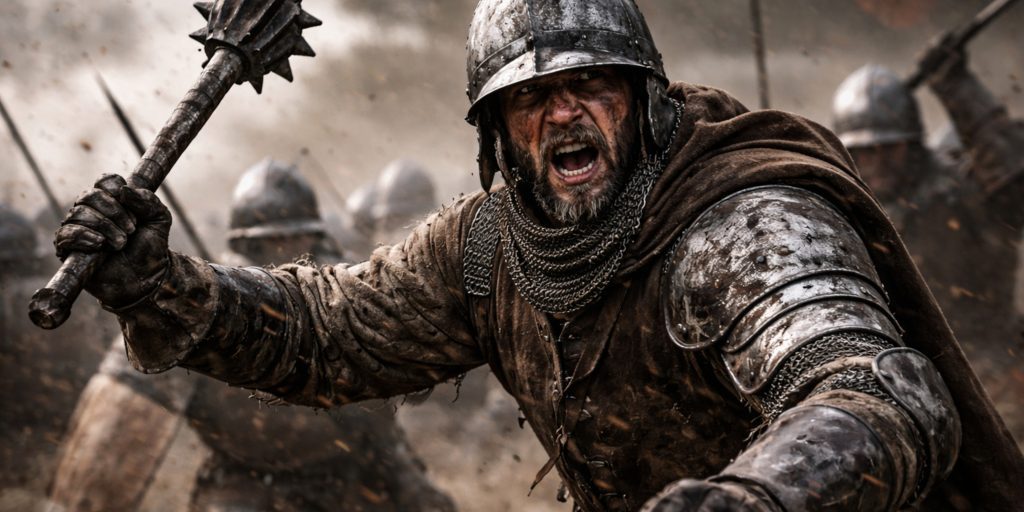
Sub-types
- Flanged mace to focus impact
- Spherical headed mace
- All metal shafted variants for durability
Evidence of use
- Surviving examples in British and European collections
- Artistic sources showing knights carrying maces alongside swords
- Written references to blunt weapons being effective against armour
If the hammer is precise, the mace is less subtle. Both achieve similar results.
7. Rondel Dagger
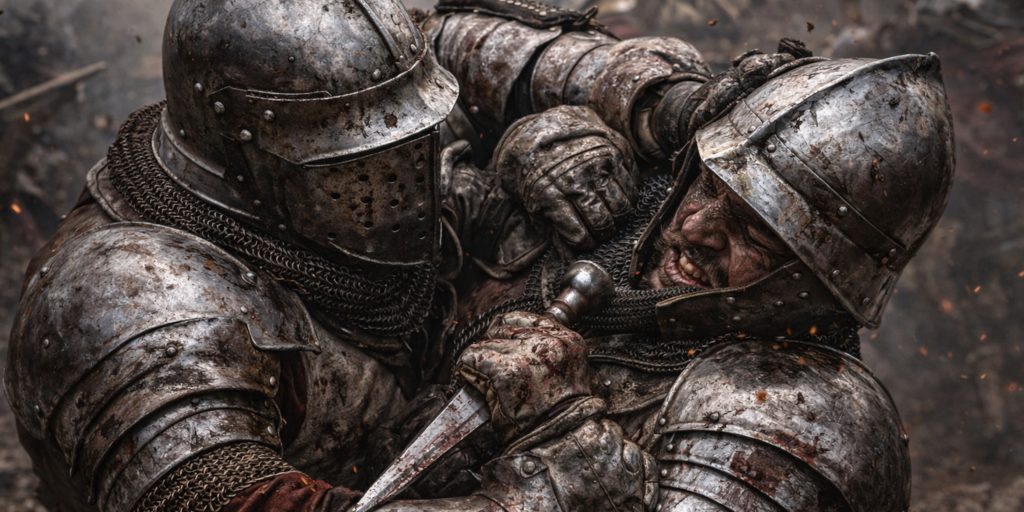
Sub-types
- Thick triangular or diamond section blades
- Disc shaped guard and pommel
- Stiff construction for thrusting
Evidence of use
- Found in burials and battlefield contexts
- Depicted in manuals as the final weapon in grappling situations
- Wear patterns on blades suggest repeated thrusting use
This is the weapon that finishes fights. Not elegant, but very final.
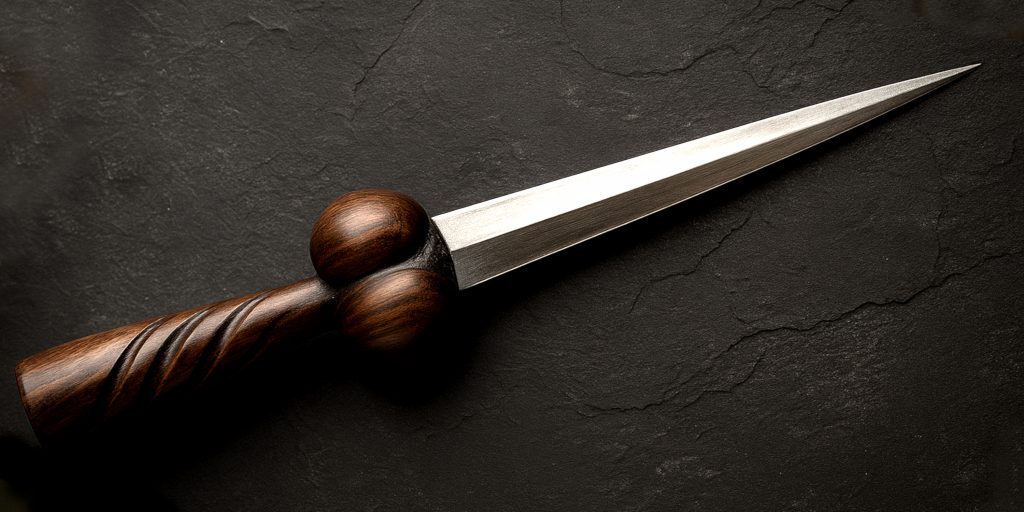
8. Bollock Dagger
Sub-types
- Distinctive two-lobed hilt
- Single edged blade variants
- Common across both military and civilian use
Evidence of use
- Large numbers of surviving examples in Britain
- Frequently depicted in everyday carry by soldiers
- Found in urban and military archaeological contexts
Less specialised than the rondel, but far more widespread.
9. Spear
Sub-types
- Leaf shaped spearheads
- Narrow thrusting heads
- Simple wooden shaft constructions
Evidence of use
- Common in muster rolls due to low cost
- Archaeological finds across Britain from the period
- Depictions of levied troops carrying spears in large numbers
Not fashionable, rarely discussed, but almost certainly everywhere.
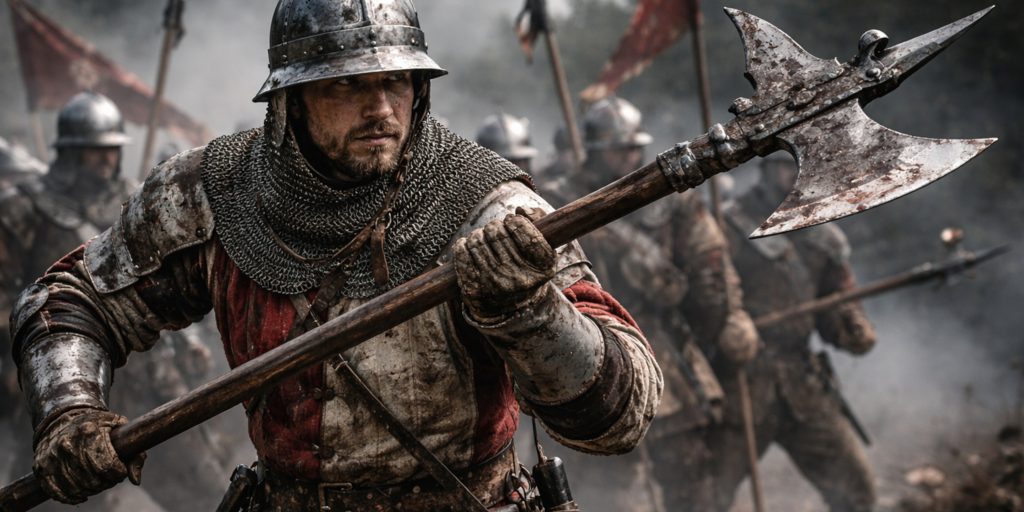
10. Halberd
Sub-types
- Axe blade with top spike and rear hook
- Variants influenced by continental designs
- Combined cutting, thrusting, and hooking functions
Evidence of use
- Increasing presence in late medieval European warfare
- Surviving examples dated to the 15th century
- Visual sources showing mixed polearm use alongside bills
Less dominant in England than the bill, but clearly present and effective.
Takeaway
What stands out is not variety, but convergence. Different shapes, same purpose. Reach, control, armour penetration.
The romantic image of a knight winning the day with a sword feels comforting. The reality is less tidy. More often, it was a bill dragging him down, a hammer crushing his helm, and a dagger ending the matter.
History has a way of stripping away illusions. The Wars of the Roses do it with particular efficiency.