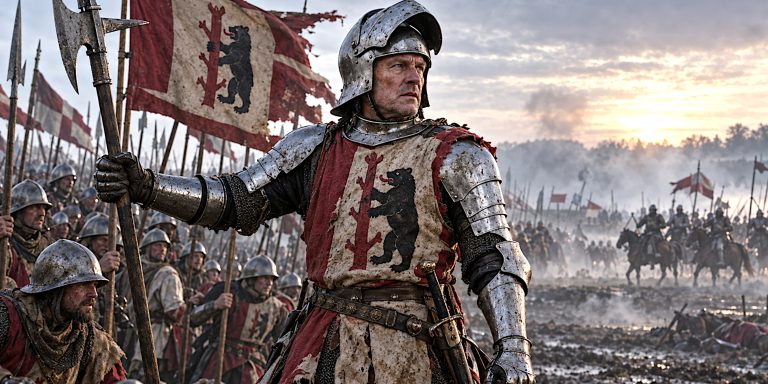
The Battle of Beneventum brought the Pyrrhic War to a weary close. By the time swords met near Beneventum in southern Italy, both Rome and Pyrrhus of Epirus were exhausted. It was not a neat or glamorous victory, but it mattered. Rome held the field, Pyrrhus withdrew from Italy, and the balance of power tilted decisively towards the Republic. From a historian’s point of view, this is one of those battles where the aftermath tells you more than the fighting itself.
Background
Pyrrhus arrived in Italy as a saviour to the Greek cities of Magna Graecia, armed with a Hellenistic army and a reputation built in the wars of Alexander’s successors. Rome, still learning how to fight kings rather than neighbours, adapted with grim speed. After Heraclea and Asculum, victories that cost Pyrrhus more than he could afford, both sides were running low on patience, men, and optimism. Beneventum was meant to break the stalemate. It did, just not in the way Pyrrhus hoped.
Forces
Roman Republic
Commander
- Manius Curius Dentatus, consul for 275 BC
Estimated strength
- 20,000 to 25,000 infantry
- 2,000 to 3,000 cavalry
Composition
- Manipular legions, organised into hastati, principes, and triarii
- Allied Italian infantry and cavalry
- Velites acting as skirmishers
Rome’s army here looks very much like the one that will go on to dominate the Mediterranean. Flexible, stubborn, and quietly confident.
Army of Pyrrhus
Commander
- Pyrrhus of Epirus
Estimated strength
- 20,000 infantry
- 3,000 cavalry
- 20 war elephants
Composition
- Macedonian-style phalanx
- Greek and Italian allied troops
- Thessalian cavalry
- War elephants with tower crews
On paper, this was still an elite Hellenistic force. In reality, it was a tired one, far from home, and short on reinforcements.
Arms and Armour
Roman equipment
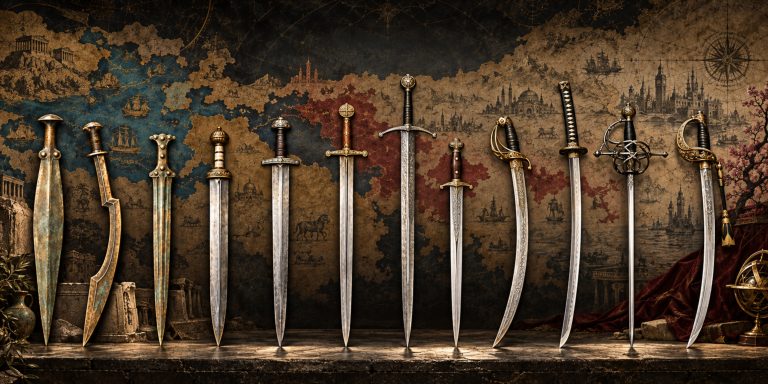
- Swords
- Gladius Hispaniensis, an early form of the thrusting sword that would become standard
- Polearms
- Pilum, heavy throwing javelin designed to bend on impact
- Defensive gear
- Scutum, large semi-cylindrical shield
- Montefortino helmets
- Mail shirts worn by wealthier soldiers
The Roman kit was not elegant, but it was brutally practical. The pilum in particular continued to ruin enemy shields and morale in equal measure.
Epirote and Hellenistic equipment
- Swords
- Spears
- Sarissa for phalanx troops
- Defensive gear
- Linen or bronze cuirasses
- Hoplite-style shields for non-phalanx troops
- Special assets
- War elephants equipped with towers and handlers
The elephants were still impressive, but by this point the Romans had learned how to scare them. Experience is a ruthless teacher.
The Battle
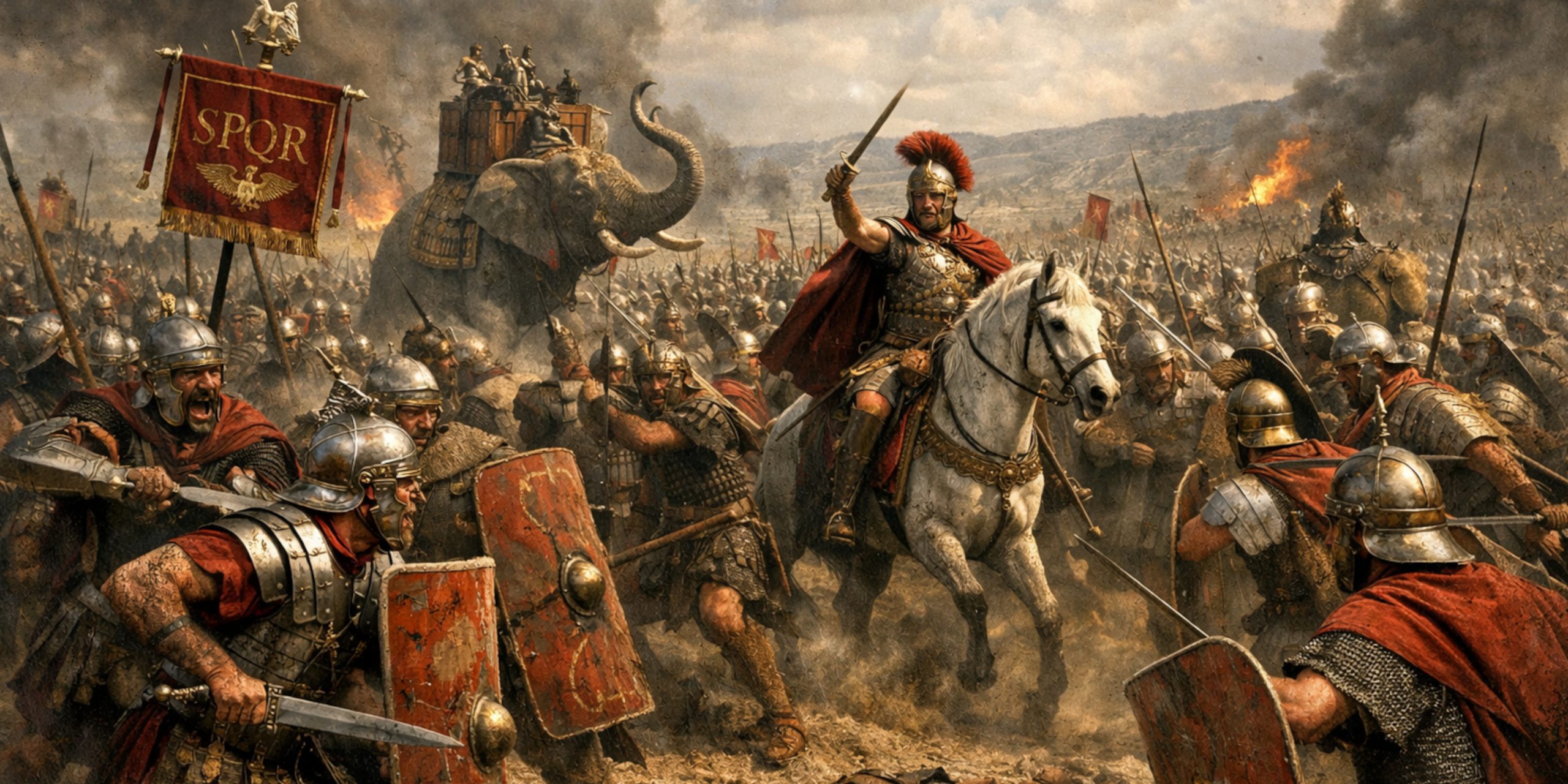
The fighting began badly for Pyrrhus. A night march intended to surprise the Romans ended in confusion, with units arriving late and out of formation. Dentatus held firm, using terrain and disciplined deployments to blunt the initial attack. Roman skirmishers targeted the elephants with javelins and fire, causing several to panic and trample their own lines. Once that happened, the phalanx lost cohesion. Roman infantry pressed in close, exactly where their swords and flexible formations worked best.
This was not a sudden collapse. It was a slow, grinding realisation on Pyrrhus’s side that Italy was no longer worth the blood.
Battle Timeline
- Early morning
Pyrrhus attempts a surprise approach. Darkness and difficult ground disrupt his deployment. - Initial engagement
Roman skirmishers harass advancing units. Elephants enter the fight. - Mid-battle
Several elephants panic under missile fire. Disorder spreads through the Epirote line. - Late phase
Roman maniples exploit gaps, pushing the phalanx back. - Outcome
Pyrrhus withdraws from the field. Roman victory by control of the battlefield.
Archaeology
Physical evidence from the battlefield area is sparse, which is hardly surprising given centuries of cultivation and urban development around Benevento. Finds from the wider region include Republican-era weapons, coins, and armour fragments that fit the period. While no single artefact can be pointed to and labelled “from the battle”, the material culture aligns well with the literary accounts. As ever, archaeology supports the story without spelling it out.
Contemporary Quotes
Plutarch preserves the most famous reflection attributed to Pyrrhus, after earlier victories but echoed by the reality of Beneventum:
“If we are victorious in one more battle with the Romans, we shall be utterly ruined.”
It is hard to read that without a wince. History remembers confidence, but it respects honesty even more.
Outcome and Significance
Beneventum ended Pyrrhus’s Italian adventure. He returned to Epirus, leaving Rome as the dominant power in southern Italy. For Rome, the battle confirmed that its legions could stand against Hellenistic kings, phalanxes, and even elephants. For Pyrrhus, it was the final proof that brilliance cannot compensate forever for limited resources.
As a historian, I find Beneventum quietly fascinating. It lacks the drama of Cannae or Zama, but it marks a turning point where Rome stops reacting to the Greek world and starts shaping it. Not bad for a battle that began with everyone arriving late and tired.
Watch the documentary: