Tytila of East Anglia sits in that uneasy space between history and memory where early Anglo Saxon kings often live. He was real enough to matter, important enough to be remembered by name, yet distant enough that much of his life must be rebuilt from fragments. What survives suggests a capable ruler at the hinge point between migration era warbands and more settled kingship, a man who helped shape the dynasty that would soon produce Rædwald.
Who Was Tytila
Tytila of East Anglia ruled the East Angles in the late sixth century. He is generally placed as the son of Wuffa and the father of Rædwald, linking him firmly to the Wuffingas dynasty that dominated the region. Sources are thin, mostly genealogical references preserved by later writers, but they agree on his position in the royal line.
His reign probably fell between the consolidation of Anglo Saxon settlement and the first clear signs of Christian influence. East Anglia at this point was not a backwater. It controlled rich farmland, river routes, and North Sea access, all of which mattered greatly in an age when power travelled by boat.
East Anglia in Tytila’s Time
East Anglia was already emerging as a coherent kingdom, likely centred on royal sites such as Rendlesham. Kingship here meant more than fighting. It meant managing alliances, controlling tribute, and keeping elite followers loyal through land, gifts, and reputation.
This was also a period of competition. Neighbouring kingdoms such as Kent and Mercia were growing in confidence, and overlordship was a real threat. Tytila’s role seems to have been one of stabilisation rather than conquest, holding territory together so that his successor could later expand its influence.
Arms and Armour of an East Anglian King
For Tytila himself, no named weapon survives, but the archaeological record of East Anglia tells us what a king of his status would have owned.
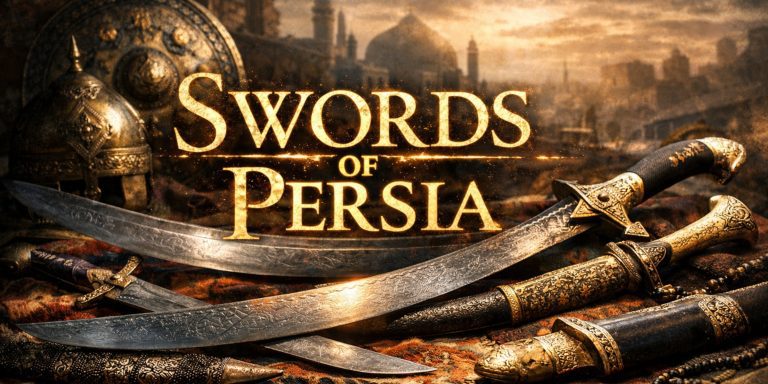
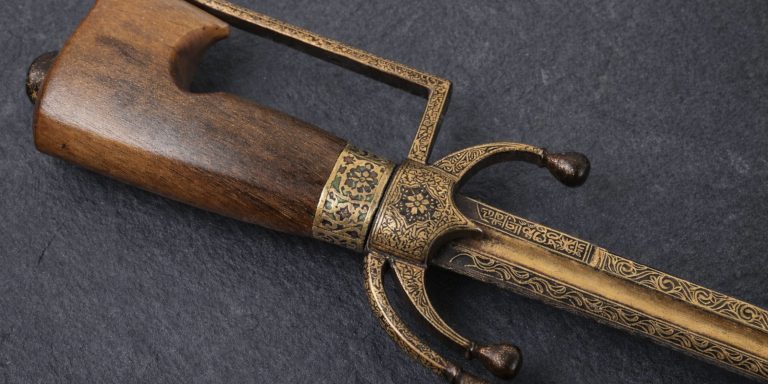
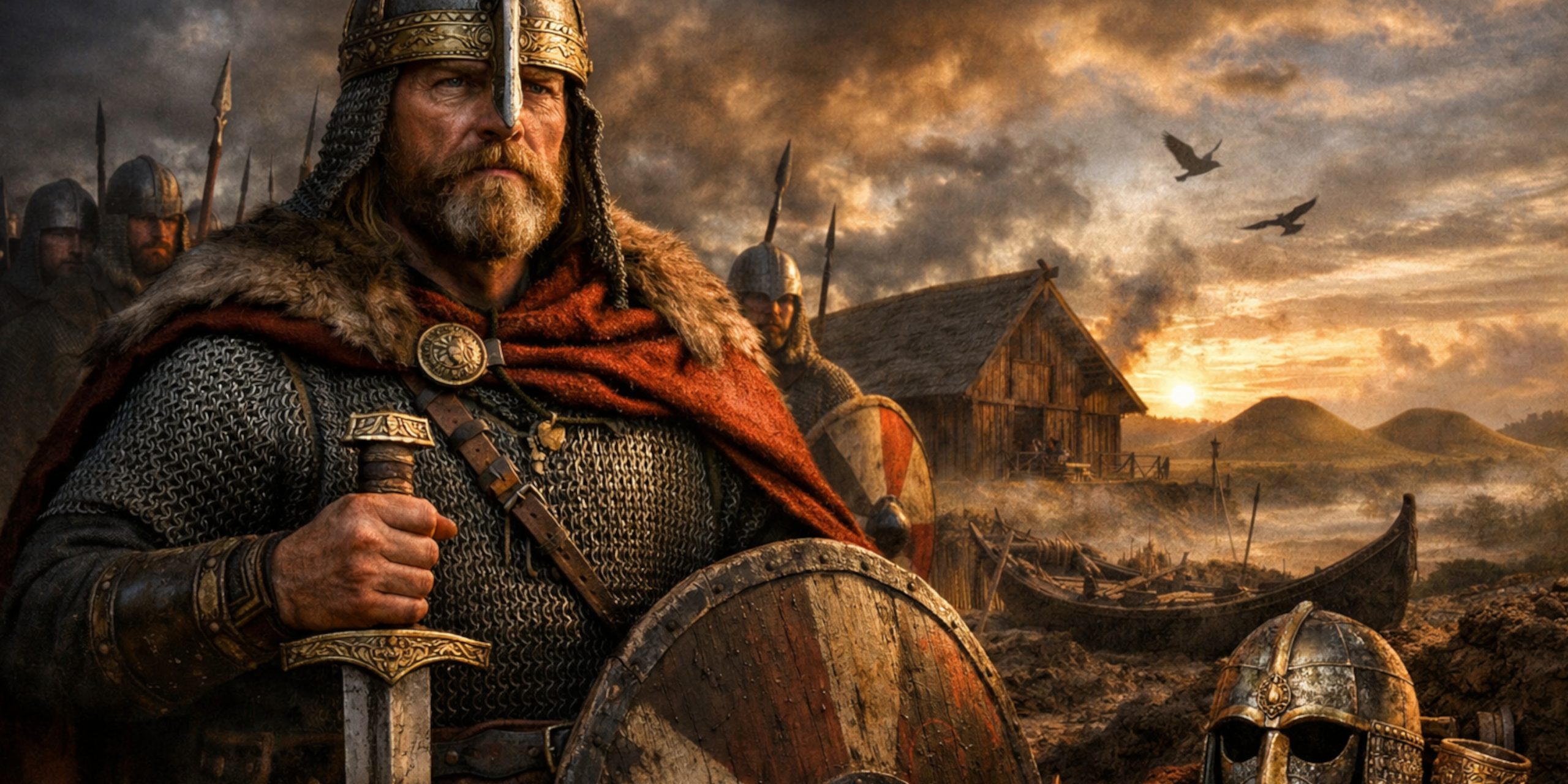
High status warriors in the region carried pattern welded swords with broad blades and short guards, spears with leaf shaped heads, and large round shields fitted with iron bosses. Helmets were rare and expensive, likely worn only by elite leaders.
Mail armour existed but was uncommon. A king may have owned a mail shirt for battle or ceremony, while leather and padded garments would have been more practical for everyday use. Ornament mattered. Gilded fittings, garnets, and intricate metalwork were as much about authority as protection.
When I look at the grave goods from the region, I always feel that these objects were meant to be seen. Power in this period was visual, almost theatrical, and kings dressed the part.
Battles and Military Acumen
No specific battles can be firmly linked to Tytila, which frustrates anyone who enjoys clean narratives. That absence is telling in itself. His reign does not seem to have been marked by disaster or sudden collapse.
Military leadership at this time was about readiness and deterrence. Tytila likely led warbands on smaller campaigns, defended borders, and demonstrated strength when necessary. Keeping rivals cautious could be as effective as defeating them outright.
As a historian, I suspect Tytila’s real achievement was restraint. Not every strong king leaves behind a famous battlefield. Some leave behind a stable kingdom, which is harder to romanticise but far more useful to the next generation.
Religion and Kingship
Tytila appears to have been pagan, ruling before Christianity took firm hold in East Anglia. Ritual, ancestry, and sacred kingship mattered deeply. Royal legitimacy rested on descent from revered ancestors and on the favour of the gods, however those were understood locally.
This context helps explain the richness of later elite burials in the region. They reflect a worldview in which the afterlife, honour, and kingship were tightly bound together.
Archaeology and Material Evidence
Sutton Hoo is often linked to Rædwald rather than Tytila, but it still tells us a great deal about the world Tytila inhabited. The wealth and craftsmanship on display there did not appear overnight. It was built on generations of accumulated power.
Rendlesham has emerged as a key royal centre through recent archaeology. Excavations reveal high status halls, feasting debris, and imported goods, all signs of a functioning royal court. This was likely the kind of place Tytila ruled from, surrounded by retainers, messengers, and craftsmen.
Recent findings across Suffolk continue to reinforce the idea that East Anglia was plugged into wide trade networks, not isolated or crude. Each discovery adds texture to a reign that written sources leave frustratingly flat.
Where to See Artefacts Today
The British Museum holds the Sutton Hoo material, which offers the clearest window into elite East Anglian culture of this period. The helmet alone is worth lingering over. It speaks of authority, fear, and craftsmanship in equal measure.
The Sutton Hoo site itself is open to visitors and remains one of the most evocative landscapes in early medieval England. Walking the mounds, it is not hard to imagine Tytila’s court moving through a similar world of river mist, timber halls, and ritual display.
Legacy and Assessment
Tytila is not a dramatic king. He left no surviving speeches, no recorded victories, no legendary last stand. What he seems to have left instead was continuity. He preserved a kingdom, a dynasty, and a level of power that allowed Rædwald to step onto a larger stage.
From a historian’s point of view, that matters. Early medieval history is full of loud failures and quiet successes. Tytila feels like the latter, a ruler whose importance lies in what did not go wrong.