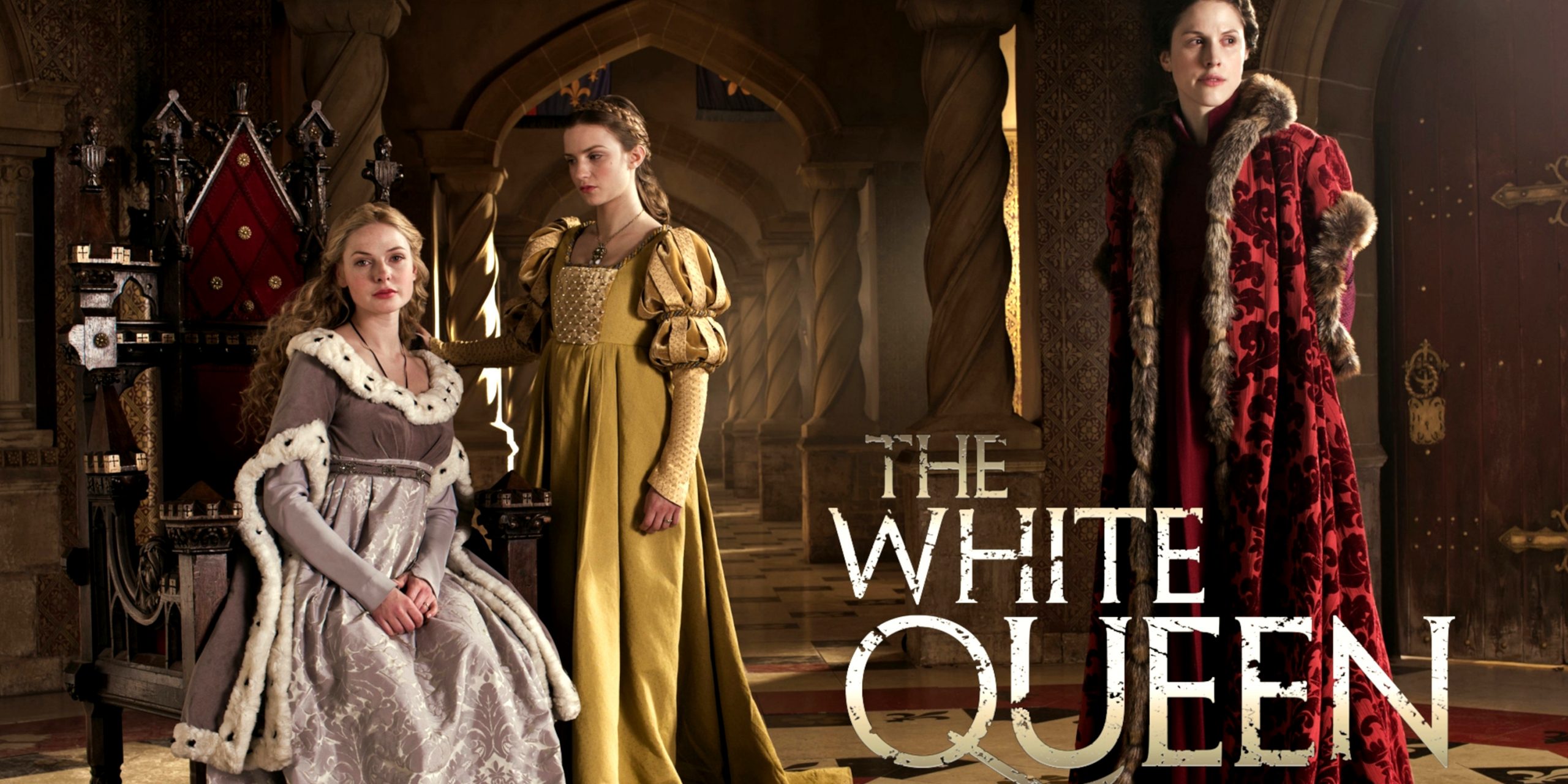
If you watched The White Queen and felt like you needed a family tree, a corkboard and several hours of quiet reflection, you are not alone. The series throws you straight into the Wars of the Roses with enough betrayals, predictions and suspiciously intense stares to fill a whole degree module. Here is a clean and structured guide to the threads that actually shape the story, plus a few details that are easy to miss if you blink.
The Rise of Elizabeth Woodville
Elizabeth arrives in the story as a widowed mother, determined enough to stand in front of the King of England holding a petition like it is the most normal thing in the world. Their chemistry is instant, and the political impact is even louder. Her surprise marriage to Edward IV pushes her straight into royal power, although power in this world behaves a bit like quicksand.
Her side of the family gains influence quickly. The Woodvilles are ambitious, sometimes too ambitious, and the nobility sees them as social climbers. This early tension sets up half of the conflict for the rest of the series.
The Rivers Family Influence
One of the joys of the show is watching the Rivers family shift from grieving gentry to a political force that annoys basically everyone. Elizabeth’s mother, Jacquetta, adds another layer of intrigue with her alleged magical abilities. Whether you see her predictions as intuition or witchcraft is down to taste, but her presence gives the story a whisper of the uncanny without breaking the grounded tone.
Elizabeth’s brothers and extended family also move into key positions of power. This strengthens the Woodville hold on court but paints a big target on their backs.
Margaret Beaufort and Her Relentless Mission
Margaret is on an entirely separate quest, yet her path keeps brushing against the crown. She believes her son, Henry Tudor, is destined to rule. The show presents her faith with a kind of sharp intensity that makes every scene feel like a countdown to something dramatic.
She manoeuvres through political circles with an energy that says she has already decided the ending and now just needs the world to catch up. Her commitment becomes one of the defining forces across the series.
Anne Neville and the Cost of Survival
Anne Neville grows from a quiet daughter into one of the most tragic figures in the show. She is used as a political pawn first by her father, Warwick, then by circumstance. Her marriage to Richard III develops gradually, sometimes tender, sometimes tense, shaped by grief, expectation and the relentless pressure of the crown.
Her journey shows how the younger generation inherits the consequences of their parents’ schemes, whether they asked for them or not.
The Fall of Edward IV
Edward’s charm and battlefield strength can only get him so far. His reign shakes under repeated uprisings, Warwick’s rebellion and the endless push and pull between rival houses. His health struggles later in the series become the quiet storm that changes everything.
Once he dies, the race for power stops pretending to be polite.
The Princes in the Tower
The disappearance of Edward’s sons is the darkest and most debated part of the series. The show does not offer a definitive answer, which feels deliberate. It invites you to decide whose ambition, fear or paranoia snapped first.
Richard III takes the throne with a decision that haunts every character connected to the boys. Whether he is a usurper, a protector or something in between is left open, but the tension around the princes becomes the point where political conflict turns into tragedy.
Hidden Details that Reward a Second Watch
Several scenes slip in quiet hints that only land once you know the bigger story.
• Jacquetta often mirrors scenes from earlier episodes to show the cyclical nature of power.
• Clothing colours shift depending on alliances, especially when characters are pulled between families.
• Edward’s body language changes noticeably after key betrayals, signalling fractures long before they become plot points.
• Margaret’s prayers grow shorter and sharper over time, reflecting how her patience and mercy shrink as she gets closer to her goal.
These touches give the show a sense of layered storytelling, even in moments that seem simple at first glance.
Why The Story Still Works
The White Queen leans into the personal, not just the political. You watch women navigate a world that keeps trying to write them out, yet they keep steering events from the shadows, the council chamber or the nursery. The emotional beats feel grounded, even when the plot gets busy.
It leaves you with the sense that history is not shaped by clean victories. It is shaped by stubbornness, ambition and people making risky choices because they believe the world will return the favour.
Watch the Trailer: