The Grishaverse is packed with strange beings that wander between folklore and terrifying reality. Watching the show, you realise pretty quickly that the creatures feel less like set decoration and more like living reminders that this world is stitched together with old fears and new magic. I am slightly obsessed with how the series mixes Slavic inspired mythology with its own wild ideas, so here is a guide that lays everything out without making your head spiral into the Fold.
The Shadow Fold and Its Monstrous Legacy
The Fold feels like the universe looked at a normal map, got bored, and carved a pitch black scar across Ravka. It is more than a location. It behaves like a creature in its own right, feeding on fear, swallowing armies and ruining trade routes with no shame whatsoever.
Inside the Fold, the light drops away and the air goes strangely still. I always think of it like walking into a room where someone was talking about you and went quiet the moment you stepped in. The creatures inside do not help the mood.
Volcra, the Nightmares of the Fold
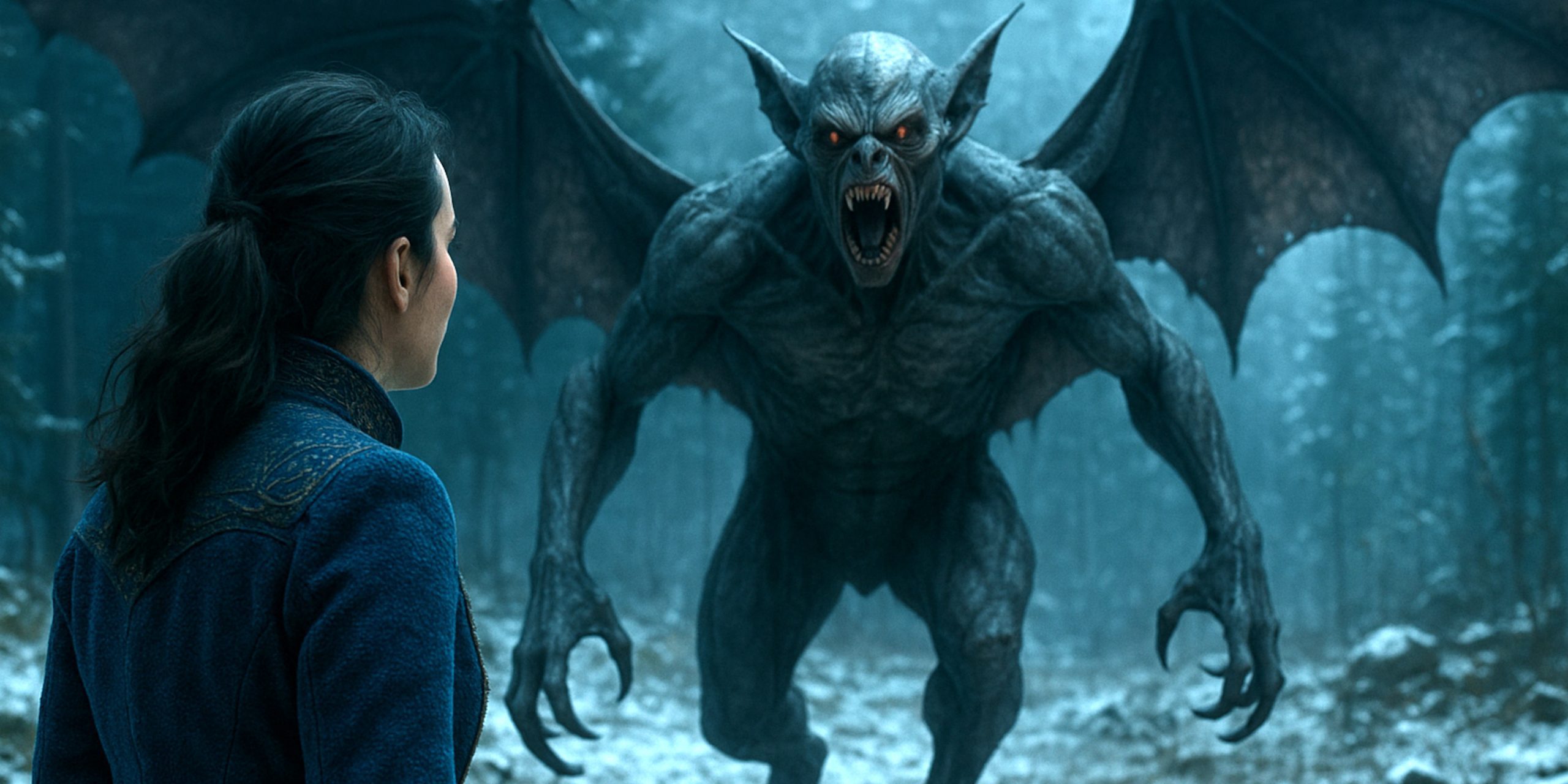
Volcra are the winged horrors you meet the moment someone makes the terrible decision to fly or sail through the Fold without proper Grisha protection.
They are twisted remnants of humans transformed by Aleksander’s original creation of the Fold. This twist in their origin makes them tragic as well as terrifying, something the show hints at whenever you catch glimpses of their almost human silhouettes under the wings and claws.
What stands out most is how the Volcra hunt. They track movement first, then sound, which means the Fold has its own version of that game where everyone tells you to stay completely still. Except here the forfeit is becoming Volcra dinner.
Morozova’s Creatures and the Myth of Amplifiers
Shadow and Bone loves a good legend, especially when it hides a bit of truth behind the dramatic storytelling people pass around taverns. Morozova’s amplifiers are a great example. They are creatures tied to the ancient art of boosting Grisha power, and everyone talks about them like they are fairy tales until one suddenly shows up in the snow.
Each amplifier carries its own story.
The Stag
A creature associated with purity, sacrifice and enough raw power to turn a regular Grisha into someone capable of rewriting a battlefield. The antlers are the heart of its mythology, holding the idea that true strength comes from compassion, which might be the most anti Darkling sentiment possible.
The Sea Whip
A serpent like being that moves through water with a level of elegance I could only dream of. Its legend sits halfway between myth and sailor gossip, but its scales hold power that resonates intensely with those attuned to water or transformation.
The Firebird
The creature everyone argues about because it exists in that cosy corner of folklore where history blurred into metaphor. Its myths speak of rebirth and unstoppable flame. When a creature is known for burning brighter after destruction, you start to see why people feared and revered it at the same time.
Nichevo’ya, the Monsters That Should Not Exist
When the Darkling creates Nichevo’ya, the series leans fully into horror. These creatures are formed from pure shadow, which already sounds questionable, and they behave like obedient hounds with too many teeth and a very flexible definition of personal space.
What I find eerie is that they are neither living nor dead. They are an extension of one man’s will, which makes them both powerful and fundamentally wrong. The way they ignore physical laws feels like a quiet reminder that magic in the Grishaverse has limits and someone really should stop testing where those limits end.
The Apparat and the Saintly Legends
While not a creature in the claws and wings sense, the Apparat moves through the story like a myth given human shape. He cultivates belief around Sankta Alina with the same care someone might use to grow a poisonous plant. The saints of the Grishaverse are interesting because their stories change depending on who tells them. Some are miracle workers, others are martyrs and a few feel suspiciously like exaggerated war heroes.
This blend of belief and fear shapes how regular people view Grisha power. My favourite part is how the show leans into this uncertainty. Legends matter as much as facts because people behave according to the stories they believe, even if those stories are half wrong.
Fjerdan Folklore and Its Beastly Influence
Fjerda has its own set of myths, usually cold, sharp and terrifying in a way that fits a place where winter seems to have squatters rights. Drüskelle talk about witches and monsters with a confidence that tells you they spent their childhood listening to a suspicious number of cautionary tales.
Their culture frames Grisha as unnatural beings, which says more about Fjerdan storytelling than it does about the Grisha themselves. Their myths blend religion and fear, creating an entirely different set of creatures that live mostly in the minds of those trained to hunt.
Shu Han Legends and the Edge of Scientific Myth
Shu Han lore brings a whole new flavour to the world. Their mythology intersects with science in a way that feels both experimental and unsettling. People often treat Shu legends as rumours until they come across inventions or anatomical experiments that make you rethink everything.
Their stories speak of creatures shaped by calculation rather than chaos. Some feel like engineered myths, carefully crafted to push boundaries. They form a reminder that monsters can be created not only by magic or shadow but by curiosity taken too far.
A Mythology with substance
Shadow and Bone does not treat mythology as decoration. Every creature either reflects some part of the world’s history or reshapes the characters’ choices. The Grishaverse builds itself through the tension between myth and reality, asking whether monsters are born from magic, mistakes or the stories people keep repeating.
As someone who grew up collecting random folklore books for fun, I appreciate how the show treats myths with respect and mischief at the same time. You never quite know whether you are watching a legend unfold or a warning come true, and that uncertainty makes the world feel alive.