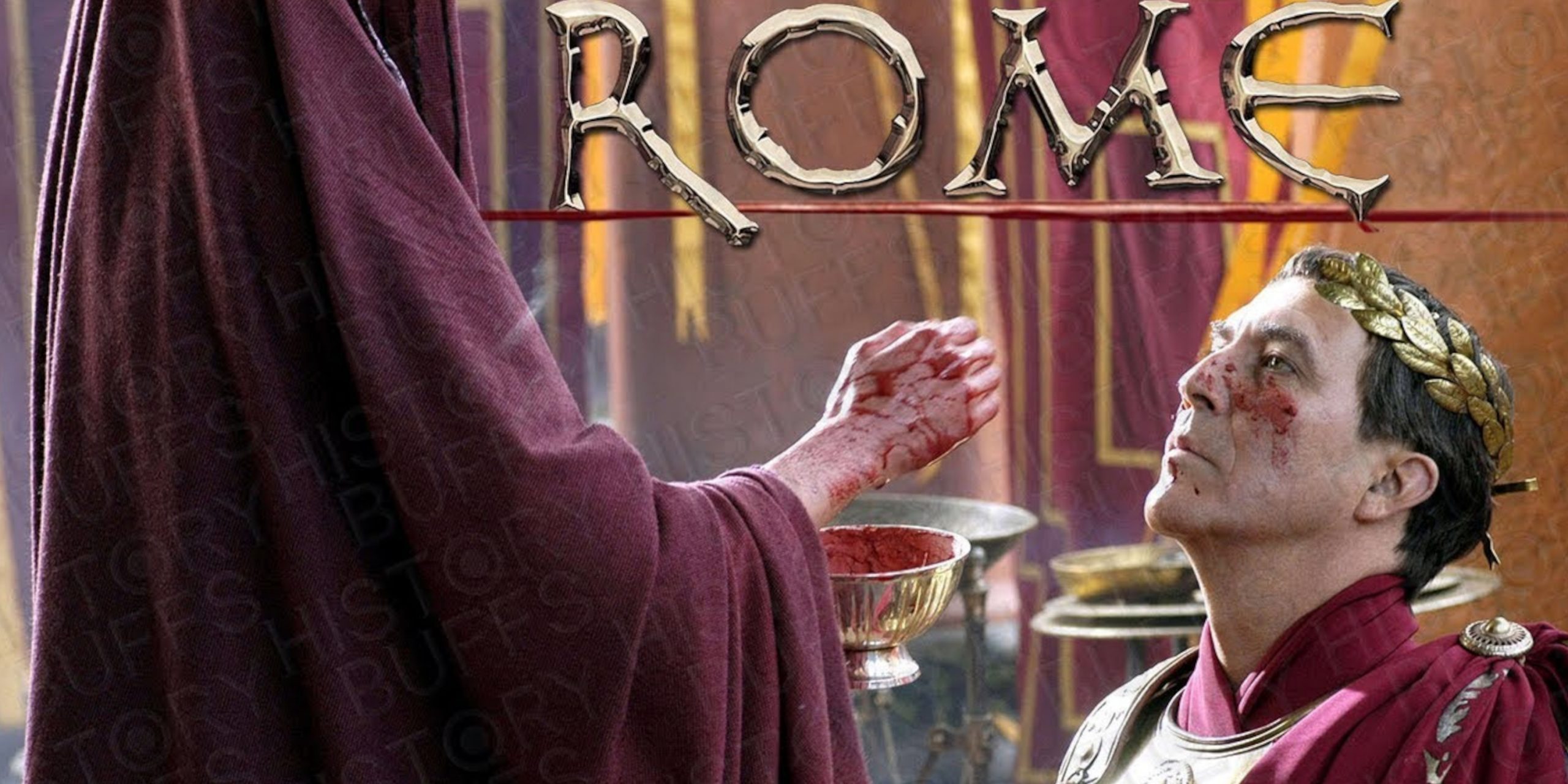
One of the quiet pleasures of Rome is how often the gods are in the room, even when no one is looking at them. Not as thunderbolts or glowing visions, but as habits, anxieties, and rituals that shape how people think and act. The series treats Roman religion as something lived rather than preached. It is messy, practical, and occasionally absurd. That approach ends up feeling far closer to the ancient mindset than any speech about belief ever could.
Roman Religion as Daily Routine
Religion in Rome rarely arrives with ceremony. It lives in corners of kitchens, in muttered prayers before risky decisions, and in the slightly panicked glance toward the heavens when something feels off.
Focus points:
- Household shrines to the Lares and Penates appear as normal furniture, not sacred museum pieces.
- Characters pray for success, safety, or forgiveness with the same tone they might use to haggle in the market.
- Rituals are transactional. You give the gods respect and offerings, they hopefully keep the world from collapsing today.
This matches what we know of Roman practice. Piety was about correctness, not inner conviction. Do the ritual properly and the gods are obliged to listen, at least in theory.
Fate and the Sense of the Inevitable
The show leans hard into the Roman idea that fate exists, but it is vague and deeply inconvenient. Characters feel it pressing in around them, even when they refuse to name it.
Focus points:
- Omens and dreams are taken seriously, but rarely understood in the moment.
- Characters often act to avoid fate, only to walk directly into it.
- There is no comforting sense of destiny. Fate in Rome feels more like a trap than a promise.
This works because Roman fatalism was not passive. People believed fate was real, yet still fought it with prayer, sacrifice, and stubborn action. The tension between effort and inevitability sits at the heart of the series.
Omens, Portents, and Bad Signs Everywhere
If Rome teaches one lesson, it is this: ignore a bad omen at your peril. The streets are full of signs, and no one ever seems entirely sure what they mean.
Focus points:
- Sacrifices gone wrong spark genuine fear, not mild superstition.
- Unusual natural events provoke immediate religious interpretation.
- Political decisions are often justified or delayed because the gods have not yet given a clear answer.
The show resists making omens look silly. Even sceptical characters treat them as factors that must be managed. That uncertainty feels historically honest and dramatically useful.
Gods and Power Politics
Religion in Rome is inseparable from authority. Public piety becomes a performance, and the gods are regularly invited to endorse political ambition.
Focus points:
- Leaders use religious language to legitimise their actions.
- Public rituals double as propaganda.
- Accusations of impiety become political weapons.
This reflects the Roman world, where religion and state were fused. Ignoring the gods was not just risky, it was antisocial. The series understands that faith could be sincere and cynical at the same time.
Personal Belief Versus Public Performance
What Rome does particularly well is show how private belief often clashes with public expectation. Characters might privately doubt, fear, or bargain with the gods, while publicly performing confidence and ritual precision.
Focus points:
- Soldiers pray out of habit, fear, and hope rather than theology.
- Elite figures perform piety whether they believe deeply or not.
- Moments of crisis reveal how thin the line is between belief and desperation.
There is something refreshingly human in this. No one has all the answers, least of all the gods.
Why It Works So Well
The show never tells the audience what to believe. Instead, it lets religion sit in the background like weather. Sometimes it is ignored. Sometimes it ruins everything.
Focus points:
- The gods are never confirmed or denied, only felt.
- Religious practice shapes behaviour without explaining itself.
- The result feels grounded, unsettling, and oddly relatable.
It is also quietly funny. The gods are treated with respect, but not reverence in the modern sense. Sometimes the rituals feel profound. Sometimes they feel like bureaucracy with incense.
TFC Takeaway
Rome succeeds because it treats religion as the Romans did, not as abstract belief but as a system for navigating fear, power, and uncertainty. The gods may or may not be real within the world of the show, but their influence absolutely is. Fate looms, prayers are whispered, sacrifices fail, and history rolls on regardless. Watching it, you get the sense that everyone is trying to read the same cosmic rulebook, and no one is sure if they have the right edition.