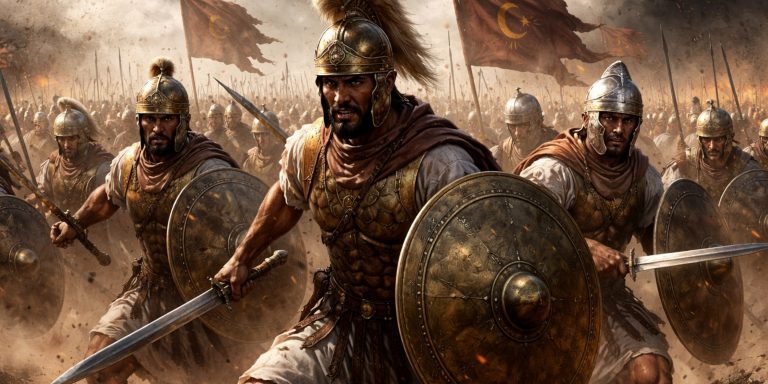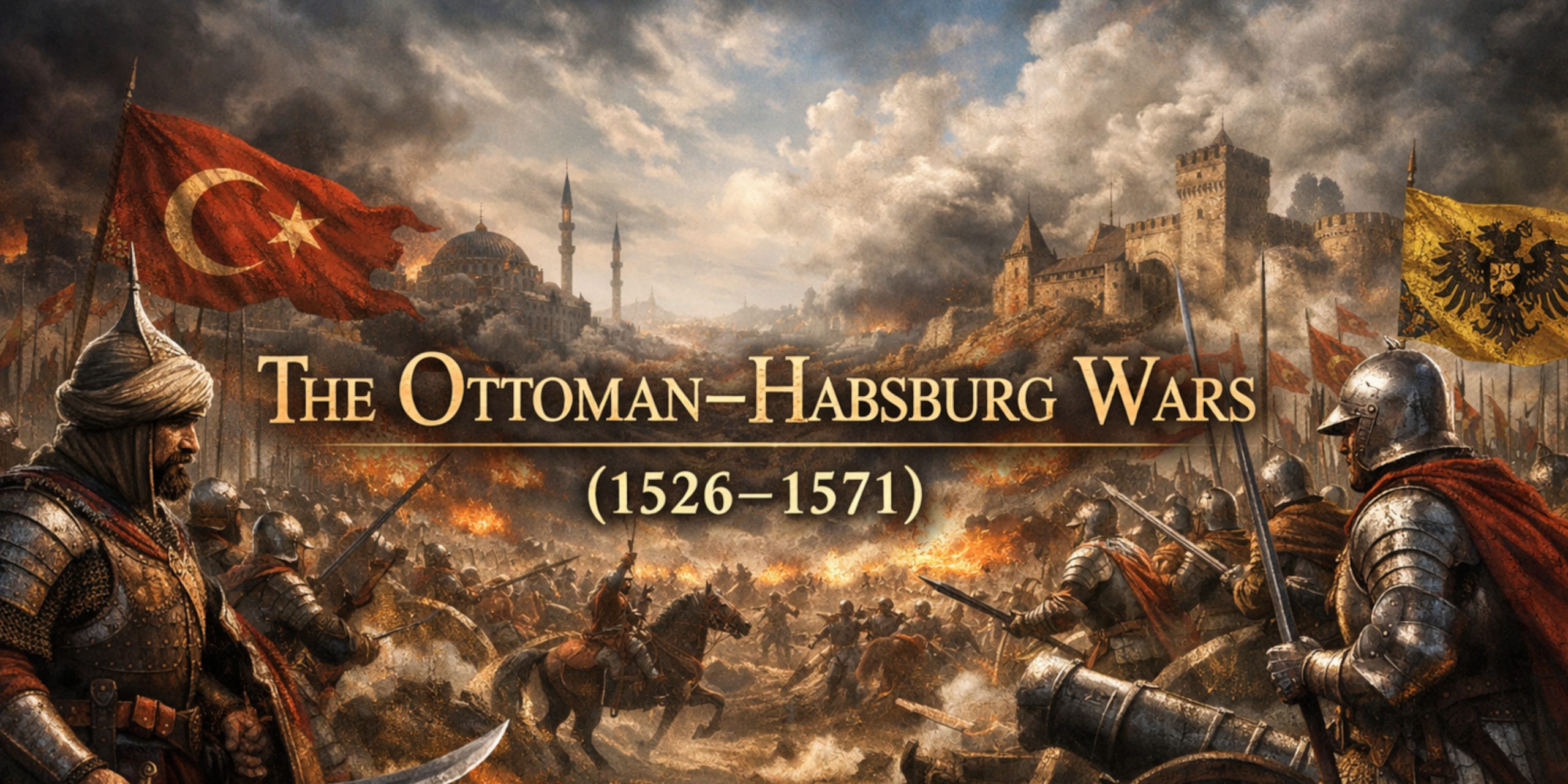
There are wars that reshape borders, and then there are wars that quietly grind them down over decades until the map looks entirely different. The Ottoman–Habsburg Wars (1526–1571) between the Ottoman Empire and the Habsburgs sits firmly in the second category.
From the wreckage of Hungary after 1526 to the uneasy settlements of the later sixteenth century, this was less a single war and more a prolonged test of endurance. Fortresses fell, were retaken, then fell again. Armies marched with great ceremony and often achieved very little beyond exhaustion.
As a historian, I find it oddly compelling. There is something very human about two great powers insisting on settling matters through repeated sieges, only to arrive at a stalemate they could have agreed upon years earlier.
Background and Causes
The conflict began in earnest after the catastrophic defeat of Hungary at the Battle of Mohács in 1526. The Hungarian crown fractured, creating a political vacuum that both the Ottomans and the Habsburgs were eager to fill.
The Ottomans, under Sultan Suleiman I, sought to extend their influence deep into Central Europe. The Habsburgs, led by Ferdinand I and later supported by Emperor Charles V, aimed to secure Hungary as a buffer against further Ottoman expansion.
This was not merely a territorial dispute. It was a contest between two imperial systems, each convinced of its legitimacy and neither inclined to compromise.
The Political Landscape of Hungary
Hungary became the central battleground and, frankly, the principal victim.
The kingdom split into three parts:
- Royal Hungary under Habsburg control
- Ottoman Hungary directly administered by the empire
- The Principality of Transylvania, semi-independent but often aligned with the Ottomans
This arrangement satisfied no one completely, yet persisted for decades, which tells you everything about the limits of both empires.
Key Battles and Campaigns
Battle of Mohács (1526)
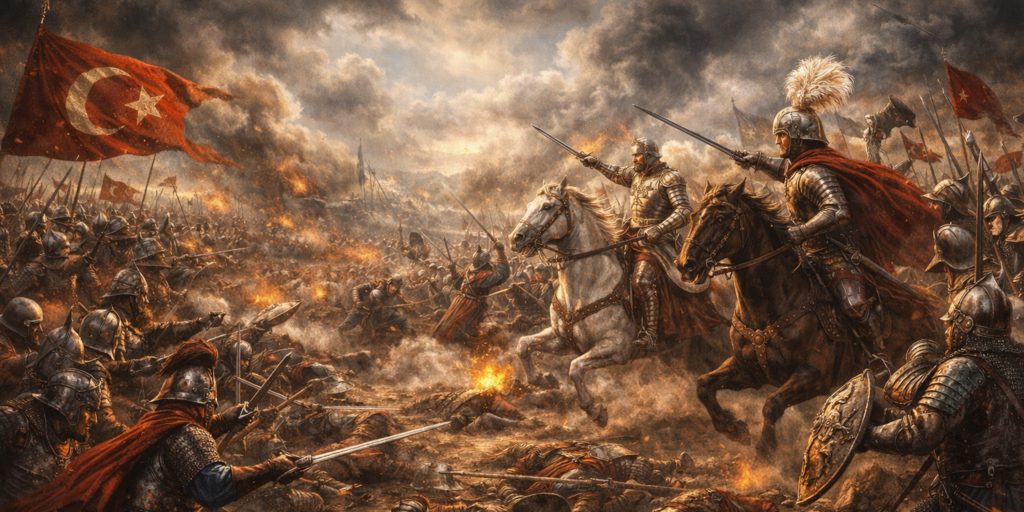
The Hungarian army was decisively defeated by Suleiman’s forces. King Louis II was killed during the retreat, which rather neatly ended any hope of organised resistance.
Contemporary accounts suggest the battle was swift and brutal. One chronicler noted that the Hungarian army was “cut down as grass before the scythe.”
Siege of Vienna (1529)
Suleiman advanced to Vienna, the symbolic heart of Habsburg power in the region. The siege ultimately failed, due in part to weather, supply issues, and stubborn resistance.
A defender reportedly wrote that the Ottomans “came like a storm, yet lingered like a weary traveller,” which feels both poetic and faintly smug.
Campaigns in Hungary (1530s–1550s)
The war settled into a pattern of sieges and counter-sieges:
- Ottoman capture of Buda in 1541
- Repeated clashes along fortified frontiers
- Defence of key strongholds such as Eger in 1552
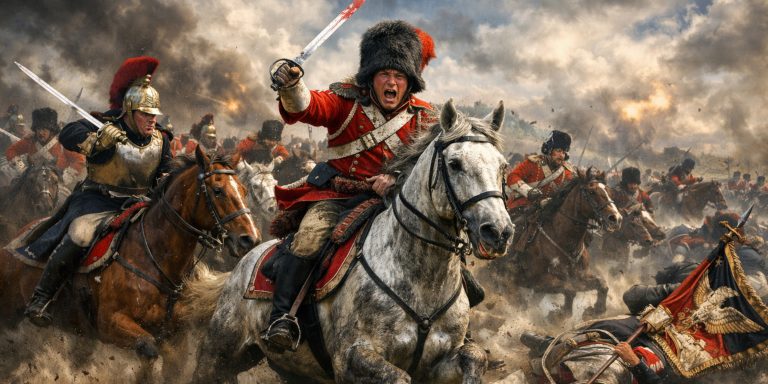
The frontier became a military landscape of castles, garrisons, and constant skirmishing. It was less a clean war and more a long argument conducted with artillery.
The Long War in Miniature
Even before the later Long War of the 1590s, this period had already established the rhythm:
- Advance, besiege, withdraw
- Negotiate, break truce, repeat
Neither side could deliver a decisive blow, though both insisted on trying.
Mediterranean Theatre and the Battle of Lepanto (1571)
While the land war dragged on, the conflict extended into the Mediterranean. The naval Battle of Lepanto saw a coalition of Christian states defeat the Ottoman fleet.
Though often treated as a turning point, its strategic impact was limited. The Ottomans rebuilt their fleet remarkably quickly, which must have been rather irritating for their opponents.
Arms and Warfare
Both sides deployed sophisticated military systems:
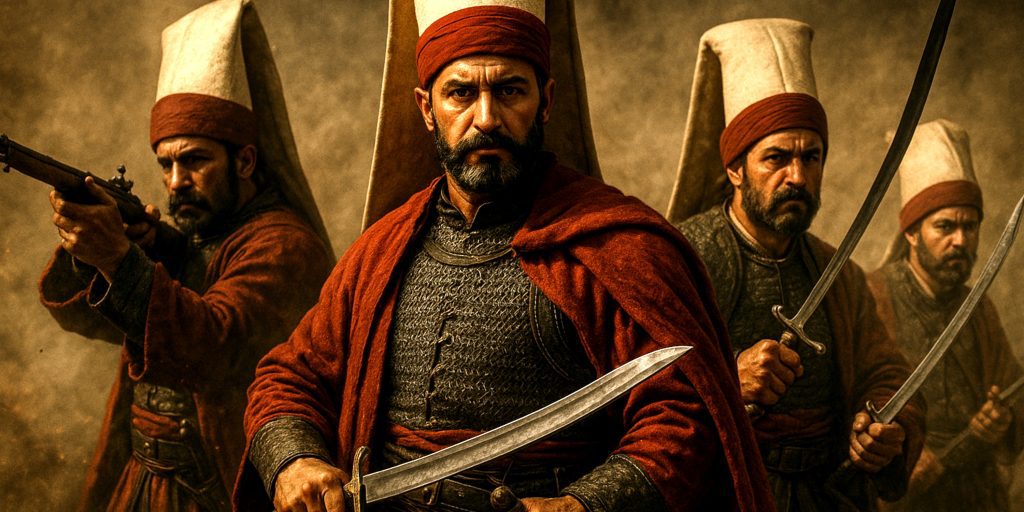
Ottoman forces
- Janissaries armed with early firearms
- Heavy use of artillery in sieges
- Sipahi cavalry for mobility
Habsburg and allied forces
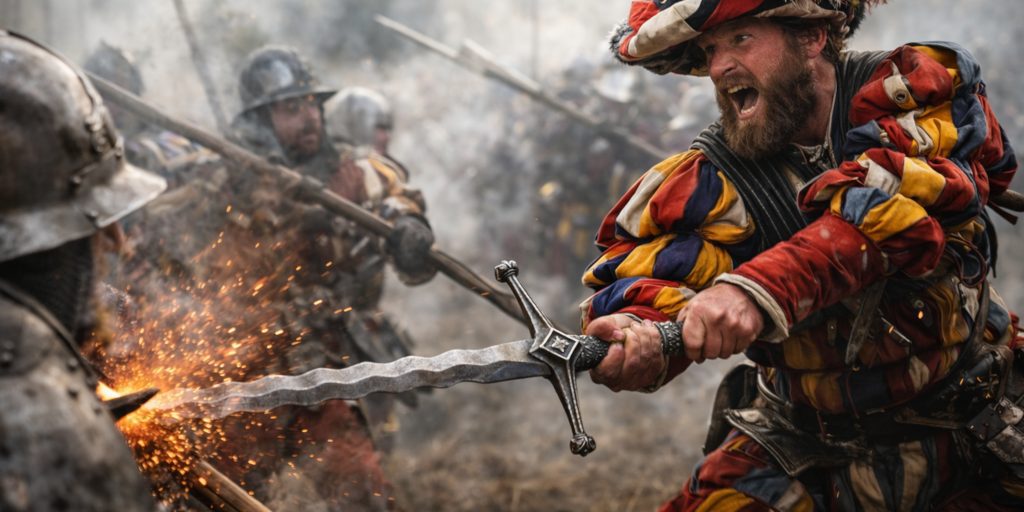
- Landsknecht infantry with pikes and arquebuses
- Fortified defensive networks
- Increasing reliance on gunpowder weapons
This was a transitional period. Medieval traditions lingered, yet gunpowder was steadily rewriting the rules.
Archaeology and Material Evidence
Archaeology has filled in details that written sources often gloss over.
Excavations in Hungary and Austria have revealed:
- Cannonballs embedded in fortress walls
- Remains of siege works and trenches
- Personal items from soldiers, including weapons and coins
Sites such as Buda and Eger offer tangible evidence of prolonged conflict. You can still see the scars in the stone, which is a more reliable witness than many contemporary accounts.
Contemporary Quotes and Perspectives
The voices of the period capture both fear and admiration.
A European observer described the Ottoman army as
“disciplined beyond measure, advancing with a silence that unnerves the soul.”
An Ottoman chronicler, in turn, wrote of the Habsburg defenders
“they cling to their walls like barnacles to rock, stubborn and unmoving.”
Neither side lacked respect for the other, even if they would have preferred that respect to be expressed at a safe distance.
Outcome and Legacy
By 1571, the conflict had not produced a clear victor.
Instead, it resulted in:
- A divided Hungary
- A stabilised but heavily militarised frontier
- Continued rivalry that would flare again in later decades
The Ottomans secured significant territory, yet failed to break into Central Europe decisively. The Habsburgs held Vienna and parts of Hungary, though at considerable cost.
In practical terms, both sides achieved enough to claim success and too little to end the matter.
Takeaway
What strikes me most is not the scale of the battles, but the persistence of the struggle. Decades of campaigning produced a frontier that shifted only slightly, yet demanded enormous resources and lives.
It is tempting to look for a grand conclusion. There isn’t one here. Just a long contest, fought across plains and fortresses, where neither empire quite managed to prove its point.
History, as ever, is less tidy than we might like.