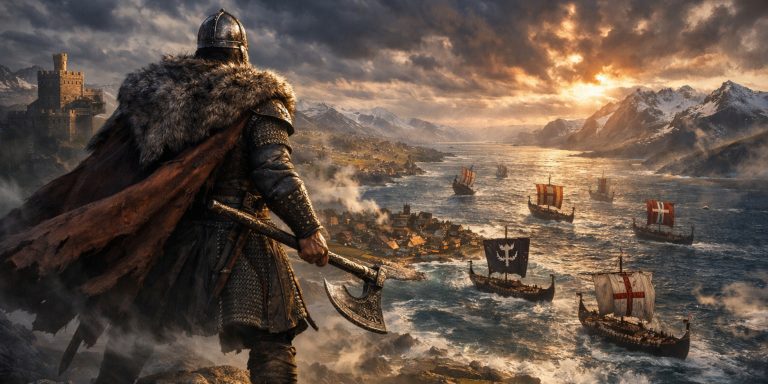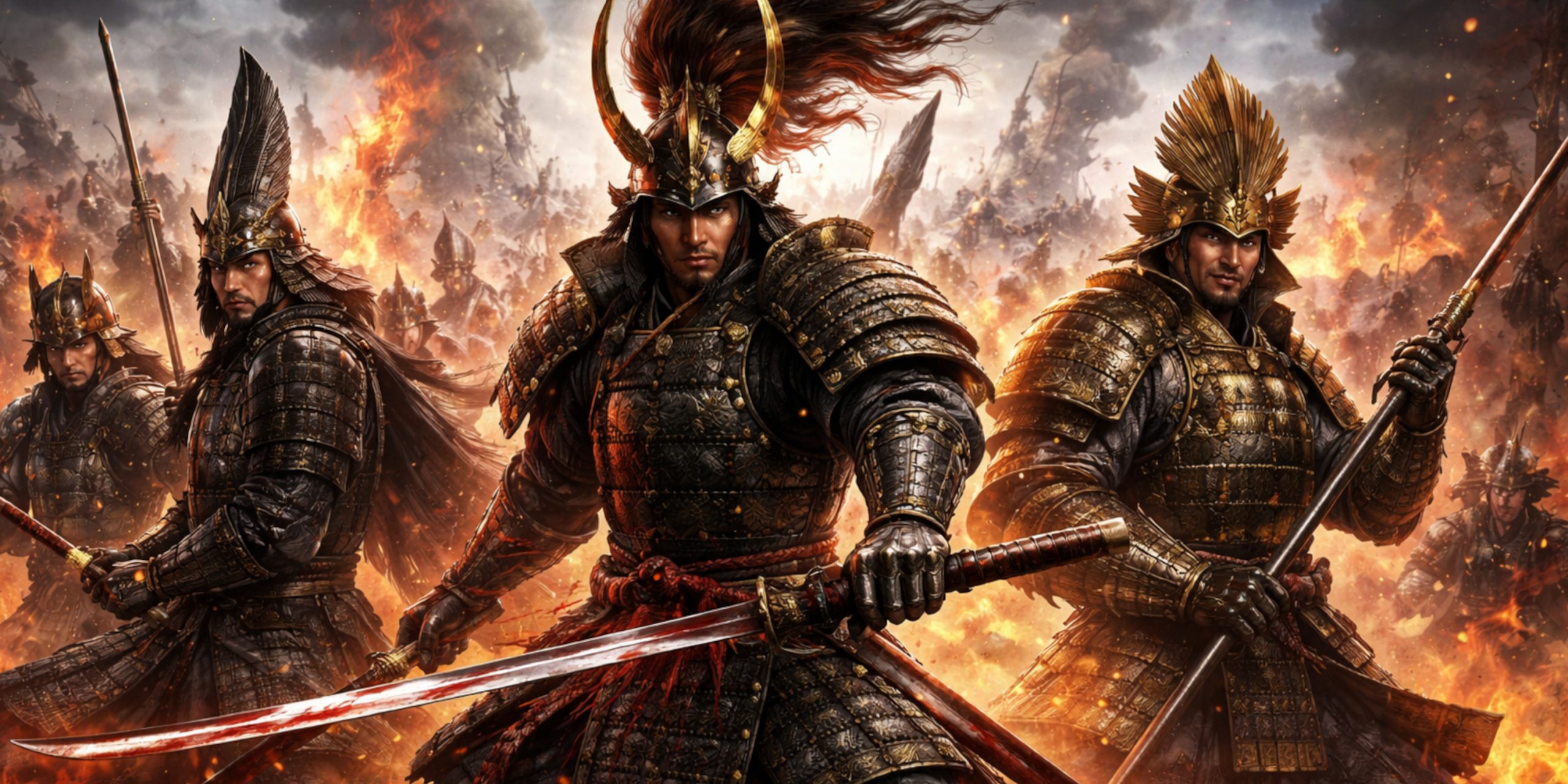
Nioh 2 wears its history proudly. Beneath the yokai chaos and spirit weapons sits a surprisingly faithful version of Sengoku Japan, one where real warlords, generals, monks, and schemers wander into your path and usually try to kill you. What makes it work is restraint. Team Ninja bends reality just enough to fit demons into the cracks of recorded history, rather than tearing the whole thing apart.
Playing it as a history nerd feels a bit like spotting familiar faces at a festival and realising they all brought swords.
The Sengoku Period in Plain English
The Sengoku period was Japan in a permanent bad mood. Daimyo fought endlessly, alliances lasted about as long as a good katana edge, and ambition usually ended with betrayal or decapitation. Nioh 2 uses this chaos as its backbone, letting yokai flourish wherever war and suffering pile up.
The game quietly respects the politics, timelines, and personalities of the era, even when it adds a horned demon to the room.
Oda Nobunaga, The Ruthless Unifier
Oda Nobunaga appears exactly as history remembers him, ambitious, terrifying, and allergic to tradition. He was the first major figure to seriously push Japan toward unification, embracing firearms, foreign ideas, and brutal efficiency.
Nioh 2 captures his personality well. This is not a noble hero type. He feels volatile, dangerous, and utterly convinced the future belongs to him. If anyone was going to coexist comfortably with demons, it was probably Nobunaga.
Tokugawa Ieyasu, The Patient Survivor
Tokugawa Ieyasu is the quiet opposite of Nobunaga. Where others burned fast, Ieyasu waited, endured setbacks, and outlived everyone who underestimated him.
Nioh 2 leans into that long game energy. He feels cautious, grounded, and almost dull at first glance, which is historically accurate and also how he ended up ruling Japan for over 250 years through the Tokugawa shogunate. Sometimes the most dangerous person in the room is the one not shouting.
Toyotomi Hideyoshi, From Nobody to Ruler
Toyotomi Hideyoshi is the ultimate glow up story. Born a peasant, rose through sheer talent and audacity, and finished what Nobunaga started by unifying Japan.
Nioh 2 portrays him as charismatic but unstable, which fits. His real life later years were marked by paranoia, disastrous invasions of Korea, and a growing obsession with legacy. In game, that instability feels amplified by supernatural forces rather than invented out of nowhere.
Akechi Mitsuhide, The Famous Betrayer
Akechi Mitsuhide is remembered almost entirely for one moment, betraying Nobunaga at Honnō-ji. History still argues over why he did it. Personal resentment, political calculation, or simple opportunity all remain on the table.
Nioh 2 gives him a darker, more tragic edge. The game frames betrayal as something that festers, nudged along by yokai influence. It feels less like a rewrite and more like a supernatural excuse layered onto an already suspicious act.
Saika Magoichi and the Gun Monks
Saika Magoichi represents the Saika Ikki, famous for their mastery of firearms. These were not traditional samurai elites but disciplined, well organised gun units who terrified cavalry charges.
Nioh 2 treats them with respect. Firearms are dangerous, disciplined, and utterly unsentimental. No romantic sword duels here, just efficient violence, which is exactly why Nobunaga wanted them crushed.
Mumyo and the Line Between Fiction and History
Mumyo is fictional, but she exists to bridge the gap between history and myth. Through her, the game comments on how ordinary people survive when titans clash around them. She grounds the narrative, keeping it from becoming a museum tour of famous names.
Her presence reminds you that Sengoku Japan was not just great men swinging power around, it was millions of lives caught underneath.
Why Nioh 2’s History Actually Works
What Nioh 2 gets right is tone. It does not turn historical figures into mascots or villains for convenience. Their ambitions, flaws, and decisions still drive events. Yokai simply exploit the consequences.
As someone who came in expecting loose inspiration and left impressed by the accuracy, it feels like a game that trusts its audience to enjoy real history, even when it adds claws and horns.