There are plenty of shows with ships, cannon smoke, and men shouting orders. Very few make you feel the weight of command while salt dries on your collar. Hornblower does that with a straight face and a quiet confidence. It trusts its audience to keep up, and it never apologises for being serious about the sea.
What follows is a case for why it still sits at the top of the mast, even decades later.
Broadcast Dates and Format
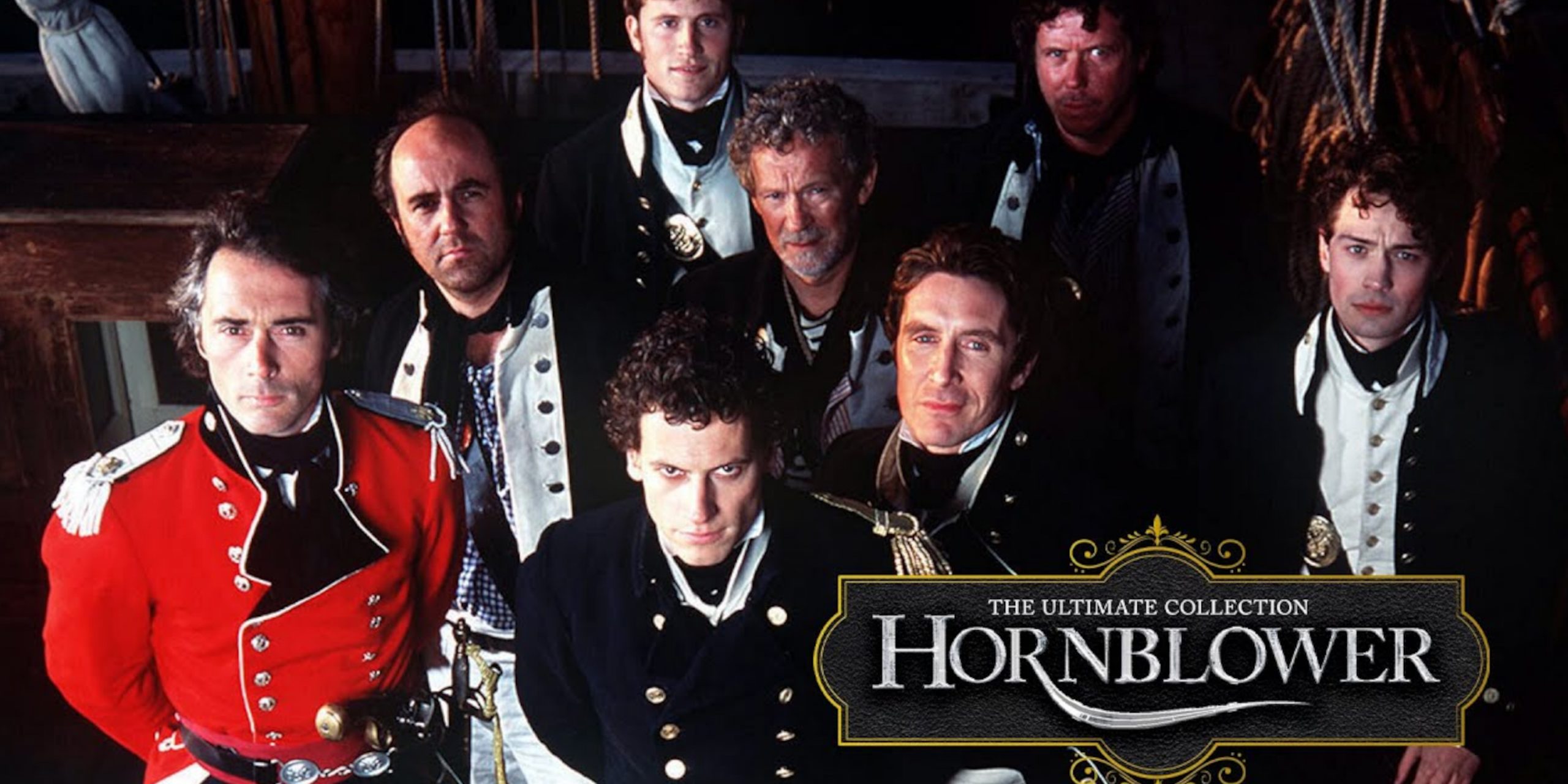
Hornblower aired between 1998 and 2003 on ITV in the UK. Rather than following a standard episodic format, the series was produced as eight feature length television films, each running roughly ninety minutes. That decision shaped the pacing. Stories had room to breathe, and character arcs were allowed to unfold without being rushed to a weekly cliff edge.
The episodes were released in cycles rather than annually, which helped maintain quality but also gave the show an almost mythic drip feed presence at the time. You waited for Hornblower. That anticipation mattered.
It Treats the Sea as the Main Character
Most naval dramas use the ocean as scenery. Hornblower uses it as pressure. Wind direction matters. Visibility matters. Fatigue matters. The show understands that the sea does not care about rank or bravery. It will expose weak judgement fast.
You feel this in the pacing. Long stretches of tension are allowed to breathe. Decisions are made with partial information, and sometimes they are simply wrong. That honesty gives the battles weight before a single gun fires.
A Protagonist Who Learns the Hard Way
Horatio Hornblower is not built to be liked at first glance. He is awkward, anxious, and socially stiff. That is the point. Command does not come naturally to him. It is earned through mistakes, self doubt, and grim reflection at three in the morning.
This is where the show quietly wins. Growth is slow. Confidence arrives unevenly. When Hornblower finally backs his own judgement, it feels deserved rather than scripted.
Battles That Value Brains Over Bombast
There are no flashy edits or heroic slow motion charges. Combat in Hornblower is about angles, timing, and nerve. Victory often comes from preparation or a single sharp decision made under pressure.
The series respects the intelligence of its viewers. You are expected to follow the tactics. If you do, the payoff is deeply satisfying. If you miss something, the consequences still make sense.
Historical Detail Without Showing Off
The world feels right because it is not explained to death. Uniforms are worn rather than paraded. Naval hierarchy is enforced casually and constantly. Discipline is not theatrical, it is routine.
This restraint comes from the source material by Hornblower. The adaptation keeps the bones of that realism intact, even when television budgets were tight. Nothing looks glossy. Everything looks used.
A Tone That Trusts Silence
Modern television loves noise. Hornblower is comfortable with quiet. Some of its best moments come when nothing is said at all. A look across the deck. A pause before giving an order. The sound of rigging creaking at night.
Those moments sell the loneliness of command better than any speech ever could.
Performances That Age Gracefully
Ioan Gruffudd carries the series with understatement. He never forces authority. He grows into it. Supporting characters are allowed their own edges and flaws, which prevents the world from revolving around a single hero.
Nobody feels like they wandered in from another genre. The cast understands the tone and sticks to it.
Why Nothing Has Properly Replaced It
There have been bigger budgets and louder productions since. Some look better on paper. Few feel as grounded. Hornblower succeeds because it knows what it is and refuses to chase trends.
It is patient television. It asks for attention and rewards it. That combination has become rare.
Seven Swords Takeaway
Hornblower remains unmatched because it understands that naval drama is not about ships winning battles. It is about people making decisions while isolated, responsible, and afraid of being wrong.
That tension never goes out of date.
Watch the trailer: