If Carthage had a backbone, it was not the famous elephants or the flamboyant Iberian swordsmen. It was the Libyan infantry. Reliable, disciplined, and often rather underappreciated, these men formed the steady core of Carthaginian armies across centuries of conflict.
They were not citizens of Carthage itself but subjects drawn from North Africa, especially modern Libya and Tunisia. That detail matters. These troops were expected to fight, pay tribute, and occasionally revolt when pushed too far. Carthage depended on them, which created a relationship that was effective in war and volatile in peace.
From Sicily to Italy, they marched under Carthaginian command, often holding the line while more colourful units took the glory.
Origins and Recruitment
The Libyan infantry were recruited from indigenous populations under Carthaginian control. They were not mercenaries in the same sense as Gauls or Iberians, though they were often paid and equipped by the state.
Their role developed over time:
- Early periods saw them fighting in looser formations with lighter equipment
- By the Punic Wars, many were equipped and drilled in a style closely resembling Greek hoplites
- Some units later adopted Roman-style equipment, especially after encounters in Italy
This adaptability is one of the more overlooked strengths of Carthaginian military organisation. Carthage did not cling to tradition for its own sake. It borrowed what worked.
Battlefield Role and Tactics
The Libyan infantry were usually deployed as heavy infantry. They provided stability in an army otherwise filled with varied troop types.
Typical battlefield functions included:
- Holding the centre of the line
- Anchoring flanks alongside cavalry or terrain
- Acting as a disciplined reserve
- Absorbing the shock of enemy charges
At battles such as Cannae, they played a quiet but essential role. While Hannibal’s centre deliberately gave ground, Libyan infantry on the wings held firm, then pivoted inward to envelop the Roman legions. It is the sort of manoeuvre that sounds simple until one remembers it required perfect timing under extreme pressure.
They were not flashy troops. They were the reason the plan worked.
Arms and Armour
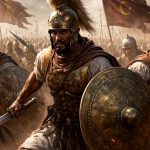
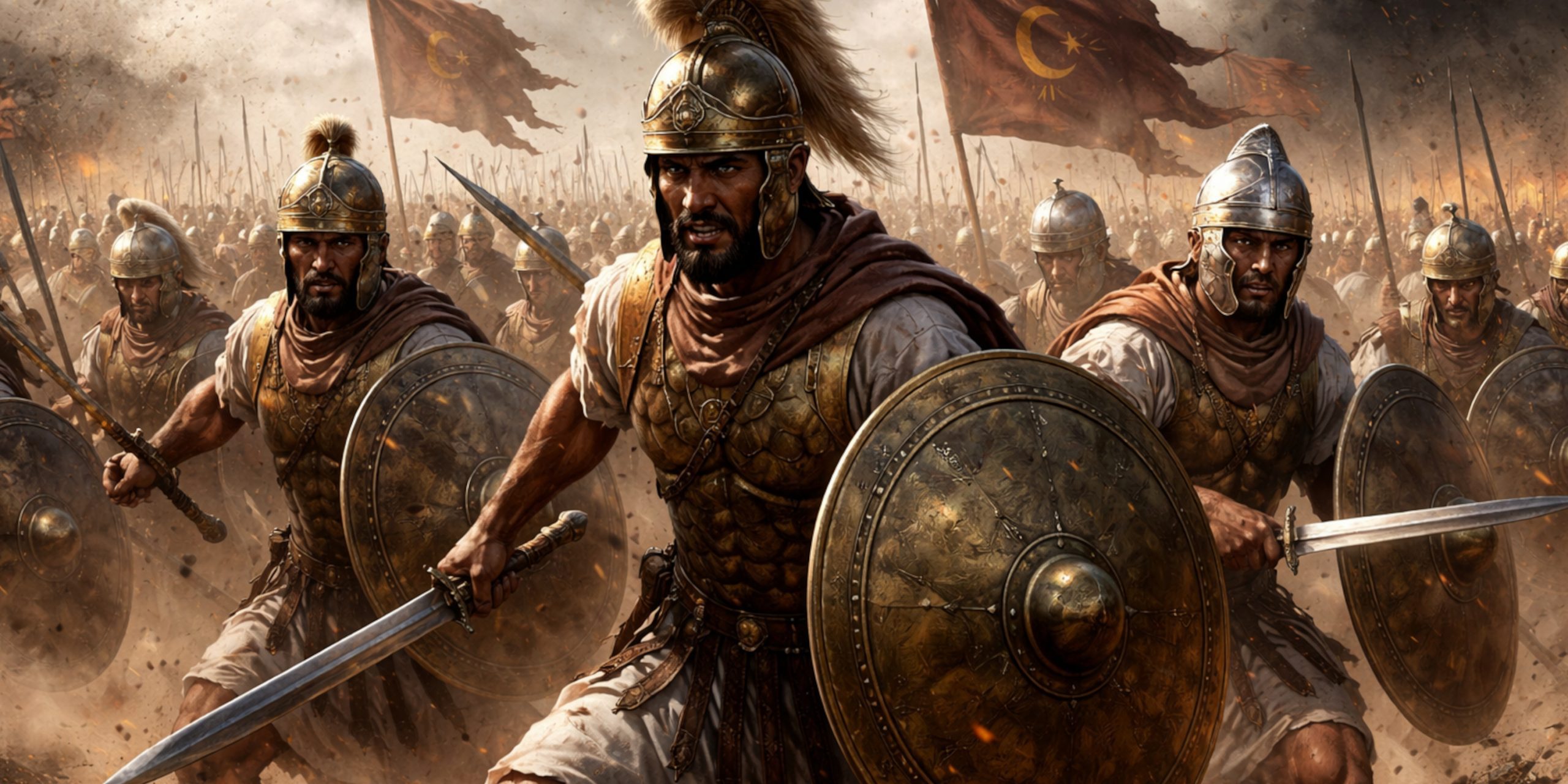
By the height of Carthaginian power, Libyan infantry were often equipped to a high standard, sometimes indistinguishable from Greek or even Roman heavy infantry.
Core Equipment
- Large round shield or hoplon-style shield
- Bronze or linen cuirass
- Helmet, often of Greek design such as Corinthian or Montefortino types
- Greaves for lower leg protection
Primary Weapons
- Spear: The main weapon, used in close formation
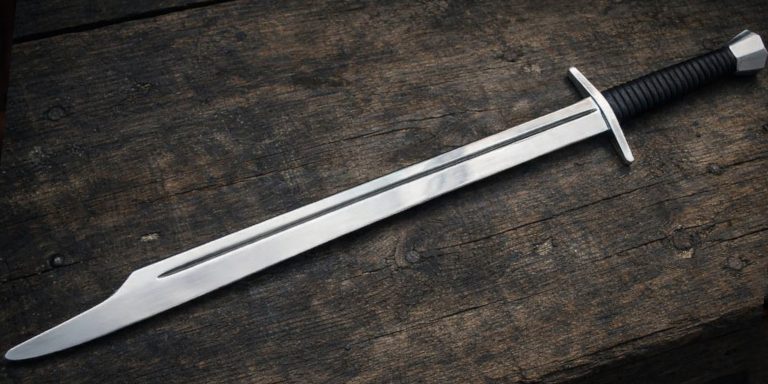
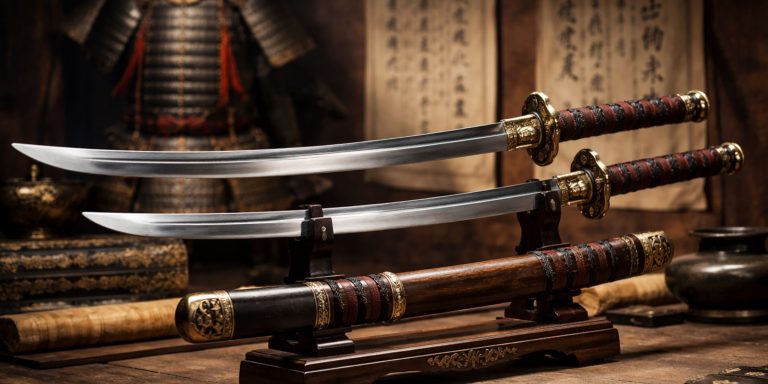
- Short sword: Secondary weapon for close combat
- Javelins: Sometimes carried for initial engagement
Sword Types Used
The exact sword types varied, reflecting Carthage’s habit of adopting foreign designs:
- Greek xiphos style short swords
- Iberian falcata or straight gladius Hispaniensis, especially later in the Punic Wars
- Local North African blades, likely simpler but functional
The adoption of Iberian swords is particularly telling. The Romans themselves would later adopt similar designs after facing them in battle. It seems everyone was quietly copying everyone else, which feels very human.
Organisation and Discipline
Ancient sources suggest that Libyan infantry were among the most disciplined troops in Carthaginian service.
They fought in close formation, likely influenced by Greek phalanx tactics:
- Tight ranks with overlapping shields
- Coordinated spear thrusts
- Strong emphasis on maintaining formation under pressure
Command was typically Carthaginian, though experienced Libyan officers likely existed within units. Their reliability made them a preferred choice for critical positions on the battlefield.
Role in the Punic Wars
During the wars against Rome, Libyan infantry became even more central.
At key engagements:
- Battle of Trebia: Supported cavalry and ambush tactics
- Battle of Lake Trasimene: Helped close the trap on Roman forces
- Battle of Cannae: Executed the decisive envelopment
Their ability to adapt to Roman tactics, and in some cases mirror them, made them especially dangerous. A Libyan infantryman in captured Roman equipment would have been difficult to distinguish at a glance, which must have been unsettling for the opposition.
Archaeology and Evidence
The archaeological record for Carthaginian armies is frustratingly uneven, which is a polite way of saying we often have to piece things together from scraps.
What we do have includes:
- Weapons and armour from North African sites such as Carthage itself
- Burial finds that suggest mixed equipment styles, including Greek and local influences
- Evidence of imported arms, confirming Carthage’s extensive trade networks
Greek-style helmets and shields found in North Africa support written accounts that Libyan infantry were equipped in a Hellenistic manner.
There is also indirect evidence from battlefields in Italy and Spain, though attribution is often uncertain. Identifying a “Libyan infantryman” from a pile of iron fragments is not straightforward.
Contemporary Accounts
Most of what we know comes from Greek and Roman historians, who observed Carthage from the outside. Their accounts are invaluable, though not always charitable.
The historian Polybius provides one of the clearest impressions of Carthaginian forces, noting their organisation and the effectiveness of their infantry.
“The Africans… fought with remarkable discipline and steadiness.”
Livy, writing from a Roman perspective, often emphasised the danger posed by Hannibal’s army as a whole, which included these Libyan troops at its core.
“No troops were more steadfast in holding their ground.”
One senses a grudging respect in these passages. The Romans did not enjoy admitting when something worked against them.
Strengths and Weaknesses
Strengths
- High discipline and cohesion
- Flexibility in adopting new equipment and tactics
- Strong defensive capability in formation fighting
- Reliable performance in complex manoeuvres
Weaknesses
- Dependent on Carthaginian command structure
- Potential for unrest due to political and economic pressures
- Less individually aggressive compared to some mercenary troops
The last point is not necessarily a flaw. In ancient warfare, staying in formation was often more valuable than heroic individual charges, however dramatic they looked in later retellings.
Legacy
The Libyan infantry represent a broader truth about Carthage. It was a state that thrived on integration, drawing strength from different peoples and traditions.
Their influence can be seen in:
- The blending of Greek and local military practices
- The evolution of Carthaginian armies into flexible, composite forces
- Indirect influence on Roman military development through battlefield encounters
They do not have the mythic reputation of Spartan hoplites or Roman legionaries. Perhaps they should. Without them, Carthage would have struggled to field a coherent army at all.
Takeaway
There is something quietly impressive about the Libyan infantry. They were not celebrated in poetry or immortalised in quite the same way as their enemies. They did not leave behind grand inscriptions boasting of victories.
What they did leave was a record of consistent, disciplined service across some of the most demanding campaigns of the ancient world.
And if one were to stand on the field at Cannae and look past the cavalry charges and dramatic encirclement, it is these men, holding formation and waiting for the right moment, who would likely catch the historian’s eye.