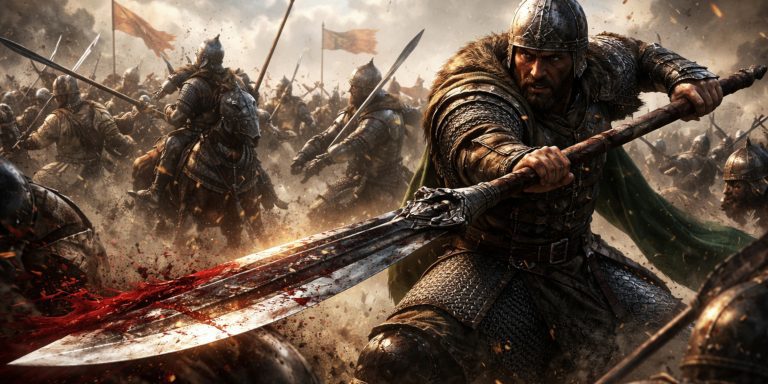
Sword combat in games has quietly become one of the most satisfying mechanics in modern gaming. It is no longer just button mashing and flashy spins. Timing matters, weight matters, and in some cases, one mistake ends the fight.
This guide focuses on games where swords actually feel like swords. Some lean into realism, others into spectacle, but all of them understand that a blade should carry consequence.
What Makes a Great Sword Combat Game
The best sword combat systems tend to share a few traits:
- Weight and impact that feels earned
- Timing and directional control rather than spam
- Risk, mistakes are punished
- Animation that sells intent
- Enemies that react rather than stand still
If a system gets even three of these right, it is usually worth your time. If it gets all five, you stop noticing the clock entirely.
Mount and Blade II Bannerlord
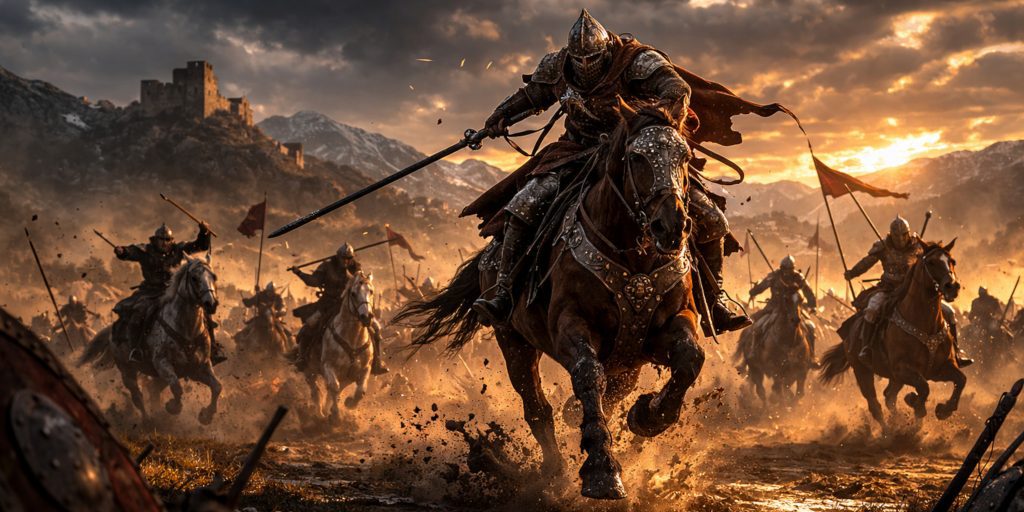
A battlefield simulator disguised as an RPG. Sword combat sits in the middle of chaos where positioning matters as much as skill.
You are not duelling, you are surviving.
Where to Play
- PC
- PlayStation 5
- Xbox Series X and Series S
Systems
- Directional attacks and blocks
- Mounted and infantry combat integration
- Large scale battles with hundreds of AI units
- Physics driven hit detection
Critical Reception
Generally praised for scale and freedom, though still criticised for rough edges and AI quirks. It is one of those games where ambition slightly outruns polish, but most players forgive it because nothing else does this at the same scale.
Kingdom Come Deliverance
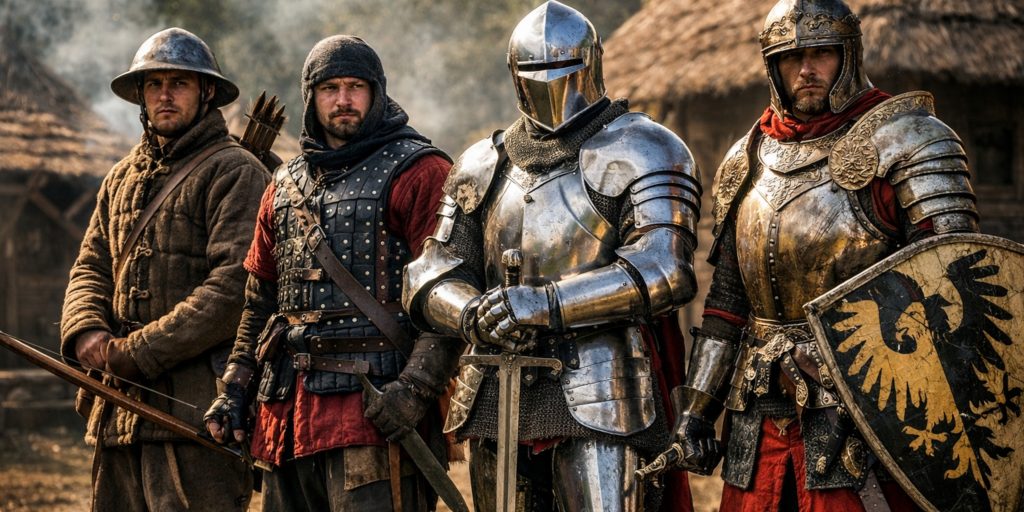
A stubborn commitment to realism. Combat feels awkward until it does not, then suddenly everything clicks.
Where to Play
- PC
- PlayStation 4 and 5
- Xbox One and Series X and S
Systems
- Directional combat wheel
- Stamina and injury management
- Armour layering and realistic damage
- Skill progression tied to actual use
Critical Reception
Widely respected for realism and immersion, though some players bounce off the difficulty early on. Those who stay tend to rate it very highly.
Chivalry 2
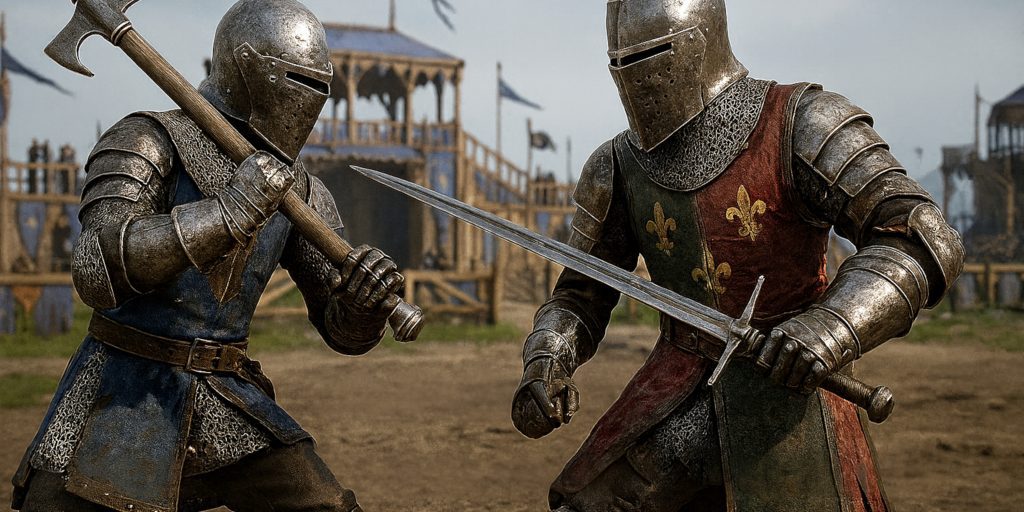
Loud, chaotic, and far more thoughtful than it looks at first glance.
Where to Play
- PC
- PlayStation 4 and 5
- Xbox One and Series X and S
Systems
- Timing based counters and feints
- Team based large scale battles
- Class system with varied weapons
- Environmental interactions
Critical Reception
Strong reception for accessibility and fun factor. Some criticism around balance and matchmaking, but overall seen as one of the best multiplayer melee games available.
Mordhau

Precision over forgiveness. A system that rewards practice and punishes guesswork.
Where to Play
- PC
Systems
- Advanced feint and timing mechanics
- Highly customisable loadouts
- Physics influenced strikes
- Competitive duelling focus
Critical Reception
Praised for depth and control, but often noted as difficult for new players to enter. A game that expects commitment.
Nioh 3
Fast, technical, and unapologetically demanding. Combat rewards control and punishes hesitation.
Where to Play
- PlayStation 5
- PC
Systems
- Stance switching for attack variation
- Ki management controlling stamina flow
- Precise parry and counter timing
- Build variety through weapons and skills
Critical Reception
Early reception highlights refined combat and strong mechanical depth. Some players find it overwhelming, but fans of the series see it as a confident evolution rather than a reinvention.
Elden Ring

A blend of exploration and precise combat where every swing still matters.
Where to Play
- PC
- PlayStation 4 and 5
- Xbox One and Series X and S
Systems
- Stamina based combat
- Weapon scaling and build diversity
- Dodge timing and spacing
- Open world encounter design
Critical Reception
Critically acclaimed across the board. Often cited as one of the defining games of its generation, with combat that balances accessibility and depth.
For Honor

A system built entirely around duelling psychology.
Where to Play
- PC
- PlayStation 4 and 5
- Xbox One and Series X and S
Systems
- Directional guard system
- Hero specific movesets
- Competitive multiplayer modes
- Reaction based combat flow
Critical Reception
Initially mixed, later improved significantly through updates. Now recognised for its unique combat system and long term support.
Ghost of Tsushima
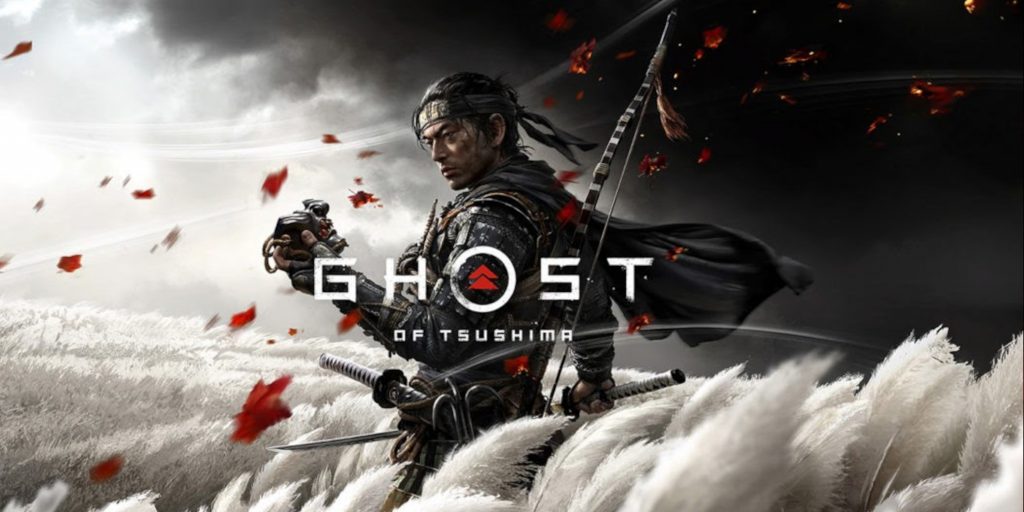
Clean, cinematic, and satisfying without feeling shallow.
Where to Play
- PlayStation 4 and 5
Systems
- Stance switching for enemy types
- Timing based parries and counters
- Fluid animation driven combat
- Stealth and open combat balance
Critical Reception
Highly praised for presentation and polish. Some criticism for repetition, but combat remains a standout strength.
Lies of P
Tight, reactive, and focused on perfect timing.
Where to Play
- PC
- PlayStation 4 and 5
- Xbox One and Series X and S
Systems
- Perfect guard mechanic
- Weapon assembly system
- Stamina and timing focus
- Linear encounter design
Critical Reception
Surprisingly strong reception, often praised for its combat precision and atmosphere. A standout among newer Soulslike titles.
Sekiro Shadows Die Twice
Relentless, precise, and built entirely around pressure.
Where to Play
- PC
- PlayStation 4
- Xbox One
Systems
- Posture system replacing traditional health pacing
- Deflection based combat
- Aggressive playstyle encouraged
- Minimal build variety, maximum mechanical focus
Critical Reception
Critically acclaimed and often described as one of the tightest combat systems ever designed. Not forgiving, but deeply rewarding.
Honourable Mentions Worth Your Time
- The Witcher 3: Wild Hunt
- Assassin’s Creed Mirage
- Hellish Quart
- The Elder Scrolls V: Skyrim with mods
Which One Should You Play
If realism matters most, Kingdom Come Deliverance is still the answer.
If you want scale, Bannerlord stands alone.
If you want technical mastery, Nioh 3 or Sekiro will keep you occupied for a long time.
If you want something cinematic, Ghost of Tsushima delivers without feeling shallow.
Takeaway
Sword combat has reached a point where developers are no longer chasing the same goal. Some aim for realism, others for spectacle, others for precision.
What matters is whether the system respects your time. The best ones do. They reward practice, punish carelessness, and occasionally make you feel like you actually know what you are doing.
Even if it took a few defeats to get there.