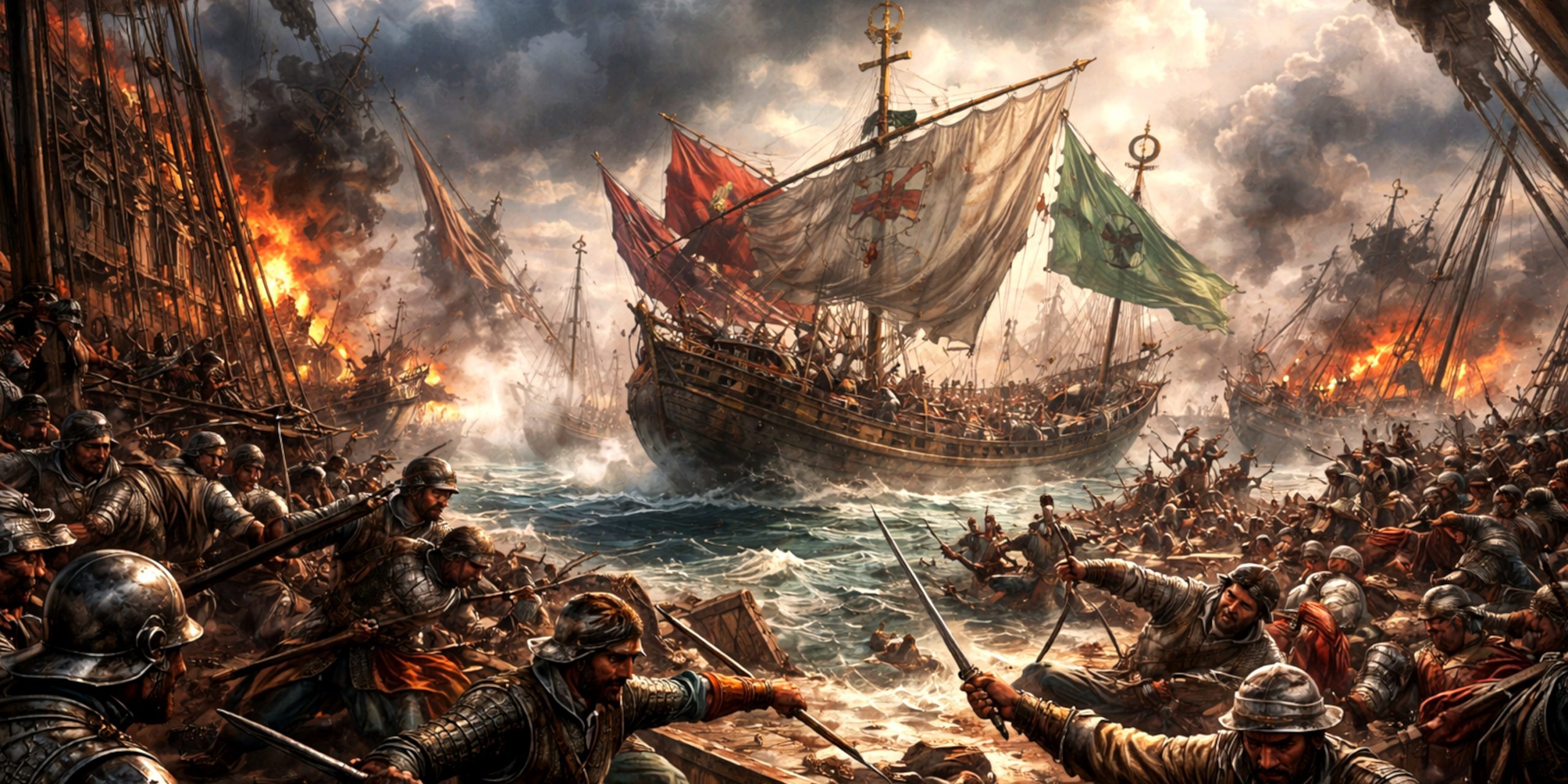
The Battle of Lepanto was fought on 7 October 1571 in the Gulf of Patras, off western Greece. It was a vast, brutal naval collision between the Holy League and the Ottoman Empire, and it remains one of the few battles where the sound of splintering oars mattered as much as cannon fire. For all the later mythology that clings to it, Lepanto was decided by discipline, gunnery, boarding actions, and the grim mathematics of manpower.
As a historian, I am always wary of battles that acquire reputations too neat for reality. Lepanto does not quite fit the legend, but it still deserves its place as a genuine turning point in Mediterranean warfare.
Background and Strategic Context
By the late sixteenth century, Ottoman naval power dominated the eastern Mediterranean. Cyprus had fallen in 1570, Venice was reeling, and Christian shipping was under constant threat. Pope Pius V brokered an uneasy alliance between Spain, Venice, the Papal States, and several Italian powers. This Holy League was less a brotherhood than a practical arrangement between rivals who disliked the Ottomans slightly more than each other.
The fleet was placed under the command of Don John of Austria, a young but capable leader with something to prove and a talent for surrounding himself with experienced professionals.
Foces
The Holy League
| Component | Approximate Strength |
|---|---|
| Galleys | 206 |
| Galleasses | 6 |
| Soldiers and marines | c. 28,000 |
| Sailors and oarsmen | c. 40,000 |
| Cannon | c. 1,800 |
The Ottoman Fleet
| Component | Approximate Strength |
|---|---|
| Galleys | 230 |
| Gallots | 50 |
| Soldiers and marines | c. 31,000 |
| Sailors and oarsmen | c. 41,000 |
| Cannon | c. 750 |
The disparity in artillery would prove decisive. Lepanto was not won by romantic charges but by sustained, organised firepower.
Commanders and Leadership
Holy League
- Don John of Austria, overall commander
- Sebastiano Venier, Venetian commander
- Marcantonio Colonna, Papal commander
- Álvaro de Bazán, commander of the reserve
Ottoman Empire
- Müezzinzade Ali Pasha, Kapudan Pasha
- Mehmed Siroco, commander of the right wing
- Uluç Ali Reis, commander of the left wing
Ali Pasha fought bravely but adhered to traditional galley tactics that no longer suited a battlefield thick with heavy guns. Uluç Ali Reis, by contrast, showed tactical flexibility and escaped with much of his squadron intact, which may explain why he lived to fight another day.
Arms and Armour
Naval Weapons and Protection
- Heavy bronze cannon mounted in the bows of galleys
- Arquebuses and muskets used by Spanish and Venetian infantry
- Crossbows still common among Ottoman troops
- Pikes and boarding axes for close combat
- Leather jerkins, mail shirts, and steel helmets among European troops
- Ottoman armour was lighter, favouring mobility over protection
Swords in Use
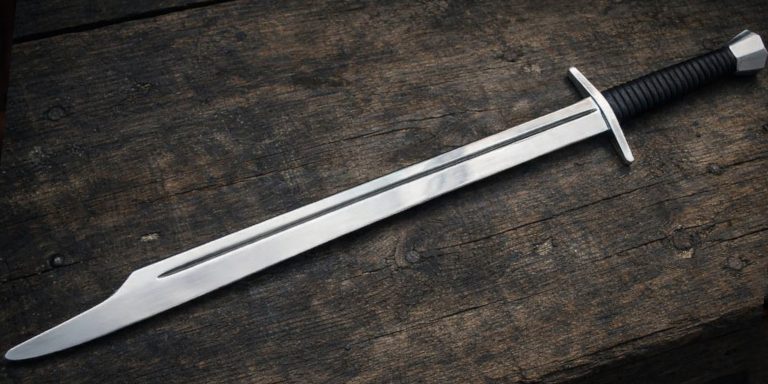
- Spanish cup hilt rapiers, often paired with bucklers
- Italian side swords, transitional weapons suited to both cut and thrust
- Venetian naval cutlasses, broad bladed and practical
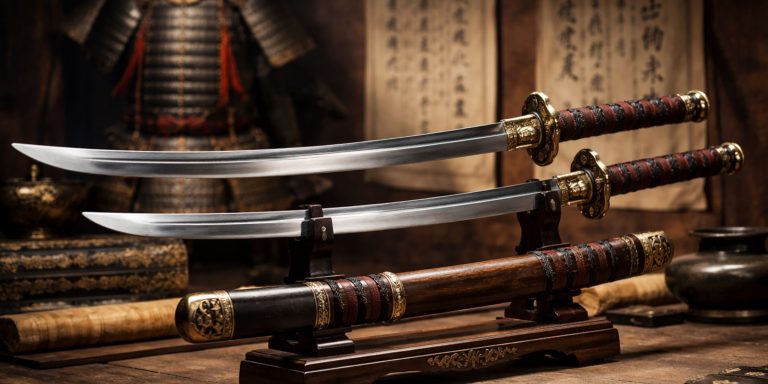
- Ottoman kilij, with a pronounced curve and yelman for powerful cuts
- Yatagan type short swords, particularly among marines and boarding parties
Sword fighting at Lepanto was messy, crowded, and fast. This was not a duelists’ battlefield. Blades were tools, not statements of style.
Battle Timeline
Early Morning
Both fleets form lines across the Gulf of Patras. The Holy League deploys its galleasses forward, an unorthodox choice that unsettles the Ottoman advance.
Mid Morning
Ottoman ships press forward and are hit hard by long range cannon fire. Several galleys are disabled before boarding can even begin.
Late Morning
The centre clashes. Don John’s flagship, Real, is boarded twice. Ali Pasha is killed, his head displayed on a pike, a detail that ended Ottoman morale rather more quickly than any sermon.
Early Afternoon
The Ottoman right wing collapses. Venetian and Spanish troops overwhelm enemy decks with disciplined musket volleys.
Mid Afternoon
Uluç Ali Reis breaks through the Christian line, captures several ships, then withdraws in good order.
Late Afternoon
The battle ends. Over 130 Ottoman ships are captured or sunk. The sea is thick with wreckage, bodies, and drifting oars.
Archaeology and Material Evidence
The seabed near Lepanto has yielded limited but telling material remains. Cannon, anchors, and scattered shot have been recovered, often dragged up accidentally by fishing nets rather than systematic excavation. More substantial evidence survives in museums, including:
- Captured Ottoman banners preserved in Venice and Rome
- Naval artillery pieces bearing Venetian foundry marks
- Arms and armour associated with Lepanto, particularly swords attributed to Spanish officers
Unlike land battles, naval archaeology here is fragmentary. Wood rots, iron corrodes, and the sea is an unsentimental archivist.
Contemporary Voices
Miguel de Cervantes, wounded at Lepanto and permanently losing the use of his left hand, later wrote:
“The occasion that I lost my hand was the greatest that past or is to come, or can be imagined.”
Venetian chronicler Marino Sanuto recorded with characteristic restraint:
“Never was there seen so great a slaughter upon the sea.”
Ali Pasha, shortly before battle, reportedly told his officers:
“The sea knows who is master.”
On that day, it learned something new.
Consequences and Historical Significance
Lepanto did not destroy Ottoman naval power. Within a year, the fleet was rebuilt. What it did destroy was the illusion of Ottoman invincibility at sea. It also confirmed that the future belonged to artillery heavy warships and disciplined infantry, not just skilled oarsmen and courage.
For Venice, it was a moral victory more than a strategic one. For Spain, it was proof that its military system travelled well. For Europe, it became a story retold far more confidently than it was understood.
Dryly speaking, Lepanto is remembered less for what it achieved than for what it symbolised. Historians can live with that, so long as the details are not lost in the process.
Watch the documentary: