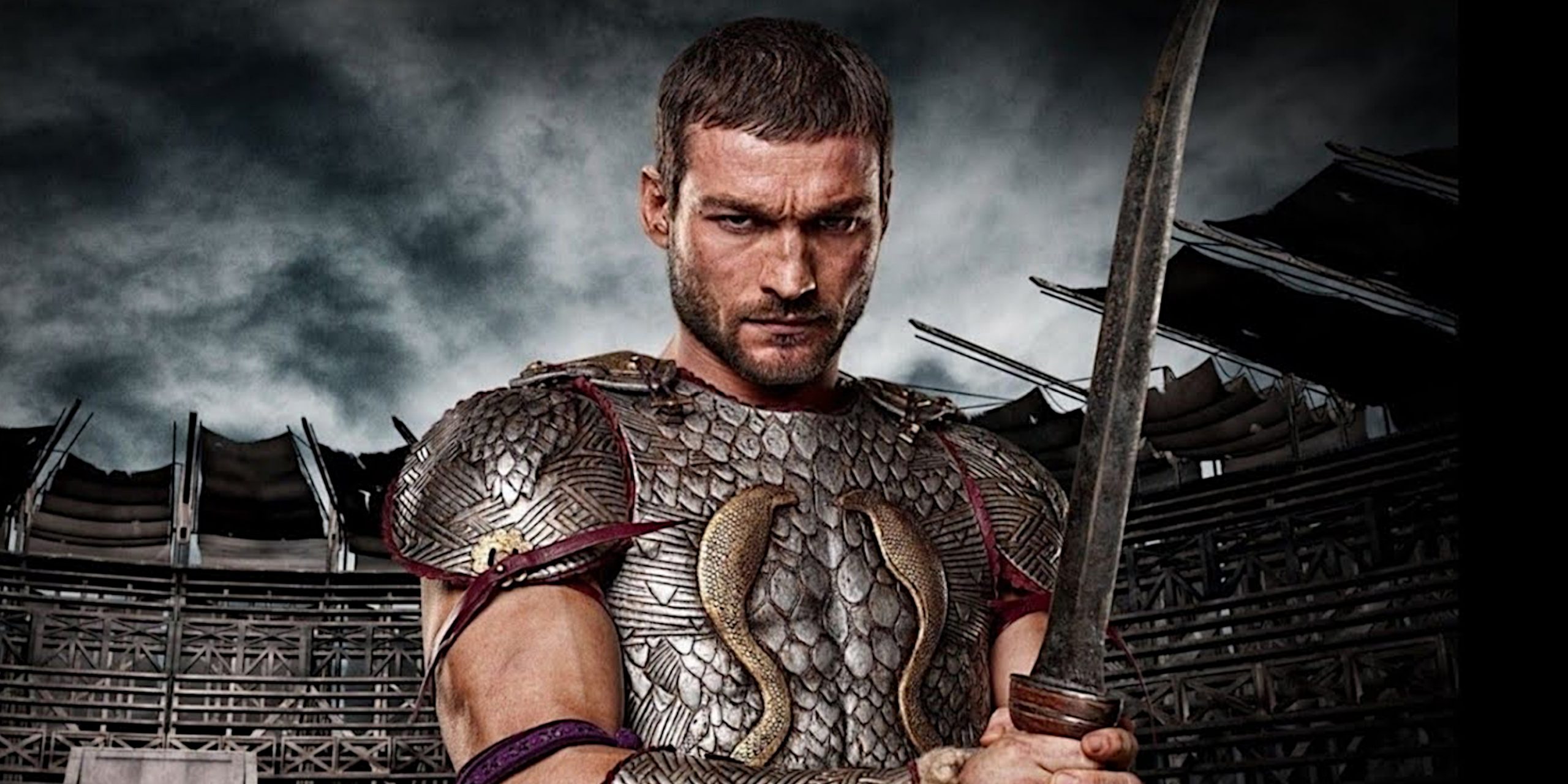
When people talk about the golden age of TV antiheroes, they usually mention the obvious stuff, but anyone who watched Spartacus in its early run knows that Andy Whitfield carved out something different. He stepped into a role that could easily have become loud, shallow and all muscle, then turned it into something that felt raw and human. I remember watching it and feeling slightly startled at how much heart he pulled out of a show built on sand, blood and political scheming.
His performance had this grounded tension. Spartacus is often imagined as a symbol of unstoppable rebellion, yet Whitfield played him as a man who wanted peace, who kept being dragged into conflict until there was no way back. That quieter core made the chaos around him feel bigger. It also made his victories matter. Even the small ones. Even the ones that barely kept him alive.
The Performance That Defined The Series
The entire first season balances on Whitfield’s ability to shift from bewildered newcomer to someone shaped by loss and injustice. He gave that arc an emotional rhythm that stopped the show from sinking into pure spectacle. He used silence better than most actors use speeches, especially in moments when Spartacus is calculating whether to obey, resist or simply survive.
People often point to the training yard scenes or the final uprising, but for me the real weight comes from the quieter exchanges. The lingering looks when the truth of his situation settles in. The frustration simmering behind his eyes. The sense that he is trying to hold onto any scrap of his old life while the arena pulls him into its own logic. Those moments built the emotional spine of the show.
Why His Spartacus Still Resonates
There is a reason his name still comes up whenever the series is discussed. It is not just nostalgia. His version of Spartacus feels honest. He played a man trying to work out what freedom even means after being stripped of it. That uncertainty made him feel relatable, even while he was swinging a sword in slow motion with half of Capua screaming at him.
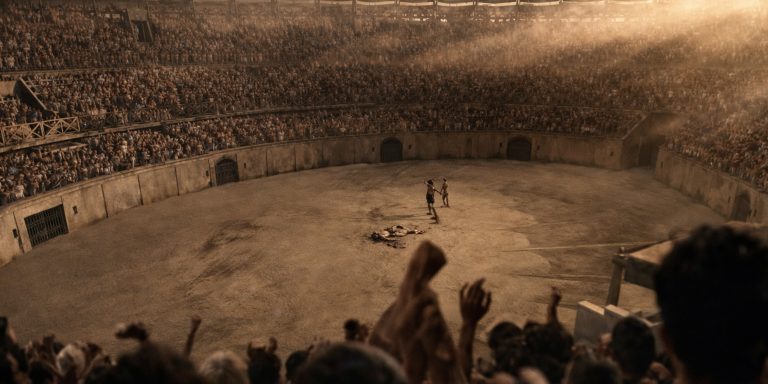
He also brought a kind of vulnerability that you do not often see in roles built around physical strength. The gladiatorial world of the show can easily swallow nuance, yet Whitfield managed to anchor it with genuine emotion. That balance is rare. You can rewatch scenes now and still feel the tension in every choice he makes.
The Impact Of His Passing
His death in 2011 hit the fanbase hard. It felt abrupt. It felt unfair. It reminded everyone that behind the armour and fight choreography stood someone who had poured everything into making the role feel alive. The fact that the show continued with a new lead is a reminder of how television works, but fans never stopped connecting the heart of Spartacus to Whitfield.
Even the cast and crew have spoken openly about how deeply he shaped the tone and identity of the series. His influence did not vanish when he left the screen. It stayed baked into the character and the world he built.
How The Fandom Keeps His Work Alive
Every time there is a social media thread about underrated performances, he appears. Every time someone stumbles on the show for the first time, they end up praising how much weight he carried in just one full season. It is oddly moving to see people discovering him more than a decade later, especially younger viewers who were too young to watch the series when it aired.
There is a kind of loyalty in the Spartacus fan community that keeps Whitfield’s version of the character preserved. Not in a frozen way, but in a living one. He set a tone. He proved that genre television can hit emotional depth without losing its intensity. Fans remember that.
Why His Legacy Matters Today
Looking back, Whitfield’s Spartacus stands out because he made the character more than a symbol. He let him be a person first. His performance still carries a sense of honesty that cuts through the heavy styling and dramatic flair of the show.
For a role built on rebellion, strength and defiance, he showed that the core of Spartacus was grief, hope and choice. That is why people still talk about him. That is why the show’s emotional foundation never really shifted after he left. His work stayed at the centre, giving everything that came after a kind of inherited weight.
If you ever revisit the series, you can still feel his presence in every change of tone, every moment of resolve and every scene where the story slows down just enough for emotion to surface. Andy Whitfield did not just play Spartacus. He shaped the way the character is remembered. And that legacy feels stronger with time.