Historians sometimes try to sound detached about Mohács, as if the calamity could be tidied into a footnote. I have never found that convincing. The battle feels abrupt and tragic, almost as if Hungary stepped onto the field, blinked at the Ottoman host, and the curtain fell. Yet the story deserves patience, because behind the famous collapse lies a mixture of courage, miscalculation and the cold physics of a battlefield that did not forgive hesitation.
Forces
Kingdom of Hungary
| Component | Estimated Strength | Notes |
|---|---|---|
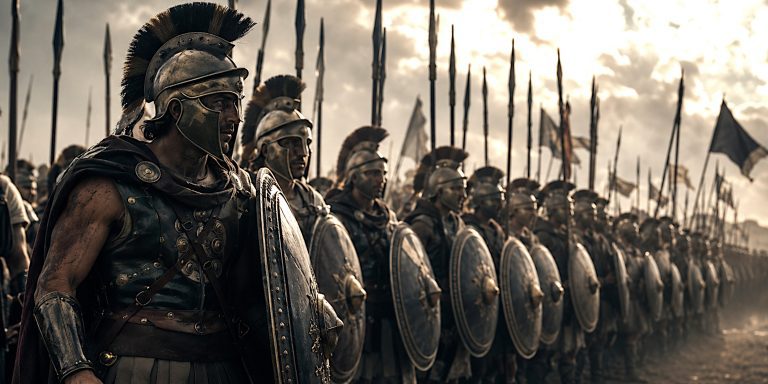
| Heavy cavalry | 4,000 to 5,000 | Nobility in older western plate harness |
| Infantry | 10,000 to 12,000 | Mix of levy and foreign mercenaries |
| Light cavalry | 2,000 | Early hussar types, not yet the famed later style |
| Artillery | 80 to 100 guns | Poorly sited and undermanned |
Ottoman Empire
| Component | Estimated Strength | Notes |
|---|---|---|
| Janissaries | 8,000 to 10,000 | Elite matchlock infantry with strict discipline |
| Sipahis | 20,000 to 25,000 | Fast provincial cavalry |
| Azabs and irregulars | 20,000 to 25,000 | Flexible skirmish and screening troops |
| Artillery | 150 to 200 guns | Better coordinated and more mobile |
Leaders
Hungarian Command
- King Louis II
- Archbishop Pál Tomori, acting commander
- György Szapolyai, who arrived too late
Ottoman Command
- Sultan Suleiman
- Grand Vizier Ibrahim Pasha
- Senior corps officers of the Janissaries and Sipahis
Arms and Armour
Hungarian Equipment
| Category | Examples | Notes |
|---|---|---|
| Armour | Plate harness, mail | Older Milanese and German patterns common |
| Infantry weapons | Pikes, halberds, arquebuses | Mixed quality and training |
| Swords | Longsword, arming sword, early sabre types | Nobles favoured longswords, cavalry often used sabres |
| Shields | Infantry round shields | Heavy cavalry rarely used them |
Ottoman Equipment
| Category | Examples | Notes |
|---|---|---|
| Cavalry weapons | Composite bow, light lance, sabre | Sipahis relied heavily on mobility |
| Infantry weapons | Matchlock arquebus, spears | Janissaries delivered disciplined volleys |
| Swords | Kilij, shamshir, yataghan | Distinct curved profiles typical of Ottoman forces |
| Armour | Mail, lamellar, some unarmoured troops | Varied widely across corps |
Archaeology
- Mass graves containing mixed Hungarian and mercenary remains.
- Ottoman arrowheads, including armour piercing types.
- Arquebus shot flattened against plate, proof of close range fire.
- Elite horse gear from fallen nobles.
- Scattered artillery fragments along the Hungarian start line, hinting at rushed deployment.
The archaeology underlines what the chronicles imply. The battle line was formed in haste, and once broken, the retreat dissolved into chaos and mass casualties.
Battle Timeline
Before the battle
Hungary mobilised under pressure, lacking unity and time. Tomori argued for caution but was pushed to act. The ground near Mohács was open but awkward for artillery.
Opening bombardment
Hungarians advanced first. Both sides fired, though Ottoman guns were better coordinated.
Hungarian charge
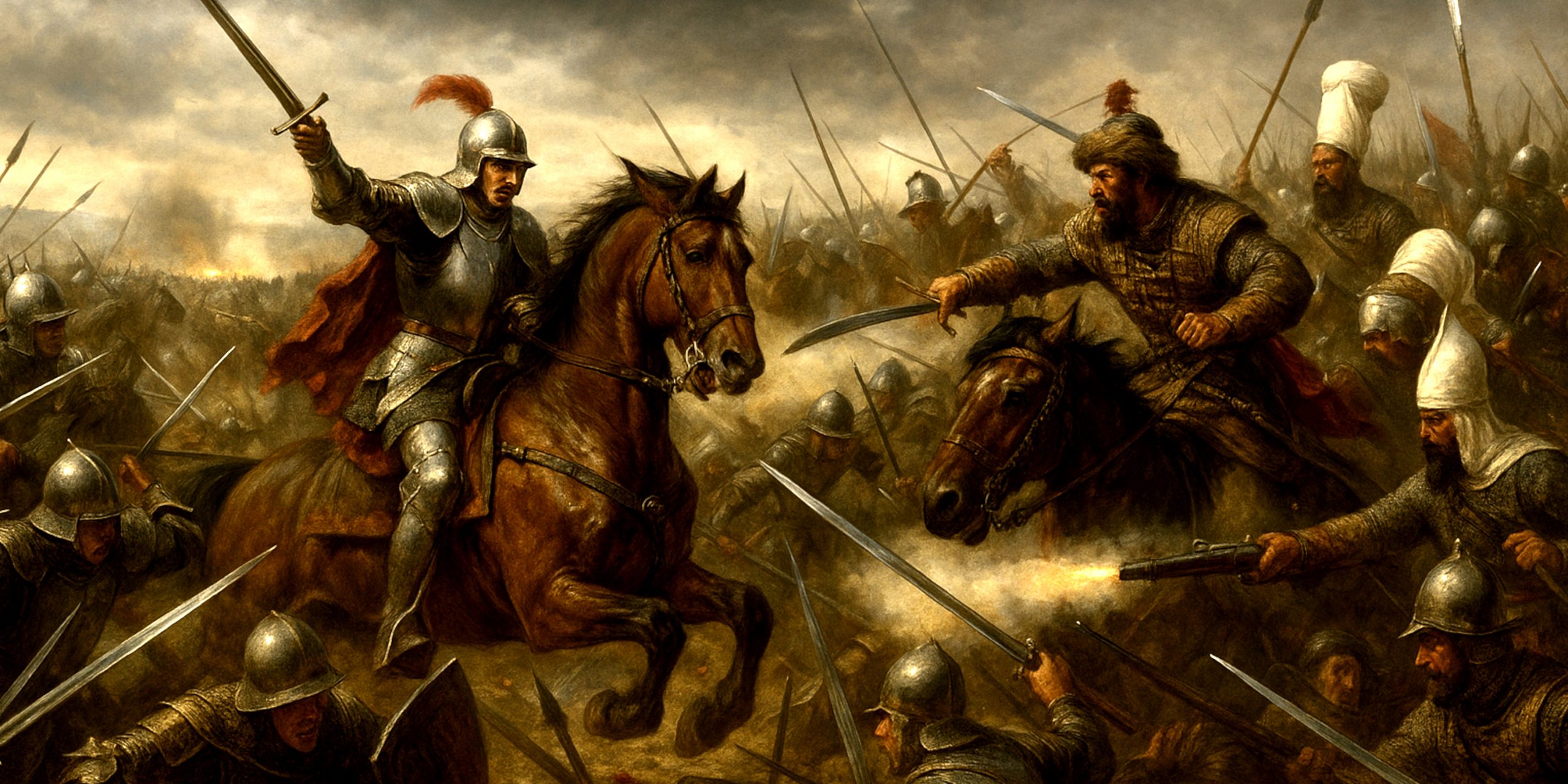
Heavy cavalry struck the Ottoman vanguard sharply. For a brief moment, victory did not seem impossible.
Ottoman counterstroke
Janissaries advanced, sipahis enveloped the flanks, and the Hungarian charge became isolated.
Collapse
Infantry broke. Retreat turned to rout. Louis II died while fleeing, thrown into a flooded ravine. Several sources support this grim detail.
Aftermath
Hungary fractured. Ottoman power expanded. Habsburg claimants stepped into the void. The battle lasted little more than two hours.
Contemporary Quotes
A Hungarian lament records
The field was not a battlefield but a harvest of men, cut down before the sun had lowered.
An Ottoman chronicle notes
The enemy fell like grain before the scythe, and their king fled the judgement of God.
Different voices, same devastation.
Significance
Mohács became a national trauma. The kingdom survived in name but lost the ability to shape regional politics. Ottoman reach pushed deeper into central Europe, and the Habsburg dynasty secured its foothold in Hungarian affairs. The speed of the collapse gives the battle its haunting reputation. It feels almost too quick for a disaster of such scale.
Watch the documentary: